
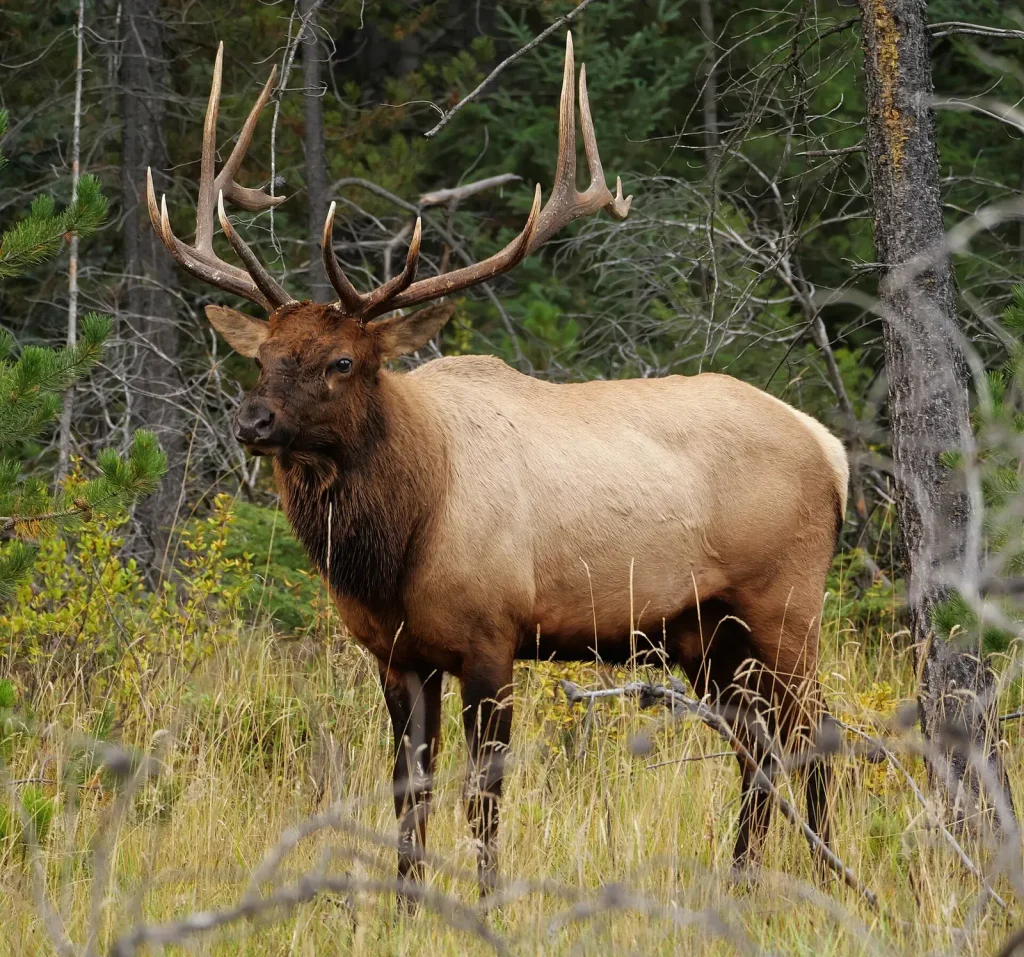
Photo: Membeth / CC0 (Wikimedia Commons)
Mammal Common Sightings: Possible with patience; more likely during rut season in early morning or late evening. ⚠ Give it space
Absolute kings of the alpine forest! These colossal cervids weigh 600+ pounds and command respect. Spot them grazing at dawn along the rim, but keep your distance—especially during the rut when bulls are bugling and territorial.
📏 Keep your distance: 25 yards minimum per park regulations. Give rutting bulls 50+ yards for safety; they are territorial and unpredictable.
Stay safe
Maintain 25-yard minimum distance; increase to 50+ yards during rut. Never position yourself between an animal and escape routes. Make noise on trails to avoid surprising them. Carry binoculars for safe observation. Keep children within arm's reach in elk country.
If you encounter one
Back away slowly while maintaining eye contact. Do not run. Speak calmly. If elk moves toward you, increase distance immediately and leave the area. If the animal raises hair, puts ears back, stamps hooves, or charges, run toward thick trees or rocks and climb if necessary.
Never feed or approach wildlife — it's dangerous for you and often fatal for them.
🦊 Species ID card
- Size & weight
- 600-1,000 lbs; males noticeably larger than females. A mature bull is an unmistakable alpine giant with massive frame and towering antlers.
- Identifying features
- Massive body size, tan-to-brown fur, distinctive light-colored rump patch, large branching antlers on males (seasonally shed), darker mane on neck and shoulders
- Habitat
- Subalpine forest and forest-edge habitats. Elk prefer open meadows and grassy areas adjacent to forest cover where they can graze while remaining near escape routes.
- Diet
- Grasses, sedges, forbs, leaves, twigs, and bark. Seasonal grazing in alpine meadows during snow-free months.
- Active
- Crepuscular (most active at dawn and dusk), though can be active throughout the day in undisturbed areas.
- Lifespan (wild)
- 10-15 years typically
👀 Where & when to see them in Crater Lake National Park
Where to look
Forest edges and open meadows around the Rim Drive, particularly near Castle Crest Wildflower Trail and Rim Village. Most likely in subalpine forest margins and adjacent grasslands.
Best time
Dawn (first two hours after sunrise) and dusk (last two hours before sunset). Rut season (September-October) brings peak bugling and activity.
Spotting tips
- Scan open meadows and forest edges with binoculars before hiking
- Listen for bugling during rut season—it carries far in quiet mountain air
- Early risers win; be at viewing areas 30 minutes before sunrise
- Look for the distinctive white rump patch even at great distance
- During rut, bulls often bed down in dense forest midday and conserve energy for evening activity
Accessibility
Yes, often visible from Rim Drive, especially during early morning and evening hours. Some viewing possible on foot near Castle Crest Wildflower Trail and other trailheads in suitable habitat.
With kids
Keep children within arm's reach in elk country. Teach kids that 'pretty animals are still wild animals' and explain the 25-yard rule. Supervise closely on trails and at overlooks near suitable habitat. Explain that bull elk in rut can be dangerous and unpredictable.
📷 Photographing them
Best vantage points
Rim Drive overlooks, particularly near Castle Crest Wildflower Trail and Phantom Ship Overlook, using telephoto lens from safe distance to maintain 25-yard separation.
Bring
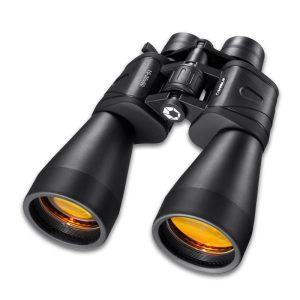
Binoculars (essential for safe viewing), telephoto lens (200mm or longer for photography), field guide for identification and behavior reference, patience and time.
Shoot ethically
Maintain 25-yard minimum distance. Never bait, call, or use artificial sounds to attract. Don't block the road or position yourself in the animal's path. Let animals move naturally; don't pursue or follow.
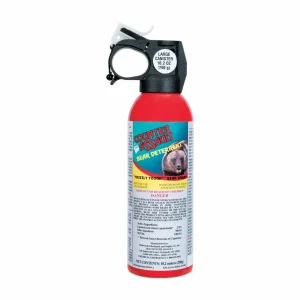
🔭 Gear that helps you spot them
🌲 Natural history
- Breeding season
- September through October. Males become highly aggressive, bugle frequently, engage in antler-wrestling with rivals, and are intolerant of other bulls.
- Migration
- Seasonal elevation shifts in response to snow. Move to lower elevations in winter when possible; exact patterns at Crater Lake not formally documented.
- Winter
- Elk do not hibernate. In winter they reduce activity and conserve energy. North Entrance Road closure (November-April) limits access to traditional range; animals may be concentrated in accessible lower areas.
🌍 Conservation
Threats
Habitat fragmentation, chronic wasting disease (CWD), climate-driven changes in snow timing affecting forage availability and migration patterns.
Protection efforts
Crater Lake enforces viewing distance regulations. Seasonal road closures (November-April) protect elk during high-stress winter months. Park monitors population health and migration patterns through observation and reporting.
How visitors help
Maintain viewing distance, report sightings of sick or injured animals, stay on designated trails, never feed or approach, obey seasonal road closures, educate others about safe viewing practices.
Report sightings
Contact Crater Lake National Park ranger station or visitor center to report unusual sightings, sick/injured animals, or concerning aggressive behavior.
❓ Questions people ask
Will an elk attack me?
Elk are generally not aggressive toward humans, but bulls in rut (Sept-Oct) become highly territorial and dangerous. Keep your 25-yard distance and you're safe. Never approach.
What's that loud bugling sound?
That's a bull elk calling during rut season. It's a series of high-pitched whistles, grunts, bellows, and screams. Males bugle to establish dominance over rivals and attract females.
How close can I get for photos?
Maintain 25 yards minimum. Use a telephoto lens (200mm+) rather than approaching. It's safer for you and far less stressful for the animal. Closer photos aren't worth the risk.
What time of year are elk most active?
September-October during the rut (mating season) is peak activity time. Mornings and evenings are always best year-round, especially dawn.
Are elk endangered?
No, elk are common across North America. They were nearly hunted to extinction in the 1800s but have recovered successfully through park protection and restoration efforts.
Do I need to worry about calves and mothers?
Yes—cow elk with calves are highly protective. Give them 50+ yards and never position yourself between a mother and calf. She will charge if she feels her calf is threatened.


