
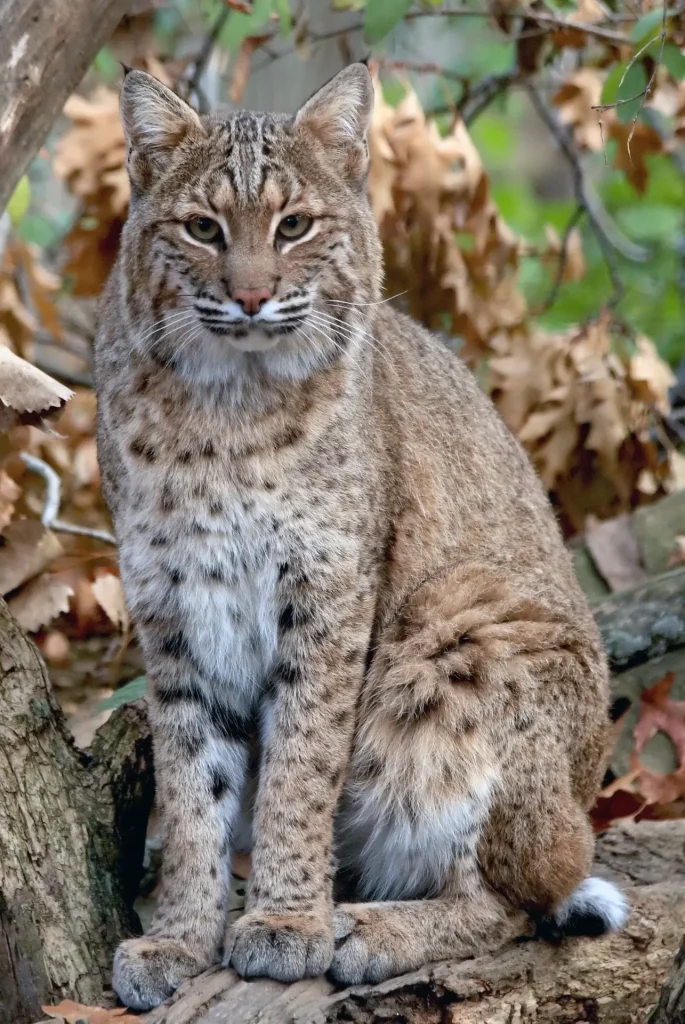
Photo: Becker1999 (Paul and Cathy) / CC BY 2.0 (Wikimedia Commons)
Mammal Least Concern Sightings: Uncommon to rare. Bobcats are elusive nocturnal predators; most sightings occur incidentally during early morning or evening hikes or drives. Direct observation requires patience and timing. Not dangerous — still wild
What an absolute beauty! This shy forest hunter is perfectly adapted for life in Crater Lake's timber—tufted ears, distinctive stubby tail, and stealth instincts that would make a ninja jealous. Nocturnal and elusive, bobcats are the shadows of the forest; spotting one is a genuine wildlife triumph. Patience, binoculars, and early-morning or dusk hikes are your best bet—but if you catch those golden eyes in low light, you've earned a memory.
📏 Keep your distance: 25 yards minimum (per NPS wildlife safety protocol)
Stay safe
Maintain 25-yard minimum distance at all times. Make noise while hiking to avoid surprising a bobcat. Never approach, corner, or attempt to feed. If one is visible, stay calm and back away slowly. Do not run or make sudden movements.
If you encounter one
Back away slowly without turning your back. Avoid sudden, erratic movements. Speak in calm, low tones if necessary. Keep eyes on the animal while creating distance. Do not attempt to feed or touch. Let the bobcat depart at its own pace.
Never feed or approach wildlife — it's dangerous for you and often fatal for them.
🦊 Species ID card
- Size & weight
- Small wild cat reaching up to 50 inches in total length; compact, agile frame built for forest hunting
- Identifying features
- Distinctive black bars on forelegs; black-tipped, stubby tail (the signature 'bob'); tufted ears; grayish-brown fur with darker spots and markings
- Habitat
- Dense forests, forest edges, brushy areas, and mixed conifer-deciduous stands. Crater Lake's cool, forested terrain provides ideal bobcat habitat with abundant small-mammal prey and dense cover for hunting and denning.
- Diet
- Primarily small mammals—rabbits, hares, and rodents—plus birds, insects, and occasionally larger prey such as young deer. Hunting strategy adapts to local prey availability and seasonal patterns.
- Active
- Nocturnal and crepuscular (most active at night and during twilight hours). Solitary hunters with minimal social interaction outside breeding season; largely independent lifestyle.
👀 Where & when to see them in Crater Lake National Park
Where to look
Forested areas, forest edges, and brushy habitat throughout Crater Lake National Park. Most active in lower-elevation timber around the park perimeter and along trailheads.
Best time
Sunrise to 2 hours after dawn; 2 hours before sunset through dusk. Peak visibility during low-light transitions when bobcats are actively hunting. Winter dawn/dusk hours may provide best viewing windows.
Spotting tips
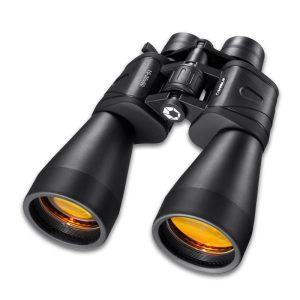
- Binoculars are non-negotiable—scan forest edges and brush systematically
- Look for movement first, not the entire animal
- Listen for subtle sounds of movement through underbrush or across pine needles
- Examine snow for tracks and scat (winter visits are excellent for track interpretation)
- Patience is key; even experienced wildlife observers rarely see them directly
- Best approach: hike at dawn or dusk with zero expectations but high awareness of surroundings and terrain
Accessibility
Limited accessibility. Bobcats are strictly nocturnal/crepuscular and extremely elusive; viewing from vehicles is unlikely. Successful observation requires dedicated early-morning or late-evening hiking with realistic expectations and substantial time investment.
With kids
Appropriate for families with older children who can follow safety protocols and maintain distance. Explain to young children why we do not approach wild predators. Keep toddlers and small children supervised and close during dawn/dusk hikes. Bobcat encounters are rare during typical daytime visits, so safety risk is minimal for most visitors.
📷 Photographing them
Best vantage points
High viewpoints along Scenic Rim Drive at dawn/dusk for scanning forested slopes; forest edges near trailheads like Castle Crest Wildflower Trail or near Lost Creek Campground where visibility into brush is best. Requires telephoto lens (200mm or longer) for safe distance composition.
Bring
Binoculars (for scanning dense areas at safe distance); telephoto lens 200mm or longer (for photography without disturbance); warm clothing for early-morning and late-evening observation; notebook for recording behavior and location data.
Shoot ethically
Do not bait, lure, or use food to attract. Do not approach closer than 25 yards to photograph. Do not block traffic or create safety hazards for other visitors. Respect the animal's space and natural behavior—capture only authentic moments, never staged or artificially provoked interactions.
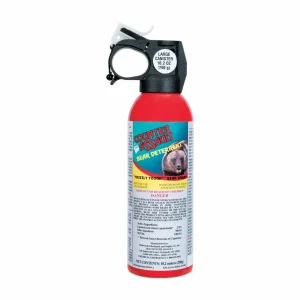
🔭 Gear that helps you spot them
🌲 Natural history
- Breeding season
- Late winter through spring (typically December–April). Gestation approximately 2 months; kittens born in spring. Males and females more active and visible during this breeding period.
- Migration
- Non-migratory resident. Individual bobcats maintain relatively fixed home ranges throughout their lives; do not undertake seasonal migrations.
- Winter
- No hibernation. Active year-round, though activity levels may reduce during severe winter conditions; remain hunting-ready across all seasons.
🌍 Conservation
Threats
Habitat fragmentation and loss outside park boundaries; historical persecution for fur and livestock protection (though protected within park); potential road mortality on park access roads; persecution in agricultural areas surrounding the park.
Protection efforts
Crater Lake National Park provides year-round habitat protection and enforces no-hunting regulations within park boundaries. NPS wildlife surveys monitor population health and habitat conditions to support long-term conservation.
How visitors help
Stay on designated trails to minimize disturbance to denning and hunting areas. Drive carefully, especially at dawn and dusk (peak bobcat activity times). Maintain the mandated 25-yard viewing distance. Report all sightings to support park monitoring efforts. Never feed or attempt to attract wildlife.
Report sightings
Report sightings to the Crater Lake Visitor Center (Rim Village), any park ranger station, or ranger office at Lost Creek Campground or Mazama Campground. Provide location, time of day, description of observed behavior, and any photographs. Park records use citizen observations to track population patterns and activity.
❓ Questions people ask
Will a bobcat attack me?
Bobcat attacks on humans are extraordinarily rare. Bobcats are shy, solitary hunters that actively avoid humans. Maintaining a safe 25-yard distance and not cornering or threatening an animal eliminates virtually all risk.
Are bobcats in Crater Lake year-round?
Yes, bobcats are resident year-round at Crater Lake. They are more active and visible during breeding season (late winter and spring). Winter snow may also help you track them via footprints and sign.
What should I do if I see a bobcat?
Stay calm and back away slowly. Maintain at least 25 yards distance. Do not approach, run, or make sudden movements. Enjoy the rare sighting from a distance and report it to a ranger afterward to support park monitoring.
What do bobcats eat?
Primarily rabbits, hares, and small rodents, plus birds, insects, and occasionally larger prey like young deer. Their diet depends on what prey is available in their territory. They are successful, adaptable hunters.
When is the best time to see a bobcat?
Early morning (dawn to 2 hours after sunrise) or late evening (2 hours before sunset through dusk) offer the best chances, as bobcats are nocturnal and crepuscular hunters. Breeding season (late winter/spring) also increases overall activity levels.
How can I photograph a bobcat safely?
Use a telephoto lens (200mm or longer) to maintain safe distance and keep the animal calm. Never bait or lure. Photograph only natural, unprovoked behavior. Never approach closer than 25 yards.
Are bobcats endangered?
No. Bobcats are classified as Least Concern globally with stable populations across most of North America. Their rarity at Crater Lake comes from their nocturnal nature and shy behavior, not from low population numbers.


