
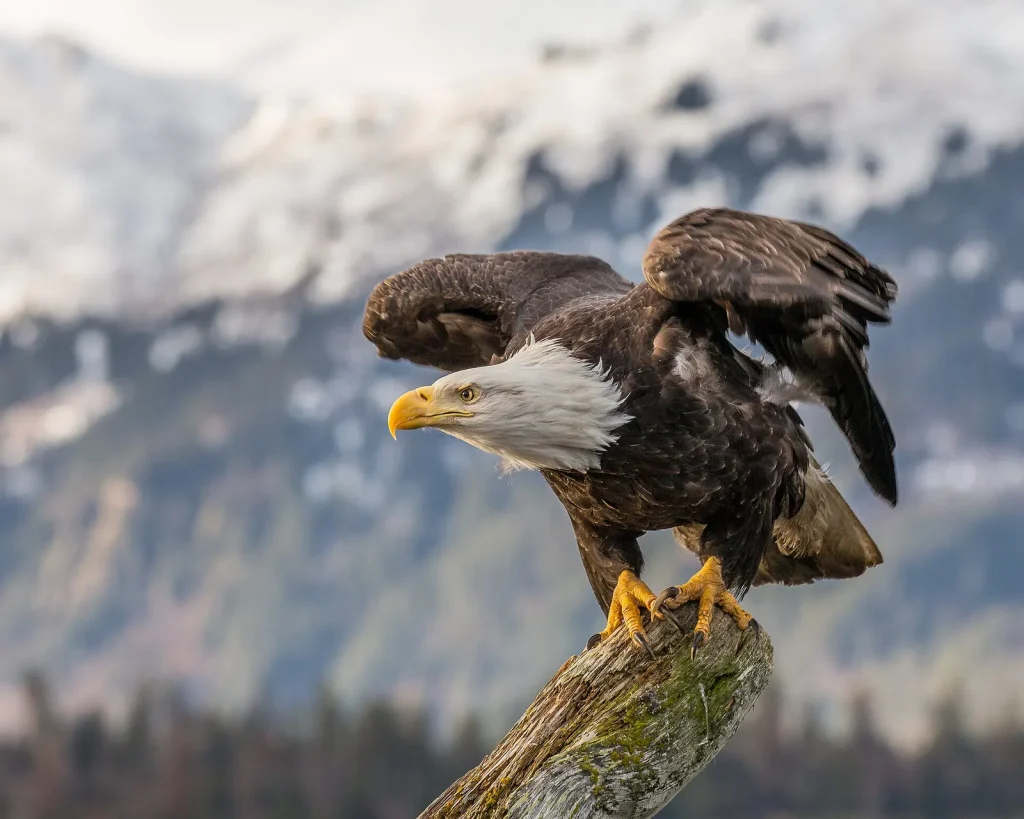
Photo: Andy Morffew from Itchen Abbas, Hampshire, UK / CC BY 2.0 (Wikimedia Commons)
Bird Common Sightings: Uncommon but possible; more frequent during spring-fall active season. Not guaranteed, but consistent visitors to the lake. ⚠ Give it space
The bald eagle is a powerful predator with a distinctive white head and dark brown body—an apex hunter that demands attention. These expert fishers patrol Crater Lake's waters and surrounding forests, hunting from dawn to dusk. Their presence here represents one of North America's greatest conservation successes, recovered from near-extinction just decades ago.
📏 Keep your distance: 25 yards minimum per park wildlife guidelines. Realistically, most sightings occur from much greater distance as eagles soar overhead or perch on distant cliffs and trees.
Stay safe
Maintain 25-yard minimum distance. Never approach active nests or fledglings. Make noise while hiking to avoid startling perched birds. Keep children within constant sight. Do not feed or attempt to interact.
If you encounter one
Back away slowly. Maintain the 25-yard minimum distance. Speak calmly and move deliberately. If an eagle approaches, use raised arms or noise-makers to discourage contact. Do not run. Do not attempt to touch or photograph at arm's length.
Never feed or approach wildlife — it's dangerous for you and often fatal for them.
🦊 Species ID card
- Size & weight
- Adults typically 28-40 inches long with 6-7 foot wingspan. Females approximately 25% larger than males, weighing up to 14 lbs. Large yellow hooked beak. White head and tail (adults only), dark brown body. Immature birds uniformly brown.
- Identifying features
- Adult: striking white head and tail, dark brown body, large yellow hooked beak visible at distance. Immature: entirely brown plumage until year 4-5. Females notably larger than males. Distinctive white markings visible even from a distance in adults.
- Habitat
- Large open freshwater lake surrounded by old-growth forest, cliff faces, and rocky terrain. High elevation (6,480 ft) with seasonal snow. Crater Lake provides ideal eagle habitat: abundant fish, mature trees for nesting, and perching cliffs.
- Diet
- Primarily fish—trout and kokanee from Crater Lake. Swoop down and snatch prey from water surface using powerful talons. Opportunistic hunters.
- Active
- Diurnal (day-active). Most active during dawn and dusk hunting windows.
- Lifespan (wild)
- 20-30 years typical; some exceed 40 years in the wild
👀 Where & when to see them in Crater Lake National Park
Where to look
Crater Lake shoreline and rim overlooks; Scenic Rim Drive; Phantom Ship Overlook; areas near old-growth forest and cliff faces suitable for nesting.
Best time
Dawn and early morning (5-9 AM) for peak hunting activity. Dusk (5-7 PM) for evening hunts. Midday visits less productive.
Spotting tips
- Scan treelines and cliff edges methodically from overlooks.
- Watch the sky constantly—soaring eagles can appear suddenly.
- Early risers see more; position yourself by 6 AM.
- Binoculars essential even for spotting distant birds.
- Return to productive spots; eagles have regular patrol routes.
- Overcast days can improve visibility (less water glare).
Accessibility
Yes, from vehicles on Scenic Rim Drive and designated overlooks. Road access seasonal—West Rim Drive typically closes November 1 through mid-May due to snow accumulation. Summer access (May-October) provides best visibility.
With kids
Inspiring for children—seeing a wild eagle creates lasting nature memories. Teach kids the 25-yard rule and why distance matters. Avoid nesting areas and cliff zones during spring-summer breeding season. Early morning visits optimize sighting chances.
📷 Photographing them
Best vantage points
Scenic Rim Drive offers safe vehicle-based viewing and photography opportunities. Phantom Ship Overlook provides unobstructed lake views for eagle watching. Early morning light (6-8 AM) best captures detail.
Bring
Binoculars essential (10x42 recommended). Telephoto lens (400mm+) for clear photography. Camera with good zoom capability. Sunrise headlamp for pre-dawn positioning.
Shoot ethically
Maintain safe distance (25+ yards minimum). Do not approach nests, cliff sites, or fledglings. Never use flash or loud sounds to startle birds. Do not block roadways or trails. Respect breeding areas during spring-summer. Use natural light.
🔭 Gear that helps you spot them
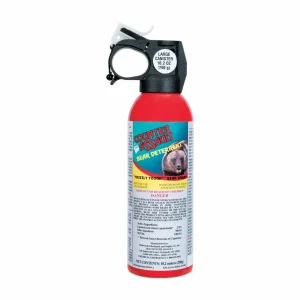
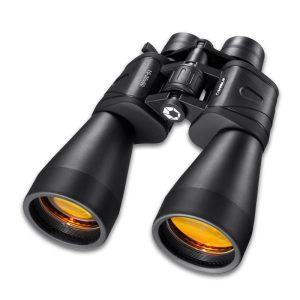
🌲 Natural history
- Breeding season
- Spring-early summer (April-July). Nesting on cliff faces or large trees near water.
- Migration
- Some Crater Lake eagles are year-round residents; others migrate seasonally based on ice conditions and food availability. North American bald eagle populations show both migratory and resident behavior.
- Winter
- Birds do not hibernate. Year-round residents if lake remains ice-free and road access permits viewing during winter months.
🌍 Conservation
Threats
No significant threats at Crater Lake National Park. Historically threatened by DDT pesticide exposure, hunting, and habitat loss—all controlled or reversed through federal protections and park management.
Protection efforts
Protected by federal law as the U.S. national bird. Crater Lake National Park enforces wildlife disturbance regulations and maintains habitat through land management and species monitoring.
How visitors help
Maintain safe viewing distance (25 yards). Report poaching or disturbance to rangers immediately. Stay on marked trails. Never feed or leave food accessible. Keep noise low near suspected nesting areas during breeding season. Support park conservation through entrance fees and education.
Report sightings
Report sightings to rangers at visitor centers or ranger stations throughout Crater Lake National Park. Include date, time, location, specific behavior observed, and number of eagles sighted.
❓ Questions people ask
Will a bald eagle attack me?
No. Bald eagles avoid humans and only become territorial near active nests during breeding season (spring-summer). Maintain 25-yard distance and eagles will not approach.
What do they eat?
Primarily fish—trout and kokanee from Crater Lake. They swoop down and snatch prey with powerful talons. They do not hunt humans or large animals.
When is the best time to see one?
Dawn through mid-morning (5-9 AM) offers most activity as eagles hunt. Spring through fall (May-October) provides highest sighting frequency when roads are open.
Can I photograph them from my car?
Yes, from Scenic Rim Drive and overlooks. A telephoto lens (400mm+) is essential for clear photos. Never leave your vehicle to approach closer.
Why are there so many eagles here?
Crater Lake provides ideal eagle habitat: deep open water abundant with fish, old-growth trees for nesting, and cliff faces for perching. After near-extinction, recovered populations have expanded across Oregon.
Are they year-round residents?
Some eagles stay year-round. Others migrate seasonally. Winter viewing is possible when park roads remain open, though snow typically closes access November through April.
How big are they really?
Adults span 6-7 feet wing-to-wing with large hooked beaks. Females weigh up to 14 lbs and are noticeably larger than males. They rank among North America's largest birds.


