
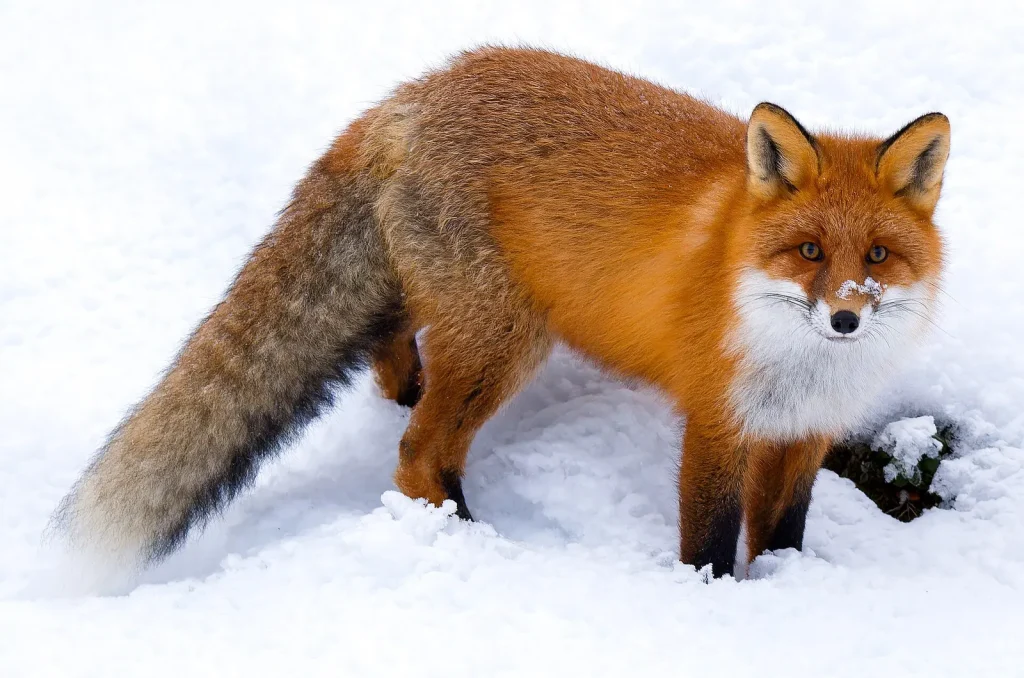
Photo: ClaudiaTen / CC BY-SA 4.0 (Wikimedia Commons)
Mammal Least Concern Sightings: Uncommon. Red foxes are naturally wary, secretive, and mostly nocturnal—seeing one requires patience, luck, and early-morning effort. Not dangerous — still wild
Red foxes are remarkable adaptors prowling Capitol Reef's shrublands and desert grasslands! These cunning carnivores—recognizable by their russet coats, black-tipped ears, and distinctive white-tipped tails—hunt primarily at dawn and dusk. They're far too wary and small to threaten visitors, but give them space to do their incredible work as natural rodent controllers.
📏 Keep your distance: 25 yards minimum. Use binoculars or telephoto lens (200mm+) to observe safely and legally.
Stay safe
Maintain at least 25 yards distance. Don't approach, don't run if encountered. Red foxes are shy and will flee. Make yourself appear calm and large—aggression from foxes toward humans is extraordinarily rare.
If you encounter one
Back away slowly and maintain your distance. Speak calmly. Avoid sudden movements or direct eye contact. Red foxes are shy and will typically flee immediately. Never corner or pursue an animal.
Never feed or approach wildlife — it's dangerous for you and often fatal for them.
🦊 Species ID card
- Size & weight
- Compact carnivore; largest of the true foxes, typically 4-9 pounds with a slender, agile build.
- Identifying features
- Russet-red coat, black-tipped ears and legs, distinctive white-tipped tail. Fur is thick and bushy. Occasional color variations from silver-grey to melanistic (black) individuals.
- Habitat
- Desert shrublands, grasslands, and open meadow edges. Red foxes are highly adaptable and thrive in Capitol Reef's varied terrain from lower elevations to high desert. They need open areas for hunting visibility and rodent-rich habitat to thrive.
- Diet
- Primarily small rodents including mice and voles, but also rabbits, squirrels, game birds, insects, and occasionally berries and vegetation. They're excellent natural pest controllers.
- Active
- Nocturnal and crepuscular; most active at dawn and dusk, though they may hunt at any hour depending on food availability and season.
- Lifespan (wild)
- 3-4 years in the wild (limited by predation and hunting)
👀 Where & when to see them in Capitol Reef National Park
Where to look
Open shrublands, grasslands, and meadow edges throughout the park. They favor areas with good visibility for hunting and proximity to rodent populations. Less-visited backcountry areas offer better sighting chances.
Best time
First light (30 minutes before sunrise) through mid-morning, and one hour before sunset through dusk.
Spotting tips
- Scan meadows and grasslands at first light and approaching dusk
- Listen for their distinctive high-pitched barks or yips—a sign of activity
- Move silently and pause frequently to let animals reveal themselves
- Predawn and early-morning hikes (before 7 a.m.) offer the best chances
- Stay downwind when possible to avoid alerting prey and predators
Accessibility
Unlikely from vehicle due to their shyness and small size. Best observed on foot during early morning or evening hikes in open meadow and grassland habitat areas.
With kids
Red foxes are not dangerous to people and make excellent subjects for teaching children about respectful wildlife observation. Explain that maintaining distance protects the fox and makes better viewing experiences. Early morning family hikes offer good fox-spotting chances while keeping kids engaged and safe.
📷 Photographing them
Best vantage points
Open meadows and grasslands near Fruita Campground area and along park backcountry trails at dawn or dusk. Panorama Point and Cathedral Valley offer expansive views where foxes may be spotted at distance.
Bring
Binoculars essential for distant viewing. Telephoto lens (200mm minimum) recommended for photography to safely respect the 25-yard distance. A flashlight or headlamp helps for dawn/dusk hikes.
Shoot ethically
Observe from a minimum 25-yard distance. Never bait with food. Stay on designated trails. Keep noise minimal—move slowly and pause frequently. Don't block roads or trails for other visitors. Respect natural behavior; never chase or pursue.
🔭 Gear that helps you spot them
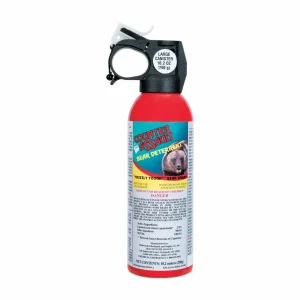
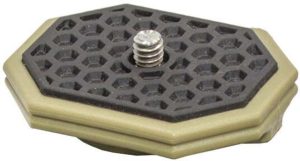
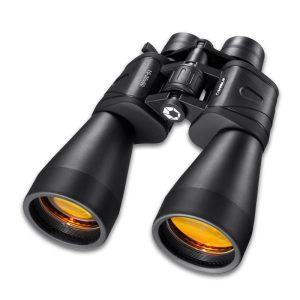
🌲 Natural history
- Breeding season
- Late winter through spring (January-March); pups born March-April and remain dependent through summer.
- Migration
- Generally resident year-round. No significant seasonal migration, though individuals may shift territory based on food availability.
- Winter
- Active year-round. Red foxes do not hibernate and remain hunting throughout winter months.
🌍 Conservation
Threats
While globally listed as Least Concern, red foxes compete with native coyotes for prey and territory. Habitat fragmentation and vehicle strikes pose localized risks. Climate change may alter prey availability and seasonal patterns.
Protection efforts
Capitol Reef NPS manages habitat to support diverse native carnivore populations through land stewardship. Park regulations protect all wildlife from harassment. Research programs monitor population health and predator-prey dynamics.
How visitors help
Drive slowly during dawn and dusk hours. Keep to designated trails and closed areas. Never leave food unattended at campsites. Report any injured or orphaned animals to rangers immediately. Support park conservation efforts financially.
Report sightings
Report sightings to Capitol Reef Visitor Center (435-425-3791) or any park ranger. Document location, time, and behavior to help NPS monitor populations.
❓ Questions people ask
Will a red fox attack me?
No. Red foxes are shy, small carnivores that avoid humans entirely. They'll flee if you approach. Give them space to do so.
Can I feed a red fox?
Absolutely not. Feeding wildlife causes habituation, dependency, and dangerous conflicts. Never feed foxes or any wild animal. It's illegal in national parks.
Are red foxes native to Capitol Reef?
Yes. Red foxes are native to North America and have inhabited the region for thousands of years. They're an important part of Capitol Reef's desert ecosystem.
When is the best time to see a red fox?
Early morning and evening (one hour before and after sunrise/sunset) offer the best chances. Red foxes are most active during crepuscular hours when temperatures are cooler.
What do red foxes eat?
Primarily small rodents like mice and voles. They also hunt rabbits, birds, and insects, making them excellent natural pest controllers for the ecosystem.
How far away should I stay from a red fox?
Park regulations require a minimum 25-yard distance. Use binoculars or a telephoto lens to observe safely and legally without disturbing the animal.
What's that barking sound I hear at dawn?
Likely a red fox! Their vocalizations are distinctive—high-pitched yips, barks, and screams used for communication, territorial marking, and pack coordination.


