
Photo: www.naturespicsonline.com / CC BY-SA 3.0 (Wikimedia Commons)
Mammal Common Not dangerous — still wild
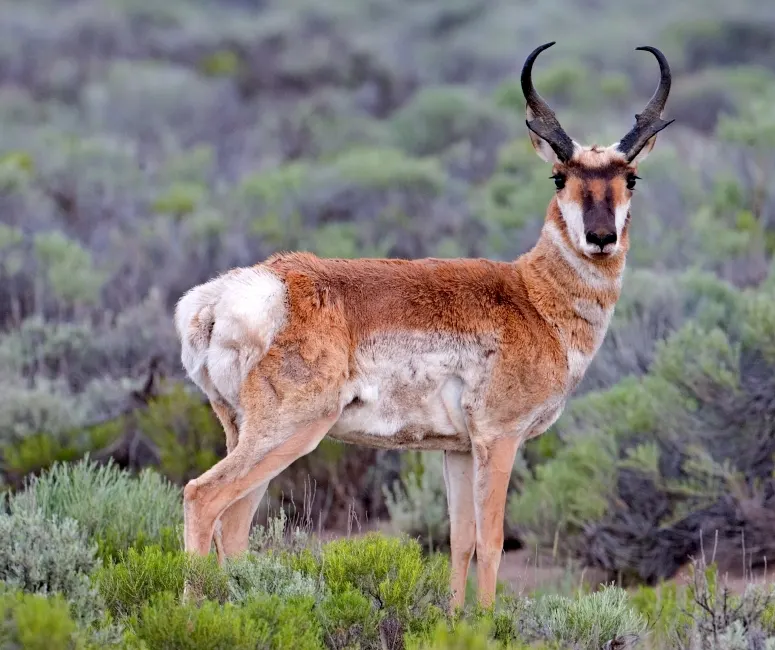
Antilocapra americana is built for one thing—running. These nimble herbivores are the fastest land mammals in the Americas, hitting speeds over 55 mph across Capitol Reef's open country. They're harmless grazers, but respect the 25-yard viewing distance and watch them work!
📏 Keep your distance: 25 yards minimum per Capitol Reef park regulations
Stay safe
Maintain 25-yard minimum distance. Observe from vehicle when possible. Never feed, approach, or attempt to touch. These are wild animals. Never chase or pursue, even if they initially approach you.
If you encounter one
Stay calm and observe from at least 25 yards away. Speak in normal tones. Pronghorn will typically move away if you approach closer. Never chase or attempt to touch. If the animal runs, you were too close—back away immediately.
Never feed or approach wildlife — it's dangerous for you and often fatal for them.
🦊 Species ID card
- Size & weight
- Lean, compact hoofed mammal with streamlined build optimized for speed
- Identifying features
- Both males and females have pronged horns. Distinctive white rump patch. Dark tan to reddish-brown coat. Lean, muscular build built for speed. Often mistaken for antelopes but are actually the only surviving member of family Antilocapridae—unique to North America.
- Habitat
- Open grasslands, semi-arid plateaus, bentonite badlands, and high-elevation meadows where sagebrush and grasses provide forage. Pronghorn strongly prefer open country where their legendary speed provides an advantage and visibility is high.
- Diet
- Strict herbivore. Graze on native grasses and forbs. Browse sagebrush, shrubs, and leaves when grass is scarce. No interest in human food or campsites.
- Active
- Diurnal—active throughout daylight hours. Most active during dawn and dusk foraging periods. Generally less active midday but may move between feeding areas.
👀 Where & when to see them in Capitol Reef National Park
Where to look
Open grasslands, bentonite plateaus, and high-elevation meadows throughout the park. Most visible in upper elevations of the park where habitat is more open. May be spotted from Scenic Drive pullouts.
Best time
Early morning hours (sunrise to mid-morning) when foraging activity peaks. Dusk can also be productive. Midday viewing is less reliable.
Spotting tips
- Scan open areas with binoculars from overlooks and pullouts along Scenic Drive
- Early morning (first 2-3 hours after sunrise) offers peak viewing time
- Watch for movement—their speed makes them visible from considerable distance
- Check open bentonite plateaus and high-elevation meadows
- Travel slowly; concentrate on open habitat away from dense brush
- Overcast mornings often produce better sightings than bright sunshine
- Accept that sightings are never guaranteed despite best efforts
Accessibility
Pronghorn may be visible from the Scenic Drive and pullouts, particularly in early morning. Best viewed from vehicles at proper viewing distance. Open-habitat areas provide occasional visibility from overlooks.
With kids
Pronghorn are excellent for teaching children about wildlife distance respect and safety. Their speed and agility make them exciting to observe. Emphasize that 25 yards is the law; getting closer stresses the animal and creates traffic danger. Use this as teachable moment about respecting wild animals.
📷 Photographing them
Best vantage points
Scenic Drive pullouts offer best photo opportunities from vehicle. Panorama Point, Navajo Dome Viewpoint, and The Castle Viewpoint have captured pronghorn sightings. Use telephoto lens (200mm+) to capture details from safe 25-yard distance.
Bring
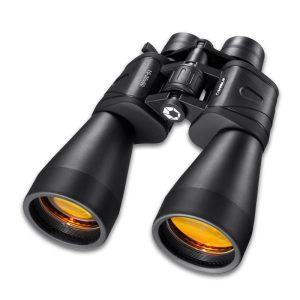
Binoculars essential for spotting and identification. Telephoto lens (200mm or greater) for detailed photography. Camera with strong zoom capability. Field guides for comparison with mule deer and other park herbivores.
Shoot ethically
Maintain 25-yard distance—never approach closer for 'better' shots. Use telephoto lens exclusively. Never block roads or park features. Never bait with food or try to attract animals. Allow natural behavior to unfold undisturbed.
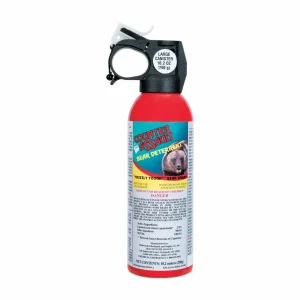
🔭 Gear that helps you spot them
🌲 Natural history
- Winter
- Pronghorn remain active year-round; they do not hibernate. Winter survival depends on finding available forage and shelter.
🌍 Conservation
Threats
Habitat fragmentation from development. Vehicle strikes on park roads. Fencing can impede natural movement. Drought conditions affecting forage quality and availability.
Protection efforts
National Park designation provides year-round habitat protection without hunting pressure. Park regulations enforce 25-yard viewing distance to prevent harassment and stress. Speed limit enforcement reduces vehicle-wildlife conflicts.
How visitors help
Stay on designated roads and trails. Maintain 25-yard viewing distance. Report sightings to help staff monitor populations. Never feed or approach. Drive carefully and at posted speeds—slower travel protects wildlife crossing roads. Educate other visitors about viewing ethics.
Report sightings
Contact Capitol Reef Visitor Center at 435-425-3791 or report sightings to any park ranger. Park staff monitor wildlife populations through visitor reports.
❓ Questions people ask
Will I definitely see pronghorn in Capitol Reef?
No—sightings are not guaranteed. They inhabit the park but may be difficult to locate depending on season, time of day, and where you explore. Early morning in open grasslands offers your best chance.
Are pronghorn dangerous?
No. They are harmless herbivores that eat plants and grasses. They will flee if you approach. However, always maintain the 25-yard viewing distance and never feed them.
How fast can pronghorn actually run?
Pronghorn reach speeds over 55 mph—making them the fastest land mammals in the Americas. This incredible speed likely evolved to escape predators that are now extinct.
Why do people call them antelope if they're not antelope?
Pronghorn resemble Old World antelopes and fill a similar ecological niche, so early settlers called them 'antelope.' But they're actually the only surviving member of family Antilocapridae, making them unique to North America.
When is the absolute best time to see pronghorn?
Early morning (first 2-3 hours after sunrise) is most productive. They forage most actively at dawn and dusk. Midday sightings are less reliable, though pronghorn remain active throughout daylight hours.
What should I do if I encounter a pronghorn?
Stay in your vehicle or maintain 25 yards distance minimum. Observe through binoculars or telephoto lens. Never approach, feed, or attempt to touch. If the animal runs, you were too close—back away immediately.
What do pronghorn eat, and will they raid campsites?
They are strict herbivores eating grass and plants. They have zero interest in human food, campsites, or garbage, so no extra precautions are needed beyond normal wildlife safety.


