
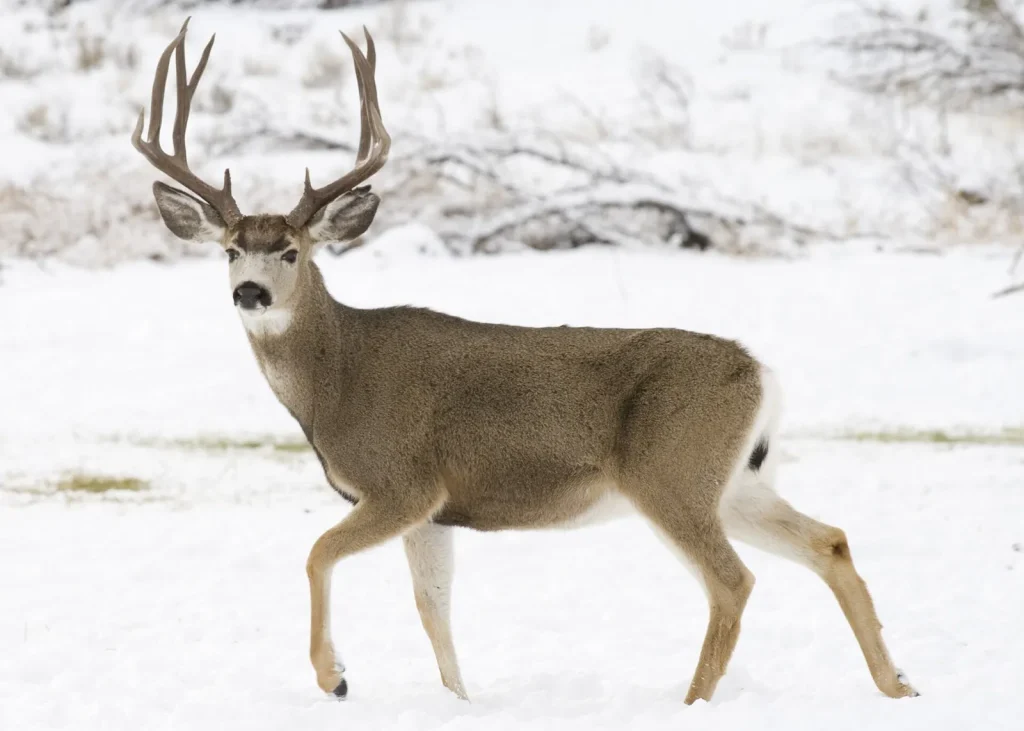
Photo: Oregon Department of Fish & Wildlife / CC BY-SA 2.0 (Wikimedia Commons)
Mammal Common Sightings: Likely—very common along Scenic Drive at dawn and dusk during cooler months. Not dangerous — still wild
Look at these little guys working hard in the desert! Those trademark oversized ears aren't just for show—they're heat radiators and predator detectors rolled into one, perfectly adapted to Capitol Reef's arid environment. You'll spot them browsing along the Scenic Drive at dawn and dusk, and they're completely safe to watch from your car.
📏 Keep your distance: 25 yards minimum. Give them space; never feed or approach.
Stay safe
Maintain 25-yard distance. Never feed or approach. Do not block their escape route. Observe quietly from your car or a safe distance.
If you encounter one
Back away slowly and calmly. Speak in a low voice. Give them a clear path to leave. If startled, they'll bound away—let them go.
Never feed or approach wildlife — it's dangerous for you and often fatal for them.
🦊 Species ID card
- Size & weight
- Bucks 150–300 lbs; does 90–200 lbs. Built lean for desert survival.
- Identifying features
- Oversized ears (larger than white-tailed deer), black-tipped tail, white rump patch, grayish-brown coat, and small antlers on bucks.
- Habitat
- Brushy semi-arid terrain, canyon bottoms, and ponderosa-pinyon woodlands. Mule deer thrive in Capitol Reef's mix of desert shrubland and rocky slopes.
- Diet
- Desert shrubs, leaves, grasses, browse. They're browsers first, grazers second—adapted to sparse desert vegetation.
- Active
- Crepuscular. Most active at dawn and dusk; rest during midday heat.
- Lifespan (wild)
- 10–15 years in the wild.
👀 Where & when to see them in Capitol Reef National Park
Where to look
Capitol Reef Scenic Drive, Cathedral Valley, brushy canyon bottoms near Fruita Campground.
Best time
Early morning (6–8 AM) or evening (5–7 PM).
Spotting tips
- Scan brushy areas along the Scenic Drive at dawn or dusk.
- Look for movement at the edge of vegetation.
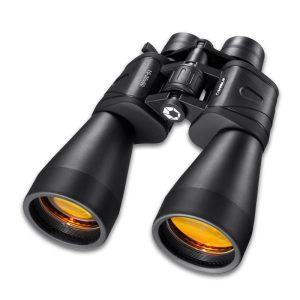
- Use binoculars to glass distant hillsides.
- Stay in your car; they're less wary of vehicles.
- Listen for the crack of branches as they move through brush.
Accessibility
Yes. Easily viewed from your car along Capitol Reef Scenic Drive and from pullouts. Accessible viewpoints: The Castle Viewpoint, Scenic Drive overlooks.
With kids
Perfect for kids. Teach children to observe quietly, respect distance, and never feed wild animals. Safe from your vehicle. Seeing them at dawn is thrilling and teaches kids about wildlife behavior and adaptation.
📷 Photographing them
Best vantage points
Scenic Drive stops, especially near The Castle Viewpoint and Cathedral Valley overlooks. Shoot from your vehicle or 25+ yards away with a telephoto lens.
Bring
Binoculars (essential for close viewing), telephoto lens (75–200mm), camera with image stabilization.
Shoot ethically
Never bait or approach. Don't block the road. Keep engine running during early-morning shoots to move if they approach. Respect their space.
🔭 Gear that helps you spot them
🌲 Natural history
- Breeding season
- November–December (the rut). Bucks may be more territorial then, but they're still not a threat to visitors.
- Migration
- Minimal seasonal migration. Populations adjust to water and forage availability but remain within park boundaries year-round.
- Winter
- No hibernation. Mule deer reduce activity during harsh winters but remain active.
🌍 Conservation
Threats
Habitat fragmentation, prolonged drought reducing forage, climate change altering vegetation patterns.
Protection efforts
Capitol Reef protects mule deer habitat through regulated access, no hunting within park boundaries, and population monitoring.
How visitors help
Observe from your car. Don't feed or approach. Report sightings to rangers. Stay on designated roads to minimize disturbance.
Report sightings
Report memorable sightings or unusual behavior to the Visitor Center or a ranger.
❓ Questions people ask
Will a mule deer attack me?
No. They're completely harmless. They'll flee if approached. Never feed them, as habituation can cause problems.
When are they most active?
Early morning and evening (dawn and dusk). Midday they rest in shade. Rut season (November–December) may increase visibility as bucks compete.
How close can I get for photos?
At least 25 yards. Use a telephoto lens (75–200mm) from your vehicle or pullout. Never approach on foot.
Can I feed them?
Absolutely not. Fed deer lose fear of people, become aggressive, and suffer poor health. It's illegal in national parks.
Why are their ears so big?
Those large ears help them hear predators and dissipate heat in the desert—perfectly adapted to Capitol Reef's environment.
What do they eat?
Desert shrubs, leaves, and grasses. They browse selectively on whatever vegetation thrives in Capitol Reef's arid landscape.


