
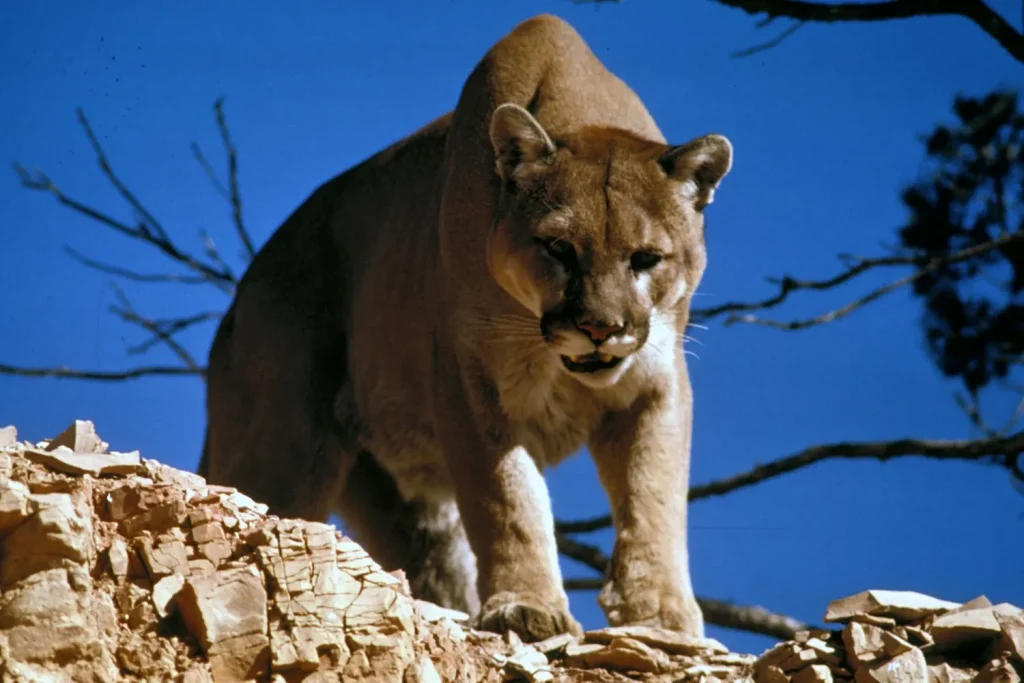
Photo: National Park Service / Public domain (Wikimedia Commons)
Mammal Least Concern Sightings: Ghost—nearly impossible. Expect virtually zero probability despite presence in the park. Most visitors never encounter one. ⚠ Give it space
This is the desert's shadow hunter—a solitary apex predator that rules Capitol Reef's rocky terrain but vanishes when humans arrive. Mountain lions prowl remote canyons and rimrock with uncanny silence, hunting under cover of darkness. Give this absolute unit his space—spotting one is nearly impossible, and that's precisely how he prefers it.
📏 Keep your distance: 25 yards minimum. However, mountain lions naturally avoid humans and sightings at this distance are extremely uncommon. Maintain this distance if an encounter occurs.
Stay safe
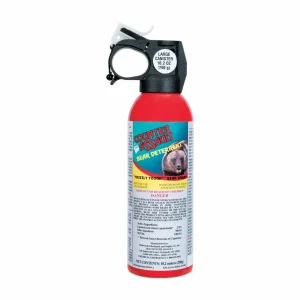
Make noise on trails intermittently using a whistle or voice to avoid surprising the animal. Never run; running triggers a predator's chase response. If encountered, back away slowly while facing the mountain lion, make yourself appear large by raising your arms, maintain eye contact, and speak in calm firm tones.
If you encounter one
Back away slowly while facing the mountain lion. Do not run or crouch. Speak in a calm, firm voice. Make yourself appear as large as possible by raising your arms and shoulders. Maintain eye contact. If the animal approaches, throw objects, make aggressive noise, and continue backing away. Report the encounter to park rangers immediately at 435-425-3791.
Never feed or approach wildlife — it's dangerous for you and often fatal for them.
🦊 Species ID card
- Identifying features
- Large tawny or grayish-brown feline with long dark-tipped tail; muscular frame; solitary build; small rounded ears and tan underside. Extremely difficult to identify in the field given rarity of sightings.
- Habitat
- Rocky canyons, rimrock ledges, and brush-filled arroyos provide cover for stalking and ambush hunting. Mountain lions adapt to Capitol Reef's semi-open high desert landscape, preferring terrain with dense underbrush and rocky features.
- Diet
- Primarily deer and other ungulates; also hunts smaller rodents and prey species available in the park's canyon ecosystem.
- Active
- Nocturnal and crepuscular (twilight-active). Activity patterns vary based on prey availability, human presence, and seasonal conditions.
👀 Where & when to see them in Capitol Reef National Park
Where to look
Remote canyons, rocky terrain, and brush-filled arroyos throughout the park, including Cathedral Valley and Waterpocket District. Sightings are exceptionally rare; most encounters occur incidentally on backcountry trails at dawn or dusk.
Best time
Early morning (first light) and late dusk; mountain lions are crepuscular (twilight-active) and nocturnal hunters when prey activity peaks.
Spotting tips
- Scan rocky terrain edges and brush borders at first and last light—peak mountain lion activity hours
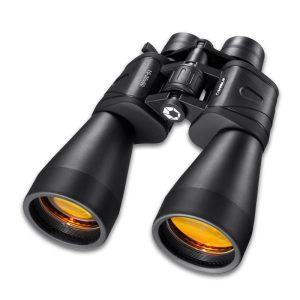
- Use binoculars to examine canyon bottoms, rimrock ledges, and cover where lions stalk prey
- Listen intently; despite their size, mountain lions move in near-total silence
- Early morning backcountry hikes offer the best exposure to low-light hours
- Travel in groups; solitary hiking increases encounter risk
- Move quietly and deliberately; loud groups are typically avoided by wary lions
Accessibility
Mountain lions roam throughout Capitol Reef's remote backcountry and rarely approach roads or developed areas. Viewing from vehicles is theoretically possible but sighting probability is extremely low. Park at scenic overlooks and scan rocky terrain at dawn and dusk; however, most sightings—rare as they are—occur incidentally on backcountry trails rather than from pullouts.
With kids
Mountain lions naturally avoid humans and fatal attacks are exceedingly rare—fewer than one per year across North America. Children should be supervised closely on trails and taught to make noise and stay in groups. Avoid dense brush and canyon edges where lions may den or hunt. Risk is minimal if basic precautions (noise, groups, distance) are followed.
📷 Photographing them
Best vantage points
Scan Cathedral Valley, Waterpocket District, and rimrock edges from pullouts and designated scenic overlooks along Capitol Reef's Scenic Drive. Telephoto lenses (200mm+) are essential given the extreme rarity of sightings and required 25-yard distance.
Bring
Binoculars (essential for scanning terrain from safe distances), telephoto camera lens (200mm or longer for safe-distance photography), whistle or noise maker for trail safety, flashlight for dawn and dusk hiking.
Shoot ethically
Maintain the 25-yard distance minimum at all times. Do not bait or use calls to attract. Never leave food or scent to encourage approach. Respect the animal's need for solitude and wild behavior. Photograph only from designated overlooks and pullouts; never pursue into backcountry habitat or away from established trails.
🔭 Gear that helps you spot them
🌲 Natural history
- Migration
- Non-migratory and territorial; each mountain lion maintains a large solitary home range. Does not migrate seasonally but may move within territory following prey.
- Winter
- Does not hibernate; active year-round. Activity levels vary with prey availability and seasonal weather, but the animal remains active throughout all seasons.
🌍 Conservation
Threats
Historical over-hunting nearly eliminated mountain lions from eastern North America and reduced populations across the West. Ongoing habitat fragmentation from human development shrinks available home ranges. Prey-base shifts from climate change and land-use changes create secondary pressures on survival.
How visitors help
Maintain safe distance and never feed—mountain lions must remain wild and wary of humans. Stay on designated trails to minimize habitat disturbance and denning-site disruption. Report all sightings to rangers for population monitoring and visitor safety tracking. Secure all food and scent in vehicles and campsites; removing accessible food eliminates attractants that draw prey species (deer, rodents) and in turn predators.
Report sightings
Contact Capitol Reef Visitor Center at 435-425-3791 or report in person at the visitor center (open daily except select major holidays; hours vary). Provide location, time, behavior observed, and direction of travel. Sightings help park staff monitor population and visitor safety.
❓ Questions people ask
Will a mountain lion attack me?
Fatal mountain lion attacks on humans are extremely rare—fewer than one person per year across North America. Mountain lions are solitary hunters that naturally avoid humans. Most encounters occur when humans surprise the animal. Making noise and maintaining 25-yard distance virtually eliminates risk.
Are mountain lions actually in Capitol Reef?
Yes, according to the NPS species inventory, mountain lions are present in Capitol Reef National Park. However, they are highly elusive and sightings by visitors are exceptionally uncommon due to their solitary nocturnal behavior and strong avoidance of humans.
When is the best time to see a mountain lion?
Dawn and dusk (crepuscular and early nocturnal hours) are when mountain lions are most active and hunting. Early morning or late afternoon backcountry hikes in remote canyon areas offer the best chance, though sighting probability remains extremely low.
What do mountain lions eat in Capitol Reef?
Mountain lions are carnivores that primarily hunt deer and other ungulates. They also prey on smaller rodents. In Capitol Reef, their diet consists of mule deer and smaller wildlife available throughout the park's rocky canyon ecosystem.
What should I do if I encounter a mountain lion?
Back away slowly while facing the animal. Do not run. Make yourself appear large by raising your arms, speak in a calm firm voice, and maintain eye contact. If the animal approaches, throw objects and make aggressive noise. Report the sighting immediately to park rangers at 435-425-3791.
How close can I safely approach for photography?
Maintain at least 25 yards distance from any mountain lion. Use telephoto lenses (200mm or longer) for photography. Never attempt to approach for closer photos or better shots. Respect the animal's space and allow it to move away naturally.


