
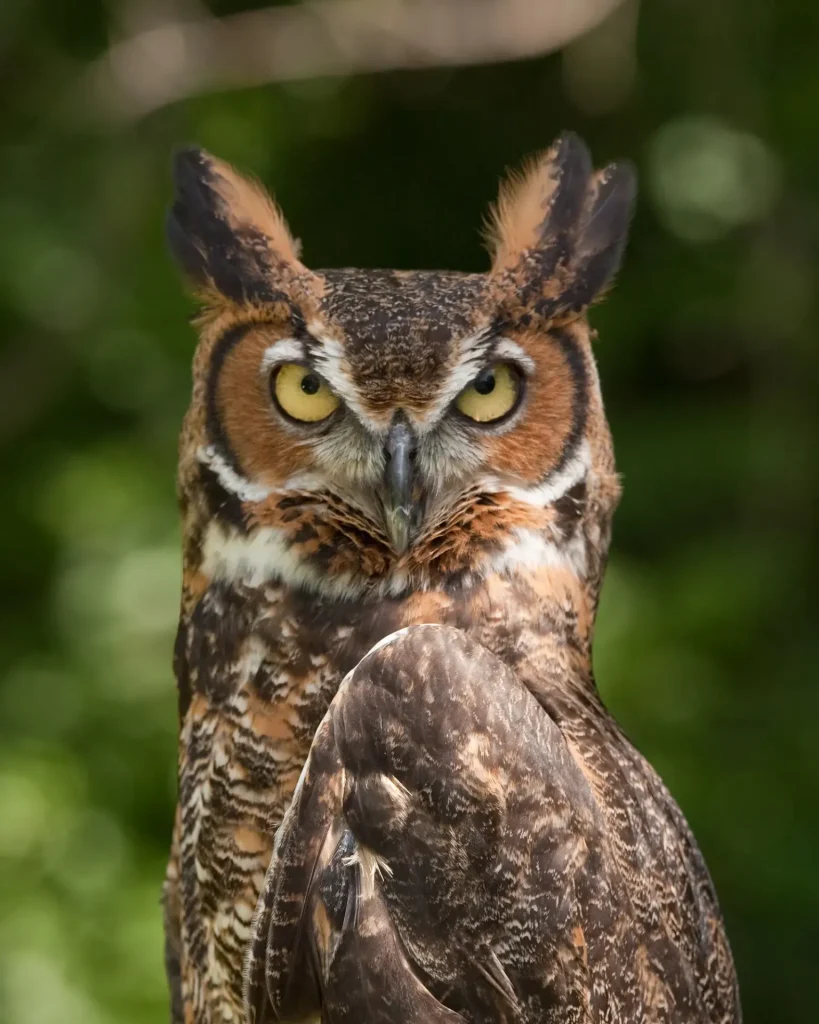
Photo: Greg Hume / CC BY-SA 3.0 (Wikimedia Commons)
Bird Common Sightings: Rare—nocturnal and perfectly camouflaged. Many visitors hear the distinctive call without ever seeing the bird. Not dangerous — still wild
What an incredible hunter! The great horned owl is a master of Capitol Reef's night skies, and here's the beaut—they're one of the earliest nesters in North America, laying eggs when other raptors haven't even woken up! These silent predators hunt after dark, listening intently for small mammals beneath the stars.
📏 Keep your distance: 25 yards minimum (per Capitol Reef wildlife guidelines)
Stay safe
Maintain 25-yard distance from roosting or nesting birds. Never approach active nests or chicks. If you encounter one during night activities, observe quietly and allow it to fly away undisturbed. Avoid shining bright lights directly at roosting birds, which causes stress and temporary blindness.
If you encounter one
Unlikely but possible during evening hikes or night programs. If you encounter one: stop moving, observe quietly from at least 25 yards, and allow the bird to depart naturally. Do not use flashlights or call recordings to attract it. Back away slowly if the bird appears stressed.
Never feed or approach wildlife — it's dangerous for you and often fatal for them.
🦊 Species ID card
- Size & weight
- Large owl, among North America's most formidable nocturnal raptors
- Identifying features
- Large owl with distinctive tufted ear-like feathers on head (not true horns), piercing yellow eyes, barred brown and gray plumage, and a facial disc. Dark overall with complex patterning. Noticeably larger than most other owls.
- Habitat
- Woodland, canyon, and rocky terrain throughout Capitol Reef National Park. They roost in dense vegetation, cliff faces, and mature trees, preferring areas near water sources where small mammal prey is abundant.
- Diet
- Small mammals including rabbits, hares, rats, mice, voles, and squirrels; also hunts larger mammals, birds, reptiles, amphibians, and insects. Capitol Reef's diverse prey populations support these apex nocturnal predators.
- Active
- Nocturnal—strictly night hunters. Completely inactive during daylight; rest in hidden roosts among vegetation or on cliff ledges.
👀 Where & when to see them in Capitol Reef National Park
Where to look
Cathedral Valley, upper canyon woodlands, and rocky terrain throughout Capitol Reef; typically found near dense vegetation and water sources where small mammals congregate. Sightings are rare and unpredictable.
Best time
Dusk through dawn; most active after sunset and before sunrise. Pre-dawn hours (3–6 a.m.) often feature peak calling activity. Nocturnal, so daytime visitors rarely encounter them.
Spotting tips
- Listen carefully for the deep "hoo-hoo-hoo" hooting call—it carries far in calm evening air
- Scan treetops and canyon walls where they often perch at dusk
- Look for silhouettes against the twilight sky
- Early morning (3–6 a.m.) often produces the most calling activity
- Walk slowly through canyon country at first and last light
- Bring a red filter for any lights to preserve night vision and minimize stress to roosting birds
Accessibility
Limited—these owls are extremely elusive and nocturnal. Not visible during typical daytime visitor activities. Best accessed through ranger-led night hikes, evening interpretive programs, or independent early morning/dusk exploration of canyon trails. Requires active listening and patience.
With kids
Great owls are safe for families to learn about and discuss. Children should understand that encounters are extremely rare and that they must never approach if one is spotted. Ranger-led owl-call listening programs and interpretive evening hikes offer family-friendly ways to explore Capitol Reef's nocturnal world.
📷 Photographing them
Best vantage points
Canyon rim overlooks in Cathedral Valley, trailheads through wooded canyon country, and areas near Scenic Drive stops. Requires telephoto lens (200mm minimum) used from safe 25-yard distance. Night photography is challenging but possible with proper equipment and red-light filtering.
Bring
Quality binoculars (10×42 or better recommended), telephoto lens (200–500mm for photography), sturdy tripod, red-filtered flashlight or headlamp (minimizes disturbance), notebook for call documentation, audio recorder (optional, for recording calls).
Shoot ethically
Never use call recordings or bright lights to attract birds—this causes stress and habituation. Maintain 25-yard minimum distance at all times. Avoid photographing nesting sites or chicks during breeding season (January–April). Stay on established trails. Respect seasonal closures. The owl's welfare and natural behavior always take priority over the photograph.
🔭 Gear that helps you spot them
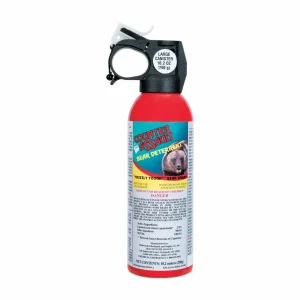
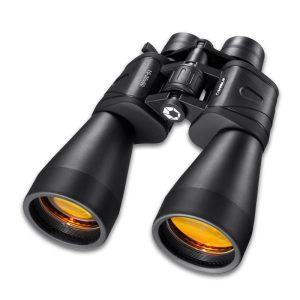
🌲 Natural history
- Breeding season
- January through April—unusually early for North American raptors. They lay eggs when most other birds are just beginning courtship, giving chicks a significant head start on summer hunting.
- Migration
- Mostly resident; generally year-round in Capitol Reef area, though some populations may shift seasonally in response to prey availability.
- Winter
- Does not hibernate. Remains active year-round, hunting throughout winter when prey is more visible and vulnerable.
🌍 Conservation
Threats
Habitat loss and fragmentation from development; vehicle strikes in roadside areas; rodent population changes from pesticide and rodenticide use, which reduces prey availability and can cause secondary poisoning through consumption of contaminated prey.
Protection efforts
Capitol Reef enforces wildlife protection regulations, maintains habitat connectivity, and partners with conservation groups on raptor monitoring. Seasonal backcountry restrictions during peak breeding season (January–April) protect nesting birds and early chicks.
How visitors help
Respect all closure signs, stay on designated trails during breeding season, maintain safe 25-yard viewing distance, report sightings and disturbances to rangers, avoid using bright artificial light at night, and never attempt to bait or trap wildlife. Participate in ranger-led programs to learn about their role in the ecosystem.
Report sightings
Report sightings to Capitol Reef National Park ranger station or visitor center (phone: 435-425-3791). Include date, time, location, behavior observed, and any identifying details. Your observations help park staff understand owl activity and habitat use.
❓ Questions people ask
Will a great horned owl attack me?
No. These owls naturally avoid humans and are elusive by nature. Attacks are virtually unheard of, and you're unlikely to encounter one during normal park activities—they're perfectly adapted to staying hidden.
What do they eat?
Primarily small mammals—rabbits, hares, rats, mice, and voles. They also hunt larger mammals, birds, reptiles, and insects. Capitol Reef's diverse prey populations are ideal hunting grounds for these predators.
Why are they called 'horned' owls?
The feathered tufts on their heads resemble horns or ear pinnae, though they're not true horns—just specialized feathers! The 'horns' are purely decorative and have no hearing function.
Can I hear them?
Yes! Listen for their distinctive deep hooting call—a series of 'hoo-hoo-hoo' sounds—especially at dusk and dawn. It's one of the most recognizable owl calls in North America and carries impressively far on quiet evenings.
When do they nest?
January through April—unusually early for raptors! They lay eggs when most other hawks and eagles haven't even begun courtship. This gives their chicks a significant head start on summer hunting and fledging.
How often do people actually see them?
Rarely. They're perfectly camouflaged, strictly nocturnal, and naturally avoid humans. Many visitors hear their distinctive calls without ever laying eyes on one—that's still a successful Capitol Reef encounter!
Are great horned owls endangered?
Not at all—they're common and widely distributed across the Americas. They're one of our most successful raptor species, which is wonderful news for North America's ecosystems and a testament to their remarkable adaptability.


