
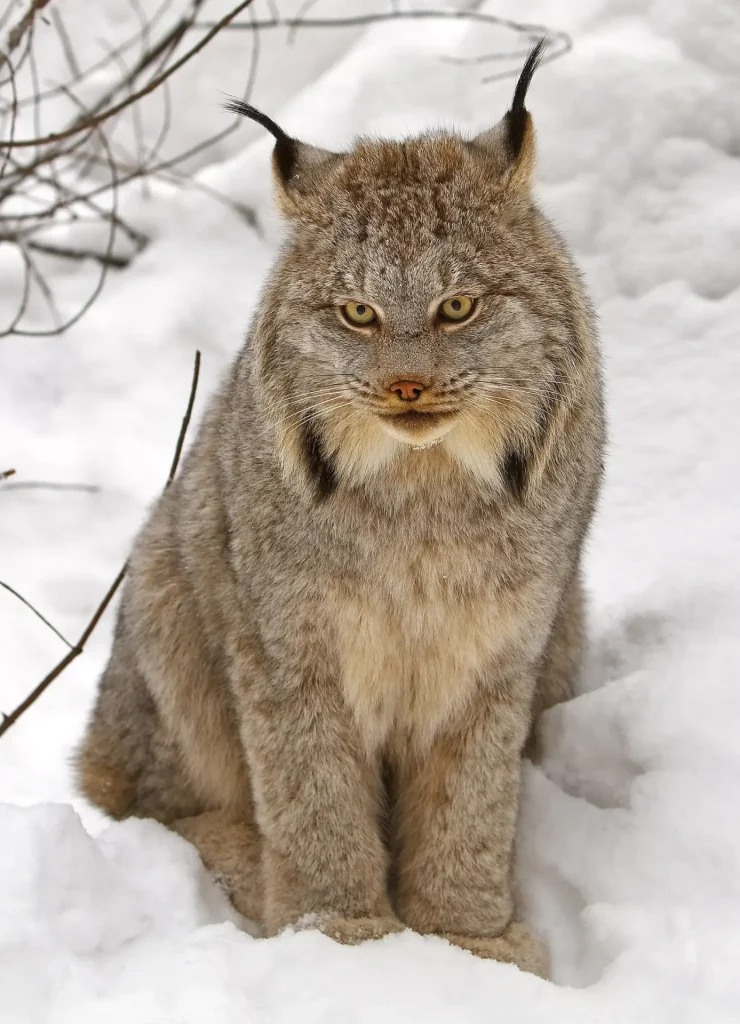
Photo: Michael Zahra / CC BY-SA 3.0 (Wikimedia Commons)
Mammal Least Concern Sightings: Ghost Not dangerous — still wild
The Canada lynx is a masterpiece of predatory design—massive paws work like snowshoes, tufted ears catch every sound, and their eyes hunt in near darkness. Sightings in Capitol Reef are extraordinarily rare. Spotting one is a privilege that reminds us wild places still hold real mystery.
📏 Keep your distance: 25 yards minimum (other wildlife standard). Lynx will typically flee before you come close.
Stay safe
Keep 25+ yards distance. Do not approach. Make noise on trails. Never feed. If you encounter one, back away slowly and allow it to retreat.
If you encounter one
Back away slowly and deliberately. Do not approach or attempt close photography. Speak calmly. The lynx will flee on its own. Never block its retreat route.
Never feed or approach wildlife — it's dangerous for you and often fatal for them.
🦊 Species ID card
- Size & weight
- 48-56 cm (19-22 in) tall at shoulder; weighs 5-17 kg (11-37 lbs)
- Identifying features
- Distinctive long, dense fur (grayish-brown). Black tufts at ear tips. Broad, oversized paws adapted like snowshoes. Hindlimbs longer than forelimbs, creating a downward slope toward the front.
- Habitat
- Remote, forested highland areas with dense cover and healthy small-mammal prey populations. Cathedral Valley and higher elevation canyons offer the best potential habitat.
- Diet
- Specializes in snowshoe hares; also takes small mammals and rodents. Ambush hunter that waits on trails for prey.
- Active
- Nocturnal and crepuscular (active at dusk and dawn). Hunts while most visitors sleep.
👀 Where & when to see them in Capitol Reef National Park
Where to look
Remote, higher-elevation canyon areas including Cathedral Valley. Lynx prefer undisturbed forested habitat; sightings are exceptionally rare park-wide.
Best time
Dusk and dawn. Most active around twilight and night hours.
Spotting tips
- Scan treelines and canyon edges systematically
- Move quietly and slowly
- Hunt at dawn/dusk when lynx are most active
- Winter snow increases visibility of tracks and movement
- Join a ranger-led program for better odds
Accessibility
Extremely difficult from vehicle. Requires backcountry hiking at dawn/dusk in remote areas. Most visitors will not see one.
With kids
Safe for all ages; no physical threat to humans. Sightings ultra-rare, so set realistic expectations. Great educational opportunity to learn about apex predators and elusive wildlife.
📷 Photographing them
Best vantage points
Cathedral Valley and higher-elevation canyon areas at dawn/dusk. Maintain 25-yard distance minimum and use telephoto lens only.
Bring
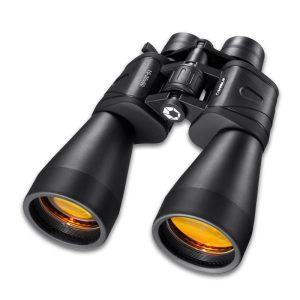
Binoculars (essential). Telephoto lens 200mm or longer for distant viewing. Headlamp or flashlight for dawn/dusk. Field guide for tracking identification.
Shoot ethically
Observe from 25+ yards minimum. Do not use flash or make sudden noises. Never bait, habituate, or block the animal's retreat. Do not approach dens or known rest areas.
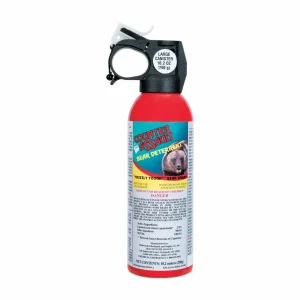
🔭 Gear that helps you spot them
🌲 Natural history
- Breeding season
- March through early April. Gestation 2-3 months; females give birth to 1-8 kittens, weaned at 12 weeks.
- Migration
- Follows snowshoe hare populations; moves to new areas if prey becomes scarce.
- Winter
- Active year-round; no hibernation. Hunting intensity may increase in winter when prey is more visible against snow.
🌍 Conservation
Threats
Habitat loss in southern ranges due to forest fragmentation and logging. Snowshoe hare population cycles directly affect lynx survival and reproduction.
Protection efforts
Listed as species of concern in southern regions of its range. Protected under Utah state law. Ongoing population monitoring by NPS and state wildlife agencies.
How visitors help
Report sightings immediately to help researchers track population trends. Maintain distance and never feed. Leave no trace. Support habitat protection efforts.
Report sightings
Contact Capitol Reef Visitor Center immediately at 435-425-3791. Provide exact location, time of sighting, and detailed description. Your report helps researchers monitor the population.
❓ Questions people ask
Will I see a lynx in Capitol Reef?
Sightings are extremely rare. Lynx are elusive, nocturnal hunters. You're more likely to see their tracks in snow than the cat itself.
Are lynx dangerous to humans?
No. Lynx are shy and avoid people. They will flee if encountered. There's no documented history of attacks on humans.
What do Canada lynx eat?
Primarily snowshoe hares, but also small mammals and rodents. They're ambush hunters, waiting on trails for prey to pass.
When is the best time to see a lynx?
Dawn and dusk year-round; winter offers better chances when snow makes movement and tracks more visible.
Why are they called 'ghost cats'?
Lynx are incredibly elusive and rarely seen. They're active mainly at night and prefer remote, undisturbed areas.
Can I feed a lynx if I see one?
Never. It's illegal and dangerous. Never feed any wildlife. Unsecured food brings wildlife close to humans and creates conflict.
How do I report a lynx sighting?
Contact Capitol Reef Visitor Center immediately at 435-425-3791 with location, time, and details. Your sighting helps researchers track the population.


