
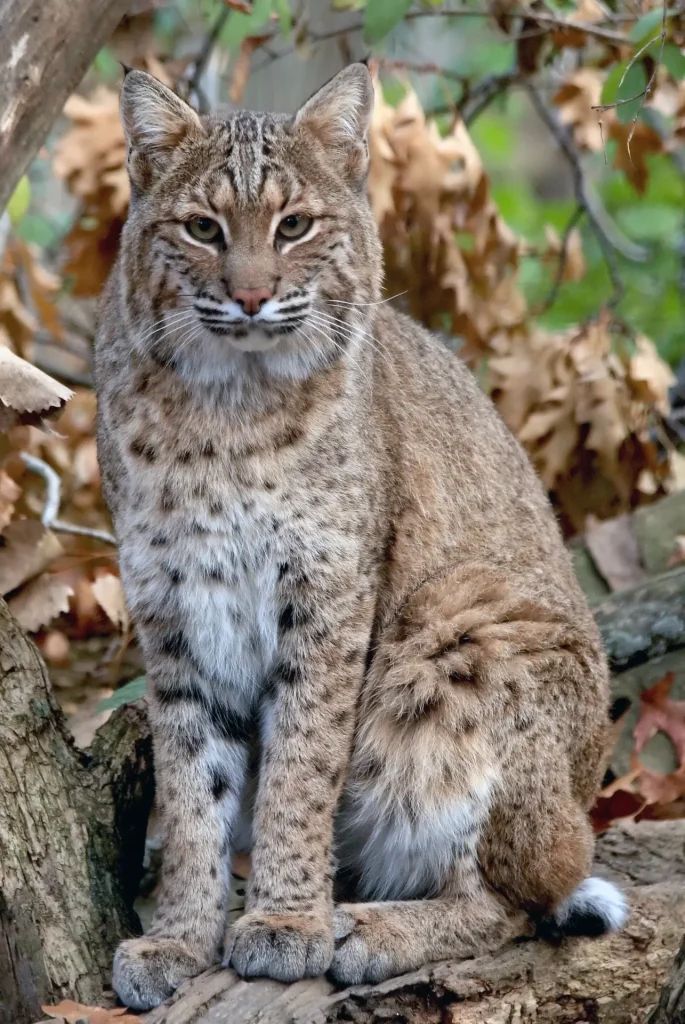
Photo: Becker1999 (Paul and Cathy) / CC BY 2.0 (Wikimedia Commons)
Mammal Least Concern Sightings: Rare. Nocturnal, solitary, and cryptic. Most visitors will never see a living bobcat despite their presence throughout the park. Not dangerous — still wild
The bobcat is Capitol Reef's master of stealth—a compact predator with black-barred forelegs and distinctive tufted ears. Nocturnal and brilliantly solitary, they patrol the park's rocky terrain and semidesert brush hunting rabbits and hares with incredible precision. You're unlikely to see one, but their tracks and skill are everywhere!
📏 Keep your distance: 25 yards (per Capitol Reef National Park safety guidelines).
Stay safe
Maintain 25-yard distance; never approach. Make noise to avoid surprising one. Don't corner or approach young. Back away calmly if encountered. Bobcats are shy and will flee.
If you encounter one
Back away slowly while facing the animal. Speak calmly and quietly. Do not run or turn your back. Give it a clear escape route. Attacks are exceptionally rare, but respect the animal's space.
Never feed or approach wildlife — it's dangerous for you and often fatal for them.
🦊 Species ID card
- Size & weight
- 10–30 lbs depending on sex; up to 50 inches (125 cm) total length including tail.
- Identifying features
- Distinctive black bars on the forelegs; short, black-tipped tail (the 'bob' that gives the species its name); tufted ears; stocky, muscular build; rusty-brown to gray coat with darker spots.
- Habitat
- Semidesert scrub, rocky canyons, forest edges, and brush-covered terrain. Highly adaptable but prefer areas with adequate rabbit populations and rock cover for hunting and den sites.
- Diet
- Primarily rabbits and hares, which are abundant at Capitol Reef. Also hunts small rodents, insects, birds (including geese and chickens where available), and occasionally young deer. Prey selection depends on season and habitat.
- Active
- Nocturnal and crepuscular (primarily night and dawn/dusk). Active year-round.
👀 Where & when to see them in Capitol Reef National Park
Where to look
Throughout Capitol Reef in semidesert, rocky terrain, and brush areas—particularly near canyons, washes, and forest edges where rabbit populations thrive.
Best time
Dusk and dawn (crepuscular); mostly night (nocturnal). Daytime sightings are virtually impossible.
Spotting tips
- Scan rocky slopes and canyon rims with binoculars at dawn and dusk
- Listen for territorial calls during breeding season (winter–spring); sounds include chattering, yowling, and growling
- Look for paw prints and scat in sand and mud along washes and near water sources
- Position yourself near Scenic Drive stops 7–11 for elevated vantage points at dusk
- Early risers and dusk observers have the advantage
Accessibility
Rarely visible from vehicles due to nocturnal habits. Sightings from the Scenic Drive are possible at dawn/dusk but extremely uncommon. You're more likely to find tracks and scat than to see a living bobcat.
With kids
Bobcats pose minimal threat to families. Keep children close and teach them to appreciate wildlife from a distance. This is an excellent opportunity to teach kids about predators and ecological roles. Perfectly safe if distance is maintained.
📷 Photographing them
Best vantage points
Cathedral Valley, rock outcrops, and elevated Scenic Drive vantage points at dusk and dawn. Photograph from a safe distance with telephoto lens, preferably from your vehicle or a stable, elevated position.
Bring
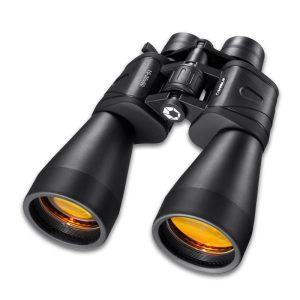
Binoculars (essential for scanning terrain); telephoto lens (200mm or longer for safe photography); headlamp or red-spectrum flashlight for early morning or evening spotting; field guide for tracking and sign identification.
Shoot ethically
Never bait or use calls to lure animals. Don't block roads or disturb habitat. Maintain 25-yard minimum distance. If using light for night viewing, use red-spectrum light to minimize disturbance. Respect breeding season—keep extra distance during winter–spring.
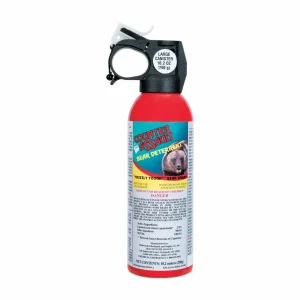
🔭 Gear that helps you spot them
🌲 Natural history
- Breeding season
- Winter through spring; gestation approximately two months. Listen for vocalizations and watch for territorial sign during this period.
- Migration
- Non-migratory. Territorial year-round with established home ranges. Movements are localized within their defined territory.
- Winter
- Does not hibernate; active throughout winter, hunting year-round.
🌍 Conservation
Threats
Habitat loss and fragmentation in some regions; predation by coyotes and domestic dogs; legacy of hunting (now stable but historically heavy). Climate-driven shifts in prey availability in some areas.
Protection efforts
Capitol Reef protects bobcat habitat through wilderness and backcountry designation. Park boundaries restrict hunting and development, supporting stable territorial populations.
How visitors help
Stay on marked trails to minimize habitat disturbance. Maintain distance and never approach. Keep food and trash secure to prevent attracting prey species and domestic animals that compete with bobcats. Drive carefully, especially at dawn/dusk.
Report sightings
Contact Capitol Reef Visitor Center at 435-425-3791 or speak with a ranger. Record date, time, location, and behavior observed.
❓ Questions people ask
Will a bobcat attack me?
Extremely unlikely. Bobcats are shy and actively avoid humans. Attacks are exceptionally rare. Maintain 25 yards distance and you're perfectly safe.
How do I tell a bobcat from a large house cat?
Bobcats are stocky and muscular, 10–30 lbs, with distinctive black bars on their forelegs and tufted ears. Their short, black-tipped tail is the giveaway—it looks 'bobbed' at the end. House cats have long tails.
What do bobcats eat?
Primarily rabbits and hares, which are abundant at Capitol Reef. They also hunt small rodents, insects, birds, and occasionally young deer. Prey depends on season and availability.
Are bobcats endangered?
No. Bobcats are listed as Least Concern with wide distribution and stable populations throughout North America, though some regions show declines.
What sounds do bobcats make?
Bobcats vocalize during breeding season (winter–spring), making chattering, yowling, and growling sounds. Otherwise they're quiet hunters. Otherwise they're quiet, solitary hunters.
Can I photograph a bobcat?
Yes, but bring a telephoto lens and patience. Photograph from your car or at distance to avoid disturbing the animal. Never approach closer than 25 yards.


