
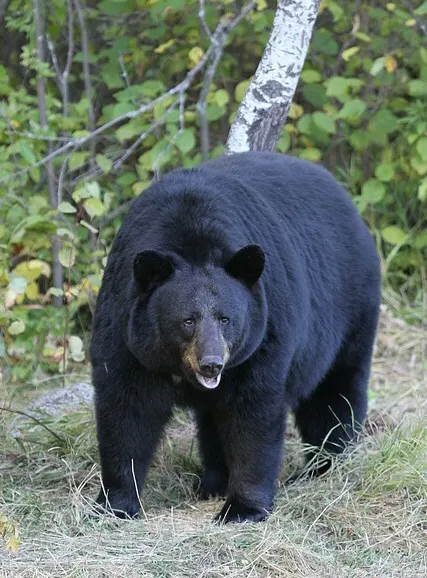
Photo: Diginatur / CC BY-SA 3.0 (Wikimedia Commons)
Mammal Least-Concern; stable populations Sightings: Uncommon; bears are naturally shy and avoid populated areas despite their presence in the park ⚠ Give it space
Absolute unit! American black bears are North America's most widespread bear species—and they roam Capitol Reef's forested areas. Omnivorous foragers by nature, these wild predators are unpredictable when surprised. Keep 100 yards back, respect their space, and never feed them. Attacks are rare, but a surprised bear is dangerous.
📏 Keep your distance: 100 yards minimum—maintain this distance for safety and to avoid stressing the animal
Stay safe
Make noise while hiking to avoid surprising a bear. Never run or turn your back if encountered. Store all food and scented items in vehicle trunks or bear-proof containers. If you see a bear, immediately increase distance to at least 100 yards and back away slowly without turning around.
If you encounter one
Back away slowly immediately upon sighting. Speak in calm, steady tones—do not shout or make sudden movements. Keep at least 100 yards distance. If the bear approaches, hold your ground and continue backing away. Never corner a bear or attempt close-range photography.
Never feed or approach wildlife — it's dangerous for you and often fatal for them.
🦊 Species ID card
- Size & weight
- Medium-sized carnivore, typically 150-300 lbs depending on sex and season
- Identifying features
- Black fur (occasionally brown or cinnamon), medium-sized body, lack the prominent shoulder hump characteristic of grizzly bears, rounded ears
- Habitat
- Forested and brushy areas; canyon bottoms where water and food sources are available. Bears move seasonally across their home range in search of seasonal food availability.
- Diet
- Omnivorous. Diet varies seasonally with available food sources: berries and nuts in late summer and fall; insects, carrion, and vegetation in spring and early summer.
- Active
- Crepuscular; most active during dawn and dusk hours when foraging. Activity levels increase significantly during peak food seasons.
👀 Where & when to see them in Capitol Reef National Park
Where to look
Forested and brushy areas of the park; canyon bottoms near water sources where food is available
Best time
Dawn and dusk hours when bears forage actively; early morning typically offers best visibility
Spotting tips
- Scan tree lines and brush areas carefully, especially near water sources and food-rich zones
- Dawn and dusk hours are when bears forage most actively
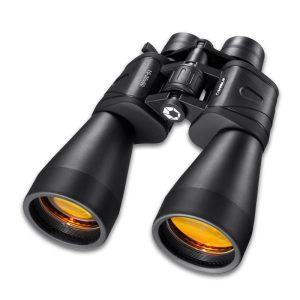
- Use binoculars to search distant areas before hiking into them
- Stay in your vehicle whenever possible to maintain safety and distance
- Listen carefully for sounds of movement or feeding in nearby brush
Accessibility
Potentially visible from vehicles if encountered on main roads, though bears typically avoid high-traffic areas and populated zones
With kids
Keep children close and within visual range in bear country, especially at dawn and dusk. Never permit children to approach or feed bears. Teach kids to alert adults to any wildlife sightings. Maintain children within arm's reach in undeveloped areas.
📷 Photographing them
Best vantage points
From a safe distance of at least 100 yards using a telephoto lens (200mm or longer). Never approach to get closer shots.
Bring
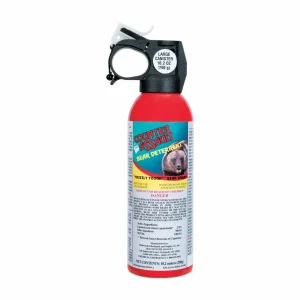
Binoculars for distance observation, telephoto lens (200mm+) for photography, bear spray (recommended for backcountry travel), headlamp for dawn/dusk viewing
Shoot ethically
Maintain 100-yard minimum distance at all times. Never bait or lure bears. Do not block roads or impede other visitors. Never approach, even if the bear appears calm or unaware.
🔭 Gear that helps you spot them
🌲 Natural history
- Breeding season
- June-July; males actively seek mates during this period, sometimes ranging more widely than usual
- Migration
- Home range movements increase seasonally in search of food; concentrated in spring when emerging from hibernation and fall during pre-hibernation feeding
- Winter
- Enters hibernation in late fall (typically November) and emerges in spring (March-April) when food becomes available. Duration and timing vary based on food availability and weather conditions.
🌍 Conservation
Threats
Climate change affecting seasonal food availability and hibernation patterns. Habitat loss in some regions. However, American black bears remain the most widespread and abundant bear species in North America.
How visitors help
Secure all food in vehicle trunks and bear-proof containers. Keep camps clean and trash-free. Never intentionally approach or feed bears—it makes them hazardous to other visitors and is illegal. Make noise on trails to avoid startling bears.
Report sightings
Contact Capitol Reef Visitor Center at 435-425-3791 or report to any ranger stationed in the park. Provide location, time, and bear behavior details.
❓ Questions people ask
Will a black bear attack me?
Attacks are rare. Bears are naturally shy and prefer to avoid humans. Most incidents occur when bears are surprised, protecting cubs, or guarding food. Maintaining 100 yards distance and backing away if you see one greatly reduces any risk.
What should I do if I encounter a bear?
Back away slowly while maintaining at least 100 yards distance. Speak in calm, low tones. Do not run or make sudden movements. Let the bear have an escape route. Continue backing away until you've exited the area.
Can I feed the bear?
No—never. Feeding bears is illegal and makes them dangerous to other visitors. It teaches bears to approach humans, leading to destruction of the bear and risk to people. Store all food securely in your vehicle.
When are black bears most active in Capitol Reef?
Spring through fall when hibernation is over and food is available. They're most active during dawn and dusk hours. Winter hibernation reduces activity significantly.
How far away must I stay?
At least 100 yards—roughly the length of a football field. This is the legal requirement in Capitol Reef and protects both your safety and the bear's well-being.
Are black bears common in Capitol Reef?
They are present in the park but typically avoid populated areas and trails. Sightings are uncommon because bears naturally shy away from human contact.
What do black bears eat?
They're omnivores with seasonal diets. Berries and nuts in fall, insects and vegetation in spring. They'll also eat carrion and unfortunately human food if accessible—always secure yours.


