
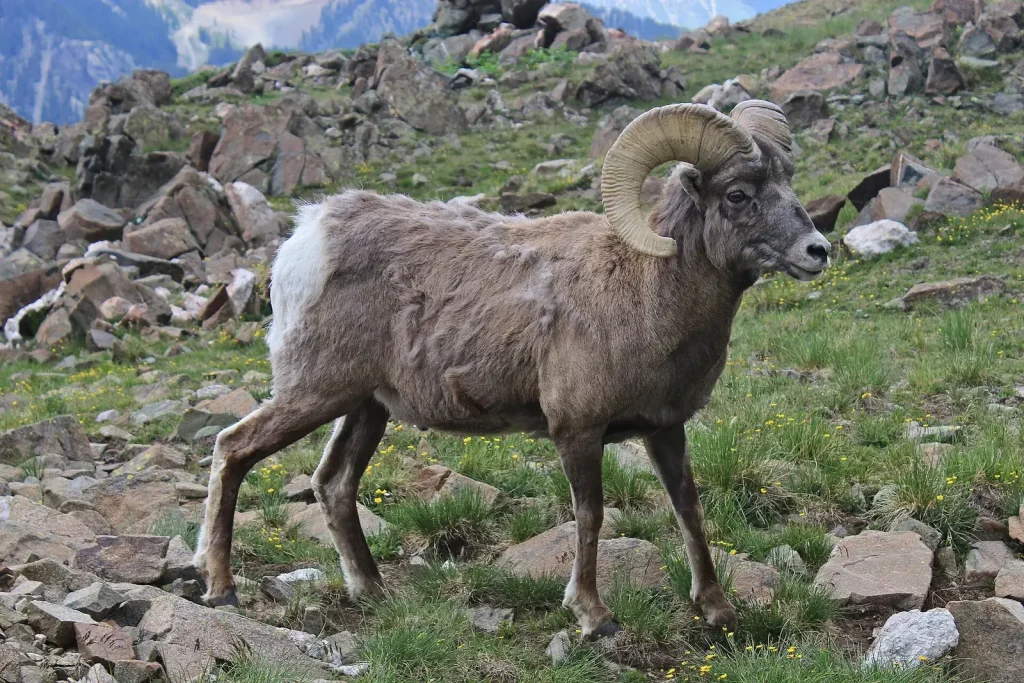
Photo: Jwanamaker / CC BY-SA 3.0 (Wikimedia Commons)
Mammal Recovered Sightings: Occasional; sightings increase in spring and early summer when sheep are more active in accessible terrain Not dangerous — still wild
Bighorn sheep are named for their massive curved horns, which can weigh 30 pounds. These stocky herbivores navigate steep rocky slopes with remarkable agility, inhabiting some of Capitol Reef's most dramatic terrain. Their presence here represents a conservation success story from near-extinction.
📏 Keep your distance: 25 yards minimum
Stay safe
Keep a minimum 25-yard distance at all times. Do not block their escape routes. Never approach or attempt to feed. During rutting season (fall-winter), give additional space if rams show interest in your presence.
If you encounter one
Remain still and quiet, allowing sheep to move away naturally. Back away slowly if they show curiosity. Never block their path to higher ground or rocky refuge.
Never feed or approach wildlife — it's dangerous for you and often fatal for them.
🦊 Species ID card
- Size & weight
- Up to 315 pounds; their curved horns alone can weigh 30 pounds
- Identifying features
- Stocky, muscular build; large curved horns (especially in rams); tan to brown coloring; distinctive light-colored rump patch visible from a distance
- Habitat
- Steep rocky slopes and cliff faces at various elevations. Sheep favor areas with rock outcrops offering protection and vegetation patches for grazing. Alpine and high-desert terrain suits their agile cliff-dwelling lifestyle.
- Diet
- Grasses, shrubs, and vegetation on steep terrain; herbivorous
- Active
- Diurnal, most active during cool hours at dawn and dusk
👀 Where & when to see them in Capitol Reef National Park
Where to look
Steep rocky slopes throughout the park, particularly visible from Capitol Reef's Scenic Drive. Cathedral Valley and areas around Capitol Dome are frequent habitat. Cliff faces and rock outcrops overlooking main park roadways offer the best chances.
Best time
Dawn and dusk when sheep are actively grazing and moving
Spotting tips
- Position yourself at scenic overlooks first and scan with binoculars before attempting closer approaches
- Use early morning light to silhouette sheep against darker canyon walls
- Patient waiting on canyon rims often yields sightings better than active searching
- Photograph in soft morning light before midday haze reduces visibility
- Return to the same location at different times to increase encounter odds
Accessibility
Yes, bighorn sheep can often be spotted from vehicles along the Scenic Drive, particularly from designated overlooks and canyon rim viewpoints
With kids
Exciting viewing opportunity for all ages. Teach children the 25-yard rule before entering sheep habitat—use the length of a school bus as a concrete reference. Binoculars help young observers spot sheep without requiring dangerous approach.
📷 Photographing them
Best vantage points
Scenic Drive overlooks, particularly areas with clear sightlines to steep cliff faces. Cathedral Valley road and elevated viewpoints above main park roadways.
Bring
Binoculars essential; telephoto lens (200mm or longer) highly recommended for close-up photography while maintaining safe 25-yard distance
Shoot ethically
Maintain the 25-yard minimum distance at all times. Never approach to disrupt normal behavior. Move slowly and speak quietly. Never block or corner sheep against cliffs.
🔭 Gear that helps you spot them
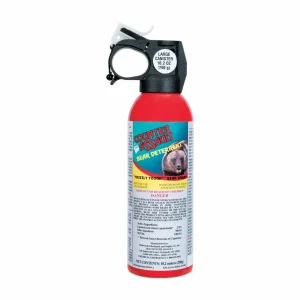
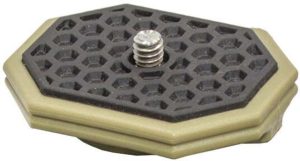
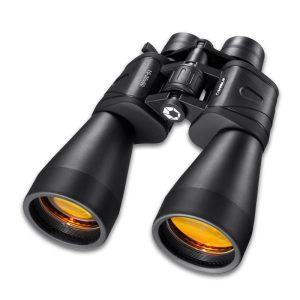
🌲 Natural history
- Breeding season
- Fall and winter, typically September through December, when rams are most aggressive
- Migration
- Limited seasonal movement following vegetation and water availability; generally remain within established terrain ranges
- Winter
- No hibernation; active year-round but may move to lower elevations during extreme winter conditions
🌍 Conservation
Threats
Historic disease epidemics spread through European livestock and overhunting nearly drove the species to extinction by 1900. Current threats include habitat fragmentation and climate-driven changes to vegetation availability on steep slopes.
Protection efforts
Capitol Reef protects core bighorn habitat within park boundaries. The park enforces wildlife viewing regulations and monitors population health through ranger observation and voluntary visitor reports.
How visitors help
Respect the 25-yard viewing distance. Never feed or attempt to touch sheep. Report unusual behavior or injured animals to rangers. Stay on designated trails to minimize habitat disturbance.
Report sightings
Report significant sightings or injured animals to any ranger station in the park. Contact Capitol Reef Visitor Center at 435-425-3791.
❓ Questions people ask
Will bighorn sheep attack me?
Bighorn sheep are naturally shy and avoid humans. They may become defensive if approached during breeding season (fall-winter) or separated from young. Maintain 25 yards and they'll move away naturally.
Why do rams have such big horns?
Male bighorn sheep use their massive horns—weighing up to 30 pounds—for establishing dominance during rutting season. Horn size indicates age and social status within the herd.
Can I feed bighorn sheep?
Never feed wild bighorn sheep. Human food disrupts their natural diet and causes dangerous habituation. Accustomed sheep may approach vehicles or people, creating safety hazards.
What's that light-colored patch on their rear?
The white rump patch is an identifying feature visible from a distance. Sheep use it to signal alarm to the herd—when one raises its tail, the white patch flashes as a warning to other sheep.
When are bighorn sheep most active?
Most active at dawn and dusk when temperatures are cool. Midday sees them resting in shaded areas or on steep slopes. Early morning trips offer the best chance of spotting them.
How did bighorn sheep nearly go extinct?
Disease spread through European livestock and uncontrolled hunting reduced populations from millions to only a few thousand by 1900. Recovery programs and park protection have brought them back to stable numbers in places like Capitol Reef.


