
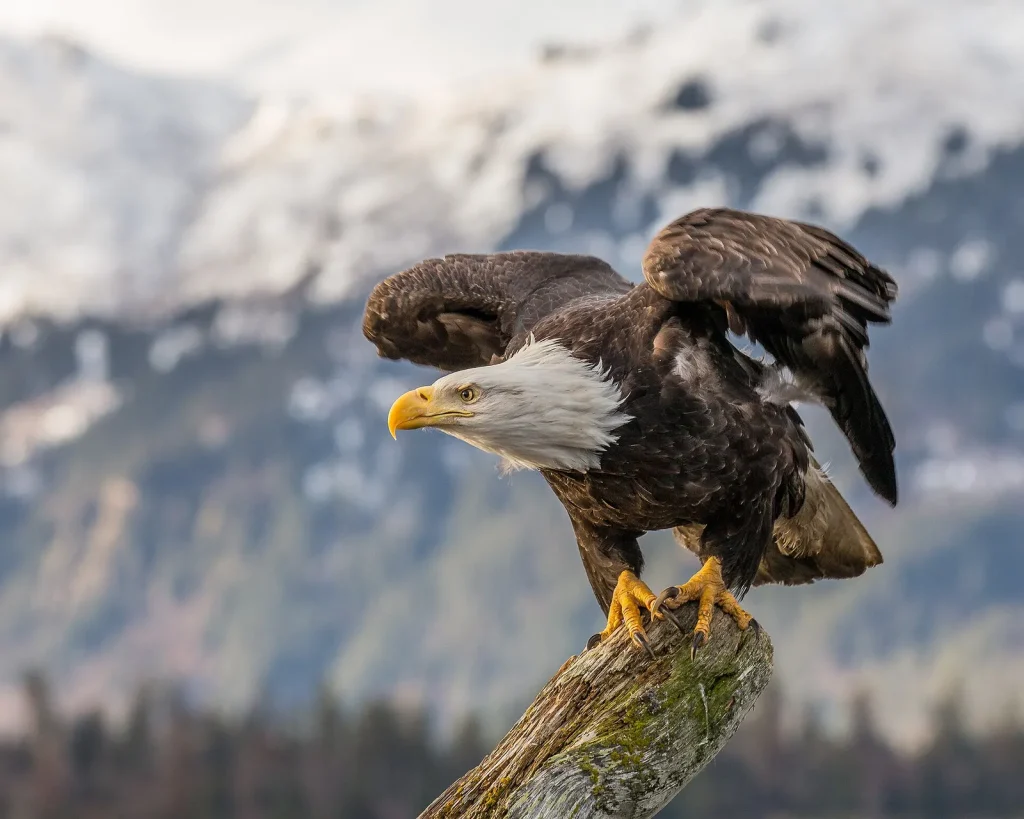
Photo: Andy Morffew from Itchen Abbas, Hampshire, UK / CC BY 2.0 (Wikimedia Commons)
Bird Recovered Sightings: Uncommon. Capitol Reef's desert habitat and sparse water limit eagle presence compared to coastal and mountain parks. Not dangerous — still wild
The bald eagle is North America's ultimate recovery story—once hunted to the brink of extinction, now soaring strong across the continent! These absolute units with 7-foot wingspans and piercing yellow eyes are built to snatch fish from the water in a single explosive strike. Capitol Reef's sparse water sources mean eagle sightings are a genuine prize, not a casual drive-by.
📏 Keep your distance: 25 yards minimum. Non-negotiable. Use binoculars or telephoto lens.
Stay safe
Maintain 25-yard minimum distance. Observe from vehicle when possible. Never attempt to feed, touch, or chase. Move slowly and avoid sudden noises. Never try to get "that perfect photo"—it's not worth the stress to the bird.
If you encounter one
Stop and observe quietly from distance. Use binoculars for close viewing. Move slowly away if you accidentally get closer. Allow the bird to dictate the interaction—its comfort matters more than your photo.
Never feed or approach wildlife — it's dangerous for you and often fatal for them.
🦊 Species ID card
- Size & weight
- Females: up to 15 lbs, 7.5-foot wingspan. Males: up to 12 lbs, 6-foot wingspan. Built for power.
- Identifying features
- White head and tail (adults only). Dark brown body. Yellow hooked beak and talons. Immatures are all brown—easy to confuse with other raptors. Females noticeably larger than males.
- Habitat
- Open areas near large bodies of water with mature trees for nesting. Capitol Reef provides limited suitable habitat—mostly ephemeral streams, potholes, and occasional permanent water sources.
- Diet
- Fish, primarily. Caught by swooping down and snatching from water with talons. Opportunistic feeders; occasionally take waterfowl or scavenge carrion.
- Active
- Diurnal
👀 Where & when to see them in Capitol Reef National Park
Where to look
Near permanent water features and open areas. Capitol Reef's limited water sources (ephemeral streams, potholes) concentrate viewing opportunities. Fremont River drainage areas and Cathedral Valley sections with water access.
Best time
Dawn (first 2 hours after sunrise) and dusk (last 2 hours before sunset). Active during daytime hunting hours, especially when water is calm.
Spotting tips
- Scan treelines overlooking water—eagles perch between hunts
- Focus on early morning when fish rise to feed
- Don't stare at one spot—scan slowly with binoculars
- A dark silhouette in a tall tree might be your eagle
- Listen for their distinctive high-pitched chirping call (surprise—not a screech!)
- Patience beats speed; sit quietly and let them come into view
Accessibility
Yes, visible from vehicle and scenic pullouts near water features. Wheelchair accessibility depends on pullout infrastructure—contact visitor center for specific locations.
With kids
Safe for all ages when 25-yard distance is respected. Excellent binocular training for children. Teach kids to observe quietly; running or loud voices stress the bird. Turn sighting into a species ID lesson—explain white head means adult, brown means immature.
📷 Photographing them
Best vantage points
Any spot offering 25+ yards clear distance with water views. Vehicle pullouts along Capitol Reef Scenic Drive near stream crossings. Early morning light best for white head/dark body contrast.
Bring
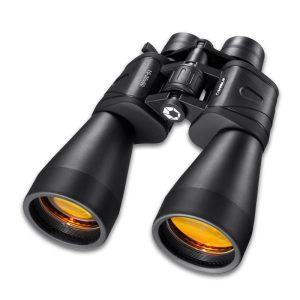
Binoculars essential (8x42 or 10x42 recommended). Telephoto lens 600mm+ for photography. Spotting scope for fixed location viewing. Notebook for sighting notes.
Shoot ethically
Never bait or approach. Photograph only from vehicle or established pullouts. Allow birds to behave naturally. Never block roads or create traffic hazards for eagle viewing. Walk away if the bird shows signs of stress (flying away, alarm calls).
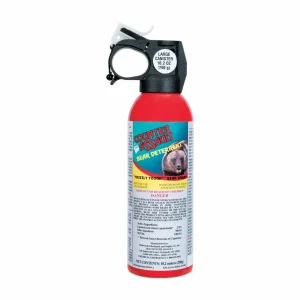
🔭 Gear that helps you spot them
🌲 Natural history
- Breeding season
- Late fall through early spring (typically December–April). Not commonly observed nesting in Capitol Reef due to habitat limitations.
- Migration
- Partial migration. Northern populations migrate south; Southern populations year-round. Capitol Reef birds likely seasonal, concentrating during winter months.
- Winter
- No hibernation. Active year-round; presence depends on water availability and prey abundance.
🌍 Conservation
Threats
Lead ammunition in wildlife kills poisons scavenging eagles. Habitat loss from water diversion. Vehicle strikes near roads. Power line collisions. Climate-driven changes to water availability in arid regions.
Protection efforts
Removed from Endangered Species List in 2007 after successful population recovery. Protected under the Migratory Bird Treaty Act. Banning of DDT pesticide and hunting regulations remain in force. Ongoing monitoring tracks population health.
How visitors help
Maintain safe 25-yard distance—stress reduces hunting efficiency. Report sightings for citizen science monitoring. Never feed or approach. Dispose of trash properly to protect waterways and fish populations. Drive carefully in eagle habitat.
Report sightings
Contact Capitol Reef Visitor Center at 435-425-3791. Report sighting details: location, time of day, behavior observed, photo or description.
❓ Questions people ask
Will a bald eagle attack me?
No. Bald eagles avoid humans entirely and feed exclusively on fish. They're far more interested in water than in people. Maintain 25 yards and you're absolutely safe.
Are bald eagles endangered?
Not anymore! They were removed from the Endangered Species List in 2007 after a remarkable recovery. Hunting bans and DDT pesticide elimination turned the tables.
What time of day are they most active?
Dawn and dusk when fish are feeding. Early morning (first 2 hours after sunrise) is your best window for seeing them hunting.
What exactly do bald eagles eat?
Primarily fish. They dive from perches or soar low over water, then snatch fish with their talons in one explosive strike. Capitol Reef's limited water means fewer hunting opportunities.
How big are bald eagles really?
Massive. Females can reach 15 pounds with 7.5-foot wingspans. Males are slightly smaller. That's twice the size of most other raptors you'll see.
Where do they nest?
In massive stick nests—up to 13 feet deep and weighing over a ton—in the tallest trees near water. Capitol Reef's sparse trees and water limit nesting habitat.
Will I definitely see an eagle at Capitol Reef?
Unlikely. Capitol Reef's desert terrain with limited water isn't prime eagle habitat. A sighting is a genuine prize, not a guarantee. Check with the visitor center for recent reports.


