
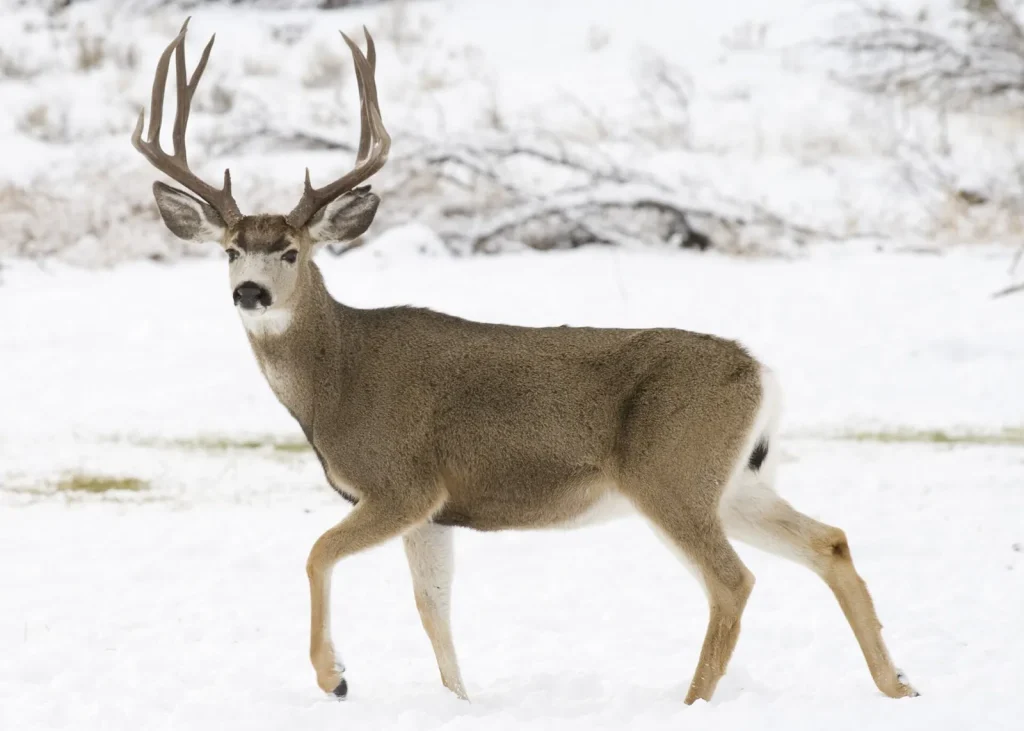
Photo: Oregon Department of Fish & Wildlife / CC BY-SA 2.0 (Wikimedia Commons)
Mammal Common Sightings: Possible Not dangerous — still wild
Mule deer are desert champions—perfectly adapted to the harsh Chihuahuan landscape where Carlsbad Caverns sits! These clever herbivores navigate arroyo and scrubland with remarkable grace, using those famous mule-like ears to stay alert and find food. Spot one and you're witnessing true desert survival.
📏 Keep your distance: 25 yards minimum
Stay safe
Keep 25 yards away. Never approach or feed. Move slowly and speak quietly.
If you encounter one
Remain calm and back away slowly. Most mule deer will flee on their own. Do not run or make aggressive movements.
Never feed or approach wildlife — it's dangerous for you and often fatal for them.
🦊 Species ID card
- Size & weight
- Males 150-300 lbs, females 90-200 lbs—lean and muscular for desert survival
- Identifying features
- Large mule-like ears, dark face stripe, gray-brown coat, distinctive black-tipped white tail
- Habitat
- Desert scrubland, piñon-juniper woodland, arroyos, and areas with available water in the Chihuahuan Desert
- Diet
- Shrubs, grasses, forbs, and desert plants—everything needed to thrive in the harsh environment
- Active
- Crepuscular (most active at dawn and dusk); rest during hottest midday hours
- Lifespan (wild)
- 10-20 years
👀 Where & when to see them in Carlsbad Caverns National Park
Where to look
Chihuahuan Desert Nature Trail, Walnut Canyon Overlook Trail, Juniper Ridge Trail, Yucca Canyon Trail, Rattlesnake Springs area, Old Guano Trail
Best time
Sunrise to mid-morning, late afternoon to sunset
Spotting tips
- Look for the white rump and dark face markings—distinctive even at distance
- Early risers win—be on trails before sunrise
- Move slowly and pause frequently to scan surroundings
- Look along the Walnut Canyon Overlook and desert scrub near arroyos
- Patient scanning of open areas for 15-20 minutes often rewards keen observers
Accessibility
Can see from scenic overlooks and open sections of trails; visibility highest at dawn and dusk when active
With kids
Mule deer are generally harmless and safe to observe with children at proper distance. Teach kids to watch quietly from 25+ yards away and never attempt to approach or feed. Good opportunity for junior naturalists to learn about desert adaptation.
📷 Photographing them
Best vantage points
Walnut Canyon Overlook Trail at sunrise, open desert areas visible from scenic drives
Bring
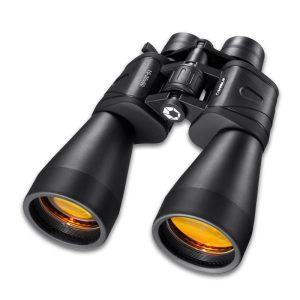
Binoculars essential; telephoto lens (200mm+) for photography; early morning spotting scope optional
Shoot ethically
Keep 25 yards minimum distance. Never approach to get closer. Don't block trails. Never attempt to feed or touch. Use telephoto equipment to respect their space.
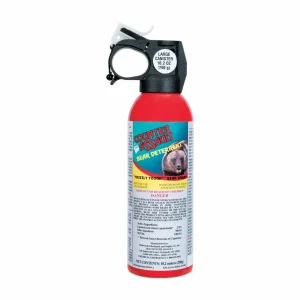
🔭 Gear that helps you spot them
🌲 Natural history
- Breeding season
- Fall (September-November)—the rut when males are most vocal and visible
- Migration
- Minimal in desert habitat; may shift with water availability in dry seasons
- Winter
- No hibernation; remain active year-round despite desert conditions
🌍 Conservation
Threats
Habitat loss and fragmentation, water scarcity in desert regions, vehicle strikes on park roads
Protection efforts
Protected as part of the national park system; habitat preservation through trail management and water resource stewardship
How visitors help
Stay on marked trails. Maintain safe viewing distance. Observe quietly without startling them. Report injured animals to rangers. Never feed or leave food scraps.
Report sightings
Contact Carlsbad Caverns Visitor Center or nearest ranger station with location and time of sighting.
❓ Questions people ask
Will a mule deer attack me?
Rarely. They're herbivores and flee when threatened. If one approaches, remain calm and back away slowly.
What's the best time to see mule deer at Carlsbad?
Sunrise to mid-morning and late afternoon to sunset in spring and fall are ideal.
How close should I get to photograph them?
Stay at least 25 yards away. Use binoculars or telephoto lens for better views.
What do they eat?
Shrubs, grasses, forbs, and desert plants. Never feed them—human food disrupts their digestive system.
Why are they called 'mule' deer?
Their ears are large like a mule's, giving them excellent hearing for desert survival.
Are they endangered?
No, mule deer are common throughout the western United States and maintain stable populations.


