
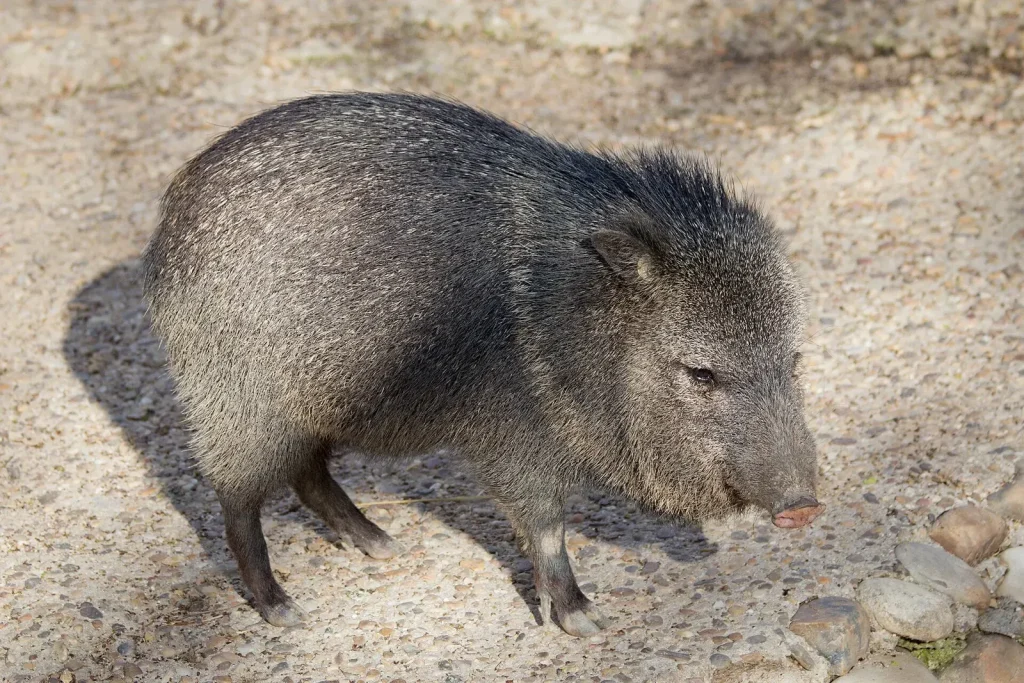
Photo: Carlos Delgado / CC BY-SA 3.0 (Wikimedia Commons)
Mammal Common Sightings: Occasional to uncommon; more likely in spring and fall, and at dawn/dusk; less common in extreme summer heat. ⚠ Give it space
These stocky desert dwellers are true survivors of the Southwest! With their distinctive pale collar and tough temperament, javelinas roam Carlsbad's brushlands in small herds. They're defensive around young, so respect their 25-yard boundary.
📏 Keep your distance: 25 yards
Stay safe
- Maintain 25-yard distance minimum at all times
- Never approach, especially if young animals are nearby or adults are clustered together
- Don't corner, block escape routes, or trap an animal
- Make noise while hiking to avoid surprising them
- Back away slowly if you encounter one; do not run or make sudden movements
- Don't offer food or attempt to touch any individual
If you encounter one
Back away slowly without sudden movements. Speak in calm, low tones. Do not run or turn your back. Give the animal a clear escape route. If a javelina charges, use rocks or loud noises to discourage approach; move to higher ground if available.
Never feed or approach wildlife — it's dangerous for you and often fatal for them.
🦊 Species ID card
- Size & weight
- Stocky, compact build; typically 35–65 pounds and 20 inches tall at the shoulder.
- Identifying features
- Dark grayish coat; distinctive white or pale-colored collar marking around neck and shoulders; stocky body with short, muscular legs; small rounded ears; slender tail; visible tusks (lower canines) projecting from mouth.
- Habitat
- Rocky desert scrubland with sparse, drought-resistant vegetation, cacti, and brushy growth; typical of the Chihuahuan Desert found at Carlsbad Caverns' elevation.
- Diet
- Desert vegetation including roots, bulbs, cacti, seeds, and berries; also consume small invertebrates, insects, and earthworms found while foraging in soil.
- Active
- Diurnal; active mostly at dawn and dusk during hot months to avoid midday heat; may rest in shade or under cover during peak temperatures.
- Lifespan (wild)
- Typically 7–10 years in the wild.
👀 Where & when to see them in Carlsbad Caverns National Park
Where to look
Chihuahuan Desert Nature Trail and surrounding arid scrubland habitat; desert brush areas accessible from park roads and hiking trails throughout the park's desert zone.
Best time
Early morning (dawn to mid-morning) or late afternoon into dusk when temperatures are cooler and javelinas are most active; avoid midday heat.
Spotting tips
- Move slowly and quietly through desert habitat to avoid startling herds
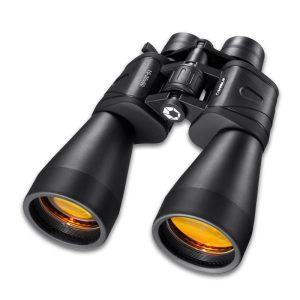
- Scan open desert areas and brush edges at dawn and dusk using binoculars
- Listen for vocalizations, grunting, or rustling in vegetation indicating activity
- Look for hoof prints, root-dug areas, and scat indicating recent foraging activity
- Use binoculars to survey distant brush piles, rocky draws, and shaded areas
Accessibility
Not easily visible from vehicles; best observed while hiking in desert areas on park trails; may be spotted from pullouts during early morning or dusk but requires patience and binoculars.
With kids
Javelinas are generally safe if observed from proper distance (25 yards). Teach children the importance of safe distance and quiet observation. Avoid hiking alone with young children in areas with known peccary activity; always travel with a responsible adult.
📷 Photographing them
Best vantage points
Elevated viewing areas, scenic overlooks, and desert pullouts along park drives; use a telephoto lens (200mm+) to maintain safe distance and capture behavior details.
Bring
Binoculars for spotting movement in brush (essential); telephoto lens for photography; water and sun protection critical in desert environment; field guide or smartphone app for species identification.
Shoot ethically
- Never approach closer than 25 yards
- Avoid sudden movements or loud noises that disrupt natural behavior
- Respect breeding and nursing females—provide extra space
- Don't feed or attempt to bait animals with any food or scent
- Focus on natural behaviors; don't stage encounters or manipulate animals for photos
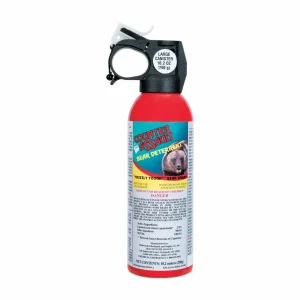
🔭 Gear that helps you spot them
🌲 Natural history
- Breeding season
- Year-round breeding with peaks in spring (March–May) and fall (September–November); females typically have 1–4 young per litter.
- Migration
- Non-migratory; individuals maintain relatively small home ranges within their territory and move locally based on water and food availability.
- Winter
- No hibernation; active year-round, though activity levels decrease in extreme heat or during harsh weather.
🌍 Conservation
Threats
Collared peccaries face habitat fragmentation and loss in some regions; vehicle strikes are a regional concern; predation by domestic dogs and hunting in areas outside park protection.
Protection efforts
National Park status ensures habitat preservation; park regulations restrict hunting and harassment within boundaries; NPS monitoring supports long-term population data and adaptive management.
How visitors help
- Maintain safe distance and move quietly to minimize stress
- Don't feed or approach animals under any circumstances
- Report wildlife harassment or violations to rangers immediately
- Stay on established trails to protect habitat
- Drive carefully, especially at dawn/dusk when javelinas are active
Report sightings
Report wildlife sightings and any aggressive behavior to the visitor center or park rangers during your visit. For non-emergency wildlife concerns after hours, contact Carlsbad Caverns National Park via https://www.nps.gov/cave/index.htm or leave a message for staff.
❓ Questions people ask
Are javelinas actually pigs?
No—they're peccaries, a separate family of even-toed mammals in the order Artiodactyla. While pig-like in appearance, they evolved from a distinct lineage millions of years ago.
Will they attack me?
Not unless cornered, defending young, or surprised at very close range. Maintain 25 yards distance and they'll typically move away. Never corner an animal or approach aggressively.
Do they really smell that bad?
Yes—they have a scent gland that produces potent musk used for communication and marking territory. You might smell them before you see them!
What's the pale collar marking for?
The light-colored band around their neck is a distinctive color pattern, not a functional collar. It's the feature that gave them their common name: 'collared' peccary.
Can I feed them?
Never—feeding wild javelinas causes dependency, aggressive behavior toward visitors, and dangerous habituation. Enjoy them from a safe distance instead.
When is the best time to spot them?
Early morning (first 2–3 hours after sunrise) or late afternoon into dusk when it's cooler. Spring and fall have more activity than summer.


