
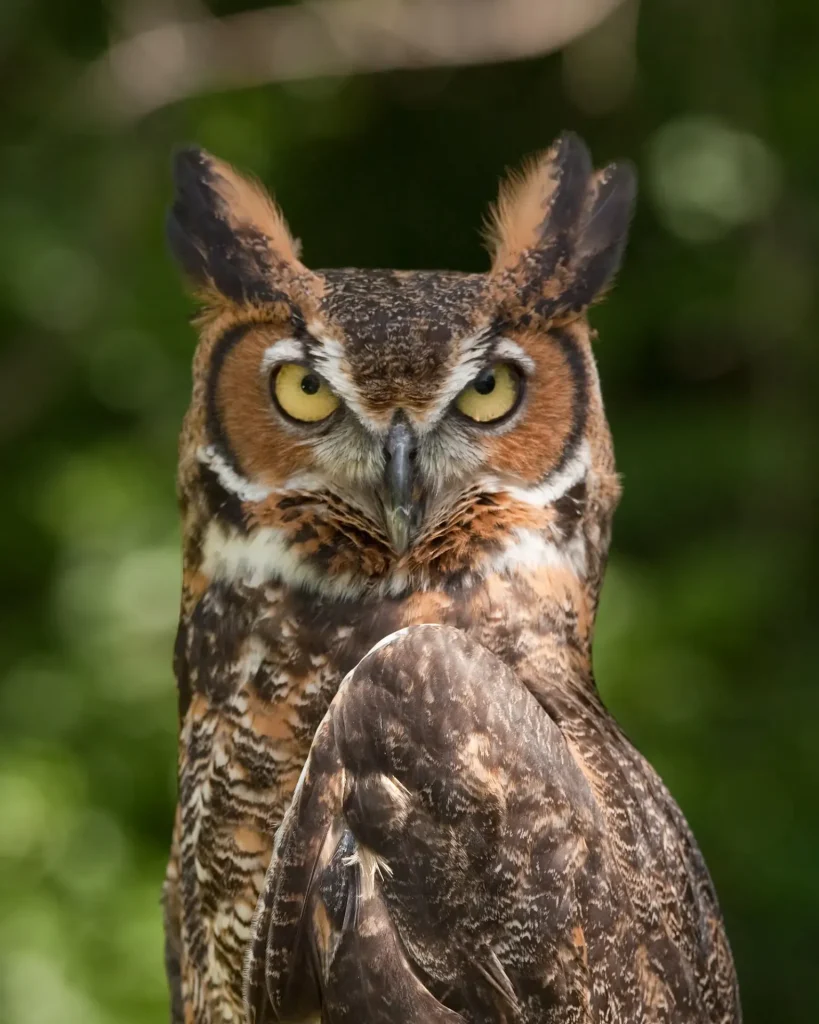
Photo: Greg Hume / CC BY-SA 3.0 (Wikimedia Commons)
Bird Common Sightings: Rare visual sightings; common by auditory detection at dusk and dawn, especially during breeding season. Not dangerous — still wild
Crikey, the Great Horned Owl is an absolute machine! Those distinctive ear tufts and piercing yellow eyes make this nocturnal raptor one of nature's most impressive predators. While these silent hunters are rarely spotted during park visiting hours, you've got a brilliant chance of hearing their deep, booming hoots echoing across the canyon at dusk. Here's the beauty—they're completely harmless to humans! Respect that 25-yard distance and you'll have an unforgettable wildlife experience.
📏 Keep your distance: 25 yards minimum (park wildlife safety distance). Use binoculars or telephoto lens for observation.
Stay safe
Maintain 25-yard distance. Do not approach roosting birds. Do not shine lights in their eyes to encourage sightings. Never attempt to feed or capture.
If you encounter one
Observe from distance using binoculars or unaided eye. Back away slowly if you find yourself closer than 25 yards. Do not shine flashlights directly at bird. Enjoy from a safe, respectful distance.
Never feed or approach wildlife — it's dangerous for you and often fatal for them.
🦊 Species ID card
- Size & weight
- 16–25 inches tall; 600–2,500 grams (1.3–5.5 lbs). Females are typically larger than males.
- Identifying features
- Distinctive ear tufts (feathered "horns"), large robust body, piercing golden-yellow eyes, dark mottled plumage in browns and grays, prominent facial disc.
- Habitat
- Adaptable species found in varied habitats including desert scrub, canyon lands, piñon-juniper forest, and open woodland. Present year-round in the Chihuahuan Desert region surrounding Carlsbad Caverns.
- Diet
- Primarily rabbits, hares, rats, mice, and voles. Also hunts birds, reptiles, amphibians, and invertebrates. One of the few regular predators of skunks.
- Active
- Nocturnal
👀 Where & when to see them in Carlsbad Caverns National Park
Where to look
Present throughout park habitats, particularly in forested areas and canyon lands surrounding Carlsbad Caverns.
Best time
Dusk and early evening; occasionally heard at dawn. Least visible during daylight hours due to nocturnal habits.
Spotting tips
- Listen from elevated areas overlooking forest and canyon
- Quietness and patience greatly improve hearing chances
- Peak calling period: October–January (breeding season)
- Early morning (pre-dawn) also productive for listening
- Pay attention to disturbance calls near cliff edges (potential nesting sites)
Accessibility
No—visitors cannot see them from vehicle. Viewing requires positioning outside vehicle at dusk or dawn. Most sightings are auditory (hearing calls), not visual. Visitors with mobility limitations can still participate in listening sessions from accessible viewpoints.
With kids
Excellent for families interested in nocturnal wildlife. Children should remain quiet and still during listening sessions at dusk for best results. Supervise children near canyon edges or uneven terrain. No safety concerns regarding the owls themselves; they pose zero threat to visitors.
📷 Photographing them
Best vantage points
Dusk observations near canyon rims or forest edges. Telephoto lens (600mm+ recommended for quality distant shots). Nocturnal habits make daytime photography rare; dawn attempts offer best opportunity.
Bring
Binoculars (10x42 or similar for dusk listening sessions), telephoto lens if attempting photography, flashlight with red filter for evening viewing, field guide for identification.
Shoot ethically
Never use artificial lights or audio recordings to attract birds. Maintain 25-yard distance at all times. Respect nesting and roosting areas. Observe only from established trails and designated viewing areas.
🔭 Gear that helps you spot them
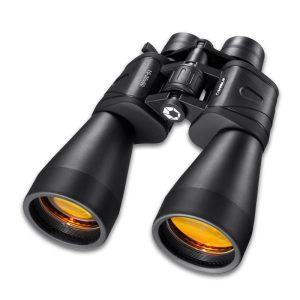
🌲 Natural history
- Breeding season
- Late fall through early spring (October–March). One of the earliest nesting birds in North America, often laying eggs weeks or months before other raptorial species.
- Migration
- Non-migratory; year-round resident in Carlsbad Caverns region.
- Winter
- No hibernation; active year-round. Nocturnal schedule maintained through all seasons.
🌍 Conservation
Threats
Habitat loss and fragmentation in some regions. Pesticide use can reduce prey availability. Vehicle strikes and window collisions pose localized threats.
Protection efforts
Carlsbad Caverns National Park protects habitat and enforces wildlife viewing regulations to ensure species safety and visitor experience. Park staff monitor populations and nesting success.
How visitors help
Stay on established trails. Maintain safe distance from all wildlife. Report illegal feeding, harassment, or disturbance to rangers immediately. Pack out all trash to protect habitat quality and prey availability.
Report sightings
Contact Carlsbad Caverns Visitor Center or ranger staff to share sightings, vocalizations, and observations. Citizen science data helps park staff understand population dynamics.
❓ Questions people ask
Will I actually see a Great Horned Owl during my visit?
Unlikely. These are strictly nocturnal hunters; visual sightings are rare during park hours. However, you may hear their distinctive deep hooting at dusk or early dawn, especially October–March.
What does a Great Horned Owl sound like?
A deep, resonant 'hoo-hoo-hoo, hoo-hoo' call, often interpreted as 'Who's awake? Me too.' Males and females sometimes duet with slightly different pitch.
Are they dangerous to people?
No. Great Horned Owls avoid humans entirely and will not attack visitors. They are carnivorous raptors focused on small mammals and birds, not humans. Respect the 25-yard distance and enjoy safely.
When do they breed?
October–March. They are among the earliest nesting raptors in North America, often laying eggs weeks or months before other owls and hawks.
What's their main food source?
Rabbits, hares, rodents, and other small mammals. Interestingly, they are one of the few predators that regularly hunt skunks.
Can I photograph them?
Yes, from safe distance using binoculars and telephoto lens. Avoid artificial lights and playback recordings designed to attract them, which disturb roosting and nesting birds.


