
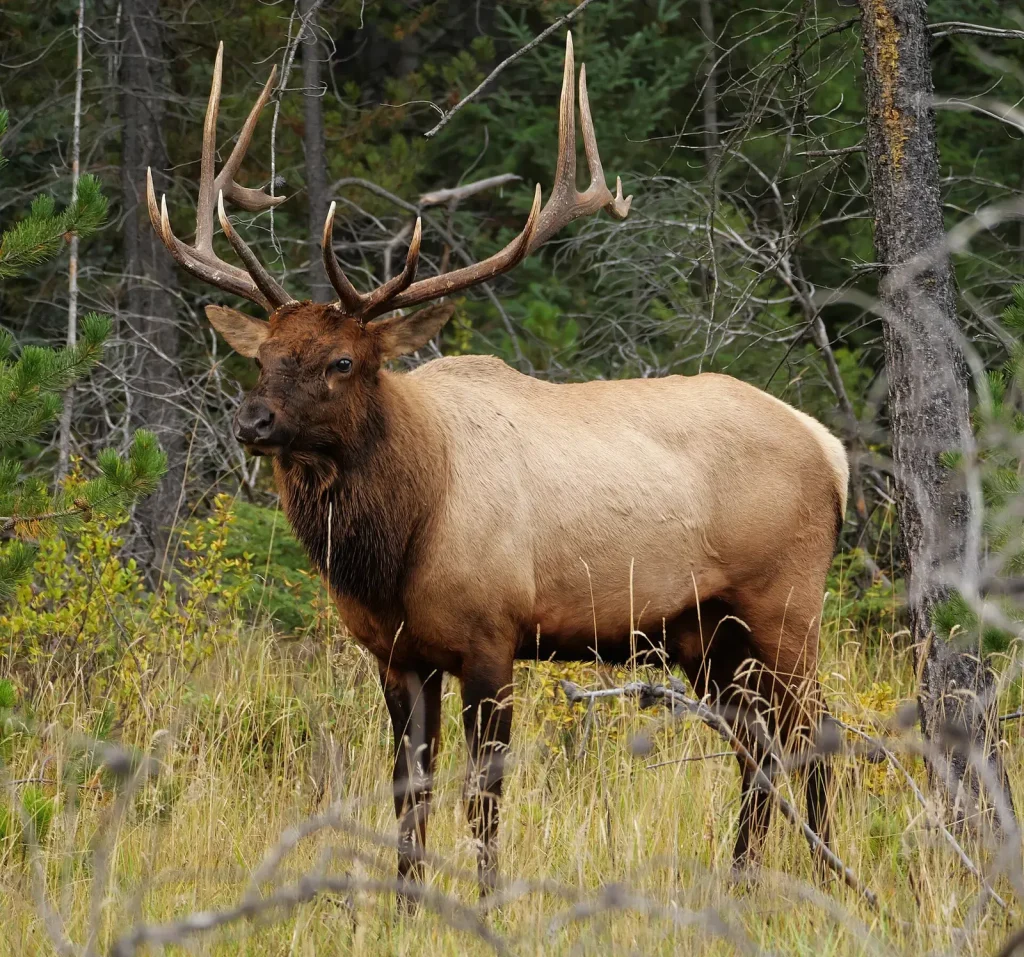
Photo: Membeth / CC0 (Wikimedia Commons)
Mammal Common Sightings: Uncommon; sightings more likely during rut season (Aug-Oct) ⚠ Give it space
Absolute unit! Rocky Mountain elk are the second-largest deer species, sporting massive antlers and a distinctive white rump patch. In Carlsbad's high desert foothills, they're an uncommon but powerful presence—give them serious space, especially September through October when rutting bulls are on high alert and territorial.
📏 Keep your distance: 25 yards minimum per park wildlife guidelines; 100+ yards recommended during rut season
Stay safe
- Maintain minimum 25-yard distance at all times
- Increase distance to 100+ yards during rut season (Aug-Oct)
- Never approach, corner, or feed
- Make noise while hiking to avoid surprise encounters
- Never run or turn your back if charged
- Stay alert and scan surroundings constantly
- Keep children and pets supervised
If you encounter one
Back away slowly without making sudden movements. Speak in a calm, low voice. Do not run or make eye contact. Give the animal an escape route and retreat to a vehicle if one is nearby. If charged, use terrain or trees for protection.
Never feed or approach wildlife — it's dangerous for you and often fatal for them.
🦊 Species ID card
- Size & weight
- Males 600-900 lbs with massive antlers; females 400-600 lbs. Second-largest deer species in North America.
- Identifying features
- Large branching antlers (males only), tan-brown body coat, distinctive white/cream rump patch, large ears, robust muscular frame, blackish mane on neck and chest (bulls)
- Habitat
- High desert and piñon-juniper foothills of the Chihuahuan Desert. Elk prefer open areas and forest-edge habitats where they can graze on native vegetation.
- Diet
- Grasses, sedges, woody shrub leaves, twigs, and bark. Herbivores that graze on grasslands and browse on woody plants.
- Active
- Crepuscular—primarily active at dawn and dusk. During rut season (Aug-Oct), bulls may be active and vocal throughout the day.
- Lifespan (wild)
- 10-15 years
👀 Where & when to see them in Carlsbad Caverns National Park
Where to look
Chihuahuan Desert foothills and piñon-juniper forest edges; higher elevation areas adjacent to park boundaries
Best time
Dawn and dusk (crepuscular activity). Most active and vocal early morning, especially during rut season (Aug-Oct).
Spotting tips
- Scan open areas and ridgelines for movement
- Listen for bugling and vocalizations during rut
- Early September through October is peak rut activity
- Position yourself downwind if possible (reduces disturbance)
- Glass hillsides thoroughly—elk can blend into landscape
- Vehicle provides safest observation platform
Accessibility
Possibly from vehicle on Walnut Canyon Desert Drive and park roads during early morning hours. Mobility-restricted visitors should check with visitor center for accessible viewing areas and current activity reports.
With kids
Teach children about antler dangers and why distance is critical. Keep toddlers and young children close, especially during rut season. Use binoculars and vehicle as viewing platform. Explain that we observe wildlife without feeding or approaching.
📷 Photographing them
Best vantage points
Walnut Canyon Desert Drive and higher elevation park roads offer possible vehicle-based viewing. Check with visitor center for recent activity hotspots.
Bring
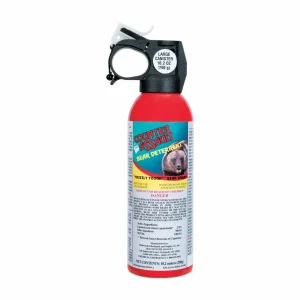
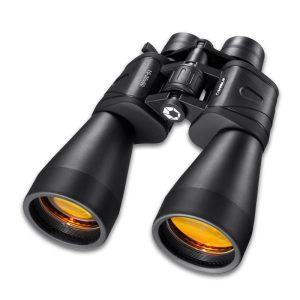
Binoculars (10x42 recommended for distance viewing), telephoto lens (400mm+ recommended), wildlife awareness guides, bear spray as precaution
Shoot ethically
Maintain distance as priority over photograph. Never use artificial calls or sounds to attract bulls, especially during rut. Never feed. Stay on established trails. Respect animal's space and stress level—if it moves away, you're too close.
🔭 Gear that helps you spot them
🌲 Natural history
- Breeding season
- August through October. Males establish dominance through antler sparring and bugling; highly territorial and aggressive during this period.
- Migration
- No significant migration documented for Carlsbad population. May shift elevation seasonally in response to snow and food availability.
- Winter
- No hibernation. Elk remain active year-round but metabolism slows in winter. May move to lower elevations during severe weather.
🌍 Conservation
Threats
Habitat loss and fragmentation from development, climate change reducing water availability in arid regions, competition with domestic livestock for forage, disease transmission risks
Protection efforts
NPS monitors elk populations and habitat health through wildlife surveys. Park enforces wildlife viewing distance regulations and manages habitat to support healthy populations.
How visitors help
Maintain distance and don't feed wildlife, report sightings to rangers, stay on established trails, make noise while hiking to avoid surprising animals, never block roads, support park conservation efforts
Report sightings
Contact Carlsbad Caverns National Park Visitor Center (575-785-2232) or nearest ranger station with sighting details: location, time of day, number of animals, and behavior observed.
❓ Questions people ask
Are elk dangerous?
Yes, especially during rut season (Aug-Oct). Males weigh 600+ pounds with sharp antlers. Maintain 25-yard minimum distance; 100+ yards during rut.
Will an elk attack me?
Unlikely if you maintain distance and don't block escape routes. Never approach. Back away if one charges. Running typically triggers pursuit.
When is the best time to see elk?
Dawn and dusk year-round. Rut season (Aug-Oct) offers higher sighting odds and bugling vocalizations that aid location.
Can I feed an elk?
Never. Feeding wildlife is illegal and dangerous. It habituates elk to humans, causes aggression, and disrupts natural feeding patterns.
How big does an elk get?
Males 600-900 lbs with massive branching antlers; females 400-600 lbs. Second-largest deer species in North America.
Do elk live here year-round?
Yes, elk remain active in Carlsbad's high desert foothills year-round, though sightings are uncommon outside rut season.
What do elk eat?
Grasses, sedges, shrub leaves, twigs, and bark. They graze and browse throughout the day, following seasonal plant availability.


