
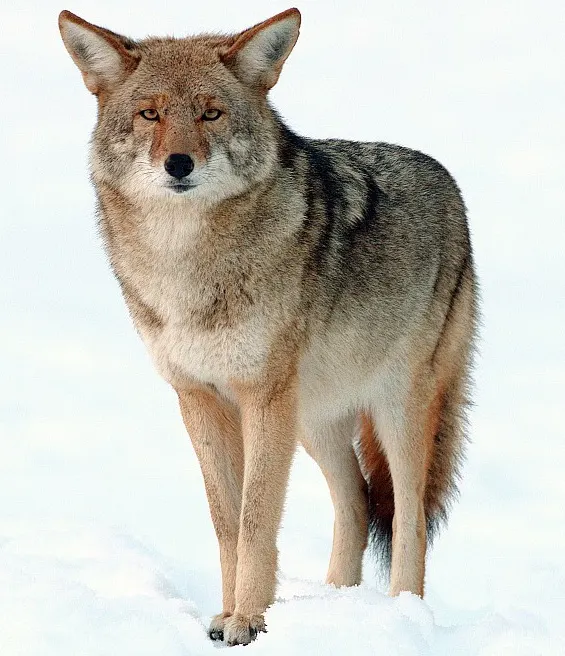
Photo: Yathin S Krishnappa / CC BY-SA 3.0 (Wikimedia Commons)
Mammal Common Sightings: Uncommon but regular. Coyotes are present year-round but elusive and avoid people. Not dangerous — still wild
The coyote is a clever, adaptable canine that thrives across North America—including here at Carlsbad Caverns. Though skilled hunters of small prey, they're naturally wary of people and rarely venture close. Their haunting howls at dawn and dusk are the real prize of an encounter.
📏 Keep your distance: 25 yards minimum. Do not approach closer.
Stay safe
Make noise while hiking to avoid surprising them. Never approach or corner one. Respect the 25-yard distance. Do not attempt to photograph at close range. If one approaches, speak calmly and back away slowly.
If you encounter one
Back away slowly while facing the animal. Speak in a calm, firm voice. Do not run. If it persists, make yourself look large and make noise. Most coyotes flee; attacks on humans are extremely rare.
Never feed or approach wildlife — it's dangerous for you and often fatal for them.
🦊 Species ID card
- Size & weight
- Males average 18–44 lbs; females 15–40 lbs. Noticeably smaller than gray wolves.
- Identifying features
- Narrow snout, pointed ears, and slender build. Fur is light gray and rusty red mixed with black and white. The tail is bushy and often held low when running. Listen for a rapid howl that rises and falls in pitch—unmistakable.
- Habitat
- Chihuahuan Desert scrubland, grassland, and open terrain. Coyotes adapt to varied habitats and are equally at home in desert, canyon, and semi-open country.
- Diet
- Primarily small mammals (rabbits, hares, rodents), birds, insects, reptiles, and amphibians. Occasionally supplement with fruits and vegetables. At Carlsbad, they hunt the abundant small prey of the desert.
- Active
- Crepuscular (most active at dawn and dusk, but active throughout day and night as needed).
- Lifespan (wild)
- 10–14 years in the wild.
👀 Where & when to see them in Carlsbad Caverns National Park
Where to look
Walnut Canyon Desert Drive; grasslands and open desert along Chihuahuan Desert Nature Trail; open terrain visible from main roads and pullouts throughout the park.
Best time
One hour before sunrise through early morning, and from late afternoon through dusk. Most vocal and active during dawn and dusk.
Spotting tips
- Early risers win—be in position 30 minutes before sunrise.
- Stop at pullouts and listen for 10–15 minutes; let the landscape reveal itself.
- Watch for movement along ridge lines and open ground.
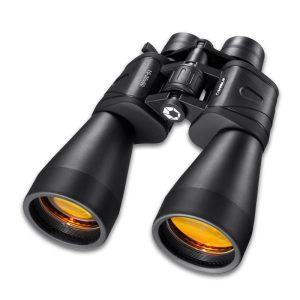
- A pair of binoculars is more effective than a camera for spotting.
- Coyotes are curious; sit quietly and you may be spotted in return.
Accessibility
Yes—coyotes can sometimes be spotted from Walnut Canyon Desert Drive without leaving your vehicle, making viewing accessible to most visitors. However, sightings are not guaranteed.
With kids
Coyotes pose minimal risk to families; teach children to respect the 25-yard distance and never approach. Bring binoculars and turn the search into a listening game—howls are the real thrill. Most kids find the experience memorable rather than scary.
📷 Photographing them
Best vantage points
Walnut Canyon Desert Drive (from vehicle), pullouts along the main park road, and open overlooks on Chihuahuan Desert Nature Trail during dawn or dusk. Use telephoto (200mm+) to maintain safe distance.
Bring
Binoculars (10×42 or better for spotting); telephoto lens (200mm+); camera with fast autofocus for low-light dawn/dusk; patience and a detailed park map.
Shoot ethically
Never bait or use calls to attract coyotes. Stay on designated trails and pullouts. Do not block park roads. Maintain the 25-yard minimum distance. Respect their space—the photo is not worth habituation or stress.
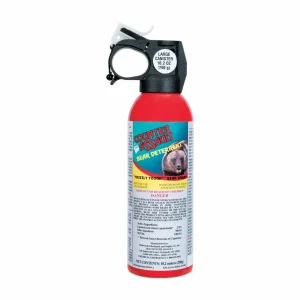
🔭 Gear that helps you spot them

🌲 Natural history
- Breeding season
- December through March. Pups born in spring (April–May). Most vocal during winter breeding season.
- Migration
- Resident year-round. No migration; territorial and largely sedentary within their established range.
- Winter
- No hibernation. Active throughout the year, including winter.
🌍 Conservation
Threats
Habitat fragmentation and loss; human-wildlife conflict (livestock predation leading to lethal control); vehicle strikes on roads.
Protection efforts
The park educates visitors on coexistence and enforces wildlife distance regulations. NPS monitors populations and works to reduce human-wildlife conflict through trail design and visitor education.
How visitors help
Stay on trails and respect distance rules to avoid habituation. Never feed wildlife—it causes dependency and behavioral problems. Lock up food and trash at campsites. Report conflicts or injured animals to a ranger immediately.
Report sightings
Report sightings to a ranger at the visitor center or call the park's main line. Citizen observations help staff track wildlife activity and movement patterns.
❓ Questions people ask
Will a coyote attack me?
Extremely unlikely. Coyotes avoid people and rarely approach humans. Attacks are extraordinarily rare. Respect the 25-yard distance and you're almost certainly safe.
Can I hear coyotes howling from the park?
Yes, especially at dawn and dusk during the winter breeding season (December–March). The howl carries far across the desert. It's one of the most rewarding wildlife experiences here.
Are coyotes endangered?
No. They're listed as least concern by conservation organizations and thrive across North America. They're one of the most successful canid species today.
Will coyotes steal food from my campsite?
They may investigate if food is left accessible. Store all food and trash in locked containers or bear-proof boxes. Keep your camp clean and coyotes will leave you alone.
What do coyotes eat?
Mostly small rodents, rabbits, birds, and insects. At Carlsbad, they hunt the abundant desert prey. They rarely eat large prey and are not a threat to people or domestic animals if given space.
When are coyotes most active?
Dawn and dusk, when they hunt and travel. They're also active at night but less visible. You're most likely to see or hear them during the first and last hour of daylight.


