
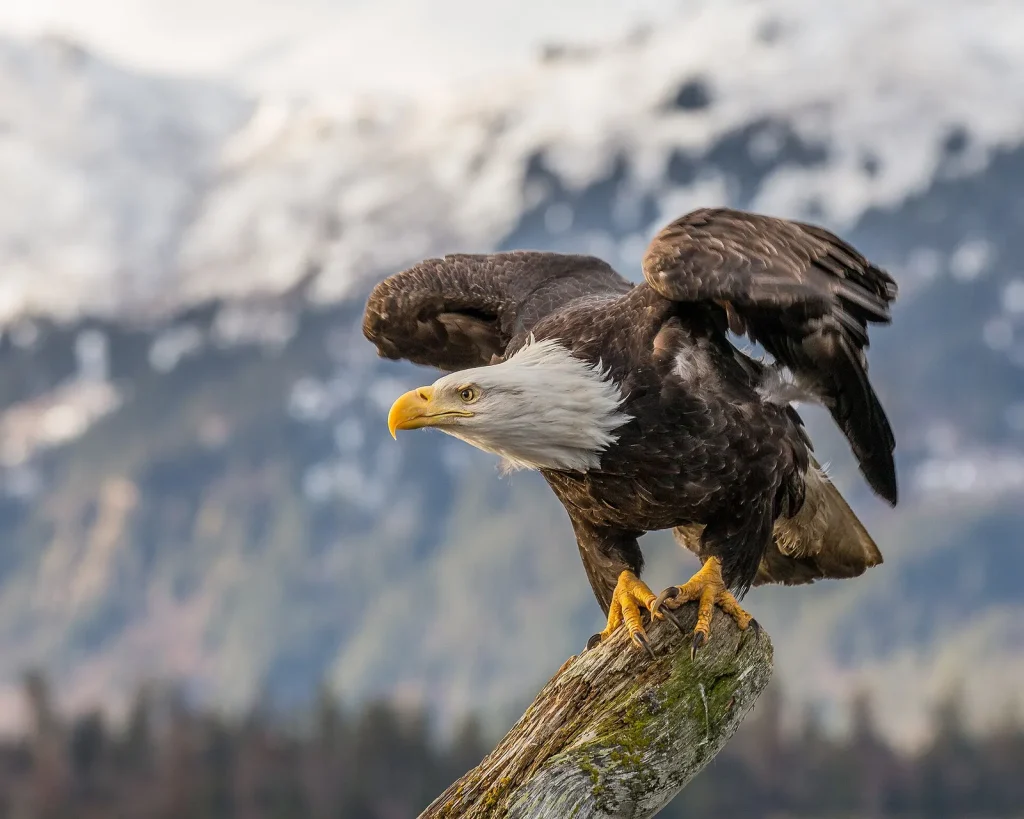
Photo: Andy Morffew from Itchen Abbas, Hampshire, UK / CC BY 2.0 (Wikimedia Commons)
Bird Common (Recovered) Sightings: Uncommon—sightings depend on season and water conditions, but possible especially during fall and winter. Not dangerous — still wild
Behold the national symbol of the United States soaring above Carlsbad! The bald eagle is a magnificent raptor with its iconic white head, powerful hooked beak, and masterful hunting prowess. These incredible birds dive at remarkable speeds to snatch fish from the water with astonishing precision, and they build the largest tree nests of any North American bird—monuments to their power and presence in our skies.
📏 Keep your distance: 25 yards minimum (per park regulations for wildlife viewing).
Stay safe
- Maintain minimum 25-yard distance at all times
- Use binoculars for viewing instead of approaching
- Never attempt to feed, touch, or harass eagles
- Respect nesting sites if encountered—observe only from distance
- Stay alert and calm if hiking near water sources
If you encounter one
Remain calm and still. Slowly back away while maintaining distance. Do not run or make sudden loud movements. Use binoculars to observe the bird's behavior from a safe distance. The eagle will almost certainly maintain its distance from you.
Never feed or approach wildlife — it's dangerous for you and often fatal for them.
🦊 Species ID card
- Size & weight
- Powerful and substantial birds; females are approximately 25% larger than males. Large, hooked yellow beak and keen yellow eyes.
- Identifying features
- Unmistakable adult plumage: white head and tail, dark brown body, large bright yellow hooked beak, and piercing yellow eyes. Immature birds lack the white head and tail, appearing entirely brown until reaching sexual maturity at 4-5 years old.
- Habitat
- Open areas near large bodies of water with abundant fish supplies and tall, old-growth trees for nesting and perching.
- Diet
- Primarily fish, caught by diving and snatching from water with powerful talons. Opportunistic hunters that may also take waterfowl and small mammals.
- Active
- Diurnal, most active at dawn and dusk when hunting pressure and success rates peak.
👀 Where & when to see them in Carlsbad Caverns National Park
Where to look
Near water sources including Rattlesnake Springs and other areas with open water suitable for hunting fish. Tall trees along water provide perching and nesting sites.
Best time
Early morning (dawn) and late afternoon (dusk) when eagles are most actively hunting.
Spotting tips
- Scan waterlines and tall trees at dawn
- Stay in sheltered positions to avoid alerting eagles
- Wear neutral-colored clothing to blend with surroundings
- Patience is rewarded—early risers spot more activity
- Winter months offer better viewing due to increased hunting activity
Accessibility
Yes—viewable from scenic areas, overlooks, and accessible trails near water. Bring binoculars for best viewing from paved areas and established visitor viewpoints.
With kids
Safe for all ages when distance guidelines are followed. Excellent teaching opportunity about conservation success and raptor ecology. Young children should stay close to adults near water areas. Binoculars engage kids in active searching and observation skills.
📷 Photographing them
Best vantage points
Rattlesnake Springs and other water-access areas with clear viewing angles and good light angles for telephoto work. Scenic overlooks along the park provide safe vantage points.
Bring
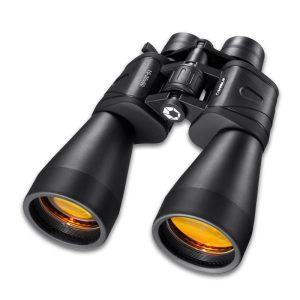
Binoculars essential for viewing and identifying field marks; telephoto lens (at least 400mm) recommended for photography to maintain safe distance.
Shoot ethically
- Maintain minimum 25-yard distance at all times—never creep closer
- Never use bait, calls, or disturbance tactics to attract birds
- Avoid approaching nesting sites or disturbing natural behavior
- Keep children supervised and quiet near viewing areas
- Allow natural behavior to unfold without intervention
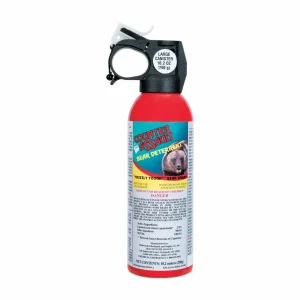
🔭 Gear that helps you spot them
🌲 Natural history
- Breeding season
- Late winter and early spring, with nest building and egg-laying beginning in late winter months.
- Migration
- Some populations migrate; others remain year-round depending on food availability and ice coverage on water sources.
- Winter
- Bald eagles do not hibernate; they remain active year-round, adjusting their range based on water conditions.
🌍 Conservation
Threats
Historically threatened by DDT pesticide use, hunting, and habitat loss that nearly caused extinction. Current threats include water pollution, lead ammunition in carcasses, and ongoing habitat degradation.
Protection efforts
Full legal protection under the Bald Eagle Protection Act of 1940. Banning DDT pesticide and regulated hunting practices enabled recovery from endangered to threatened status (1995) and full delisting (2007).
How visitors help
- Maintain safe viewing distance to minimize disturbance
- Never feed eagles or other wildlife
- Report any illegal activity to rangers immediately
- Practice responsible photography ethics
- Protect water quality by leaving no trace
- Support habitat conservation through park stewardship
Report sightings
Report eagle sightings to the Carlsbad Caverns National Park Visitor Center or contact park rangers during your visit.
❓ Questions people ask
Are bald eagles dangerous to humans?
No. They naturally avoid humans. Maintain 25 yards distance and they'll keep theirs. Never approach or attempt to feed them.
When are the best times to see them?
Early morning (dawn) and late afternoon (dusk), especially during fall and winter months when hunting activity peaks.
Where do they build nests?
In tall trees near water sources like Rattlesnake Springs. Respect nesting areas by maintaining your viewing distance.
What exactly do they hunt for?
Primarily fish, caught by diving and snatching from water with powerful talons. This is why they're found near water areas throughout the park.
Were bald eagles always common in America?
No—they were hunted to near-extinction and nearly wiped out by DDT pesticide. Legal protection and the DDT ban since the 1970s restored them to thriving populations.
Can we see them from the visitor center or main roads?
Occasionally from scenic overlooks, but binoculars make sightings much more likely. Dedicated viewing spots near water offer the best opportunities.
How do I photograph them safely and ethically?
Use at least a 400mm telephoto lens from 25+ yards. Never bait, approach nests, or disturb natural behavior. Let them act naturally while you observe from distance.


