 Trail
TrailBoland Ridge Trail
5.2mi ridge grind with climbs. Black Hills vistas + elk sightings. Dry trail—bring water.
Wind Cave National ParkView details →

Wind Cave National Park, South Dakota
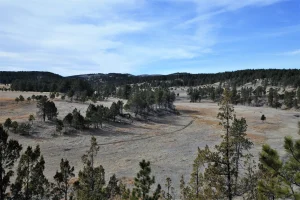
Lookout Point Trail is a moderately difficult prairie walk across rolling hills to Beaver Creek, with an optional sidetrack up Lookout Point for views of the 2010 prescribed fire landscape. The trail demands constant vigilance for bison and elk—both dangerous and unpredictable. Water is nonexistent on the trail, so you carry every drop. Extend to 4.5 miles by linking with Highland Creek and Centennial trails for a full-prairie loop.
Moderate—rolling terrain, no technical climbing, but wildlife hazard and zero water sources elevate the challenge
The sidetrack up Lookout Point offers views of the 2010 American Elk Prescribed Fire—a landscape recovery zone that shows how fire management reshapes the prairie. The rolling terrain feels desolate and real; you're not crowded with tourists here. Beaver Creek provides the only water source, but the payoff is solitude and raw prairie ecology.
• The Lookout Point sidetrack can be faint—mark your exit point with a rock cairn so you find your way back to the main trail. • Bison are usually in the eastern prairie sections; check with rangers before you hike to see where herds are concentrated that day. • Highland Creek Trail (which you can link to this trail) has better tree cover and shade—consider doing the 4.5-mile loop instead of the out-and-back if you're concerned about sun exposure. • The prescribed fire zone on Lookout Point is recovering beautifully; you'll see new aspen growth and wildflowers thriving in disturbed soil. • Early June is the sweet spot: wildflowers are blooming, weather is stable, and mosquitoes haven't peaked yet
Late May through September (stable weather, low snow, trails fully open)
Moderate difficulty is appropriate for kids 8+ with hiking experience. Younger kids need close supervision—bison can charge if they feel threatened, and the open prairie means no escape cover. Teach kids to stay on the trail and to recognize and respect distance from wildlife. Practice bear bells or noise-making on a short trail first before committing to the full hike
Hikers praise the solitude and raw prairie experience; most say the difficulty is overstated if you're fit and hydrated. The real challenge isn't climbing—it's managing wildlife respect and water discipline. Veterans report that linking to Highland Creek Trail transforms this into a full-day prairie immersion that rarely feels crowded
Day-use hiking requires no permit. Backcountry camping (off-trail) is permitted but requires planning for water caches and wildlife protocols—contact the visitor center.
No shuttle service. Park at the trailhead lot and hike from there.
Bison are unpredictable and dangerous—stay 25 yards back minimum. Elk (especially during fall rut) are also aggressive if startled. The NPS explicitly warns: Do not approach. Dehydration is the silent killer on this trail; the prairie sun drains you faster than you realize. No shade, no cloud cover, and wind accelerates water loss. Lightning on open prairie is immediate death; if a storm rolls in, descend or seek natural cover (boulder fields). Ankle rolls are common on prairie terrain where the ground is uneven and partially concealed by grass.
Rooty, uneven prairie terrain with rolling ups and downs. Not wheelchair accessible. The terrain requires ankle stability and balance—hikers with mobility issues should consider Elk Mountain Nature Trail or Prairie Vista Nature Trail instead (both flatter)
Moderate difficulty is appropriate for kids 8+ with hiking experience. Younger kids need close supervision—bison can charge if they feel threatened, and the open prairie means no escape cover. Teach kids to stay on the trail and to recognize and respect distance from wildlife. Practice bear bells or noise-making on a short trail first before committing to the full hike
Hikers praise the solitude and raw prairie experience; most say the difficulty is overstated if you're fit and hydrated. The real challenge isn't climbing—it's managing wildlife respect and water discipline. Veterans report that linking to Highland Creek Trail transforms this into a full-day prairie immersion that rarely feels crowded
" Hikers praise the solitude and raw prairie experience; most say the difficulty is overstated if you're fit and hydrated. The real challenge isn't climbing—it's managing wildlife respect and water discipline. Veterans report that linking to Highland Creek Trail transforms this into a full-day prairie immersion that rarely feels crowded"
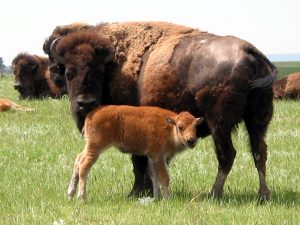
Likely yes—this is active bison and elk habitat. Respect the 25-yard minimum distance (100 yards for bulls during rut). If they see you, they usually move away. Make noise constantly so they know you're there first. Never approach, never separate a calf from its herd, never block their path.
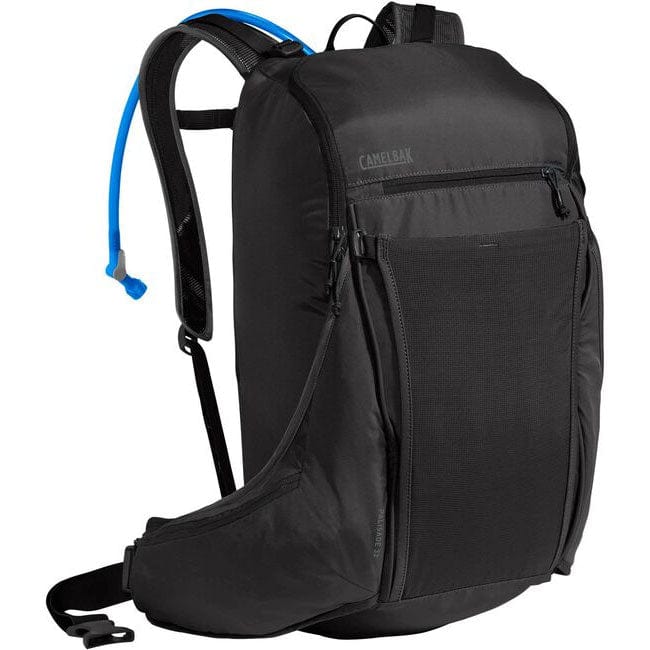
Not harder—but dehydration and sun exposure are brutal if you underestimate them. The rolling terrain is moderate climbing, but zero shade means relentless heat. Fit hikers say it's easy; hikers who don't bring enough water say it's brutal. Carry 3L minimum.
Yes, but bring a satellite communicator (Garmin inReach). Cell service is unreliable. If you twist an ankle in the middle of the prairie with no signal, you're in trouble. Solo hiking is doable but requires extra safety margins.
Call 605.745.4600 before you hike. Ask about weather, trail conditions, bison/elk locations, and any recent closures. Lightning forecast is critical—if storms are predicted for afternoon, don't go.
Descend immediately to lower ground if possible; seek natural shelter (rock outcrops, dense tree stands near Beaver Creek). Open prairie in lightning is a death sentence. If you're above-treeline and caught, crouch low (not flat), and keep moving to lower elevation. Storms move fast across the plains—you have maybe 15 minutes warning.
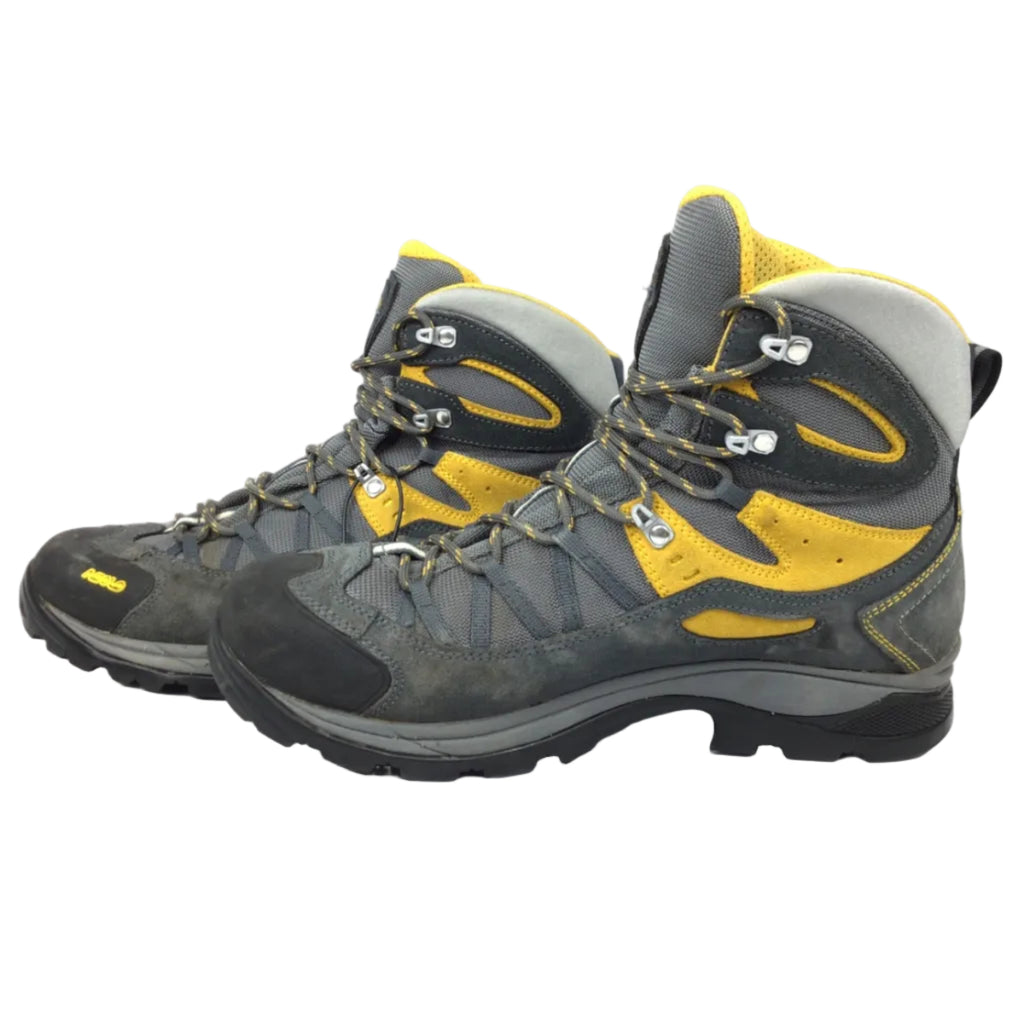
Yes—ankle support is critical on uneven prairie terrain. Trail runners will leave you vulnerable to twisted ankles in hidden dips and hidden rocks under grass. Wear boots with good ankle support and grippy soles for soft prairie after rain.
6 listings
4 listings
Information is compiled from official sources, verified traveler reviews, and editorial research. Learn how YourNPGuide works →
Notifications