 Trail
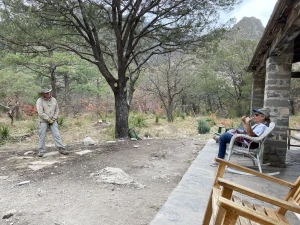
TrailPratt Cabin
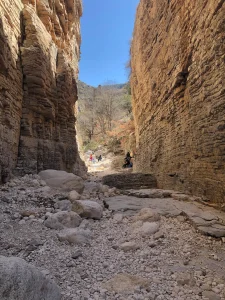
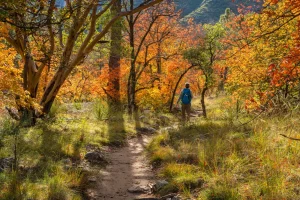
4.8-mile moderate hike to a historic cabin in McKittrick Canyon. Stream crossings, loose rock, canyon views.
Guadalupe Mountains National ParkView details →

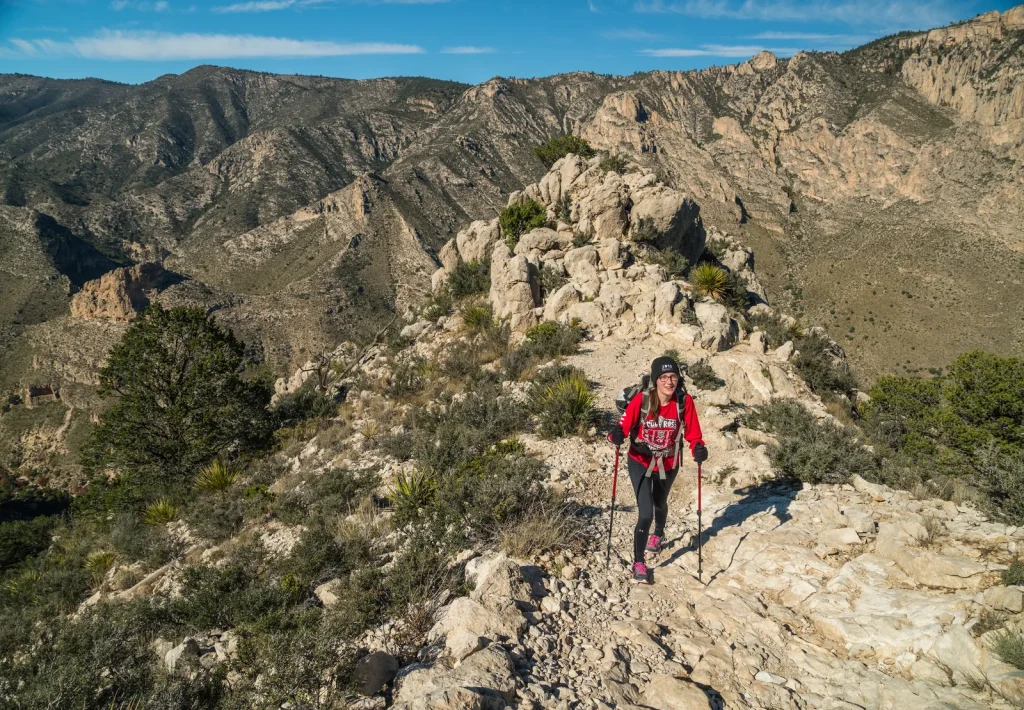
This is mandatory reading before your first Guadalupe day hike. You'll face a Chihuahuan Desert that doesn't forgive mistakes: intense sun exposure, loose rock footing, springs that may not exist when you need them. Learn heat exhaustion and heatstroke symptoms before they hit. Learn why 4 quarts of water is nonnegotiable. Learn why some trails are barely marked. Preparation saves lives.
Varies by chosen trail
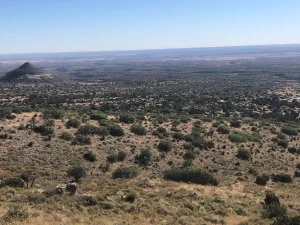
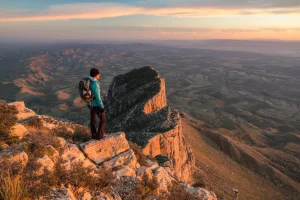
Permian Reef geological formations with 300-million-year history, exposed rock structures, Chihuahuan Desert flora, mule deer sightings at dawn, and spring-fed water sources like Smith Spring and Manzanita Spring. Every hike is a geology lesson and a survival test.
• Pick up topographic map and backcountry brochure at Headquarters Visitor Center before you start—do not skip this step. • False summits are common on Guadalupe Peak; do not celebrate until you hit the summit register. • Trekking pole tips wear on loose rock; bring extras or accept beat-up poles. • Smith Spring Trail is the most forgiving for beginners; McKittrick Canyon is technical and narrow. • Never be above treeline after 2pm during storm season (June-August). • Mule deer appear at dawn and dusk near water sources; watch for them at Smith Spring and Manzanita Spring. • Carry a flashlight even on day hikes; poor trail definition can delay your exit.
Spring (April-May) and fall (September-October)
Depends entirely on chosen trail and child age. Rocky and exposed terrain demand constant supervision for young children. Choose lower-elevation routes with stable footing. Heat and sun exposure are the biggest hazards; older children with strong water discipline handle better than younger ones. Young children not recommended for summit attempts.
Hikers rate Guadalupe day hikes as challenging but rewarding in the right season. Common complaint: intense sun and loose footing in dry heat. Common praise: geology lessons and genuine solitude. Proper preparation (4 quarts water, gear, map skills) is the difference between a great day and a dangerous one.
Day hikes do not require permits; backcountry overnight trips require permits
Not applicable for day hikes
Heat illness is the primary threat. Heat exhaustion develops over hours from sweat and water loss, causing collapse and inability to continue; heatstroke is a medical emergency with sudden collapse, extreme body temperature, and altered mental status. Dehydration happens silently—drink before feeling thirsty. Summer thunderstorms are frequent on high ridges, which are lightning traps; stay off ridges when storms approach. Rattlesnakes are common but rarely aggressive; watch your step. Loose rock demands good boots and poles. Some trails lack clear definition, especially in the northwest corner.
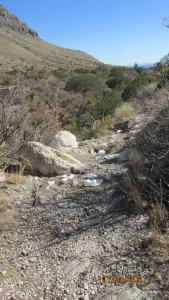
Trail surfaces are loose rock or hardened rock. Hiking poles are highly recommended. Trail widths vary from 2-6 feet. Accessible parking available at all trailheads. Only trained service animals permitted on trails.
Depends entirely on chosen trail and child age. Rocky and exposed terrain demand constant supervision for young children. Choose lower-elevation routes with stable footing. Heat and sun exposure are the biggest hazards; older children with strong water discipline handle better than younger ones. Young children not recommended for summit attempts.
Headquarters Visitor Center at Pine Springs (park brochures, backcountry maps, ranger assistance, first aid). No lodging inside park. Nearby towns: Van Horn (Texas), Whites City (New Mexico), Dell City (Texas), Carlsbad (New Mexico).
Hikers rate Guadalupe day hikes as challenging but rewarding in the right season. Common complaint: intense sun and loose footing in dry heat. Common praise: geology lessons and genuine solitude. Proper preparation (4 quarts water, gear, map skills) is the difference between a great day and a dangerous one.
" Hikers rate Guadalupe day hikes as challenging but rewarding in the right season. Common complaint: intense sun and loose footing in dry heat. Common praise: geology lessons and genuine solitude. Proper preparation (4 quarts water, gear, map skills) is the difference between a great day and a dangerous one."
No. Most trails are strenuous with loose footing and minimal shade. Start with guidebook recommendations for beginner routes (Smith Spring Trail is most forgiving). Even 'easy' routes demand respect and preparation.
4 quarts (1 gallon) per person is the bare minimum. For summit attempts above 8,000 feet, bring more. In summer heat, 5-6 quarts is not excessive. Drink before you feel thirsty; clear urine means you are hydrated.
Varies. Guadalupe Peak and popular routes have decent trails. Northwest corner routes are poorly defined and can be confusing. Bring a topographic map and compass—they are insurance against wrong turns in the backcountry.
Summer afternoons bring frequent thunderstorms. Lightning kills on high ridges. Turn back immediately if storms approach. Descend if on an exposed peak. This is nonnegotiable.
Rattlesnakes are present but rarely aggressive. Watch your step, especially in shade. Make noise on the trail. Black bears exist (rare sightings). Keep 100 yards away; store food properly. Most wildlife avoids hikers.
No. Pets are not allowed on any trails; they disturb wildlife and cannot handle the heat or terrain. Leave your dog at home.
Spring (March-May) or fall (September-October). Summer is dangerously hot with frequent afternoon thunderstorms. Winter brings severe weather. These shoulder seasons offer your safety margin.
6 listings
3 listings
Information is compiled from official sources, verified traveler reviews, and editorial research. Learn how YourNPGuide works →