 Trail
TrailHot Springs Trailhead
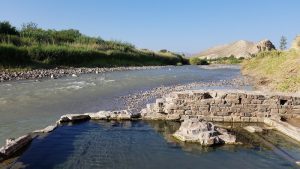
0.5 mi to springs; 1.5 mi loop total; sun-drenched effort with a hot soak at the end.
354 ft elev. gain
View details →

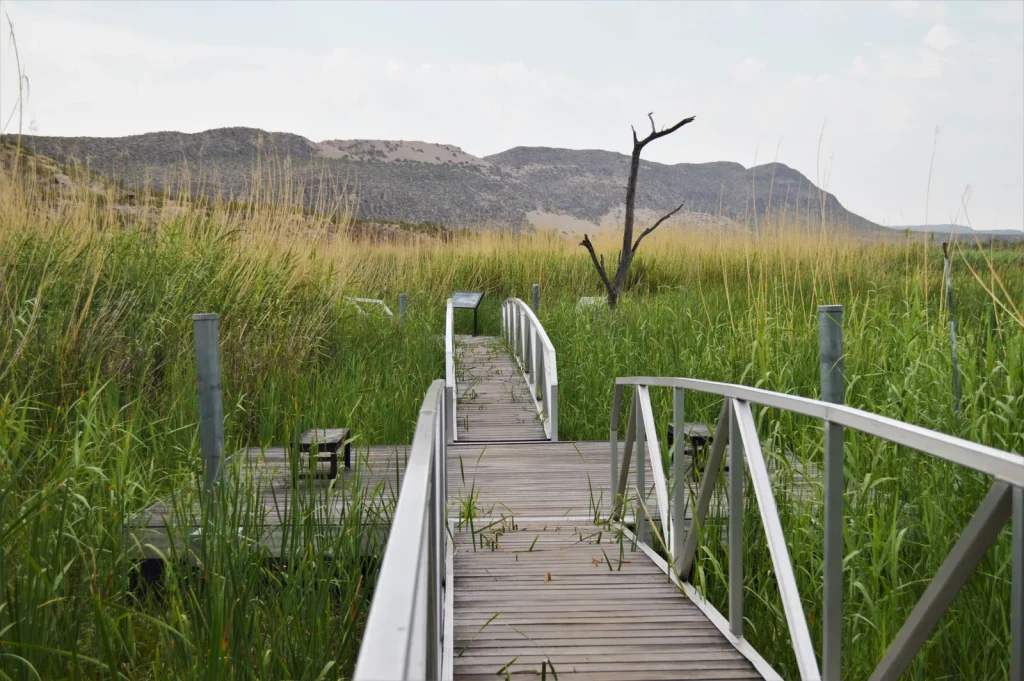
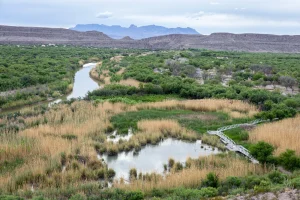
This is the first interpretive stop on the Rio Grande Village Nature Trail, a self-guided tour focused on desert wetland ecology and beaver behavior. You'll observe a spring-fed pond created by bank beaver (which build dens in riverbanks, not lodges—a rare sight in the Chihuahuan Desert). The stop teaches you to identify beaver activity and distinguish them from nutria, an invasive competitor. Expect a short, wheelchair-accessible walk with clear signage and minimal physical demand.
Walk in the park—this is a short, wheelchair-accessible interpretive stop, not a hiking challenge.
A rare desert wetland engineered by beaver—a species listed as endangered in Mexico. Watch for evidence of their work (gnawed trees, dam structures) and learn to distinguish beaver from invasive nutria. The pond is a living classroom for desert ecology.
• Early morning (6:00–8:00 AM) is peak beaver activity time—patience pays. • Bring binoculars and a field guide to identify beaver vs. nutria; they look similar, but the tail shape is the giveaway. • Look at vegetation around the pond edge for fresh chewing marks—beavers girdle trees and leave telltale gnaw patterns. • The pond is spring-fed, so water level stays relatively stable even in dry seasons; this is why wildlife congregates here.
October through May—the operational window for comfortable observation. Summer heat and dehydration risk spike June–September.
Young children must be watched closely—the pond and Rio Grande edges are uneven and close to water. No shade means sunburn risk; slather sunscreen and hats. Bring twice as much water as you think you'll need for kids, who dehydrate faster. The interpretive content is excellent for teaching kids about desert ecology and animal adaptation.
Hikers and naturalists praise this stop for its rare combination of desert and wetland ecology. The interpretive value is high—you'll learn how an endangered species (beaver) survives in one of North America's harshest ecosystems. Visitors note it's a quick stop but worth lingering if wildlife is active. The accessibility makes it a strong choice for families and mobility-limited visitors.
No permits required for day-use interpretive stops. This is a free, self-guided educational experience included with park entry.
No shuttle required. Rio Grande Village is accessible by standard park roads; park your vehicle in the Rio Grande Village lot and walk to the trailhead.
Desert sun with zero shade—midday temperatures exceed 100°F in summer. The pond and Rio Grande edges are close, uneven, and dangerous for unsupervised children. The Rio Grande can surge during monsoon rains (July–September); stay away from the water during or after heavy rain. Always carry water and electrolyte replacement; heat illness escalates fast here.
Wheelchair accessible hardened path to the stop with interpretive signage. No steep grades. Parking is near the trailhead. Accessible restrooms available at Rio Grande Village.
Young children must be watched closely—the pond and Rio Grande edges are uneven and close to water. No shade means sunburn risk; slather sunscreen and hats. Bring twice as much water as you think you'll need for kids, who dehydrate faster. The interpretive content is excellent for teaching kids about desert ecology and animal adaptation.
Rio Grande Village Campground and Rio Grande Village RV nearby for overnight stays. Rio Grande Village has a visitor center, ranger station, and basic supplies. Nearest full services: Study Butte (90 miles northwest).
Hikers and naturalists praise this stop for its rare combination of desert and wetland ecology. The interpretive value is high—you'll learn how an endangered species (beaver) survives in one of North America's harshest ecosystems. Visitors note it's a quick stop but worth lingering if wildlife is active. The accessibility makes it a strong choice for families and mobility-limited visitors.
" Hikers and naturalists praise this stop for its rare combination of desert and wetland ecology. The interpretive value is high—you'll learn how an endangered species (beaver) survives in one of North America's harshest ecosystems. Visitors note it's a quick stop but worth lingering if wildlife is active. The accessibility makes it a strong choice for families and mobility-limited visitors."
Correct. You can glance and move on (5 minutes), but true wildlife observation requires 30+ minutes at dawn or dusk. Bring patience and binoculars if you want to actually spot beaver.
Possibly, but they're shy and primarily nocturnal/crepuscular. Early morning (6:00–8:00 AM) and dusk (one hour before sunset) are your best odds. You'll definitely see evidence of their work—gnawed trees and dam structures.
Yes. It's wheelchair accessible and physically manageable. Keep them away from the pond edge—it's uneven and close to water. Bring hats and sunscreen; they burn fast in desert sun and dehydrate quicker than adults.
Winter/spring: 50–75°F (pleasant). Summer: 100°F+ (dangerous). Fall: 70–85°F (good). Always bring more water than you think—the desert has no mercy.
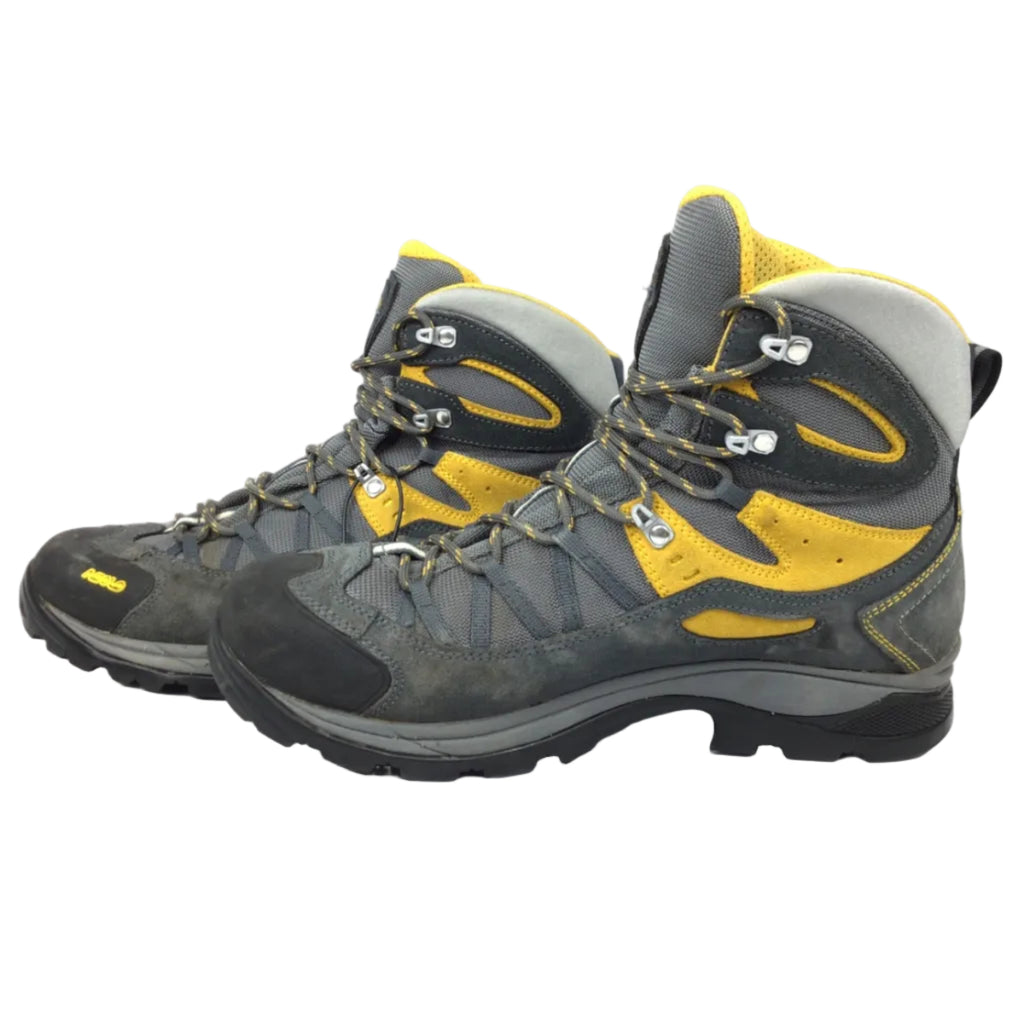
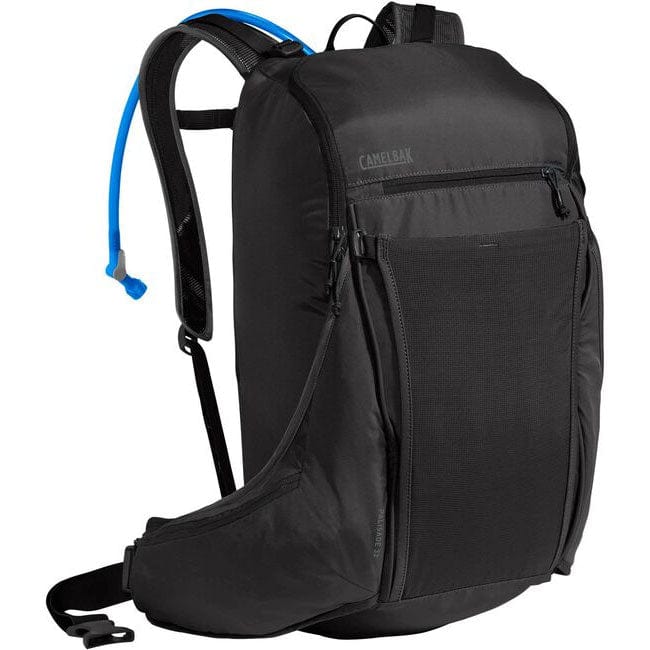
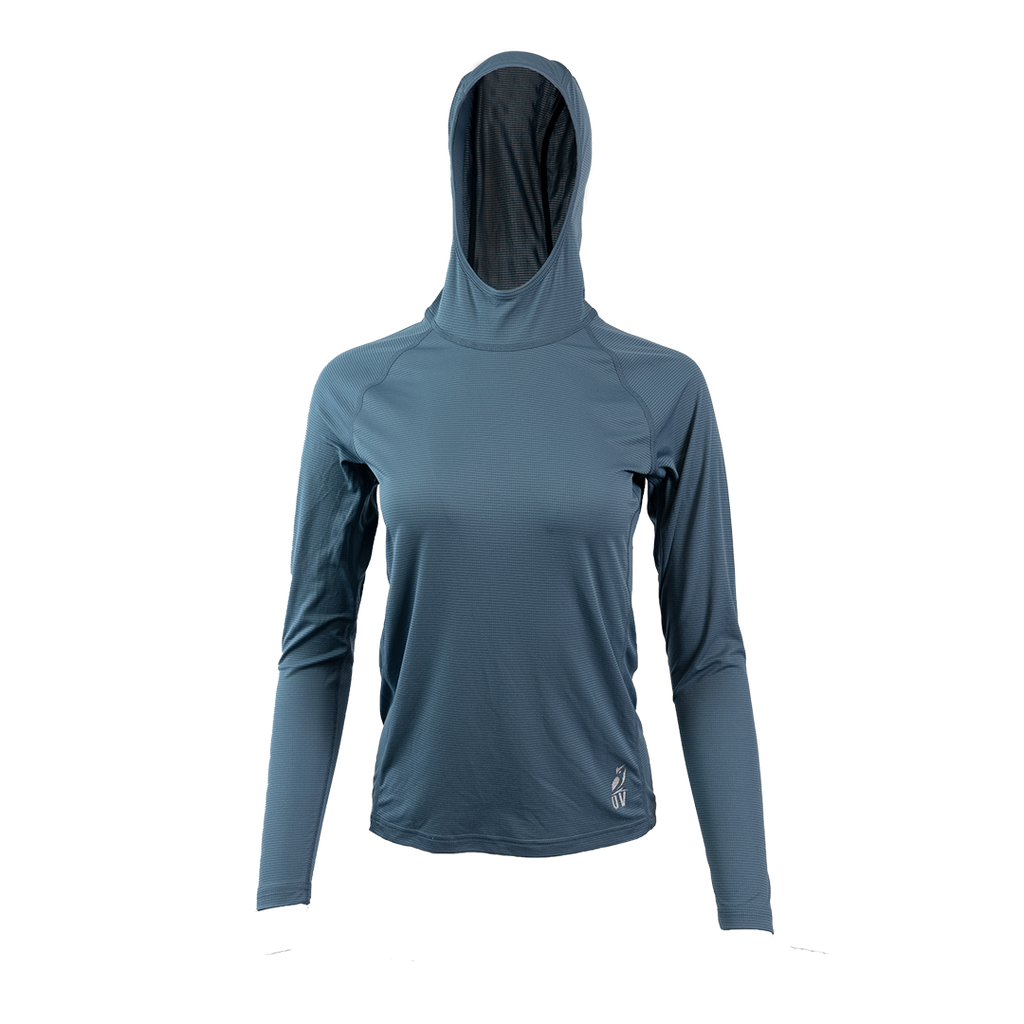
No technical gear. Essential: hat, sunscreen, 2+ liters of water, binoculars for wildlife spotting, and good shoes for uneven ground near water. Bring a small field guide for beaver/nutria ID.
No. Fill up at Rio Grande Village facilities before heading out. The pond and Rio Grande are not potable without filtration.
Not at all. It's self-guided with clear signage and a hardened, wheelchair-accessible path. No navigation skills needed.
6 listings
3 listings
Information is compiled from official sources, verified traveler reviews, and editorial research. Learn how YourNPGuide works →
Notifications