 Trail
TrailAvalanche Peak Trailhead 5N2
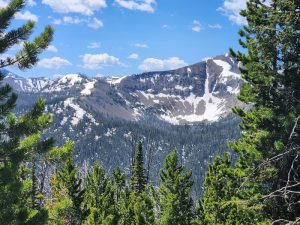
4.5-mile out-and-back; 2,100 ft gain. Relentless climb with a true summit payoff.
2,100 ft elev. gain
View details →

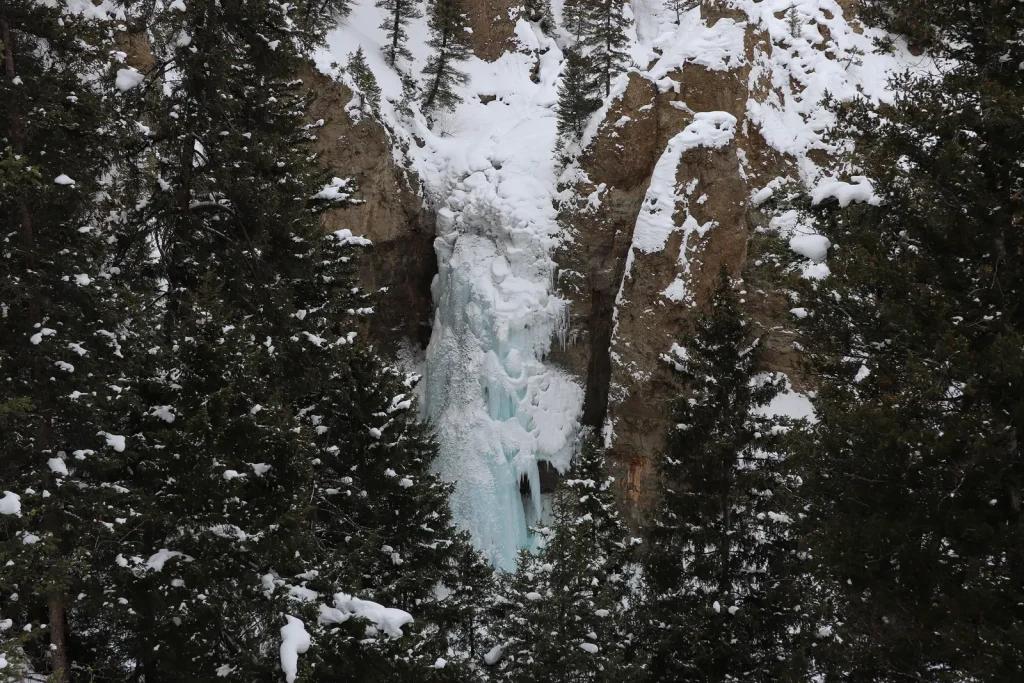
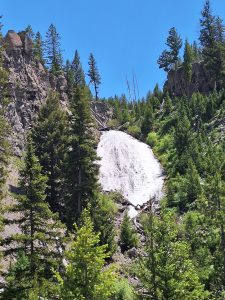
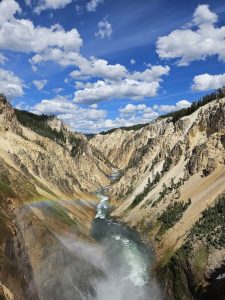
Tower Fall Ski Trail is a 5-mile round-trip easiest ski trail on the occasionally machine-groomed Tower-Canyon road, delivering genuine payoff without the leg-shredding climb. You'll skin past Calcite Springs Overlook with views of the Yellowstone River Canyon, then descend to Tower Fall itself. Weather and wind are your only real adversaries here—the terrain won't fight you, but winter exposure will demand respect. Bison and elk frequent this trail; prepare to observe from a distance.
Easiest—a walk in the park if you have skiing or snowshoeing ability.
Tower Fall vista and the Yellowstone River Canyon view from Calcite Springs Overlook. The thermal springs and wildlife viewing (bighorn sheep, bald eagles, occasional bison and elk) are the psychological payoff for the climb.
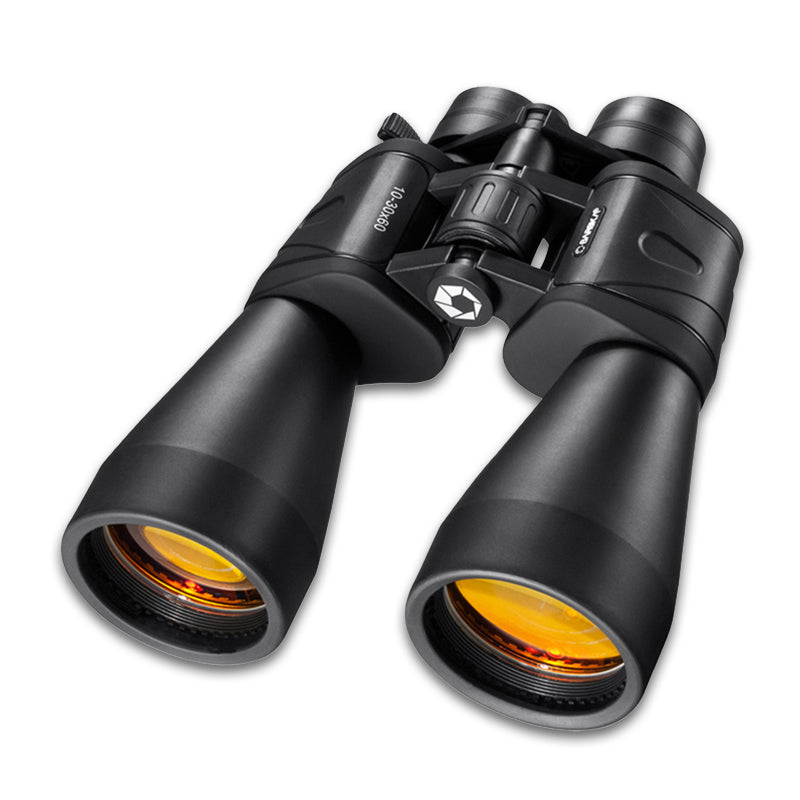
• The false view at the 2-mile mark isn't Tower Fall yet—keep going to the actual fall at 2.5 miles. • Calcite Springs Overlook is the real estate-transaction moment; park your skis and glass (use binoculars) for bighorn sheep on the canyon walls. • Descending skiers have the advantage; if conditions are variable, the return is slower than the ascent. Plan time accordingly. • Bison trails sometimes parallel the road—respect their paths and observe from a distance. • Grooming status is unofficial; call the Tower District Ranger Station for current snow and grading reports. • Winter boots don't fit ski bindings—rent skis or bring dedicated winter ski boots.
Winter
Easiest terrain is suitable for families with skiing or snowshoeing experience. Children must understand and comply with wildlife distance rules (100 yards from bears/wolves, 25 yards from bison). Teach kids to recognize bison behavior (alert, ears back = back away slowly). Avoid bringing very young children who can't maintain pace or follow safety instructions; the 2–3 hour duration and exposure demand maturity.
Winter skiers and snowshoers report this as the easiest introductory ski trail in Yellowstone, delivering reliable payoff (canyon views, waterfall, wildlife) without the leg-destroying climbs of harder routes. The 190-foot gain is forgiving, and grooming (when available) makes conditions predictable. Cold-weather fitness and wind-exposure tolerance matter more than technical skill. Wildlife encounters are frequent but manageable if you respect distance rules and stay alert.
No permits required.
Not required. Self-propelled access only.
Federal regulations require 100 yards minimum distance from bears and wolves; 25 yards from bison and other wildlife. Bison are unpredictable and dangerous when surprised or protecting calves. The road ascends an open slope; afternoon wind gusts can reach 30+ mph and whip snow into visibility-killing ground blizzards in seconds. Dehydration is insidious in cold, dry air—you won't feel thirsty until you're in trouble. Thermal features near Calcite Springs are hot; don't approach them.
Occasionally machine groomed, so traction is generally reliable when groomed; variable when ungroomed. 190 feet of elevation gain over 5 miles is a 3.8% average gradient—comfortable for most winter skiers and snowshoers. Service dogs allowed; other pets prohibited.
Easiest terrain is suitable for families with skiing or snowshoeing experience. Children must understand and comply with wildlife distance rules (100 yards from bears/wolves, 25 yards from bison). Teach kids to recognize bison behavior (alert, ears back = back away slowly). Avoid bringing very young children who can't maintain pace or follow safety instructions; the 2–3 hour duration and exposure demand maturity.
Tower Fall Campground is the nearest base (not available in winter). Tower Junction has a warming shelter and ranger station for emergency contact. Mammoth area (20 miles north) has year-round lodging and services. Madison and Canyon areas offer seasonal winter services.
Winter skiers and snowshoers report this as the easiest introductory ski trail in Yellowstone, delivering reliable payoff (canyon views, waterfall, wildlife) without the leg-destroying climbs of harder routes. The 190-foot gain is forgiving, and grooming (when available) makes conditions predictable. Cold-weather fitness and wind-exposure tolerance matter more than technical skill. Wildlife encounters are frequent but manageable if you respect distance rules and stay alert.
" Winter skiers and snowshoers report this as the easiest introductory ski trail in Yellowstone, delivering reliable payoff (canyon views, waterfall, wildlife) without the leg-destroying climbs of harder routes. The 190-foot gain is forgiving, and grooming (when available) makes conditions predictable. Cold-weather fitness and wind-exposure tolerance matter more than technical skill. Wildlife encounters are frequent but manageable if you respect distance rules and stay alert."
Yes. Easiest terrain with zero technical requirements. No steep slopes, no scrambling. If you can maintain balance and basic control, you can finish this trail. Snowshoeing is actually easier than skiing for beginners—no bindings or edge control required.
Unlikely but possible. Most bears are hibernating December–March, but hungry or disturbed bears may be active. Maintain 100 yards distance if you see one. Make noise while traveling (talk, don't use music) and avoid the thermal areas where bears might den.
Stay on the obvious road corridor—it's unmistakable. Carry a map and compass as backup (cell service is unreliable). Turn back before dark; winter daylight ends by 5:00 PM. Self-rescue is your primary responsibility; don't assume ranger patrols will find you fast.
Winter-specific boots and skis or snowshoes are essential. Summer hiking boots are inadequate—they'll get wet, freeze, and cause hypothermia. Rent from Mammoth or bring dedicated winter equipment. Layers, gloves, and a balaclava are non-negotiable.
Winter backcountry in Yellowstone is quiet by design. You'll likely encounter few or zero other skiers on most days. Solitude is the default. This is a strength if you value silence; a liability if you're solo and injured.
You'll still finish. An ungroomed snow road is just deeper, slower travel. Snowshoeing becomes more attractive than skiing on ungroomed sections. Call the Tower District Ranger Station (307) 344-2211 before driving to confirm current grooming status and snow depth.
6 listings
4 listings
Information is compiled from official sources, verified traveler reviews, and editorial research. Learn how YourNPGuide works →
Notifications