 Trail
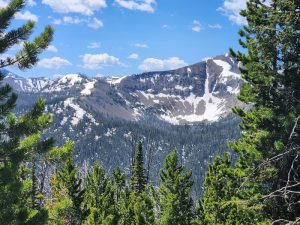
TrailAvalanche Peak Trailhead 5N2
4.5-mile out-and-back; 2,100 ft gain. Relentless climb with a true summit payoff.
2,100 ft elev. gain
View details →

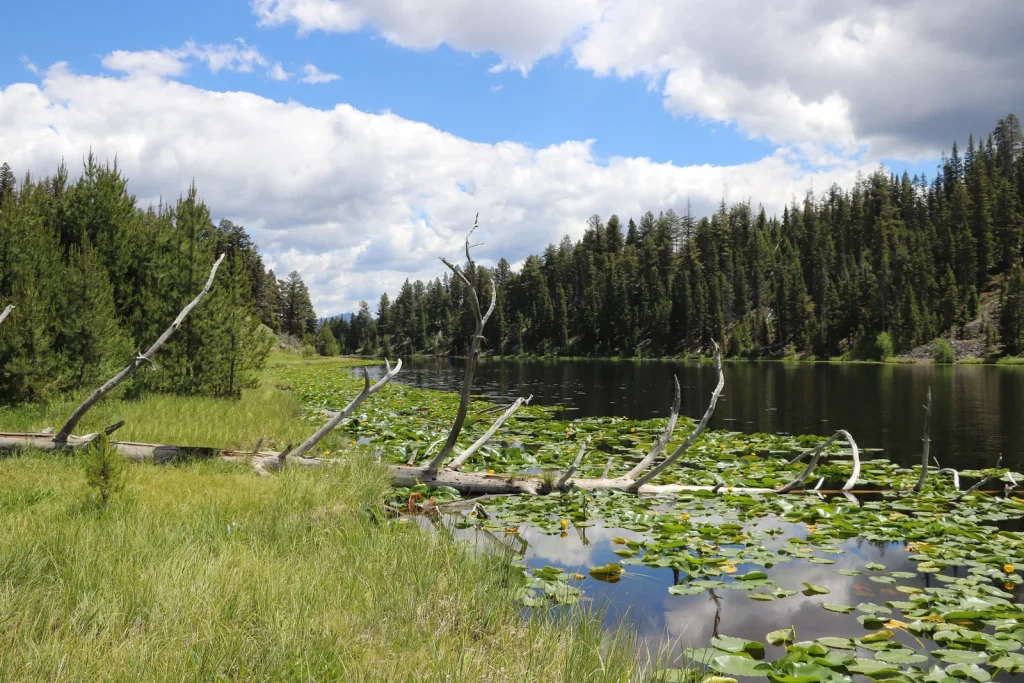
This 2.8-mile moderate loop earns its name: Lost Lake delivers scenic water views, waterfowl, and if you're lucky, beaver dams and wildflowers. The elevation gain (300 feet) is steady but not crushing—expect 1-2 hours if you move at purpose. The real hazard: this area has serious bear and bison traffic. Keep your head on a swivel and your bear spray loaded."
Moderate
Lost Lake reflections with mountain frame, waterfowl and possible beaver sightings, wildflower displays in early summer, open sagebrush vistas, Petrified Tree curiosity stop, high probability of black bear and bison encounters (not optional).
• Start at 6 AM or earlier to beat crowds and catch bears in peak activity (dawn foraging). • The first lake viewpoint (Mile 1.5) will tempt early turnarounds—resist it. Continue to the far side of Lost Lake (beyond Mile 2) for the real reflection shot with mountain backdrop and calm water (beaver work). • Bring trekking poles—the descent from the bench hammers knees; poles cut stress by 40%. • Horseback riders often use this trail weekday mornings (tourist rides from Roosevelt)—hike early or go mid-afternoon to avoid horse encounters. • Water caching: Ranger office (Tower Ranger Station) can advise if Lost Lake Creek is reliable for filtering; don't assume. • Golden hour (first 2 hours or last 2 hours of daylight) provides best light for camera work and water reflections. • The bench section is the real sweat—relentless grade with no break. Save water for that push.
May through September. Roads typically open mid-April; September marks the onset of frost and shortened daylight. Winter hiking is possible but requires winter-specific gear (crampons, microspikes, extra water/insulation).
Moderate difficulty is manageable for fit kids ages 10+. Keep children close—bear and bison encounters are real and frequent here. Hand-holding required on steeper bench segments. Stop frequently (every 20-30 minutes) for wildlife watching to break up the climb and manage pace. Teach kids to make noise and stay behind you on the trail. Not suitable for toddlers or children tired easily by elevation gain.
Hikers respect this trail for its moderate difficulty and guaranteed wildlife encounters. The 300-foot climb is steady but not brutal; most rate it worth the effort for Lost Lake views and waterfowl activity. Feedback centers on bear anxiety (warranted—they're here) and knee stress on the descent. Those prepared for wildlife and sun exposure praise the scenic payoff and solitude opportunities on early-start attempts.
No permits required for day hiking on this trail. Register at the trailhead if requested by rangers.
Not required. Two trailhead options (Roosevelt Lodge and Petrified Tree parking) allow flexibility. Starting at Petrified Tree avoids Roosevelt congestion and adds directional variety to the loop.
This area is home to many bears and bison—the NPS safety notes specifically warn of frequent encounters. Use caution, make noise, and keep 100+ yards from wildlife. Trail shared with horseback riders; move to the downhill side and stand still until they pass. Bench section has steeper drop-offs; not technically exposed, but a slip matters. Sagebrush sections lack shade; sun exposure and dehydration are real risks in summer heat. Roots in forested areas can catch toes. Ridge sections catch wind and sudden weather.
Rooty and steep in forested sections; firm bench sections on ridge. Not suitable for mobility devices, crutches, or strollers. The elevation gain and uneven terrain require solid leg strength and balance. Not wheelchair accessible.
Moderate difficulty is manageable for fit kids ages 10+. Keep children close—bear and bison encounters are real and frequent here. Hand-holding required on steeper bench segments. Stop frequently (every 20-30 minutes) for wildlife watching to break up the climb and manage pace. Teach kids to make noise and stay behind you on the trail. Not suitable for toddlers or children tired easily by elevation gain.
Roosevelt Lodge (trailhead, historic building, ranger info, restrooms); Tower Fall Campground (~3 miles away); Mammoth District Ranger Station (~20 miles); Tower Junction has basic services. No on-trail services—all supplies must be carried in.
Hikers respect this trail for its moderate difficulty and guaranteed wildlife encounters. The 300-foot climb is steady but not brutal; most rate it worth the effort for Lost Lake views and waterfowl activity. Feedback centers on bear anxiety (warranted—they're here) and knee stress on the descent. Those prepared for wildlife and sun exposure praise the scenic payoff and solitude opportunities on early-start attempts.
" Hikers respect this trail for its moderate difficulty and guaranteed wildlife encounters. The 300-foot climb is steady but not brutal; most rate it worth the effort for Lost Lake views and waterfowl activity. Feedback centers on bear anxiety (warranted—they're here) and knee stress on the descent. Those prepared for wildlife and sun exposure praise the scenic payoff and solitude opportunities on early-start attempts."
Very likely. This is high-bear-activity terrain—the NPS specifically warns of frequent encounters. Make constant noise, hike with a partner minimum, carry bear spray (accessible on hip, not in pack), and maintain 100+ yards distance. Bears are more dangerous when surprised; prevention is everything. If you see one, back away slowly, do not run.
Not recommended. While the trail is popular and well-marked, solo hiking here is reckless given bear activity. Hike with a partner minimum (groups deter bears). If you must go solo, inform a ranger of your route and expected return time, make aggressive noise, and turn back immediately if you feel unsafe.
Moderate. 300 feet of elevation gain over 2.8 miles is manageable for most hikers with basic cardio fitness. The challenge is not technical scrambling—it's sun exposure, relentless climbing, and psychological load of bear vigilance. Trekking poles and a steady pace help tremendously.
Bear spray (mandatory—must be accessible on your hip), 2+ liters water, sun protection (sunscreen, hat, sunglasses), map, and sturdy boots or hiking shoes. Trekking poles ease knee strain on descent. First-aid kit, insect repellent, and emergency whistle are wise. Light layers—weather can shift fast at elevation.
Yes. You can hike to Lost Lake from Roosevelt Lodge and return the same way (~2 miles round trip, less elevation), skipping the Petrified Tree loop extension. Perfect for time-constrained or reluctant hikers. Same scenery, lower time commitment and mileage.
Moderate-to-heavy during July-August peak season, especially 10 AM-4 PM. Weekdays quieter than weekends. May, June, September, and October are much quieter. Winter (Nov-Apr) sees minimal traffic. Start by 6-7 AM for better solitude odds even in summer.
No reliable potable water. A small creek near Lost Lake *may* flow in summer, but water quality is not guaranteed—filter aggressively if you draw from it. Carry 2+ liters of water from the trailhead. Dehydration is a real risk on sun-exposed sections.
6 listings
4 listings
Information is compiled from official sources, verified traveler reviews, and editorial research. Learn how YourNPGuide works →
Notifications