 Trail
TrailAvalanche Peak Trailhead 5N2
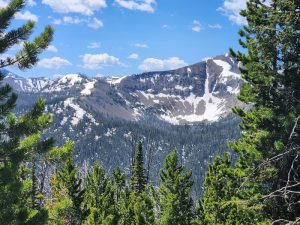
4.5-mile out-and-back; 2,100 ft gain. Relentless climb with a true summit payoff.
2,100 ft elev. gain
View details →

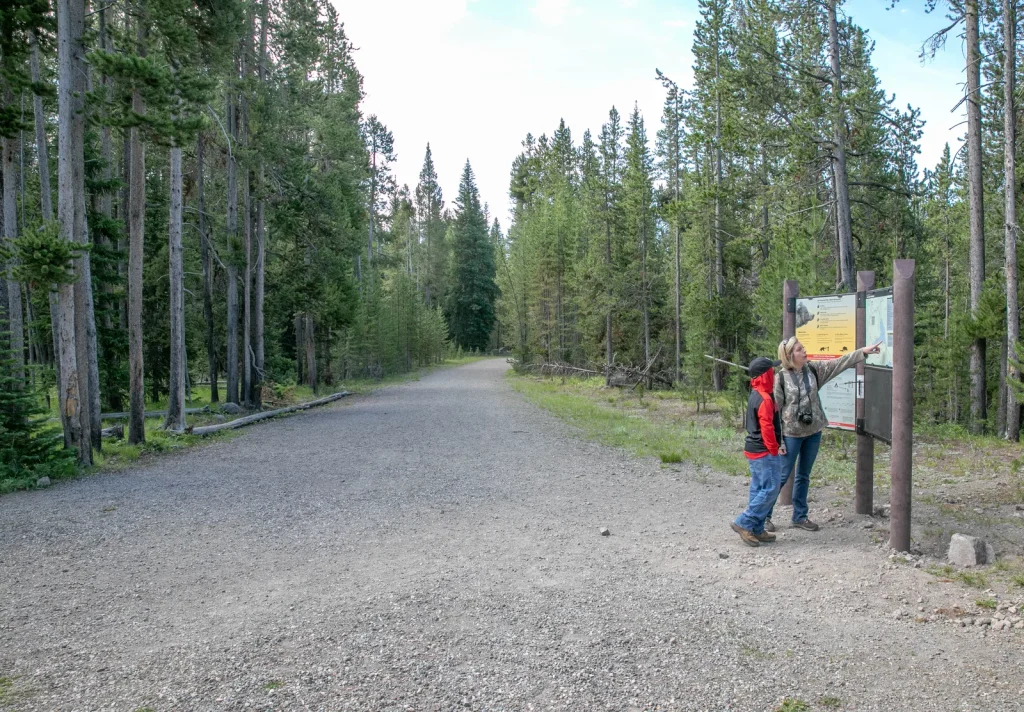
Lone Star Geyser is your easiest geyser ticket in Yellowstone. This 4.8-mile out-and-back follows an old service road beside the Firehole River to a cone that erupts predictably every three hours. Mostly paved, almost entirely flat—but thermal hazards demand constant trail discipline. High-altitude sun means water discipline is mandatory.
Easy
Lone Star Geyser eruptions (up to 45 feet, roughly every 3 hours) and the scenic Firehole River valley.
• Time your hike to catch a geyser eruption—check predicted times at visitor center or online. • The gravel section isn't the end; hike to the cone for the full experience. • Bring a headlamp if hiking late—the service road is exposed after dark. • Spring is muddy but offers fewer crowds. • The Firehole River is scenic—take 10 minutes at Mile 2 for photos.
Spring through fall (mid-April through early November). Summer offers warmest, driest conditions.
Flat and easy enough for families with young children. Thermal hazards require constant supervision—children must stay on trail at all times. Geyser eruption viewing is exciting for kids; timing helps.
Hikers call this the accessible geyser experience—it delivers Yellowstone drama without technical climbing. The paved section feels gentle, but thermal hazards are real and demand constant respect. Crowds can be heavy in summer; early morning or shoulder season (May-June, September) offers better conditions.
Not required.
Not required. Trailhead is accessible via personal vehicle from Old Faithful area.
Lone Star Geyser cone and thermal runoff areas are extremely hot and dangerous—barriers exist for a reason. Geyser eruption spray can reach 45 feet. Hydrogen sulfide gas and other toxins are present; stay on marked trail. River crossings may be swift during snowmelt. Full sun on unshaded asphalt creates heat stress risk.
Wheelchair and mobility device accessible on paved service road portion. Final few hundred feet transition to gravel—accessibility limited.
Flat and easy enough for families with young children. Thermal hazards require constant supervision—children must stay on trail at all times. Geyser eruption viewing is exciting for kids; timing helps.
Old Faithful area (3.5 miles north) has visitor center, lodging, dining, shops, and gas. Nearest restroom: Old Faithful complex.
Hikers call this the accessible geyser experience—it delivers Yellowstone drama without technical climbing. The paved section feels gentle, but thermal hazards are real and demand constant respect. Crowds can be heavy in summer; early morning or shoulder season (May-June, September) offers better conditions.
" Hikers call this the accessible geyser experience—it delivers Yellowstone drama without technical climbing. The paved section feels gentle, but thermal hazards are real and demand constant respect. Crowds can be heavy in summer; early morning or shoulder season (May-June, September) offers better conditions."
Absolutely. It's flat and mostly paved. The challenge is sun exposure and hydration management, not fitness. An average person can do this at any pace.
Yes, in daylight. It's well-marked, well-trafficked, and stays near the river. Avoid solo night hikes—the service road is exposed and unmarked after dark.
Lone Star erupts roughly every 3 hours, but it's not on a clock. You might wait 2-4 hours. Check predicted times at the visitor center before starting. If timing fails, the walk is still scenic.
No special gear needed. Just stay on the marked trail, obey barriers, and don't touch thermal features. The hazards are obvious and fenced.
Minimum 2 liters. Full sun, high altitude, and minimal shade mean aggressive dehydration. Treat river water with filter or purifier if you need to refill.
Yes, for kids who can walk 4.8 miles and stay on trail without bolting toward steam vents. The flat terrain is kid-friendly; thermal hazards demand constant parental attention.
Yes on the paved asphalt section. You must dismount and walk the final few hundred feet. Bikes and crowds mix poorly; consider the popularity before committing.
6 listings
4 listings
Information is compiled from official sources, verified traveler reviews, and editorial research. Learn how YourNPGuide works →
Notifications