 Trail
TrailAvalanche Peak Trailhead 5N2
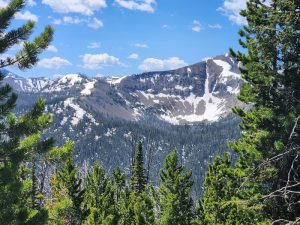
4.5-mile out-and-back; 2,100 ft gain. Relentless climb with a true summit payoff.
2,100 ft elev. gain
View details →

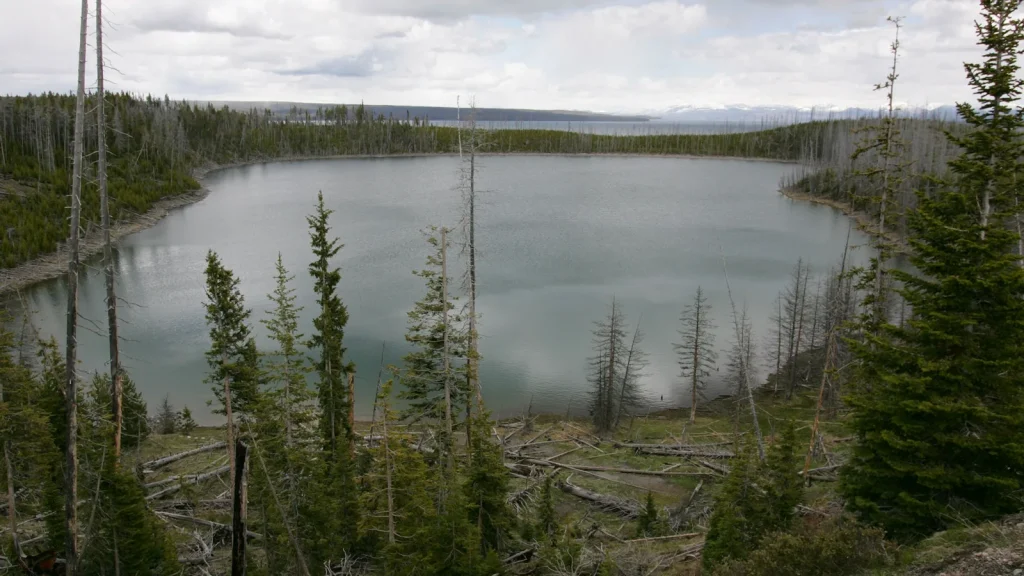
This 0.8-mile there-and-back climb rewards with panoramic views of Duck and Yellowstone lakes and the starkly visible 1988 fire recovery landscape. Moderate difficulty suits most hikers, but expect exposed terrain with zero shade—bring sunscreen and water. The 1-2 hour duration makes it manageable for families or time-crunched visitors. Quick payoff for minimal time investment.
Moderate
Panoramic dual-lake vistas from modest elevation gain. The 1988 fire recovery is stark and educational—a landscape in active ecological recovery. Summit offers 360-degree views: Duck Lake below, Yellowstone Lake stretching east, blackened hillsides marking the burn zone.
• The 'small hill' is gentler than expected—most hikers finish in 1-1.5 hours, leaving time to explore West Thumb's thermal features. • Hike early (before 8:00 AM) or late (after 4:00 PM) to dodge the mid-day tour bus crush. • The 1988 fire scar is stark and scientifically fascinating—use it as a teaching moment on landscape recovery. • This is a perfect confidence-builder trail for families testing longer Yellowstone hikes. • The reflection shot off Duck Lake works best from the right angle on summit—scout your angle before descent.
Summer and Fall (June-October)
Short distance (0.8 miles) suits young children; school-age kids handle the moderate grade easily. Bring 2+ liters of water, sunscreen, and frequent rest breaks. Adult supervision required for exposed terrain and wildlife safety. The 1988 fire landscape is educational—explain the recovery ecology to engage kids.
Hikers praise the short duration and dual-lake vistas, calling it ideal for time-crunched visitors and families. The moderate grade does not intimidate. The 1988 fire recovery—visible, stark, and educational—sets this trail apart from typical park walks and creates a unique landscape perspective.
No permits required for day hiking.
No shuttle required; park at the trailhead.
Always be aware of your surroundings. The burned landscape offers zero shade—heat and UV exposure are serious threats on hot days. Grizzly bears and bison inhabit this region; make noise while hiking, travel in groups when possible, maintain safe distance. Rocky, uneven terrain from fire recovery requires sure footing and attention on descent.
Short distance (0.8 miles) suits young children; school-age kids handle the moderate grade easily. Bring 2+ liters of water, sunscreen, and frequent rest breaks. Adult supervision required for exposed terrain and wildlife safety. The 1988 fire landscape is educational—explain the recovery ecology to engage kids.
Grant Village offers lodging, dining, and visitor services (minutes away). West Thumb Geyser Basin parking area has minimal services. Old Faithful (north via Grand Loop Road, ~45 minutes) offers expanded services. Mammoth District Ranger Station available for ranger contact.
Hikers praise the short duration and dual-lake vistas, calling it ideal for time-crunched visitors and families. The moderate grade does not intimidate. The 1988 fire recovery—visible, stark, and educational—sets this trail apart from typical park walks and creates a unique landscape perspective.
" Hikers praise the short duration and dual-lake vistas, calling it ideal for time-crunched visitors and families. The moderate grade does not intimidate. The 1988 fire recovery—visible, stark, and educational—sets this trail apart from typical park walks and creates a unique landscape perspective."
Yes, bear-aware. Make noise while hiking, travel in groups when possible. The 1988 burn has reduced vegetative cover—better visibility means you'll spot bears from farther away, but they'll see you too. Never store or carry food; follow all bear-safety protocols.
Absolutely. The 0.8-mile distance and moderate grade suit school-age children. Bring 2+ liters of water, sunscreen SPF 50+, and take frequent breaks. The dual-lake views and fire recovery landscape hold their attention.
Useful but not mandatory. The rocky, uneven fire-recovery terrain benefits from poles to reduce knee strain on descent, especially for older hikers or those with pre-existing knee issues.
No reliable water. The trail is dry. Filtering lake water is only an emergency-backup option. Carry minimum 2 liters of drinking water—non-negotiable given sun exposure and heat on exposed terrain.
It's genuinely moderate in elevation gain and grade. The challenge is exposure—zero shade, relentless sun, and heat reflecting off black burned terrain make it feel harder than the short distance suggests. Respect the sun; it's the true killer here.
The 1988 fire recovery landscape. You're hiking through terrain in active ecological regeneration—stark, educational, and visually distinctive. Coupled with dual lake views, it's a quick confidence-builder with real scenic payoff.
Skip if you're sun-sensitive, hate exposed terrain, or need shade. Skip if you need deep solitude—this is a busy pit stop. Avoid mid-afternoon in summer peak. Better: Visit in September-October when crowds and heat pressure both drop.
6 listings
4 listings
Information is compiled from official sources, verified traveler reviews, and editorial research. Learn how YourNPGuide works →
Notifications