 Trail
TrailAvalanche Peak Trailhead 5N2
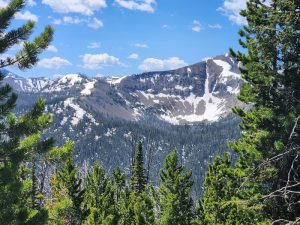
4.5-mile out-and-back; 2,100 ft gain. Relentless climb with a true summit payoff.
2,100 ft elev. gain
View details →

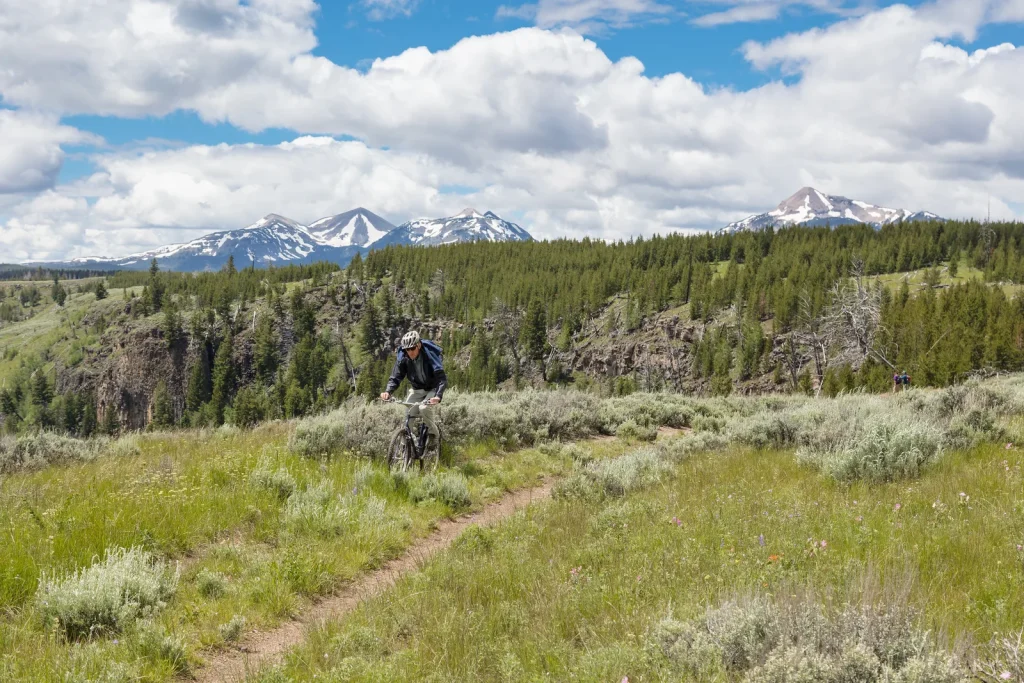
This is a ten-mile mountain bike loop through grizzly country with 1,120 feet of elevation gain—strenuous and technical. The first three miles are deceptive: flat dirt road that lulls you into false confidence. Then the northeast face turns vicious, dropping 960 feet in 2.5 miles with sharp curves and cliff-edge exposure demanding full control. Expert riders only, summer and fall. Bring bear spray and arrive before dawn.
Strenuous
The payoff is the northeast descent: screaming down 960 feet of technical dirt with perfect control through cliff-edge curves. Views of the thermal landscape and Bunsen Peak reward you at multiple points. The final 1,000-foot climb back to the main road is the real battle—grinding fitness and mental grit.
• The false summit at mile 4 feels like the end—it's not. Push through to the final descent. • The Osprey Falls alternative (6.5 miles round trip from Bunsen Peak trailhead) is much gentler for warm-ups or bailouts. • Descending after 10am risks finishing in fading light—not ideal. • Glen Creek drainage is the steepest, most technical section. Use full braking control, lean back, and respect the exposure.
Summer and Fall
NOT family-friendly. The steep descents (950 feet in 2.5 miles) and cliff-edge drop-offs make this unsuitable for children and inexperienced riders. Drop-offs are severe and exposure is real.
Riders call this a lung-buster with real exposure. The first half on flat dirt is manageable; the second half (960-foot descent plus 1,000-foot climb) separates the fit from the struggling. Most agree: expert technical skill and fitness required. Do not attempt if you're new to mountain biking.
No permit required; park entrance fee applies
No shuttle service available
Grizzly and black bears are active—bear spray mandatory, and you must know how to deploy it. Stay 100 yards from bears/wolves and 25 yards from bison and elk. Sharp, abrupt drop-offs are common, especially on the northeast descent; cliff-edge curves demand technical control. The 960-foot drop in 2.5 miles and 1,120-foot overall gain test fitness and nerve.
First 3 miles: mostly flat dirt road, potentially rideable by hand-cycle with mountain bike tires. Remaining 7 miles: very steep, technical, with sharp drop-offs and abrupt curves—NOT suitable for casual riders, novices, or those with vertigo. Service dogs permitted but face increased wildlife risk in backcountry.
NOT family-friendly. The steep descents (950 feet in 2.5 miles) and cliff-edge drop-offs make this unsuitable for children and inexperienced riders. Drop-offs are severe and exposure is real.
Mammoth Hot Springs offers lodging, dining, and ranger services. Nearest campground: Mammoth Campground.
Riders call this a lung-buster with real exposure. The first half on flat dirt is manageable; the second half (960-foot descent plus 1,000-foot climb) separates the fit from the struggling. Most agree: expert technical skill and fitness required. Do not attempt if you're new to mountain biking.
" Riders call this a lung-buster with real exposure. The first half on flat dirt is manageable; the second half (960-foot descent plus 1,000-foot climb) separates the fit from the struggling. Most agree: expert technical skill and fitness required. Do not attempt if you're new to mountain biking."
Yes—grizzly and black bears are active in this area. Bear spray is mandatory; carry it on your hip belt and know how to deploy it. Stay 100 yards away if you see one.
No. The dirt road is chunky, the descent is technical with sharp drop-offs, and road bike tires will lose traction. Mountain bikes are essential.
Yes—the lot fills by 7am most summer days. Arrive by 5:30am or risk wasting your drive. There are no overflow lots or shuttle alternatives.
3 liters minimum. The trail is exposed with zero water sources. Dehydration kills your ride and your judgment around wildlife.
The Osprey Falls alternative (6.5 miles round trip) is much gentler. Or do an out-and-back from Bunsen Peak trailhead for as long as you want.
No permit required, but the park entrance fee applies ($35 per vehicle, 7-day pass, or $20 per person on foot/bike).
Solo travel is possible, but tell someone your plan and expected return time. Carry bear spray, a map, and full water. Know your fitness limits and that emergency response is slow in the backcountry.
6 listings
4 listings
Information is compiled from official sources, verified traveler reviews, and editorial research. Learn how YourNPGuide works →
Notifications