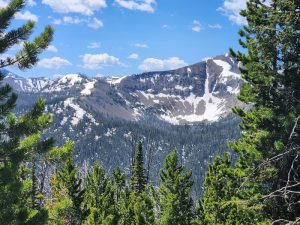
 Trail
TrailAvalanche Peak Trailhead 5N2
4.5-mile out-and-back; 2,100 ft gain. Relentless climb with a true summit payoff.
2,100 ft elev. gain
View details →

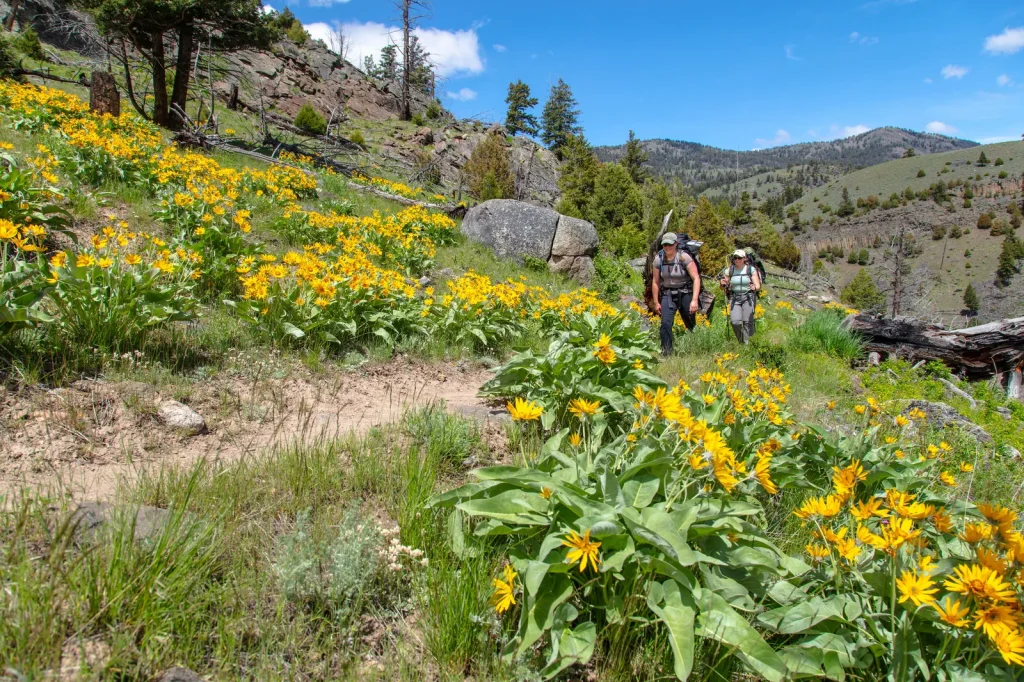
This strenuous 7.4-mile there-and-back hike descends 1,100 feet through Douglas-fir forest and rolling grassland to a dramatic suspension bridge over the Yellowstone River. The reward is worth the pain: a wild river crossing and intimate views of the canyon below. Expect a punishing descent and a grim climb back out—bring trekking poles and double your water. The trail is shared with horseback riders, so make noise constantly and stay alert.
Strenuous
The suspension bridge crossing over the Yellowstone River is the crown jewel—a white-knuckle moment suspended above churning water. The descent offers constant forest-to-grassland transitions and intimate views of Blacktail Deer Creek drainage. The river vista at trail's end justifies every painful step of the return climb.
• The trail is popular with horseback outfitters; mid-morning (9-11 AM) has fewer riders • Most hikers stop at the bridge and turn around; few continue to explore beyond • The descent feels steeper than elevation suggests; control your speed • Water from the creek is safe if filtered; many hikers skip backup water and suffer on the climb out • The return ascent is psychologically harder than the descent; set conservative turnaround time based on when you hit the bridge • Horseback traffic is heaviest Thursday-Saturday; weekday mornings are quieter
May through October (Spring, Summer, and Fall)
Not suitable for children under 12. The 1,100-foot descent is aggressive, unpaved, and technical. The suspension bridge may frighten younger hikers. Hand-holding on the bridge is mandatory. Realistic fitness assessment required.
Hikers consistently report the descent as steeper and more demanding than anticipated, making the return climb a serious physical test. The suspension bridge is a unique, slightly anxiety-inducing reward that justifies the effort. Most hikers rate it highly but warn newcomers to underestimate neither the descent nor the return ascent.
No permits required; day-use only
No shuttle service available or required
The descent is relentless and steep—expect aggressive knee strain on the way down and leg failure on the way up. Loose rock and exposed roots create serious ankle-turning hazard. Horseback riders can appear suddenly around blind curves; move to the side and make noise. The suspension bridge may trigger vertigo in height-sensitive hikers. Black bears and grizzlies are possible, especially near Blacktail Deer Creek; make noise constantly and carry bear spray.
Rooty, steep, and uneven terrain with packed dirt, loose rock sections, and unstable footing. Not accessible for wheelchairs or those with significant mobility limitations.
Not suitable for children under 12. The 1,100-foot descent is aggressive, unpaved, and technical. The suspension bridge may frighten younger hikers. Hand-holding on the bridge is mandatory. Realistic fitness assessment required.
Mammoth Hot Springs is 7 miles away; offers lodging, dining, fuel, and ranger services. No facilities at trailhead.
Hikers consistently report the descent as steeper and more demanding than anticipated, making the return climb a serious physical test. The suspension bridge is a unique, slightly anxiety-inducing reward that justifies the effort. Most hikers rate it highly but warn newcomers to underestimate neither the descent nor the return ascent.
" Hikers consistently report the descent as steeper and more demanding than anticipated, making the return climb a serious physical test. The suspension bridge is a unique, slightly anxiety-inducing reward that justifies the effort. Most hikers rate it highly but warn newcomers to underestimate neither the descent nor the return ascent."
If you've hiked 8+ miles with 1,000+ feet elevation on uneven terrain before, you can do this. But don't underestimate it. The steep descent is relentless, and the return ascent is brutal. Be brutally honest about your fitness.
Yes, done solo regularly and it's safe if you prepare. Bring a whistle, make noise constantly, and tell someone where you're going. The trail is well-traveled enough that help is reachable. Avoid solo hiking at dusk or dawn when visibility drops.
Trekking poles (non-negotiable for the descent), 2-3L water capacity, sturdy boots with aggressive tread, and a headlamp if starting early. Bear spray is recommended. A basic first aid kit for ankle injuries is wise.
Walk it slowly and deliberately. The bridge is engineered to handle horses and hikers; it's safe despite the sway. Look ahead, not down. Some hikers crawl or sit and scoot across—both are valid and safe. You will make it.
If you're not at the bridge by 2 hours from the trailhead, you're behind pace. Reassess your speed. The real test is whether you have energy reserves to climb back up safely. Turn around conservatively and without ego.
Yes, black bears and grizzlies are possible, especially in the creek corridor. Make noise constantly, never leave food behind, and carry bear spray. Don't hike alone at dawn or dusk when bears are most active near water.
6 listings
4 listings
Information is compiled from official sources, verified traveler reviews, and editorial research. Learn how YourNPGuide works →
Notifications