 Trail
TrailAvalanche Peak Trailhead 5N2
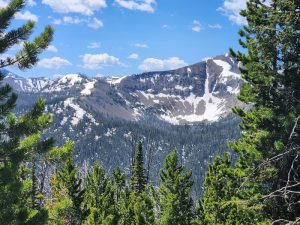
4.5-mile out-and-back; 2,100 ft gain. Relentless climb with a true summit payoff.
2,100 ft elev. gain
View details →

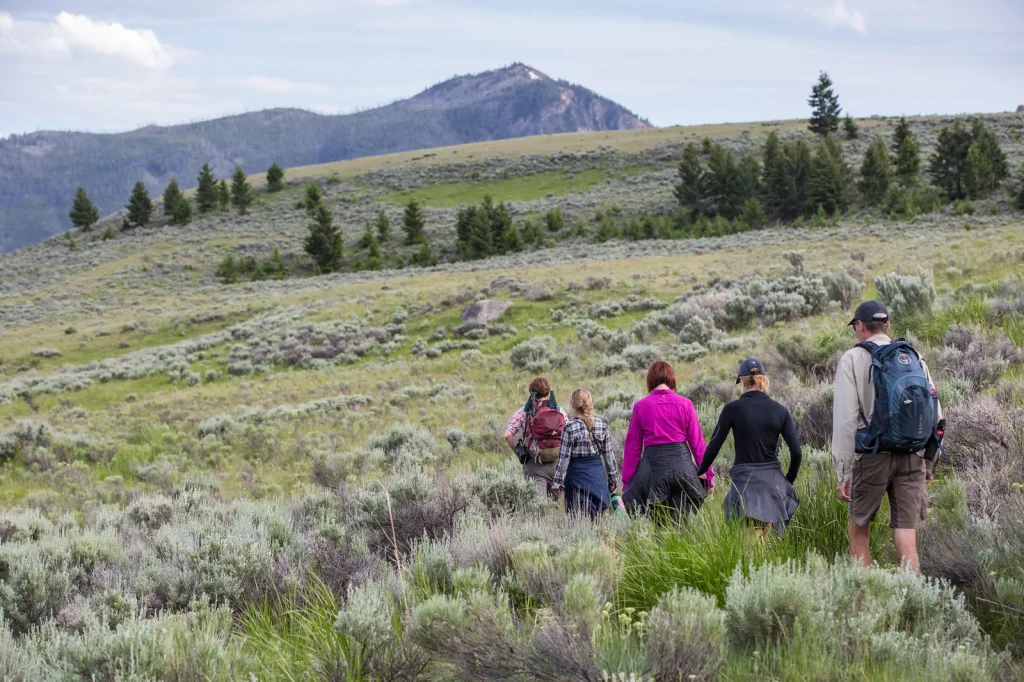
Beaver Ponds Trail is a 5-mile loop through sagebrush meadows and mixed conifer forests near Mammoth Hot Springs, gaining 350+ feet over rocky, narrow terrain with switchbacks and several wooden bridges. You'll hunt beaver ponds halfway around but are more likely to spot muskrats, water birds, elk, moose, and mule deer. Grizzly and black bears frequent this area, making noise and bear awareness mandatory. This is a moderately strenuous hike requiring solid footing, especially on the narrow bridge sections.
Moderately Strenuous
The beaver ponds at the midpoint are the focal feature—look for muskrats and water birds more readily than beavers. Loop format means you descend different scenery than you climbed. High probability of seeing large mammals (elk, moose) in the meadow and forest transitions, especially early or late day.
• The beaver ponds are roughly halfway around the loop—don't rush; this is where wildlife converge. • Muskrats and water birds are far more likely than beavers, especially mid-day. Best mammal viewing (elk, moose) is early morning or dusk. • The loop's two trailheads are connected by the trail only—if you start at Liberty Cap, you'll finish at the Hotel area or vice versa. The difference in scenery each direction is significant. • Narrow bridge sections are easier to navigate uphill than downhill—consider which trailhead as your start based on energy reserves. • In bear country, treat the sagebrush meadow sections as prime encounter zones; be especially loud there.
Year-round access, but most park roads open mid-April through early November. Winter conditions (snow and ice) are common November through April.
Older children (10+) and experienced young hikers can manage this loop. The narrow bridge sections require tight hand-holding and careful footing—supervise closely. Elevation gain and rocky terrain are taxing for young legs. Teach children to make bear noise as a game to stay engaged and alert.
Hikers report this is a solid moderately strenuous loop with good variety—meadows, forest, water features, and high wildlife sightability. The elevation gain is real but manageable for fit hikers on the 5-mile distance. Narrow bridges and rocky footing demand focus, especially on descent. Bear encounters are possible, making noise discipline non-negotiable.
No permits or reservations required.
No shuttle required. Both trailheads are accessible by private vehicle in the developed Mammoth area.
Grizzly and black bears frequent this area—make noise constantly. Trail is predominantly narrow with rocky, bare-ground footing. Several wooden bridges cross waterways; at least one is very narrow and requires careful placement of feet. Switchbacks manage elevation changes, but grades can be steep in sections. Full sun exposure in sagebrush meadows can cause rapid dehydration. Snow and ice on bridges linger into June in some years.
Trail is predominantly narrow, rocky, and bare-ground with steep sections. Not wheelchair accessible. Wooden bridges, especially the narrow one, require careful footing and may be impossible with mobility devices. Switchbacks reduce grade but sections are steep. 350+ feet elevation gain is significant for those with mobility limitations.
Older children (10+) and experienced young hikers can manage this loop. The narrow bridge sections require tight hand-holding and careful footing—supervise closely. Elevation gain and rocky terrain are taxing for young legs. Teach children to make bear noise as a game to stay engaged and alert.
Mammoth Hot Springs developed area (at trailhead vicinity) has lodging, dining, and visitor services. Ranger station is nearby for trip planning and weather updates.
Hikers report this is a solid moderately strenuous loop with good variety—meadows, forest, water features, and high wildlife sightability. The elevation gain is real but manageable for fit hikers on the 5-mile distance. Narrow bridges and rocky footing demand focus, especially on descent. Bear encounters are possible, making noise discipline non-negotiable.
" Hikers report this is a solid moderately strenuous loop with good variety—meadows, forest, water features, and high wildlife sightability. The elevation gain is real but manageable for fit hikers on the 5-mile distance. Narrow bridges and rocky footing demand focus, especially on descent. Bear encounters are possible, making noise discipline non-negotiable."
Yes. Grizzly and black bears frequent this area. Make constant noise (talk, clap, bear bell) especially in meadow sections. If you see a bear, back away slowly and give it space. Carry bear spray if you are experienced with it.
It's moderately strenuous—5 miles with 350+ feet elevation gain. If you hike regularly and can sustain effort for 3–4 hours, you can do it. The rocky, narrow footing requires focus, not extreme fitness.
Muskrats more than beavers. Water birds, possibly moose or elk at nearby clearings. The ponds are quiet and still—sit for 10 minutes if you can. Best viewing is early morning or dusk.
Strongly recommended. The rocky descent is hard on knees and the narrow bridges are more stable with poles for balance.
Ages 10+ can manage it if experienced hikers. Younger children will struggle with distance and footing. The narrow bridge sections require tight supervision—drop-offs are real.
unknown
Start early (dawn). The loop requires full daylight for safe footing on rocky sections and bridges. Bear activity is higher at dusk—don't be on trail at dark.
6 listings
4 listings
Information is compiled from official sources, verified traveler reviews, and editorial research. Learn how YourNPGuide works →
Notifications