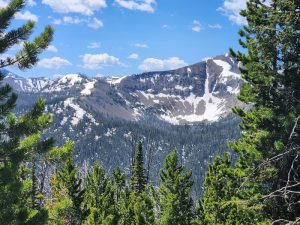
 Trail
TrailAvalanche Peak Trailhead 5N2
4.5-mile out-and-back; 2,100 ft gain. Relentless climb with a true summit payoff.
2,100 ft elev. gain
View details →

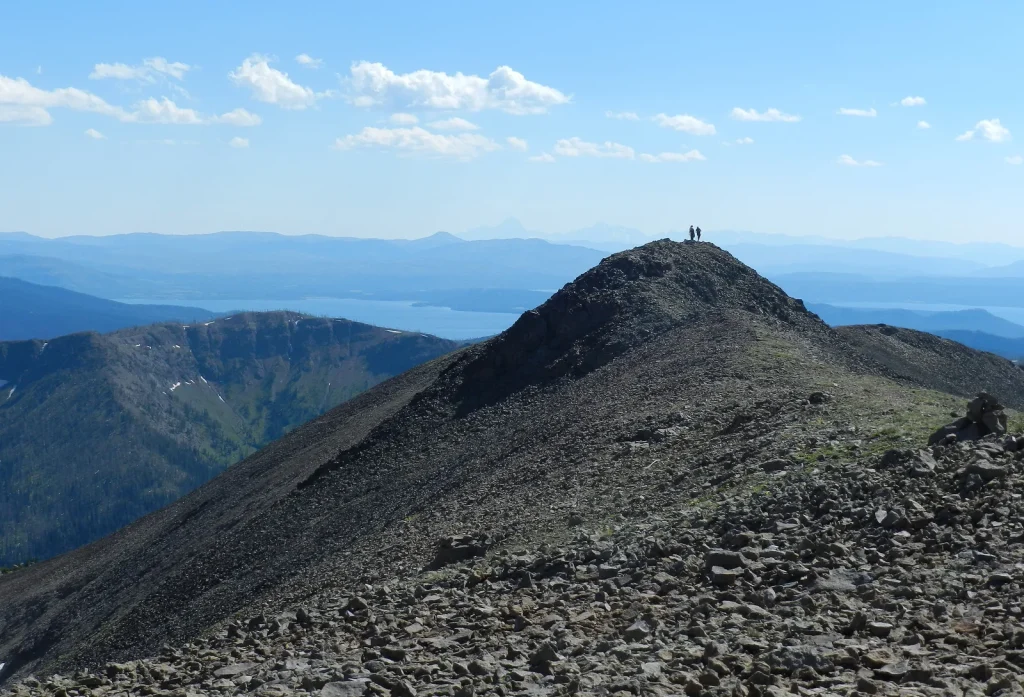
Avalanche Peak is a straight-up lung-buster: 2,100 feet of elevation gain in just over 2 miles of relentless switchbacks and talus slopes leading to an exposed alpine ridgeline at 10,500+ feet. The payoff is unquestionable—summit views of Yellowstone's tallest and most remote peaks. But this is not a casual stroll; the grade is steep, the air is thin, and the descent will test your quads. Only for strong hikers comfortable with exposure.
Strenuous
360-degree alpine summit views of Yellowstone's tallest and most remote peaks from an exposed 10,500+ foot ridgeline. This is raw, high-altitude mountain scenery.
• The false summit at 1.5 miles may tempt you to turn back—don't. The real payoff is another mile beyond. • Descend slowly: the talus on the way down is treacherous on tired legs. • The ridgeline crossing is brief but exposed—plant each foot with intention. • Start hydration early; by mile 2 you'll feel the altitude. • If you encounter bears, back away slowly and make noise.
Late July through August
Not suitable for young children or those with heart/respiratory problems. The steep grades, altitude, and exposed ridgeline crossing demand strong fitness and sure footing. Supervise any child attempt very closely.
Hikers consistently report the ascent as brutally steep but the alpine summit views make every vertical foot worthwhile. This trail separates the serious hikers from the casual day-trippers. The descent is as challenging as the ascent—tread carefully.
Day hiking does not require permits in Yellowstone.
No shuttle available. Private vehicle required.
Lightning is the primary threat above treeline—do not linger if storms approach. The ridgeline crossing is exposed with real drop-offs; steady footing required. Altitude (10,500+ feet) can trigger sickness in unacclimated hikers. Talus is loose and can shift. Grizzly bears frequent this area September-October seeking whitebark pine nuts; avoid those months. Snow remains through late June.
Rooty, rocky, steeply graded switchbacks ascending 2,100 feet. Talus and scree slopes are unstable. Exposed ridgeline with narrow trail and drop-offs. Not accessible for mobility devices or those with cardiac/respiratory issues.
Not suitable for young children or those with heart/respiratory problems. The steep grades, altitude, and exposed ridgeline crossing demand strong fitness and sure footing. Supervise any child attempt very closely.
Fishing Bridge area (19 miles west) offers ranger station, lodging, gas, and supplies. Eleanor Lake pullout has minimal facilities.
Hikers consistently report the ascent as brutally steep but the alpine summit views make every vertical foot worthwhile. This trail separates the serious hikers from the casual day-trippers. The descent is as challenging as the ascent—tread carefully.
" Hikers consistently report the ascent as brutally steep but the alpine summit views make every vertical foot worthwhile. This trail separates the serious hikers from the casual day-trippers. The descent is as challenging as the ascent—tread carefully."
Yes. Grizzlies frequent this area, especially in fall seeking whitebark pine nuts. Hiking is not recommended September-October. During the open season (July-August), hike early, make noise, and carry bear spray if comfortable.
Honestly, no. This is a strenuous hike with 2,100 feet of steep elevation gain. You need solid hiking fitness and leg strength. If you're new to hiking, train on easier trails first.
Possible but rare at this elevation. If you feel dizzy, nauseous, or short of breath, descend immediately and drink water. Acclimatize gradually—don't rush the ascent.
No cell service and remote location make solo hiking risky. Hike with a partner if possible. If alone, tell someone your plan and expected return time.
Highly recommended, especially for descent. They'll protect your knees on the rocky, steep terrain and provide stability on talus.
No. Dogs are not permitted on Yellowstone trails.
6 listings
4 listings
Information is compiled from official sources, verified traveler reviews, and editorial research. Learn how YourNPGuide works →
Notifications