 Trail
TrailAvalanche Peak Trailhead 5N2
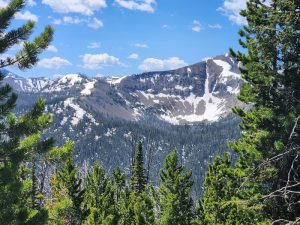
4.5-mile out-and-back; 2,100 ft gain. Relentless climb with a true summit payoff.
2,100 ft elev. gain
View details →

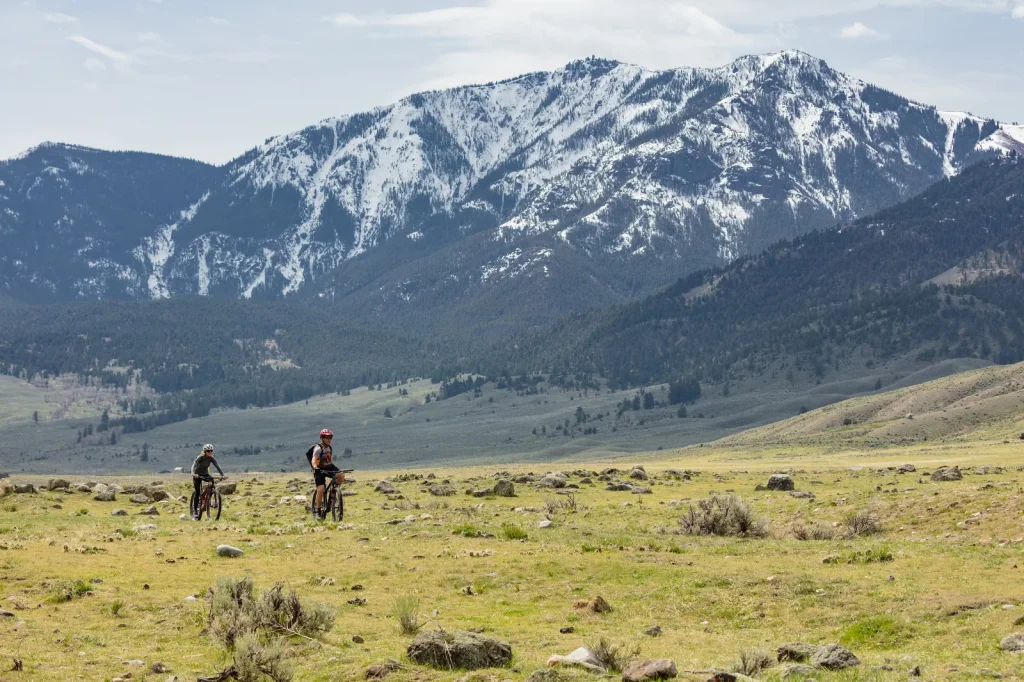
A mostly level, 8-mile round-trip bike ride on an abandoned railroad bed paralleling the Yellowstone River near the north entrance. Minimal elevation gain (96 feet) makes it accessible for most fitness levels, but the high desert terrain demands serious hydration. Expect views of Electric Peak, and watch closely for bears, bison, and elk—this is working wildlife country, not a scenic park loop.
Moderate - mostly level terrain but distance and heat exposure demand fitness
Parallels the Yellowstone River between Gardiner and the park's northern boundary, with Electric Peak dominating the northwestern view. Gently rolling terrain with minimal elevation gain makes it accessible, but the wildlife encounters (bison, elk, pronghorn) and bear country add real stakes.
• The trail starts uphill from the parking area—walk your bike for the first stretch. • Park as early as possible; the pullout fills during peak summer. If full, contact Mammoth District Ranger Station for overflow guidance. • Ride with noise (radio, bells) to avoid surprising bears. • Turn around at Reese Creek (4 miles out); many bikers stop before the full endpoint. • Bring a headwind strategy—wind can be strong on this exposed high desert section. • Late afternoon (after 4 PM) is calmer for solitude.
Summer and Fall
The level terrain suits kids and less-experienced riders. However, wildlife hazards (grizzlies, bison) demand strict supervision. Children must understand distance rules and bear spray protocols. Not recommended for very young riders on their own.
Riders describe this as an accessible but exposed 8-mile round trip. The minimal elevation gain appeals to families and casual riders, but the heat, limited shade, and serious wildlife presence demand preparation. Most bikers say the river views and solitude beat the inconvenience of limited parking.
None required
Not applicable
Grizzly and black bears forage in this area; federal law requires 100 yards distance. Bison, elk, and pronghorn are common and federal rules require 25 yards distance. Cactus is embedded in and beside the roadbed—tire sealant is protective. High desert terrain with little shade; dehydration is a real threat.
Mostly level gravel and dirt surface with only 96 feet elevation change. Hand-cycle accessibility possible. Service dogs permitted in backcountry but travel with dogs carries wildlife confrontation risks (wolves, bears, other wildlife).
The level terrain suits kids and less-experienced riders. However, wildlife hazards (grizzlies, bison) demand strict supervision. Children must understand distance rules and bear spray protocols. Not recommended for very young riders on their own.
Riders describe this as an accessible but exposed 8-mile round trip. The minimal elevation gain appeals to families and casual riders, but the heat, limited shade, and serious wildlife presence demand preparation. Most bikers say the river views and solitude beat the inconvenience of limited parking.
" Riders describe this as an accessible but exposed 8-mile round trip. The minimal elevation gain appeals to families and casual riders, but the heat, limited shade, and serious wildlife presence demand preparation. Most bikers say the river views and solitude beat the inconvenience of limited parking."
Yes. Grizzlies forage in this area seasonally (especially summer/fall). You must carry bear spray, keep it accessible, and know how to use it. Make noise while riding. Stay 100 yards away if you see one. Most encounters are avoidable with proper precautions.
Yes. The terrain is mostly level and the surface, while rough, isn't technical. Mountain bikes are recommended, but hybrid or gravel bikes can work. The challenge is distance and heat, not technical skill. If you can ride 8 miles at moderate pace, you can do this trail.
The trailhead is a small pullout on an old park road, not a developed parking area. The Heritage and Research Center is a nearby landmark, but formal parking is minimal. Arrive very early, or call ahead for guidance.
Yes, always. Even in groups, individual riders should carry bear spray. Teach everyone in your group how to deploy it. Group noise helps deter bears, but spray is your last line of defense.
There are no maintained water sources on the trail. The Yellowstone River runs adjacent, but it requires treatment (filter or purification). Carry a minimum of 2 liters of water from the start. The high desert terrain and full sun make dehydration a real threat.
The level terrain suits kids who are comfortable on 8-mile rides. However, wildlife hazards demand strict adult supervision. Children must understand the 100-yard bear distance and 25-yard wildlife distance rules. Not recommended for very young or inexperienced riders unsupervised.
Early morning (6 AM start) in summer or fall. Start by 6 AM to beat afternoon heat. Summer (June-August) is most accessible. Fall (September-October) offers cooler temps and fewer crowds. Winter access is limited by snow/road closure.
6 listings
4 listings
Information is compiled from official sources, verified traveler reviews, and editorial research. Learn how YourNPGuide works →
Notifications