Denali by Season: 4 Reasons to Visit Each Time of Year
Choose your season: spring moose, midnight sun, tundra gold, or winter aurora.
Denali's tundra, boreal forest, and granite peaks transform dramatically across the seasons. Spring awakens moose, summer blazes with perpetual daylight, fall glows golden, and winter offers silence and northern lights.
- $15 Entrance fee
- Year-round Access
- 64°F Summer high
- -6°F Winter low
Spring (March–May) — Park-wide
Opening season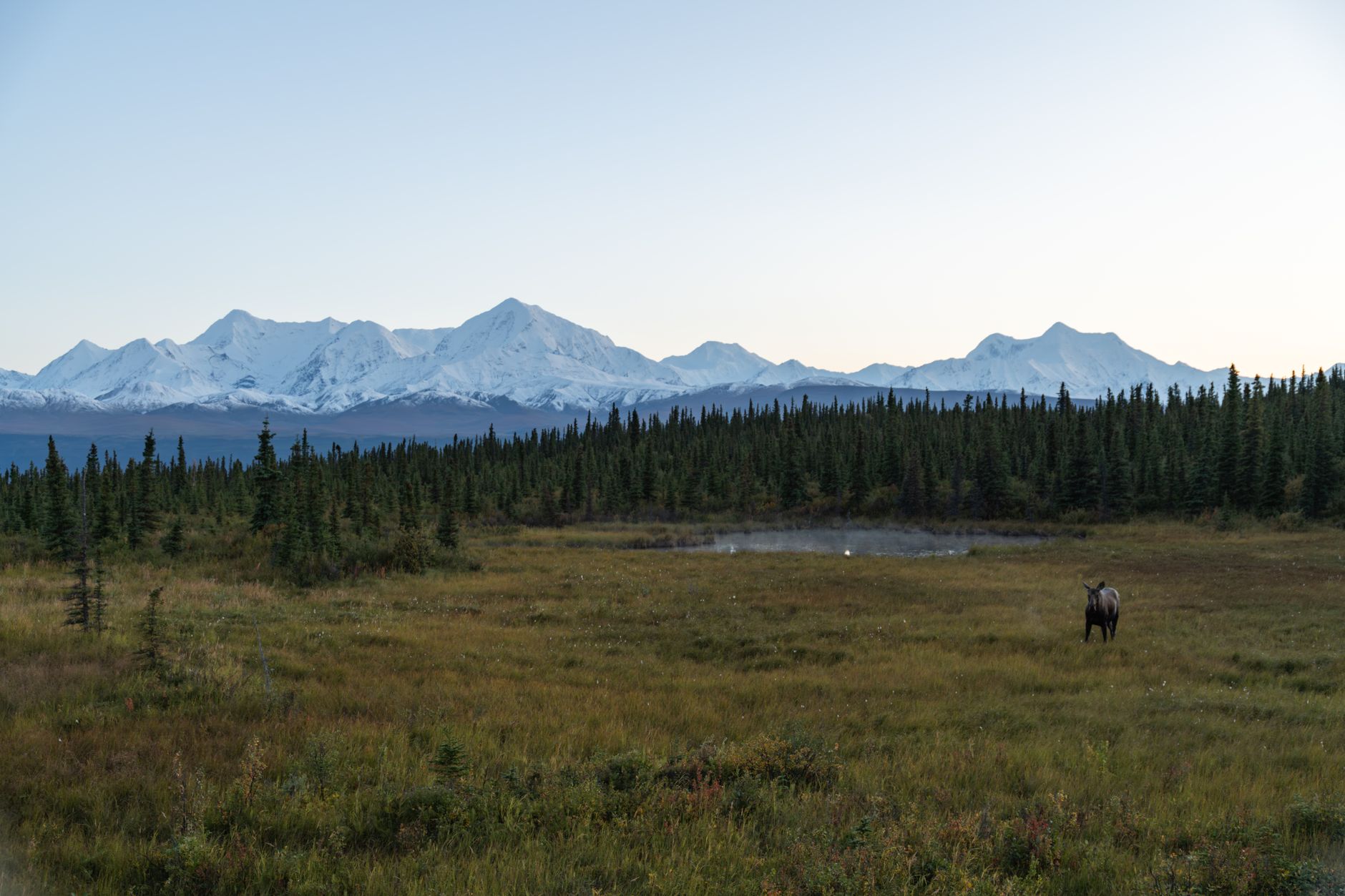
Moose browse willows as temperatures climb and campgrounds reopen for the season.
- Moose visible in Savage River valley and near park entrance at highest density
- Riley Creek Campground reopens mid-May with full services
- Temperature climbs from 22°F to 53°F across three months
- Daylight lengthens rapidly: 10 hours in March to 17+ hours in May
- Snow melts and undergrowth greens
WEATHER
Spring temperatures climb steadily from the low 20s in March to the 50s by May. Days lengthen rapidly—March sees roughly 10 hours of daylight while May offers 17 or more. Variable conditions are the norm: clear warm days alternate with wet snow or cold rain.
Snow melts from lower elevations, revealing tundra and new vegetation. Alpine areas remain snow-covered through May, but temperatures favor rapid thaw.
ACCESS
Riley Creek Campground and Savage River Campground typically open mid-May, with Riley Creek's water system activated around May 15. As temperatures warm, park facilities ramp up operations. The Denali Park Road remains partially closed in early spring but becomes increasingly accessible as roads clear.
WILDLIFE
Moose are most active in spring, browsing fresh willows and aquatic vegetation near the Savage River valley and within the first 15 miles of park road—sometimes visible even on Visitor Center grounds. Road trips net moose sightings roughly 29% of the time. Other mammals emerge from winter dormancy and den-rearing.
STRATEGY
Pack versatile layers for rapid weather shifts. The $15 entrance fee per person applies year-round. Secure campground reservations and lodging well in advance, as spring marks the unofficial start of peak season. Trails near the Visitor Center become snow-free and accessible, offering early hiking opportunities.
Summer (June–August) — Park-wide
Peak season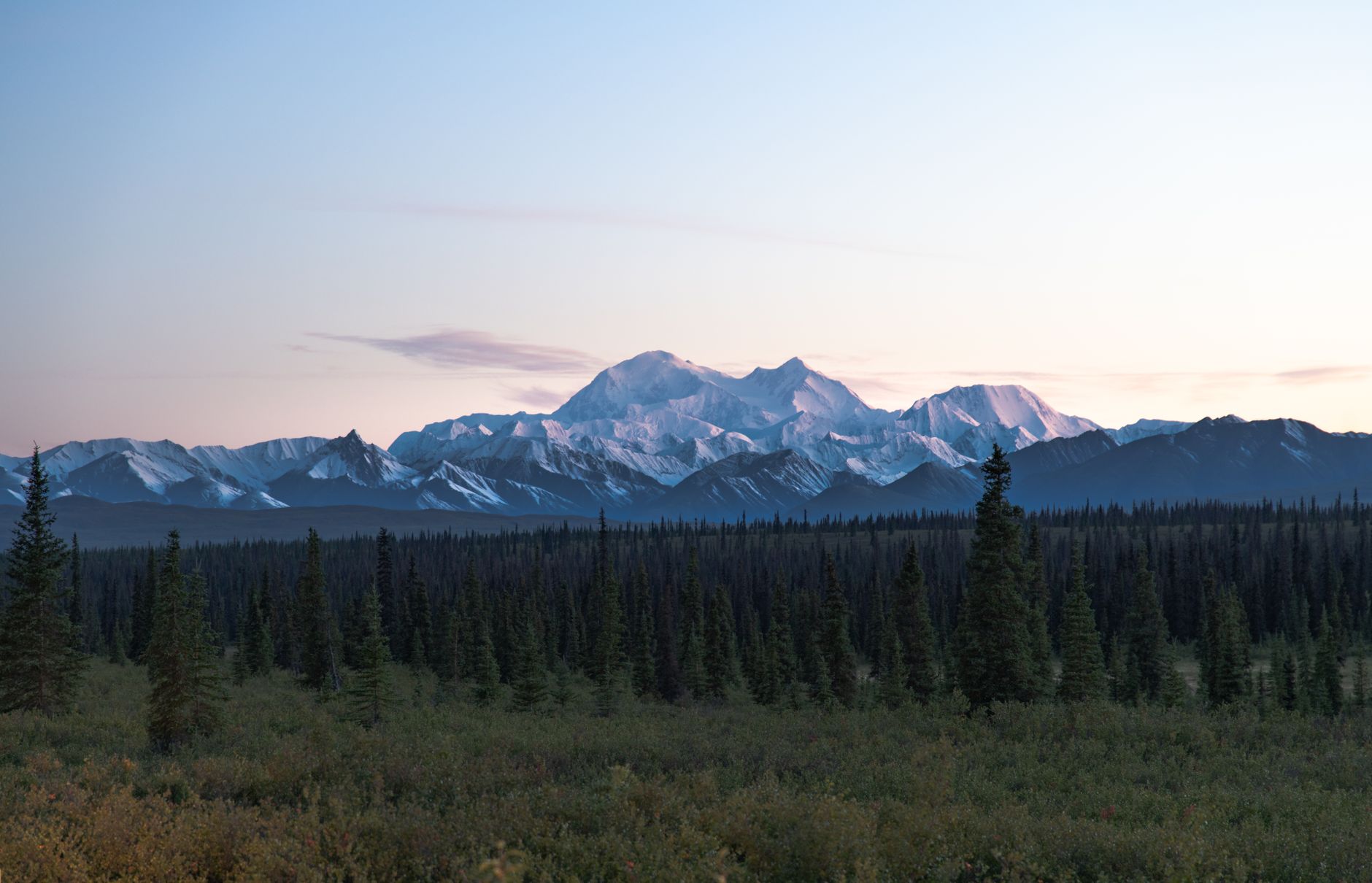
Nearly 24-hour daylight and warm temperatures drive peak wildlife activity and full trail access.
- Midnight sun: 20+ hours of daylight even at peak
- Daily highs: 60–64°F, warmest season overall
- Most major trails open, including Mount Healy Overlook and Savage Alpine
- Highest cumulative wildlife sighting odds across the Big Five
- Full shuttle service and ranger program schedules
WEATHER
Summer is Denali's warmest and driest season, with daily highs between 60 and 64°F. June through August experience near-continuous daylight—the sun never fully sets, yielding 20+ hours of usable daylight for activities. Rain is common but typically brief and interspersed with clear, bright days.
The combination of warmth and constant light creates ideal conditions for hiking and wildlife observation.
ACCESS
All park facilities operate at full capacity. Riley Creek and Savage River Campgrounds are fully open, usually at or near capacity. The Denali Park Road shuttle buses run their extended schedule, and both Mount Healy Overlook and Savage Alpine trails are reliably snow-free by mid-June. All visitor services run daily.
WILDLIFE
Summer is peak season for viewing the Big Five: moose, grizzly bears, wolves, caribou, and Dall sheep all actively forage and travel. Early morning and evening wildlife watching yields the best sightings. Wolf den sites positioned near the park road occasionally reveal pack members, though sightings remain rare—typically only 6% of road trips.
STRATEGY
Book accommodations and campground sites months in advance—summer fills quickly. Prioritize early-morning shuttle trips for wildlife viewing. Participate in ranger-led programs and guided walks, offered daily. Plan multi-day stays to maximize exposure and allow flexibility for weather and wildlife sightings.
Fall (September–October) — Park-wide
Sweet spot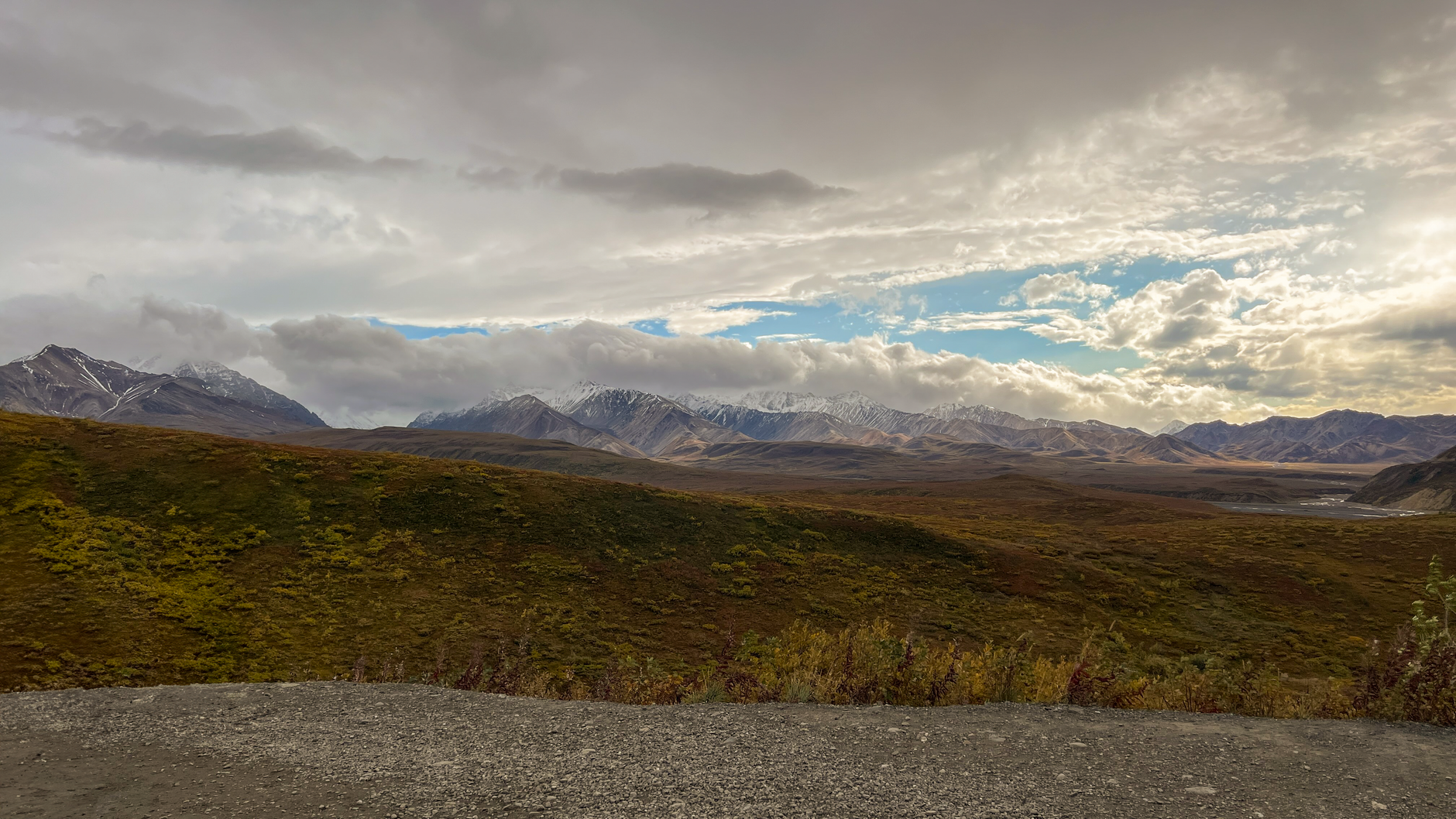
Tundra blazes gold while clearer skies reveal Denali peak and crowds thin dramatically.
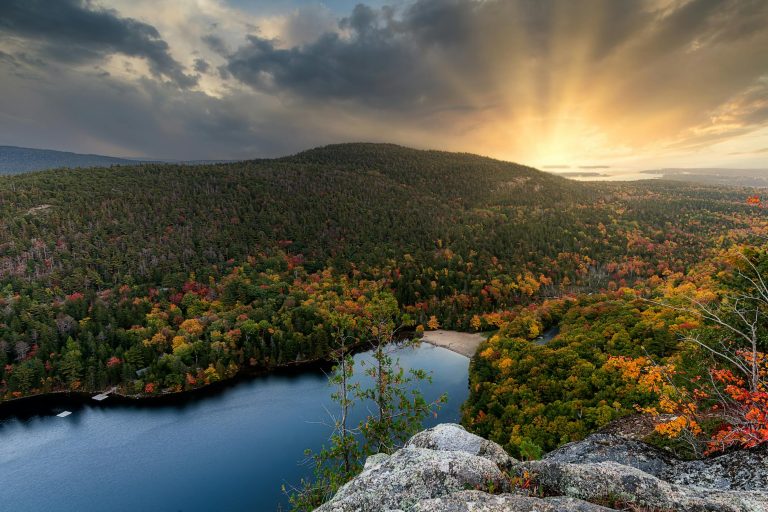
- Tundra turns brilliant gold, crimson, and orange by early September
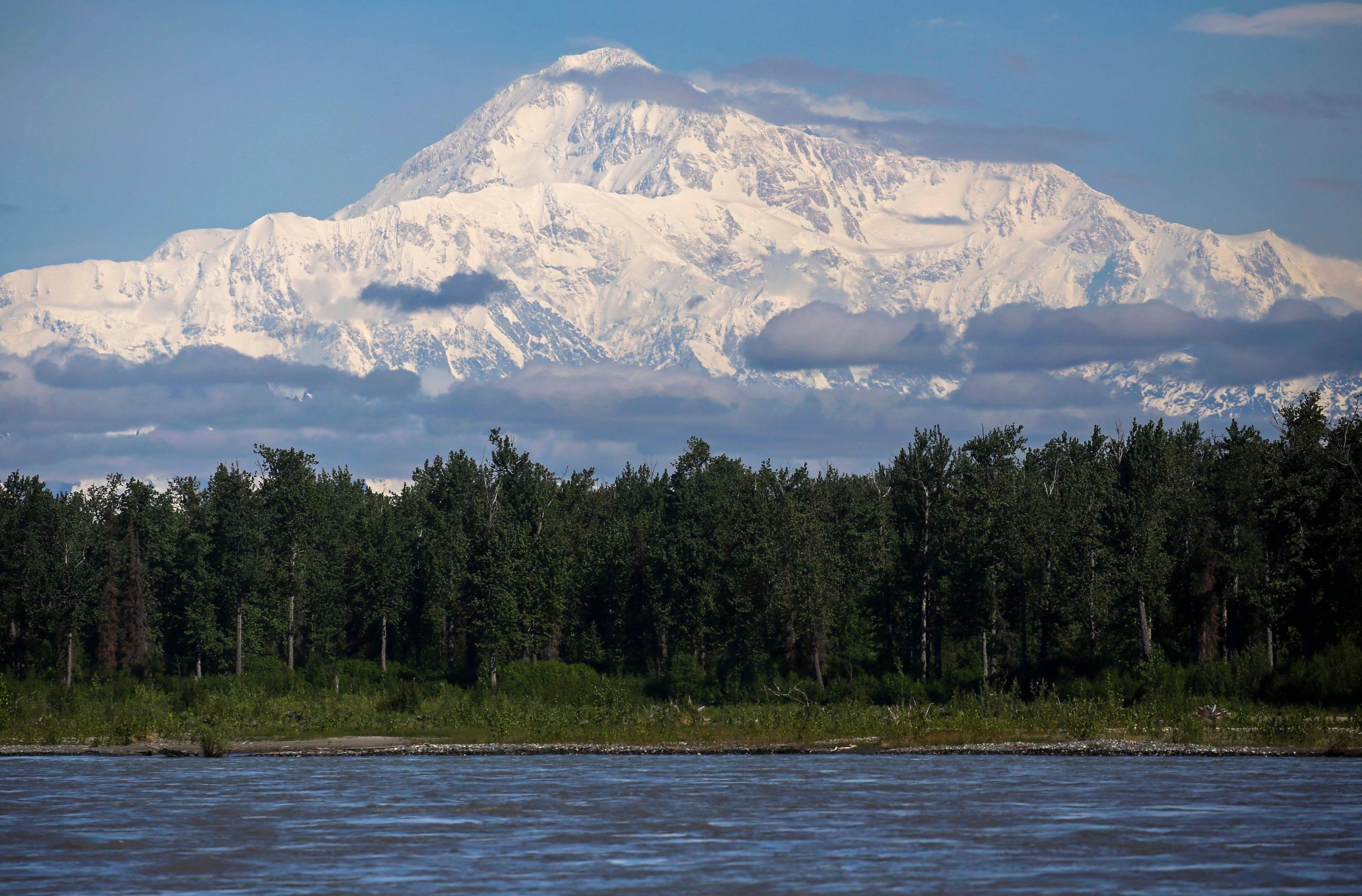
- Clearer skies more frequently reveal Mount Denali peak
- Significantly fewer tourists: 40–60% reduction from summer
- Caribou migrations move through park, sometimes crossing the road
- Daylight shortens: 12 hours in September to 8 hours in October
WEATHER
Early fall (September) delivers mild 40–50°F days and crisp mornings. By November, temperatures drop toward freezing. Snow begins falling on high elevations in late September and spreads downslope through October. Clear skies increase significantly in early September, offering far more frequent views of Denali peak than summer.
ACCESS
Both Riley Creek and Savage River Campgrounds typically close by mid-September. The Denali Park Road generally remains open into October, though high-elevation trails close as snow accumulates. Plan visits for early to mid-October to ensure trail access before seasonal closure. Park shuttle service winds down after September.
WILDLIFE
Caribou migrate through the park in fall, sometimes crossing the park road in herds. Moose remain visible through September. Grizzlies forage intensively to build winter fat reserves. Wolves and Dall sheep continue active hunting and movement. The reduced human presence makes wildlife-watching more rewarding—fewer vehicles and people mean less disturbance.
STRATEGY
Bring insulating layers and rain gear; weather shifts rapidly between seasons. The $15 entrance fee remains in effect. Visit by mid-October to ensure reliable trail access. Take advantage of dramatically shorter lines at visitor facilities and lower lodging rates compared to summer. This window is ideal for photographers seeking dramatic light and the golden tundra.
Winter (December–February) — Park-wide
Aurora gamble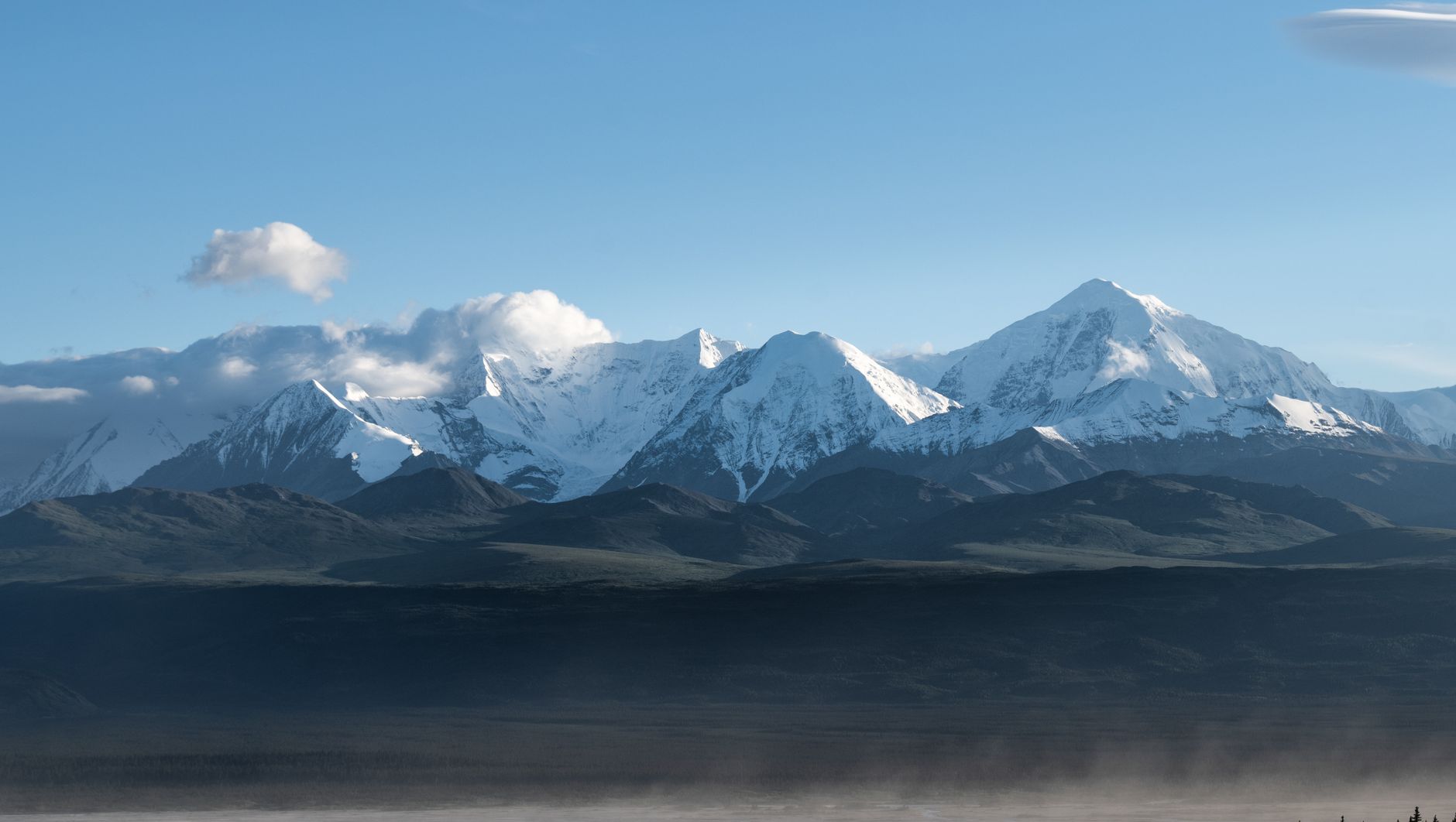
Extreme cold and polar darkness create northern lights and the park's most profound silence.
- Northern lights visible on clear nights, December–February
- Only 3–4 hours of daylight at winter solstice
- Riley Creek Campground remains open year-round with limited services
- Temperatures: -6°F to 25°F create pristine snow scenery
- Fewest tourists and minimal human presence
WEATHER
Winter is Denali's harshest season. Temperatures range from -6°F to 25°F, with continuous snow cover building through the season. Daylight shrinks dramatically—the sun rises around 10 a.m. and sets by 2–3 p.m. at solstice, yielding only 3–4 hours of direct sunlight. Clear, cold nights offer optimal aurora viewing.
ACCESS
Riley Creek Campground remains open year-round, though water and shower facilities operate on limited or suspended schedules. The Denali Park Road is closed beyond Mile 3 (Savage River) due to heavy snow. The park entrance remains open 24 hours, but services are minimal.
WILDLIFE
Most wildlife dens, hibernates, or migrates. Moose may still be visible. Footprints and tracks in fresh snow reveal hidden animal movement—foxes, hares, lynx, and others leave visible trails. Winter silence and the absence of crowds offers a unique reward for those seeking solitude.
STRATEGY
Winter demands serious cold-weather preparation and flexibility. Pack extreme-weather gear: arctic parka, insulated boots, hand/toe warmers. The $15 entrance fee applies year-round. Most lodging in Healy (11 miles south) operates on limited schedules. Book guided aurora tours if available. Longer stays (3+ nights) improve aurora viewing odds significantly.
Common Questions
When can I camp in Denali?
Riley Creek and Savage River Campgrounds typically operate mid-May through mid-September. Riley Creek also opens year-round with limited winter services. All camping requires an entrance pass; backcountry camping requires a free permit from the Visitor Center.
What's the best time to see wildlife?
Summer (June–August) offers the highest cumulative sighting odds across all major species. Moose are most visible in spring. Early morning and evening hours yield best results year-round.
Do I need to book in advance?
Yes. Campground sites and summer lodging fill months ahead, especially June–August. Winter aurora tourism also books early. Book accommodations as soon as dates are set.
Is the park road always open?
No. Summer offers the full 92-mile route; fall narrows to ~15 miles by late October; winter closes beyond Mile 3. Spring opening occurs gradually as snow melts.
When are northern lights most likely?
December through February, during polar night, offer the longest viewing windows. Clear, cold nights are essential. Multi-night stays dramatically improve your odds of witnessing the aurora.
Sources & Further Reading
- Wildlife Viewing - Denali National Park & Preserve — National Park Service
- Wildlife Observations Along the Denali Park Road — National Park Service
- Large Mammals in Denali: How Many Are There? — National Park Service
- Hiking - Denali National Park & Preserve — National Park Service
- Mount Healy Overlook Trail - Denali National Park & Preserve — National Park Service
- Riley Creek Campground - Denali National Park & Preserve — National Park Service
- Savage River Campground - Denali National Park & Preserve — National Park Service
- Savage River Loop Trail - Denali National Park & Preserve — National Park Service
- Denali National Park & Preserve — National Park Service
- U.S. Climate Normals — National Oceanic and Atmospheric Administration