Perfect Weekend in Cuyahoga Valley National Park
Discover a restored river valley with waterfalls, historic canals, and forest trails.
Cuyahoga Valley National Park stretches 32,000 acres between Cleveland and Akron, threading the historic Cuyahoga River through beech and oak forests, wetland marshes, and former industrial sites reclaimed as refuge.
- Miles of trails
- Miles through park
- Bird species
- Entrance fee
Day : Brandywine Falls and Everett Covered Bridge
Stay: Check into Stanford House or downtown Peninsula hotel. Peninsula has restaurants (Fisher's Cafe), shops, and is 0.5 miles from Towpath Trail access for tomorrow's start.
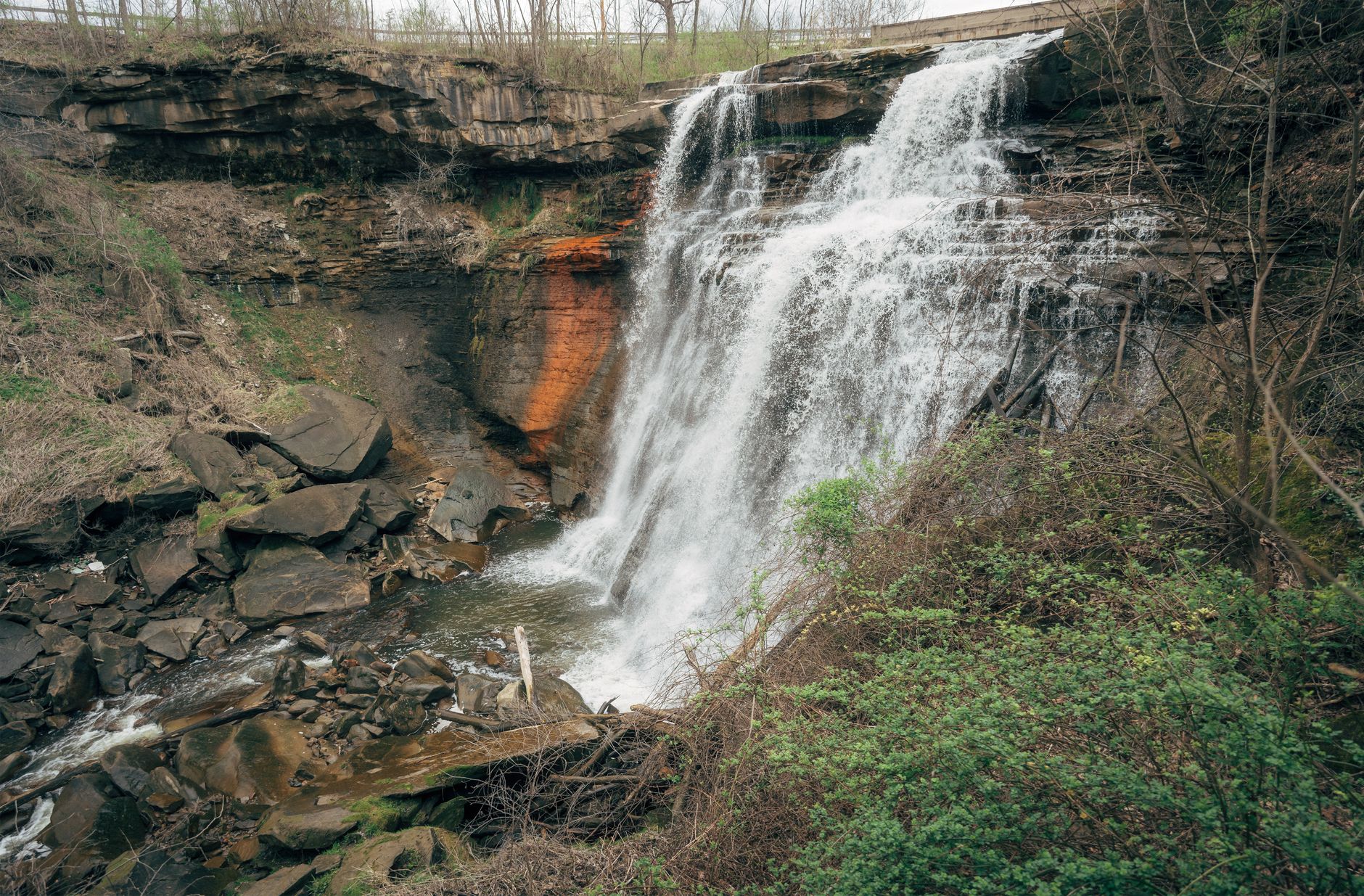
Brandywine Falls is Ohio's tallest waterfall and anchors the park's most iconic hike; combining it with the covered bridge intro links natural drama to 19th-century engineering.
- Start at the Brandywine Falls Upper Boardwalk (0.3 miles, 16 ft gain) to peer down at the 65-foot cascade, then descend via Brandywine Gorge Loop (1.5 miles round-trip, 160 ft gain) through beech forest and along the gorge walls.
- Afterward, drive to Everett Road Covered Bridge (5-minute walk from parking), the last timber covered bridge in Summit County, built 1882.
- Deepen your immersion with an afternoon ride on the Cuyahoga Valley Scenic Railroad—board at Peninsula Station and narrated volunteers explain the valley's railroad history, canal legacy, and forest recovery.
Day : Ledges Trail, Beaver Marsh & Towpath Paddle
Stay: Checkout and depart, or extend with lunch in downtown Peninsula before driving home to Cleveland or Akron (30 minutes either direction).
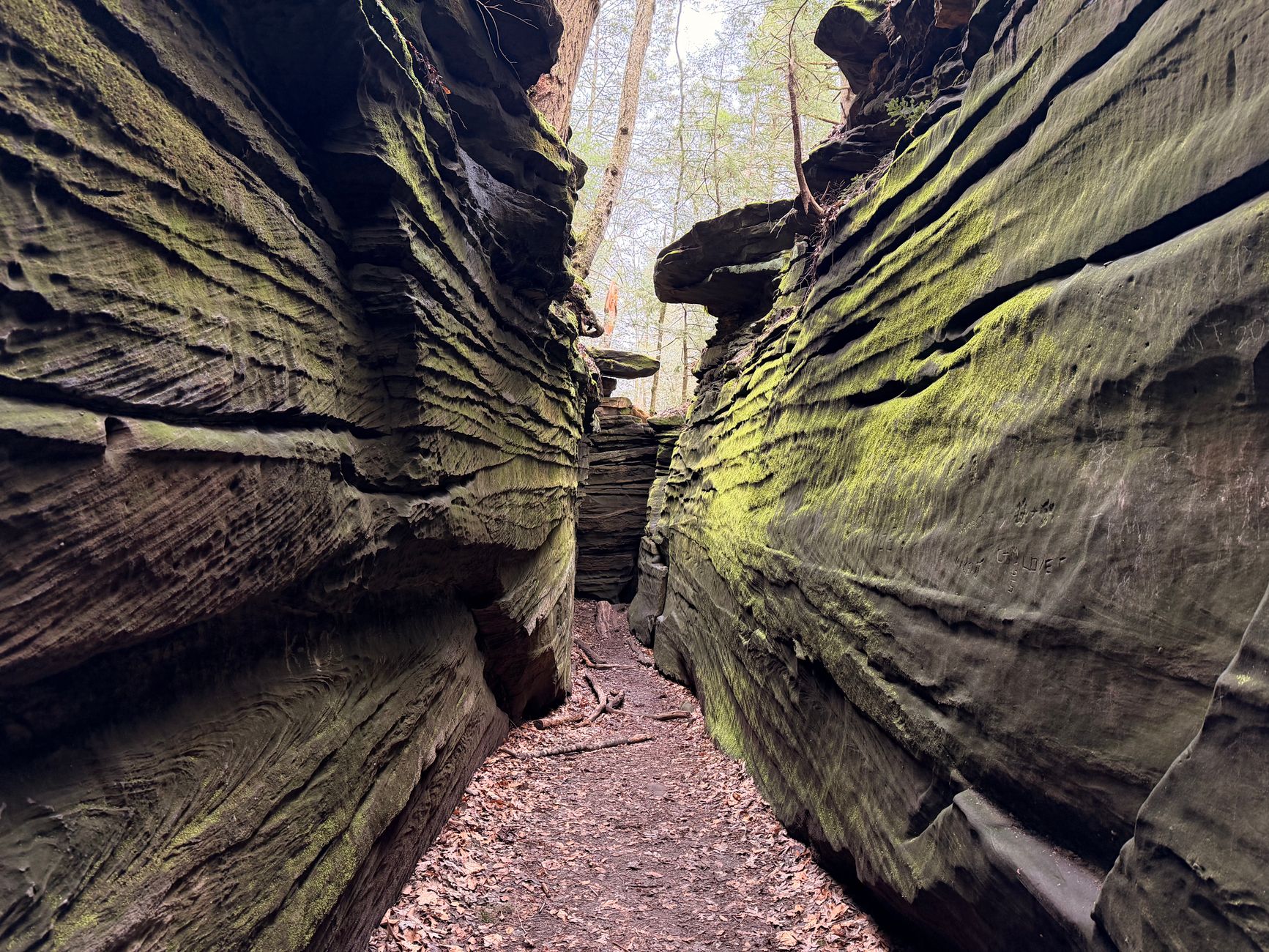
The Ledges Trail's narrow, boulder-strewn canyon showcases the park's geological drama, and the adjacent Beaver Marsh boardwalk offers your best chance to spot the park's namesake architect and waterfowl without wading through mud.
- Begin at the Ledges Trailhead (dawn is ideal for deer and bald eagle sightings) and hike the 1.8-mile loop through rocky, unpaved terrain past narrow canyon walls and Ledges Overlook.
- The trail is rocky—wear sturdy boots.
- Continue to the Beaver Marsh via the Ohio & Erie Canal Towpath Trail: from Ira Trailhead, walk 0.25 miles on the crushed-limestone surface to the boardwalk, which widens to 6+ feet and becomes wheelchair-accessible.
- Stop here 30–60 minutes to watch beavers, great blue herons, and great egrets.
- If conditions allow, rent a kayak from Cuyahoga Valley Adventures (the only authorized outfitter within park boundaries) for a 2–4-mile paddle down the Cuyahoga River—bring your own life jacket or rent one, monitor water quality at USGS NowCast, and stay off after heavy rain.
Common Questions
Is there camping in Cuyahoga Valley National Park?
No. The park has no backcountry campsites or campgrounds. Stay at Stanford House (on-site B&B), Peninsula hotels, or nearby towns. Hale Farm & Village is within the park but does not offer lodging. Nearby Cuyahoga Valley has RV parks and campgrounds in surrounding communities.
Can I paddle the Cuyahoga River?
Yes, but bring your own kayak or canoe—commercial rentals are not authorized by NPS (as of 2026). Cuyahoga Valley Adventures is the only park-sanctioned outfitter but you must follow their guidelines. Monitor water quality via USGS Great Lakes NowCast (daily updates May–October) for bacteria warnings after rain. Ohio law requires US Coast Guard-approved life jackets for all paddlers.
How do I get to the park from Cleveland or Akron?
From Cleveland, drive south on I-77 or Route 21; the park's Boston Mill Visitor Center is 22 miles away (30–40 minutes). From Akron, drive north on I-77 or Route 21 (20–30 minutes). No public transit directly accesses the park; a car is required. Parking is free at all trailheads.
What's the best time to visit?
May through September for most activities and train operation. July–August are hottest and most humid (up to 95°F); July–August afternoons bring frequent thunderstorms. September–October offer cooler temps (60–75°F daytime) and fall foliage. Hale Farm & Village (a partner site) operates daily in summer, weekends in fall.
What wildlife will I see?
White-tailed deer year-round (most reliable sighting). Bald eagles winter along the Towpath. Beavers visible at Beaver Marsh boardwalk (dawn/dusk). Great blue herons and great egrets frequent the river and marshes. Mink, muskrat, coyote, and raccoons are present but less visible. Avoid approaching wildlife; observe from at least 25 feet.
Sources & Further Reading
- Cuyahoga Valley National Park - Official NPS Site — nps.gov
- Plan Your Visit - Cuyahoga Valley National Park — nps.gov
- Things To Do - Cuyahoga Valley National Park — nps.gov
- Hike the Brandywine Gorge Loop — nps.gov
- Hike the Ledges Trail — nps.gov
- Ohio and Erie Canal Towpath Trail - NPS — nps.gov
- The Beaver Marsh - NPS — nps.gov
- Paddling the River - NPS — nps.gov
- Cuyahoga Valley Scenic Railroad — cvsr.org
- Book CVSR Tickets — cvsr.org
- Boston Mill Visitor Center - NPS — nps.gov
- Operating Hours & Seasons - NPS — nps.gov
- Lodging - Cuyahoga Valley National Park — nps.gov
- Everett Covered Bridge - NPS — nps.gov
- Hale Farm & Village - Welcome — wrhs.org
- Canal Exploration Center - NPS — nps.gov
- Hiking - Cuyahoga Valley National Park — nps.gov
- Weather - Cuyahoga Valley National Park — nps.gov
- Current Conditions - Cuyahoga Valley National Park — nps.gov
- Animals - Cuyahoga Valley National Park — nps.gov
- Biking - Cuyahoga Valley National Park — nps.gov
- Directions - Cuyahoga Valley National Park — nps.gov