Best Time to Visit Glacier National Park
From peak season access to winter solitude—choose your month based on trails, crowds, and weather.
Glacier's extreme seasonal swings mean timing dictates what you'll actually see and do. Summer opens all trails but crowds peak; shoulder seasons offer wildflowers and solitude; winter demands backcountry skills.
- 1M+ Total acres
- 700+ Miles of trails
- $35 Entry fee (7 days)
- 50 Miles, Going-to-the-Sun Road
September — Glacier-wide
Best Time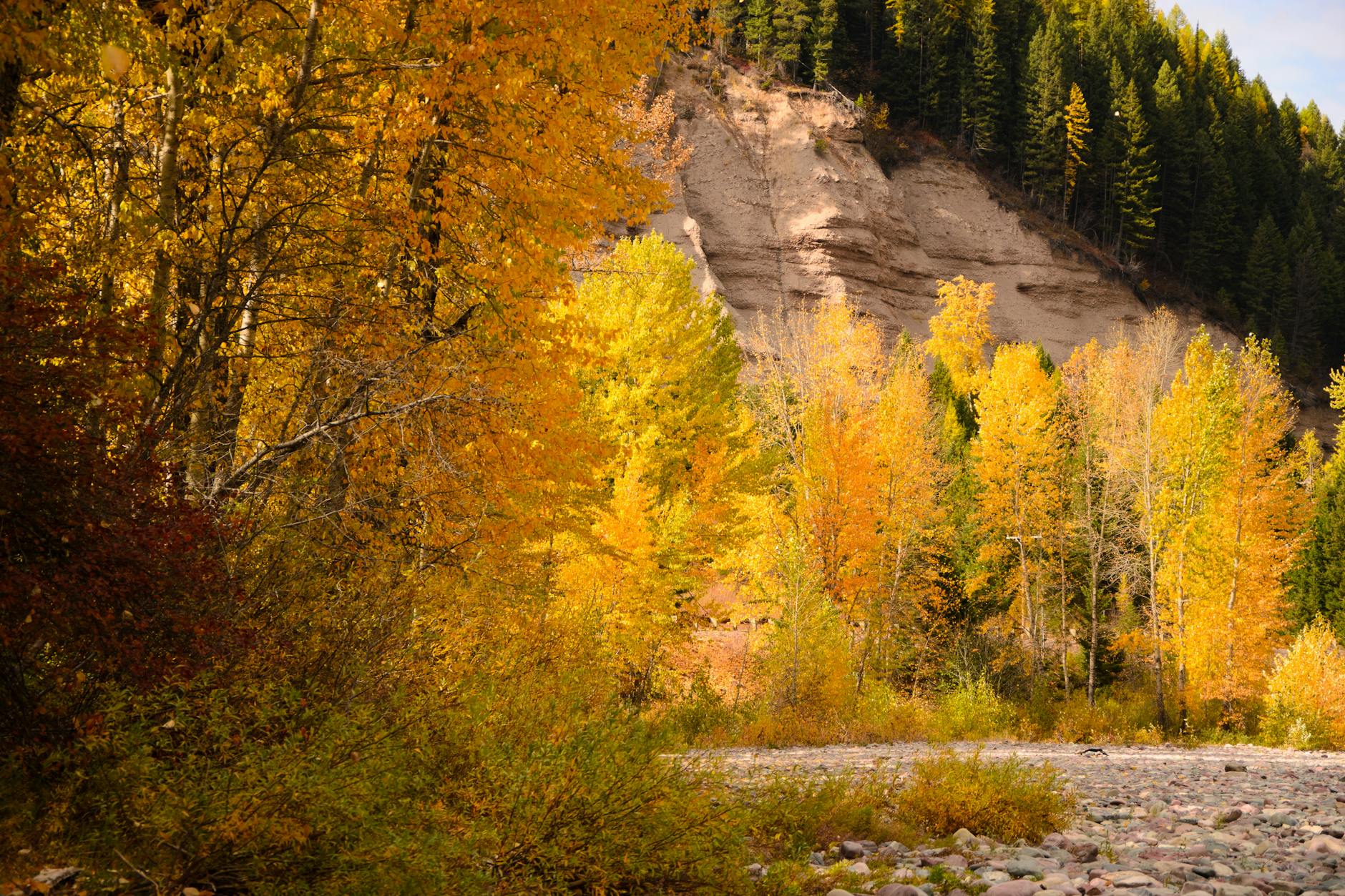
Crowds collapse after Labor Day while conditions stay perfect—the overlooked sweet spot.
- Dramatic visitor drop after Labor Day (early September)
- Larch trees turn brilliant gold in late September
- No parking reservations required at Logan Pass
- Smoke usually clears compared to August
- High 65–75°F, low 35–45°F
CROWDS & SOLITUDE
Labor Day marks the turning point. Visitation drops dramatically as families return to school and early-September visitors thin out. Trails that required dawn arrivals in July become empty by mid-morning. Many hikers never discover September exists—they plan July vacation weeks and miss this window entirely.
WEATHER
Crisp mornings (35–45°F) give way to warm afternoons (65–75°F). Unlike August, smoke typically clears. Sudden afternoon thunderstorms still occur but feel refreshing rather than dangerous. No snow at lower elevations; light snow possible above 7,000 ft only late month.
LARCH COLOR WINDOW
Larch trees (tamaracks) begin turning gold in mid-September on the west side, peaking late September. East-side larches peak early October. For the best overlap of empty trails and early color, target late September. Full peak color arrives by early October, when some facilities close.
ROAD & FACILITIES
Going-to-the-Sun Road remains fully open through September. All major lodges and restaurants still operate through month-end. Some concessions close early September, but core services persist. This is the last month of full seasonal access before October's closure timeline begins.
July — Glacier-wide
Recommended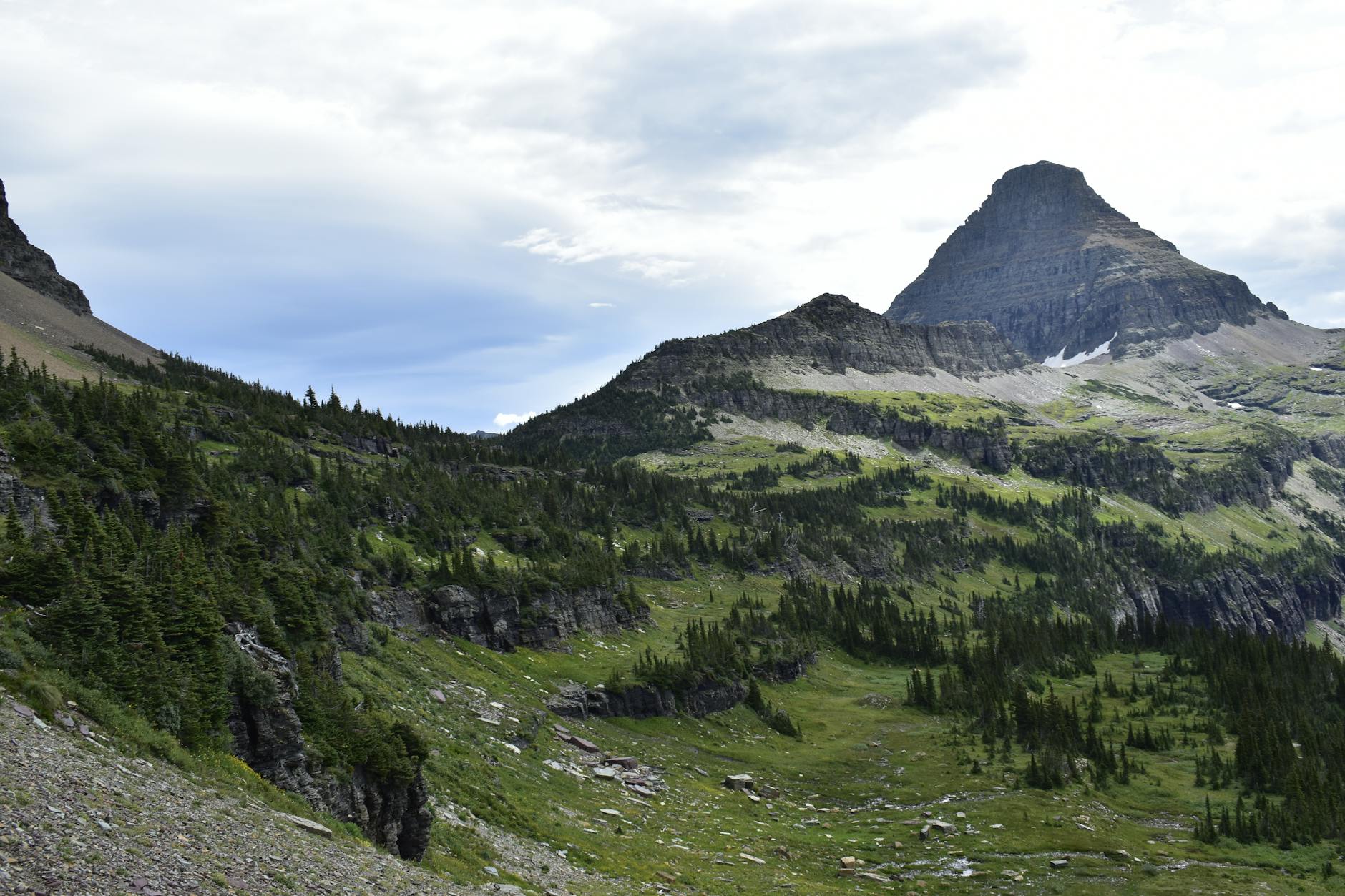
Peak season: every trail opens, all facilities run at full capacity—prepare for ~21,000 daily visitors.
- Most trails accessible (snow melted at lower/mid-elevations)
- All lodges, restaurants, visitor centers open and staffed
- Going-to-the-Sun Road fully open with new shuttle system (July 1+)
- Parking fills before sunrise at popular trailheads
- Warm days (72–80°F) with sudden afternoon thunderstorms
FULL ACCESS
July unlocks the entire park. Snow has melted off lower and mid-elevation trails. Going-to-the-Sun Road is fully open. All major lodges (Many Glacier Hotel, Lake McDonald Lodge, Rising Sun Motor Inn) are operating at full capacity. Every category of hike—easy, moderate, strenuous—is accessible with minimal snow hazard.
SHUTTLE SYSTEM
In 2026, a new ticketed shuttle system operates July 1–September 7 to Logan Pass. Tickets release on Recreation.gov. Private vehicle parking at Logan Pass is limited to 3 hours. Vehicle reservations are not required anywhere else in the park. This replaces the prior reservation system entirely.
WEATHER & STORMS
Expect warm, sunny mornings (72–80°F, sometimes reaching 86°F) and sudden afternoon thunderstorms. Snow still occurs at Logan Pass elevation. Bring a waterproof rain jacket, fleece, sturdy boots, and SPF 50+ sunscreen. Hypothermia is possible even in summer at high elevation.
CROWDS
July is the most crowded month with ~21,000 daily visitors. Parking at popular trailheads (Hidden Lake Overlook, Iceberg Lake) fills before sunrise. Plan to arrive very early or use the shuttle. Rangers manage flow with timed entry if necessary. Trails themselves feel crowded but remain safe and well-maintained.
August — Glacier-wide
Recommended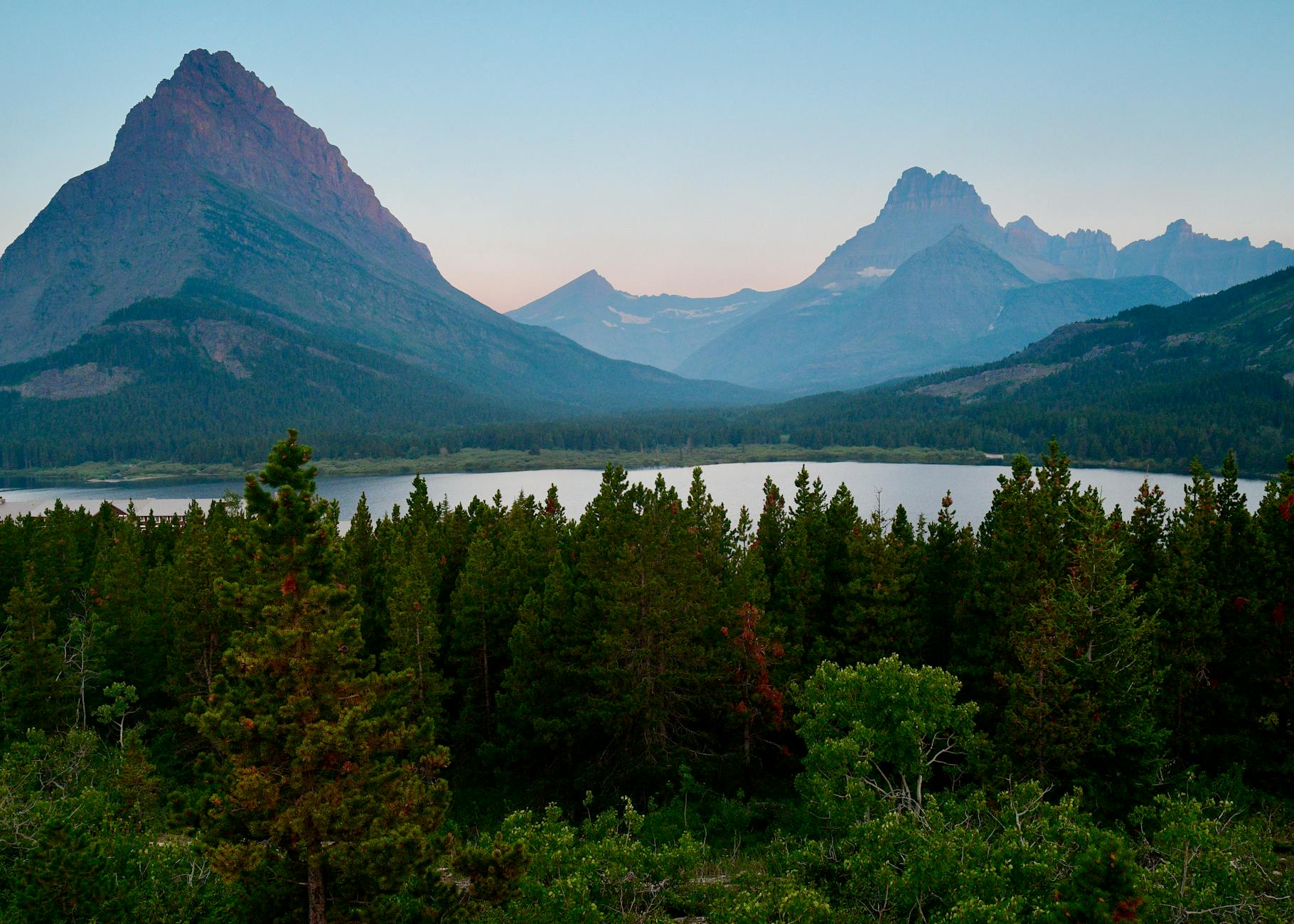
Peak season continues with slightly fewer crowds, warm days, and wildfire smoke as the main wildcard.
- Still ~21,000 daily visitors (slightly fewer than July)
- All trails accessible; all facilities operating
- Historically the driest month—best visibility
- Wildfire smoke from regional fires may reduce visibility for days/weeks
- Low-angle evening light ideal for photography
FULL TRAIL ACCESS
August maintains July's full access. All trails are snow-free or nearly so. Going-to-the-Sun Road is fully open. All lodges and restaurants remain at full operation. Difficulty is not access—it's finding a parking spot or managing crowds.
WEATHER & SMOKE
August is historically the driest month (lowest precipitation likelihood). Expect warm, clear days (72–80°F, low 41–55°F). However, smoke from regional wildfires (Oregon, Washington, northern California) can drift into Glacier for days or weeks, severely reducing visibility and ruining photography. This is unpredictable year-to-year.
CROWDS & TIMING
Visitation remains near peak (~21,000 daily) but is slightly lower than July. School has restarted in some regions, reducing family travel. Trails remain busy early morning and late afternoon. Mid-day hiking finds slightly more breathing room than in July.
LIGHT FOR PHOTOGRAPHERS
Late August brings lower-angle evening light perfect for landscape photography. Golden hour starts earlier as days shorten. Wildfire smoke (if present) can actually create dramatic atmospheric effects, though visibility trade-off is significant.
June — Glacier-wide (transitioning)
Good Option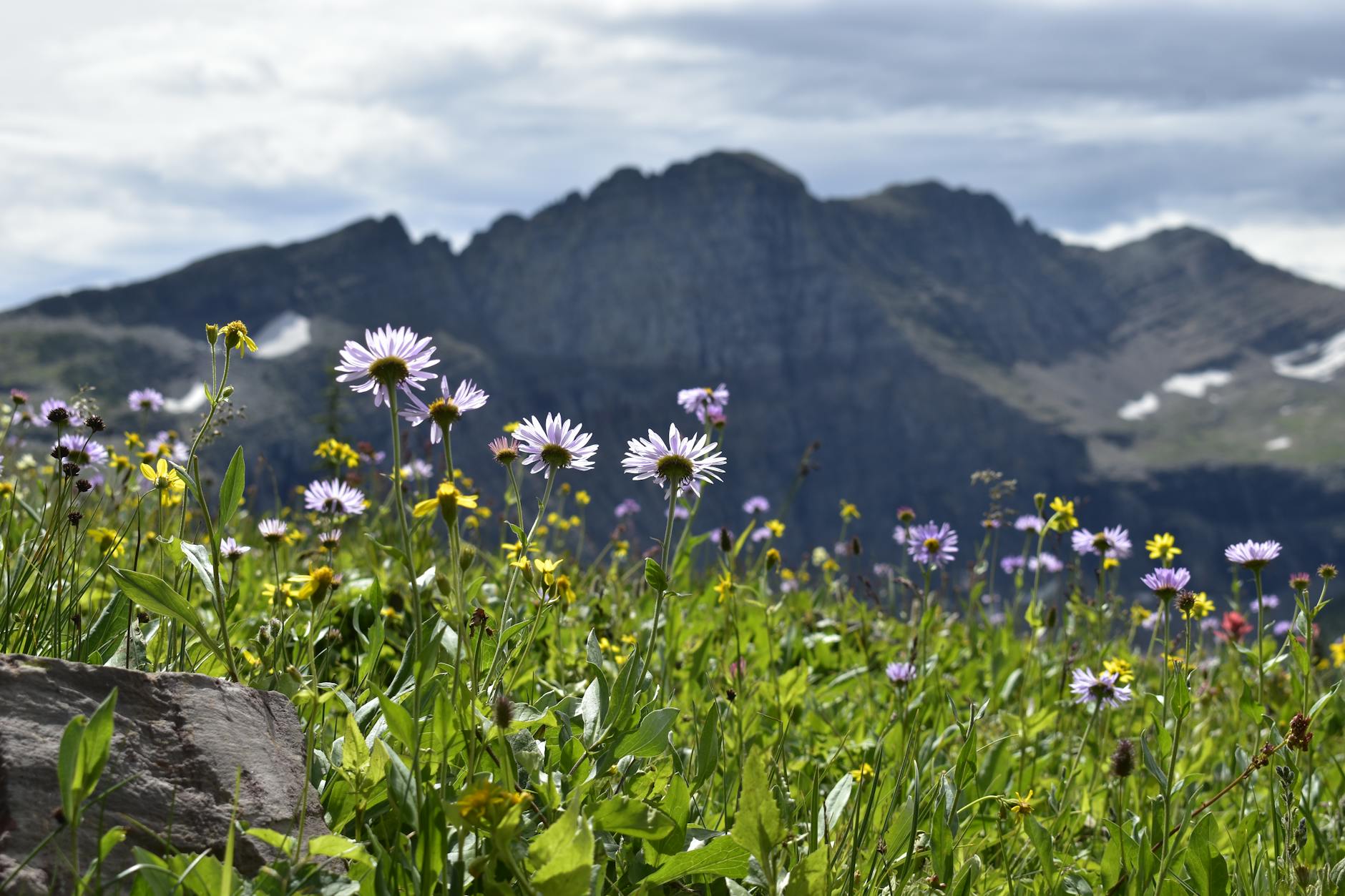
Shoulder season warming brings reopening facilities and lower-elevation wildflower blooms before peak crowds.
- Lower elevation trails bloom with wildflowers
- Many Glacier Hotel opens June 5
- Going-to-the-Sun Road typically opens fully by late June
- Fewer crowds than July–August
- High rainfall (38% daily precipitation chance)
FACILITIES REOPENING
Many Glacier Hotel opens June 5, marking peak-season preparations. Most concession services (restaurants, gift shops) reopen late May through early June. Lake McDonald Lodge opens May 15. This creates a busy but not yet overwhelming atmosphere.
WILDFLOWER DISPLAYS
Lower elevation trails (Avalanche Lake, Trail of the Cedars, lower Highline Trail) display wildflower blooms. Higher elevations remain snow-covered; glacier lilies and beargrass peak at mid-elevations. Display intensity varies year-to-year based on snowmelt timing.
GOING-TO-THE-SUN ROAD STATUS
The road typically opens fully by late June, though opening dates are unpredictable (weather-dependent, no firm NPS announcement). Early June sees lower sections accessible; alpine portions (Logan Pass) often remain closed or gated. Plan for June 20+ to reliably access the full road.
WEATHER & RAIN
June is the rainiest month (38% daily precipitation chance). Expect cool mornings (42–50°F) and mild afternoons (62–72°F). Higher elevations still carry snow and muddy trails. Waterproof layers are essential. Clear days deliver incredible wildflower and peak visibility.
May — Lower elevations
Shoulder Season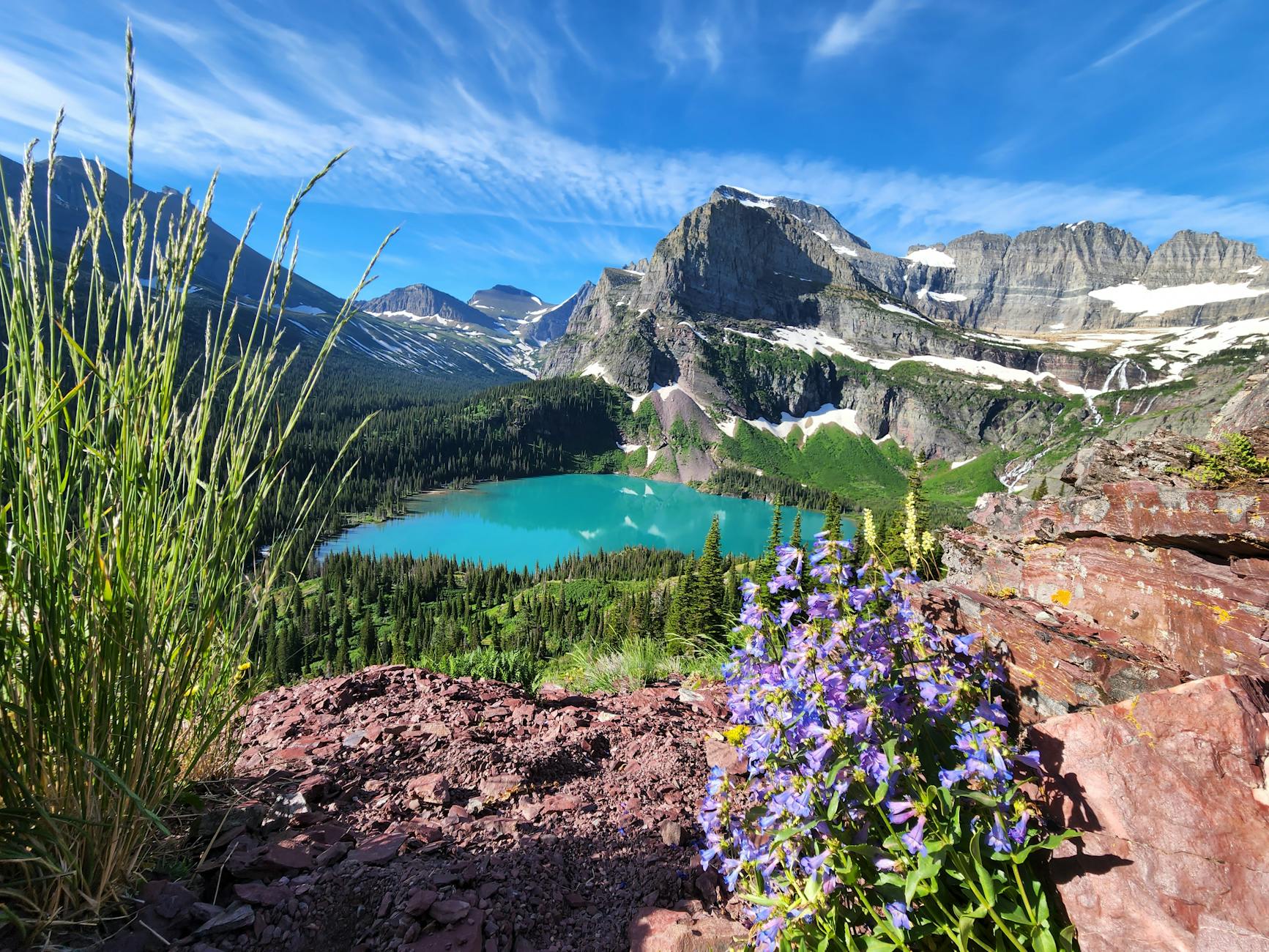
Wildflowers bloom at lower elevations while higher trails remain snowy—ideal for hardy, flexible visitors.
- Lower elevation trails display early wildflower blooms
- Unpredictable weather with possible late snowstorms
- Very few crowds; maximum solitude
- Many facilities still closed or just reopening
- Higher elevations and pass trails 100% snow-covered
WILDFLOWER SEASON
Lower elevation trails bloom with early wildflowers as snow melts. Avalanche Lake area is spectacular. Trail of the Cedars (old-growth cedar forest) combines wildflowers with shade. Higher elevations above 5,000 ft remain 100% snow-covered; pass trails are impassable.
UNPREDICTABLE WEATHER
May is the rainiest month (38% daily precipitation). Late snowstorms can dump 1–2 feet at higher elevations overnight. Bring a waterproof shell and warm layers. Morning lows drop to 34–45°F. Check forecasts daily and be flexible with plans.
FACILITIES
Lake McDonald Lodge opens May 15. Many other lodges and restaurants are still closed. Going-to-the-Sun Road typically opens late May, but driving the full length is unreliable. Plan to stay in gateway towns (West Glacier, St. Mary) rather than in-park.
CROWDS & SOLITUDE
May offers the fewest crowds of any accessible season. Trails feel empty. Parking is easy. This appeals to hikers who dislike crowds but can tolerate unpredictable weather and limited facilities.
October — Glacier-wide (early month only)
Gamble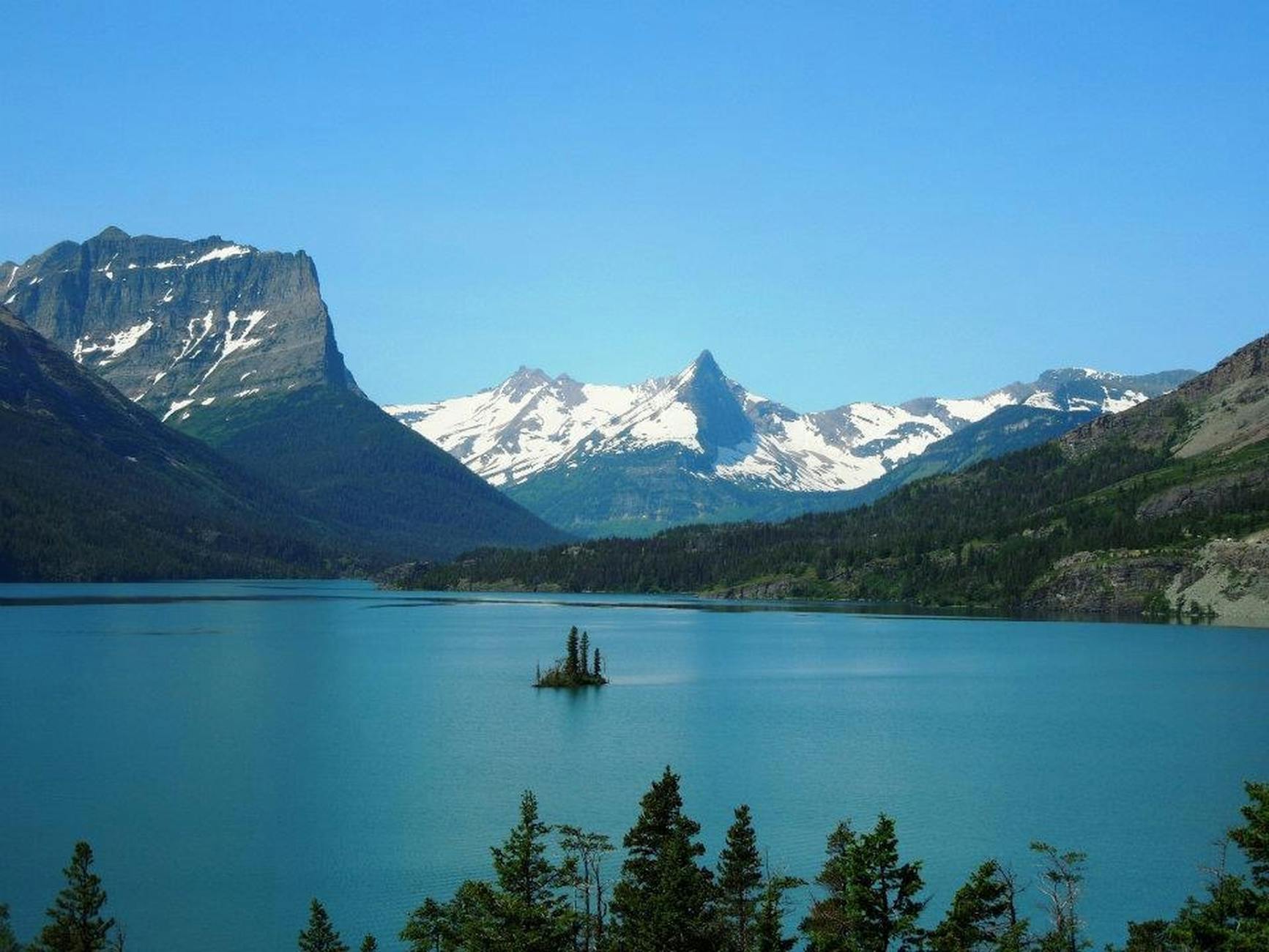
Golden larch color and empty trails early month, but road closure by mid-month limits late-month access.
- Larch trees (tamaracks) turn brilliant gold early month
- All lodging and concessions close by month-end
- Trails empty for day hikers before closure
- First significant snowstorms arrive mid-month
- Snow increasingly likely above 5,000 ft
LARCH COLOR PEAK
Larch trees (deciduous conifers called tamaracks) turn brilliant gold in early October, peaking the first two weeks. This is distinct from September's early color—October delivers full, dramatic displays. Peak is weather-dependent; heavy early snow can shorten the window.
ROAD CLOSURE WINDOW
Going-to-the-Sun Road typically closes by the third weekend of October, but closure dates are weather-dependent. NPS does not announce exact dates in advance. Early October offers full access; mid-October closures can happen rapidly due to snowstorms. Check NPS website frequently.
FACILITIES CLOSING
All major lodges close by month-end (Swiftcurrent Motor Inn closes Sept 16, Rising Sun closes Sept 13, Many Glacier closes Sept 21, Lake McDonald closes Sept 28). By early October, only primitive camping remains. Plan to stay outside the park in gateway towns.
WEATHER & SNOW
Early October: crisp, clear (high 50–60°F, low 35–45°F). Mid-October: first major snowstorms arrive. Snow becomes increasingly likely above 5,000 ft. Bring layered system, waterproof shell, warm hat, gloves, gaiters. Crampons helpful for high-elevation passes.
April — Lower elevations only
Not Recommended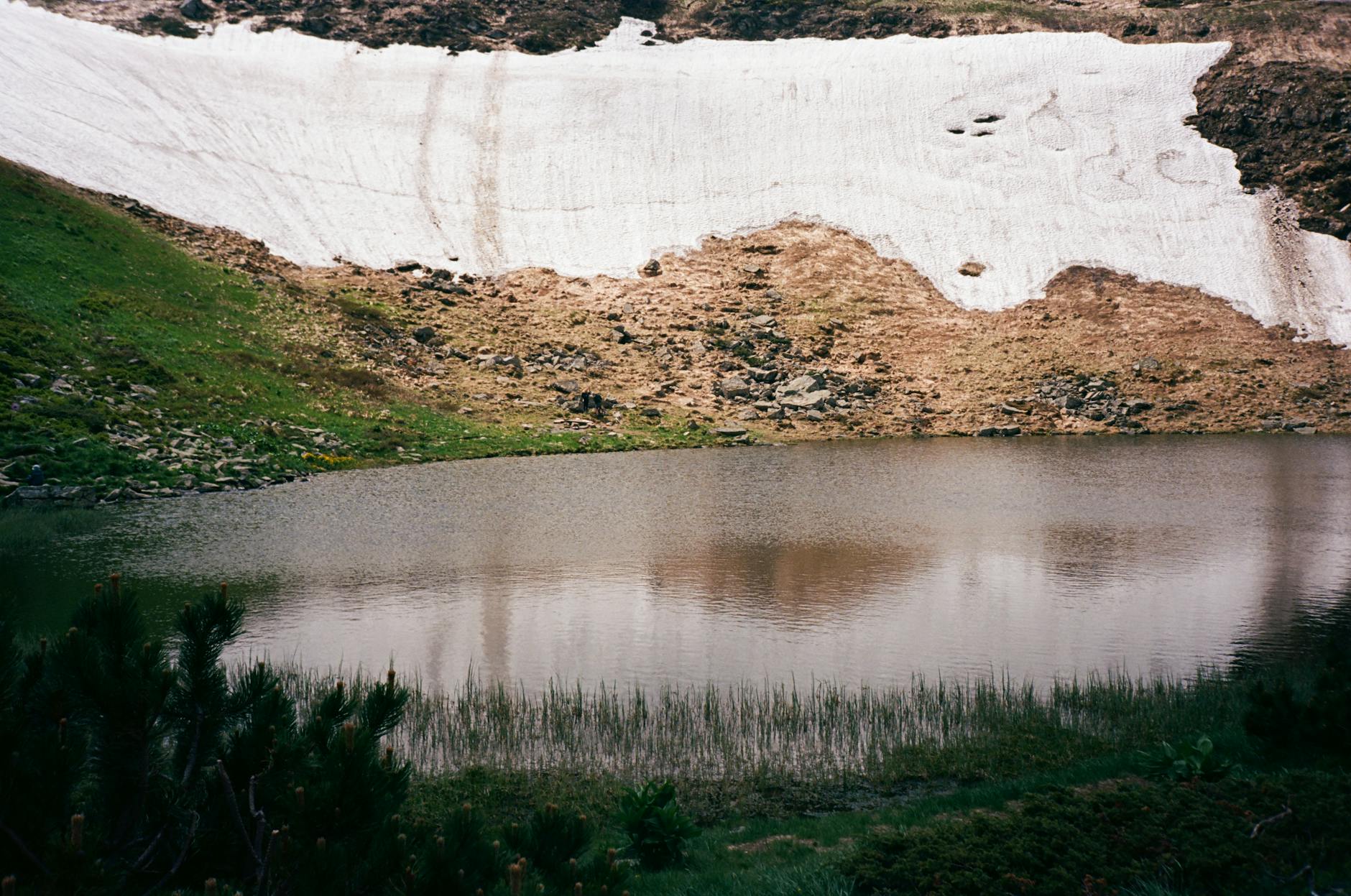
Spring plowing expands park access, but services remain minimal—suited for self-sufficient adventurers.
- Spring plowing begins, expanding Going-to-the-Sun Road access gradually
- Lower elevations becoming snow-free
- Beautiful and quiet for spring seekers
- Only year-round camping (vault toilets, no running water)
- 2.5–3 month plowing process underway
PLOWING PROGRESS
By early April, plowing of Going-to-the-Sun Road expands. The lower section (West Glacier to Lake McDonald Lodge) remains plowed. Alpine sections open extremely slowly—plowing takes 2.5 to 3 months total, meaning full opening is late June or early July. Most of the road remains closed in April.
LOWER ELEVATIONS OPENING
Lower elevations become snow-free by late April. Trail of the Cedars, lower Avalanche Lake approaches, and lakeside paths are accessible. Higher elevations above 5,000 ft remain 100% snow-covered. Plan hikes accordingly.
FACILITIES CLOSED
Most park services remain closed. Only year-round camping (vault toilets, no running water) is available. Apgar Visitor Center restrooms are open year-round but facilities are bare-bones. Food is extremely limited—bring your own or rely on gateway town groceries.
SELF-SUFFICIENCY REQUIRED
April is for experienced backcountry campers and self-catering day hikers. Temperatures range high 45–55°F, low 25–35°F. Waterproof gear, warm layers, and backup plans are essential. Spring snowmelt creates dangerous water crossings and muddy trails.
March — Backcountry and lower elevations
Expert Only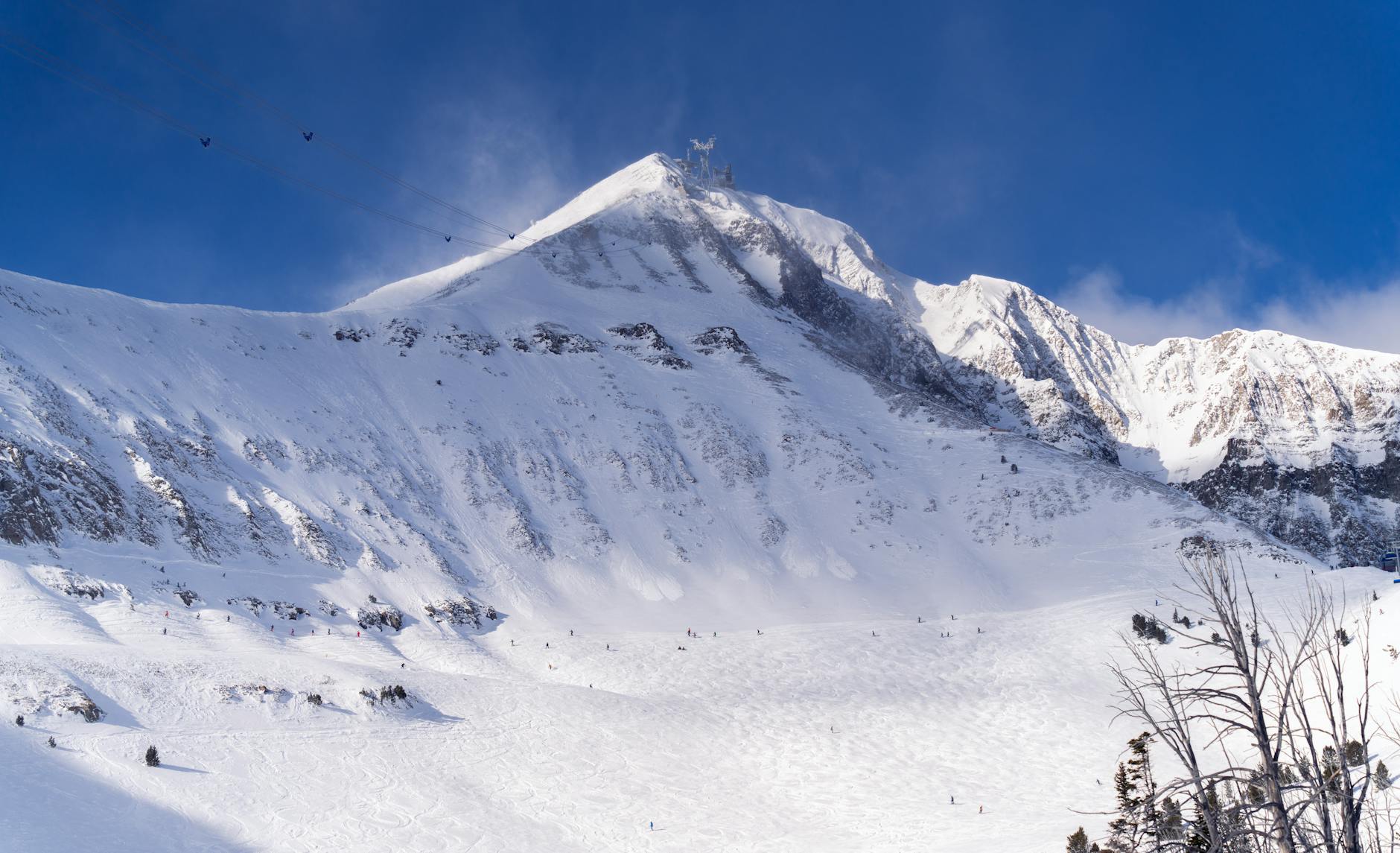
Spring plowing begins, but services stay minimal—backcountry experience essential for March visits.
- Spring plowing begins on the east side
- Going-to-the-Sun Road still mostly closed; full opening not until late May/June
- Apgar and St. Mary year-round camping with limited amenities
- Very few crowds and visitors
- Most accommodations closed
PLOWING BEGINS
Spring plowing begins on the east side in March, but most roads remain closed. The lower West Glacier to Lake McDonald Lodge section is plowed. Going-to-the-Sun Road's full opening won't occur until late May or June. Don't plan on alpine access.
WEATHER & SNOW
Daytime highs range 35–45°F, nighttime lows 15–25°F. Mid-to-high elevations remain 100% snow-covered. Late spring snowstorms are common. Only backcountry camping is viable. Crampons, snowshoes, and avalanche safety equipment are mandatory.
FACILITIES
Most park accommodations are closed. Apgar and St. Mary offer year-round camping with minimal amenities (vault toilets, limited water). No restaurants, gift shops, or visitor centers are operational. Food must be self-supplied.
SUITABLE VISITORS
March is exclusively for experienced backcountry campers, snowshoers, and cross-country skiers with avalanche awareness and winter survival skills. Day hikers and typical tourists should not visit.
February — Backcountry and ranger-led activities
Winter Only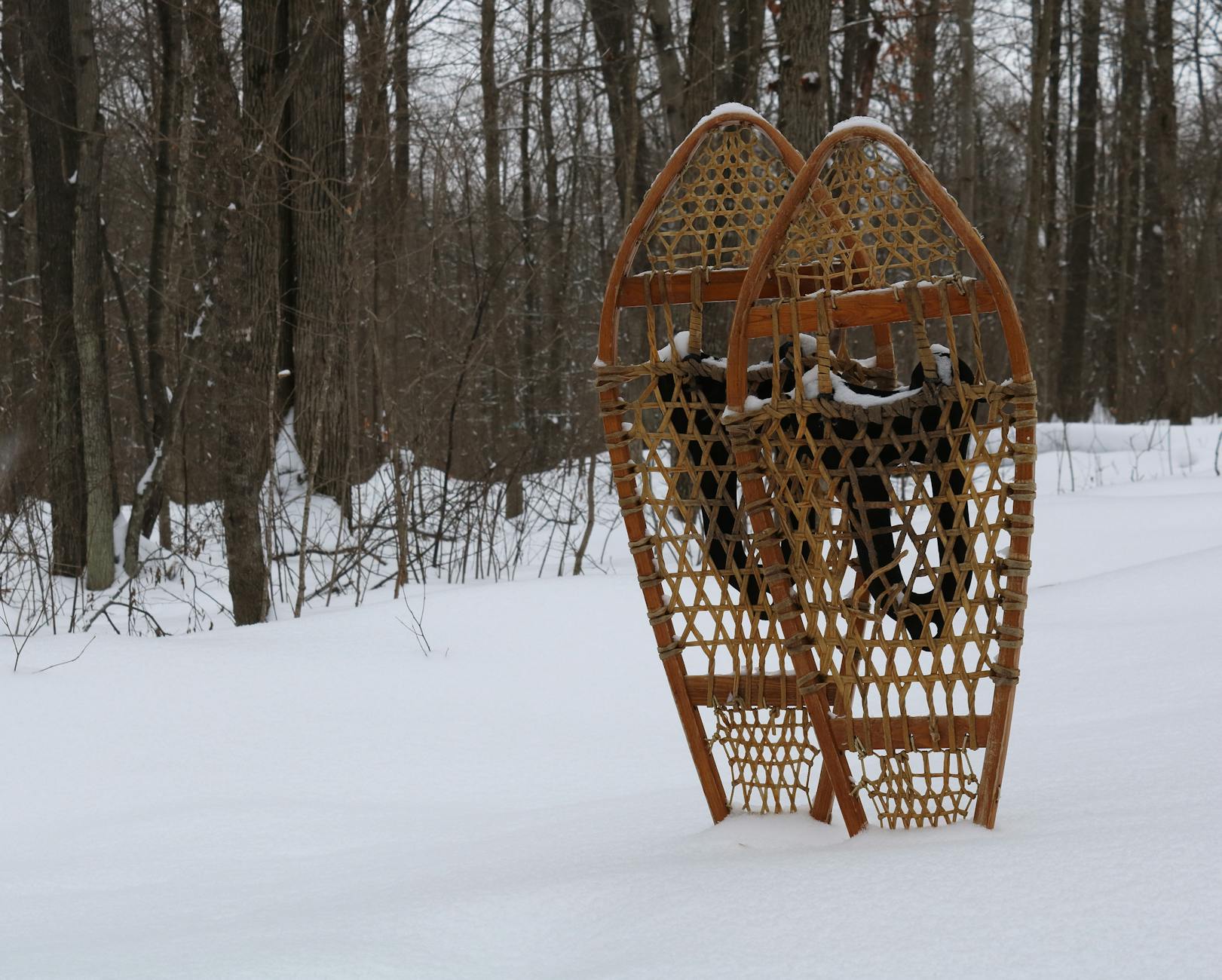
Winter sports season with snowshoe walks and cross-country skiing—no lodging, minimal services.
- Winter recreation: ranger-led snowshoe walks on weekends
- Cross-country skiing on unplowed Going-to-the-Sun Road sections
- Roads mostly closed except lower West Glacier section
- Apgar restrooms open year-round (minimal amenities)
- No lodging available in park
WINTER CONDITIONS
Most roads remain closed. The lower West Glacier to Lake McDonald Lodge section is plowed. Daytime highs 28–35°F, nighttime lows 8–15°F. Deep snow covers higher elevations. Avalanche risk requires knowledge and equipment.
RANGER-LED ACTIVITIES
Ranger-led snowshoe walks occur on weekends (dates vary). Cross-country skiing on the unplowed Going-to-the-Sun Road offers scenic routes. These are excellent for winter newcomers wanting guided experience.
NO LODGING
Zero lodging in or near the park in February. No restaurants, shops, or visitor center services. Basic Loop B camping (vault toilet, no running water) is available for hardy campers. Stay in gateway towns (West Glacier, St. Mary) 30+ minutes away.
WINTER GEAR ESSENTIAL
Snowshoes, cross-country skis, insulated boots, extreme cold-rated sleeping bags, and backup heating are mandatory. Hypothermia and frostbite risk is real. Avalanche beacon, probe, and shovel required for backcountry travel.
January — Backcountry only
Expert Only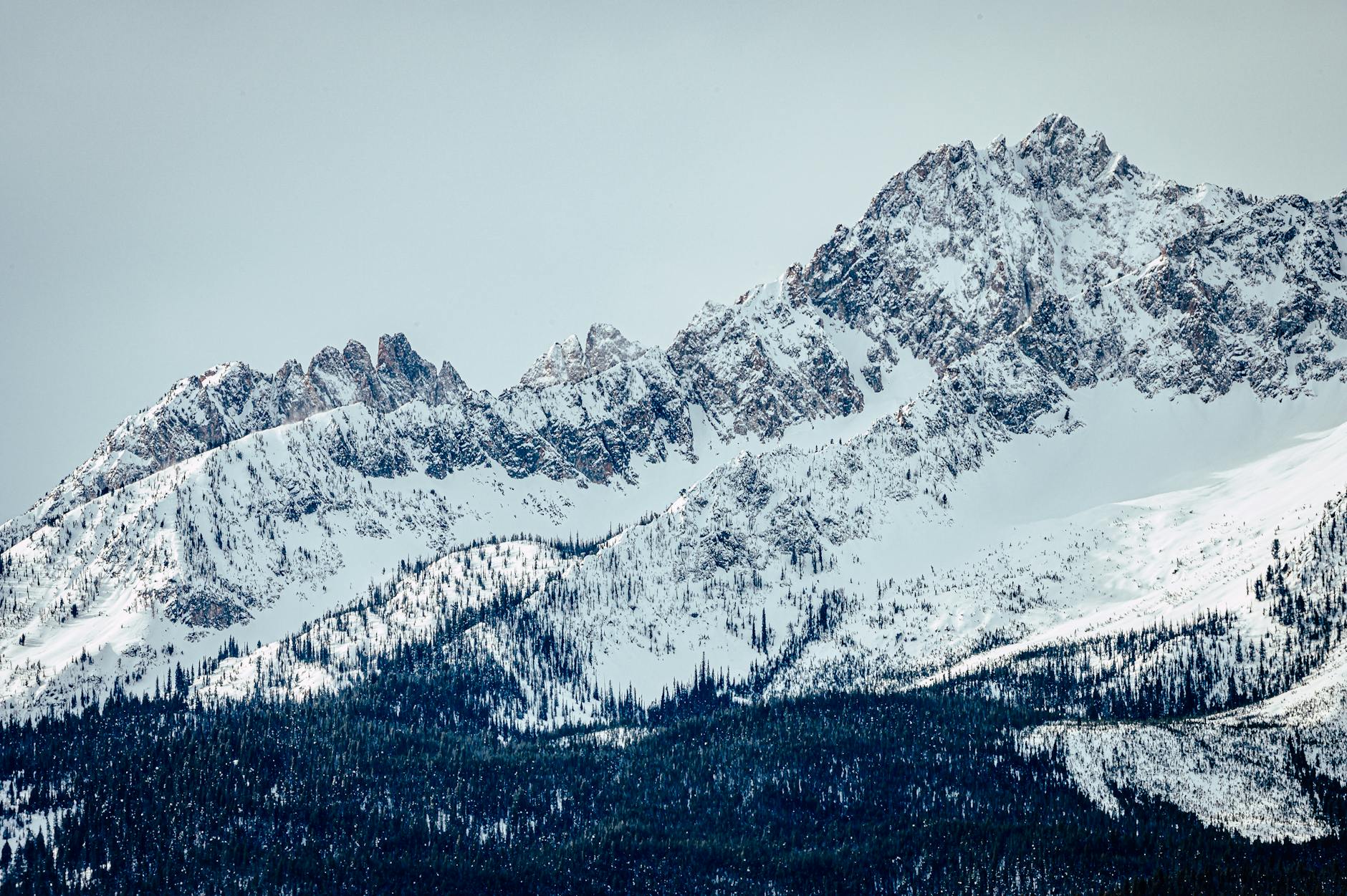
Deep winter isolation: backcountry camping, extreme cold, and ranger snowshoe walks—expert-level only.
- Backcountry primitive camping available
- Ranger-led snowshoe walks on weekends
- Cross-country skiing on unplowed Going-to-the-Sun Road
- Most roads and facilities closed
- Apgar Visitor Center restrooms open year-round
EXTREME COLD
Daytime highs 25–32°F, nighttime lows 5–12°F (or lower with wind chill). Snow depth in high country exceeds 10 feet. Frostbite sets in within minutes of exposed skin. Wind can gusts exceed 40 mph on passes.
ROAD CLOSURES
Most roads are closed. Only the lower West Glacier to Lake McDonald Lodge section is plowed (weather permitting). Going-to-the-Sun Road is completely inaccessible. Alpine access is backcountry only.
BACKCOUNTRY CAMPING
Primitive backcountry camping is available for those with winter expedition experience. Apgar Visitor Center restrooms remain open year-round. Limited food (Apgar Campstore) requires supplemental outside groceries. Self-sufficiency is absolute.
EXPERT WINTER SKILLS REQUIRED
Avalanche safety, winter navigation, extreme cold survival, and backcountry first aid are non-negotiable. Snowshoes, crampons, ice axe, beacon/probe/shovel, stove with fuel (liquid fuel—gas canisters fail in cold), insulated shelter. January is for professional mountaineers only.
November — Backcountry and lower elevations
Avoid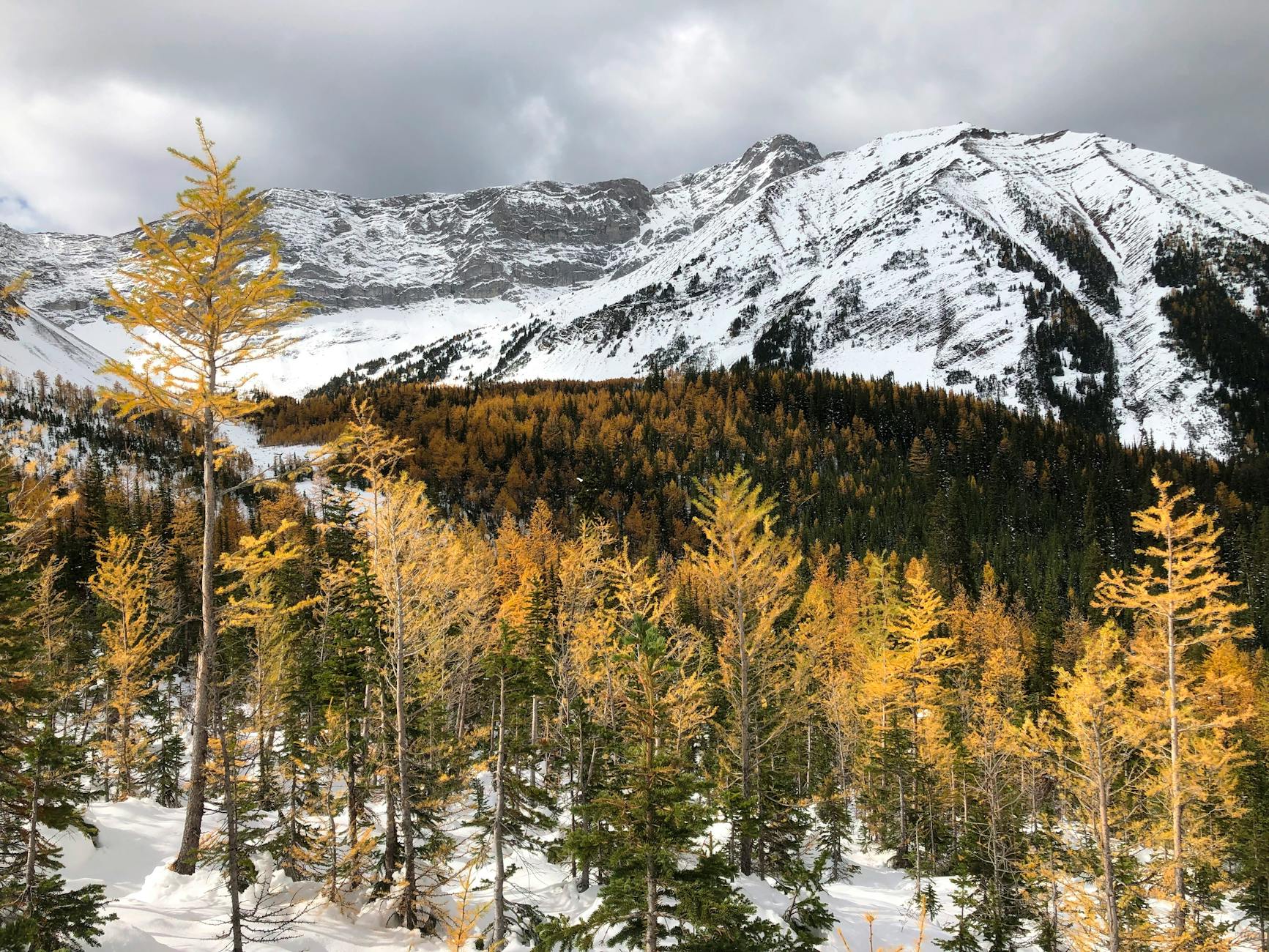
Transition to winter closure: most businesses and park services shut down through May.
- Most business and services closed from early October through late May
- Visitor centers at St. Mary and Logan Pass shut down
- Only primitive camping available
- Frequent snow and winter storms
- Early November may allow lower elevation hiking with favorable weather
CLOSURE WINDOW
Most businesses close by early October and stay closed through late May. Visitor centers at St. Mary and Logan Pass shut down. Lodges (Many Glacier, Swiftcurrent, Rising Sun) are already closed. Only primitive camping remains available.
EARLY NOVEMBER WINDOW
Early November (first 1–2 weeks) may allow lower elevation day hiking if weather is favorable. Daytime highs reach 35–45°F. However, frequent snowstorms can arrive without warning. This is a gamble—be prepared to abandon plans.
WEATHER & STORMS
Transition month brings frequent snow and winter storms. Higher elevations already snow-covered from October plowing. Lows drop 15–25°F. Wind increases. Roads are already closed or impassable from mid-month forward.
SELF-SUFFICIENCY
Services are minimal to nonexistent. No food, fuel, lodging, or ranger presence except for emergency. Backcountry camping is possible but requires full winter preparation. Most visitors avoid November entirely.
December — Backcountry and ranger-led activities
Winter Only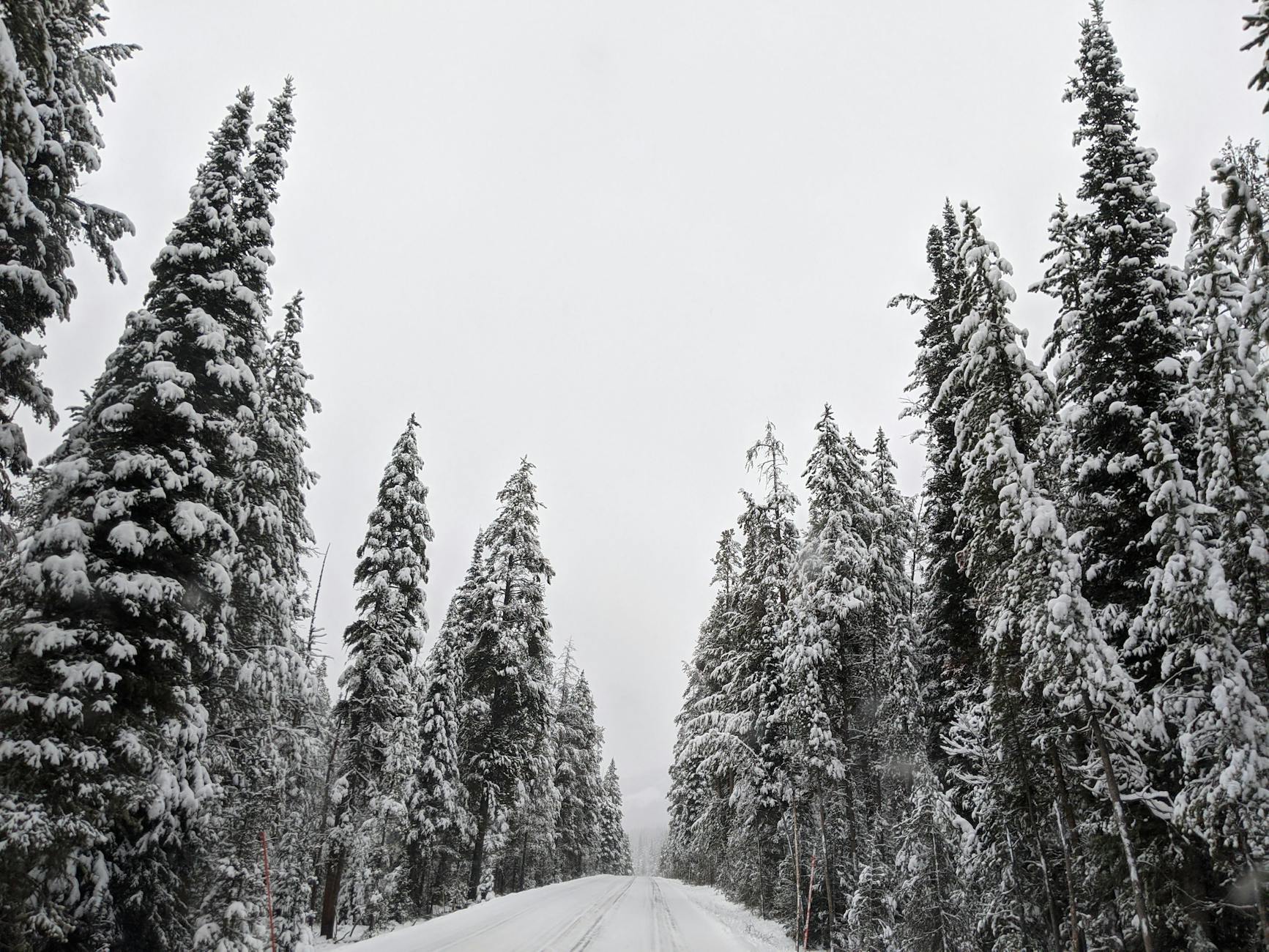
Minimal facilities and winter sports only—no lodging, deep snow, and isolation define December visits.
- Minimal facilities and no lodging in park
- Basic Loop B camping only (vault toilet, no water)
- Winter sports: snowshoe walks and cross-country skiing
- Limited supplies at Apgar Campstore
- Deep snow expected throughout park
ZERO LODGING
No lodging in or near the park. Only basic Loop B camping (vault toilet, no running water) is available. This is for winter campers with full shelter, heating system, and food self-sufficiency.
WINTER CONDITIONS
Daytime highs 28–35°F, nighttime lows 8–15°F. Deep snow (multiple feet) blankets the park. Wind frequently exceeds 30 mph at elevation. The lower West Glacier to Lake McDonald Lodge road may be plowed, but unpredictability is high.
WINTER SPORTS & RANGER PROGRAMS
Snowshoe walks and cross-country skiing on the unplowed Going-to-the-Sun Road are available. Ranger programs (when staff is available) occur sporadically. These are highlights of a spartan December.
SUPPLIES & SELF-SUFFICIENCY
Apgar Visitor Center restrooms are open year-round. Limited food at Apgar Campstore; most groceries must be purchased outside the park. Extreme cold gear, snowshoes or cross-country skis, insulated camping shelter, and stove are mandatory.
Common Questions
When is the best time to hike at Glacier?
July–September offer the most trail access and reliable weather. September is ideal for fewer crowds and excellent conditions. May–June show wildflowers but with unpredictable weather and snow above 5,000 ft. October early month offers larch color but closes by mid-month.
When does Going-to-the-Sun Road fully open?
The road typically opens fully by late June or early July, with exact dates varying based on snowpack and plowing progress (a 2.5–3 month process). It usually closes by mid-October. NPS does not announce opening dates in advance; check plowing status before planning.
Can I visit in winter?
Yes, but services are extremely limited. Only primitive camping is available; no lodging, restaurants, or visitor services (except year-round Apgar restrooms). Most roads are closed except the lower West Glacier section. Winter activities include snowshoeing and cross-country skiing on unplowed roads.
Is there a shuttle system in 2026?
Yes—a ticketed shuttle system runs July 1–September 7, 2026, to Logan Pass with early-morning express routes. Tickets release on Recreation.gov. Private vehicle parking at Logan Pass is limited to 3 hours during this period. Vehicle reservations are not required elsewhere in the park.
Why is September considered the best time?
After Labor Day, crowds drop dramatically while weather remains excellent (high 65–75°F, low 35–45°F). Smoke typically clears, Going-to-the-Sun Road stays open, and larch trees begin turning brilliant gold. It combines peak-season access with off-season solitude.
Sources & Further Reading
- Glacier National Park Official NPS Page
- Weather - NPS
- Visiting in Winter - NPS
- Visiting in Spring - NPS
- Visiting in November & Early December - NPS
- Going-to-the-Sun Road General Info - NPS
- Directions - NPS
- Dealing with Crowds - NPS
- 2026 Summer Operations - NPS News
- 2026 Shuttle System Changes - NPS News
- Many Glacier Hotel - Official Lodges
- Recreation.gov - Shuttle Tickets