Best Scenic Overlooks in Glacier National Park (2026 Guide)
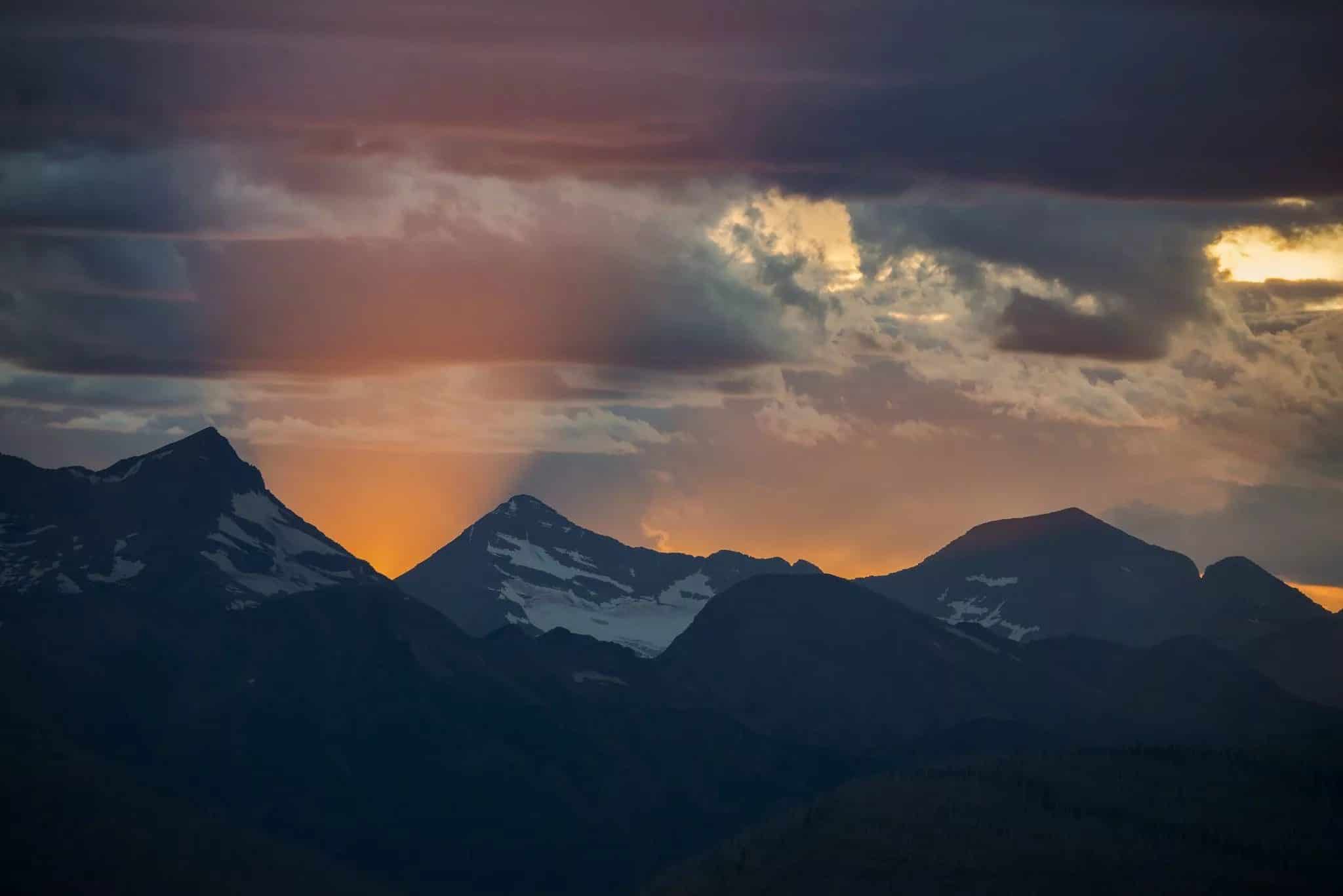
Glacier National Park’s scenic overlooks deliver some of the most dramatic roadside views on the continent — turquoise lakes framed by 10,000-foot peaks, active glaciers visible from a paved pullout, and wildflower meadows at 6,600 feet. The best overlooks require nothing more than a parking spot and 10 minutes, though a few reward a short hike with views that last a lifetime.
Per NPS.gov, Glacier National Park is open every day of the year. The entrance fee is $35 per private vehicle. Going-to-the-Sun Road — which accesses most overlooks on this list — typically opens in late June or early July and closes in October, depending on snowpack.
- Logan Pass (6,646 ft) is the highest drivable overlook and the single most spectacular stop in the park.
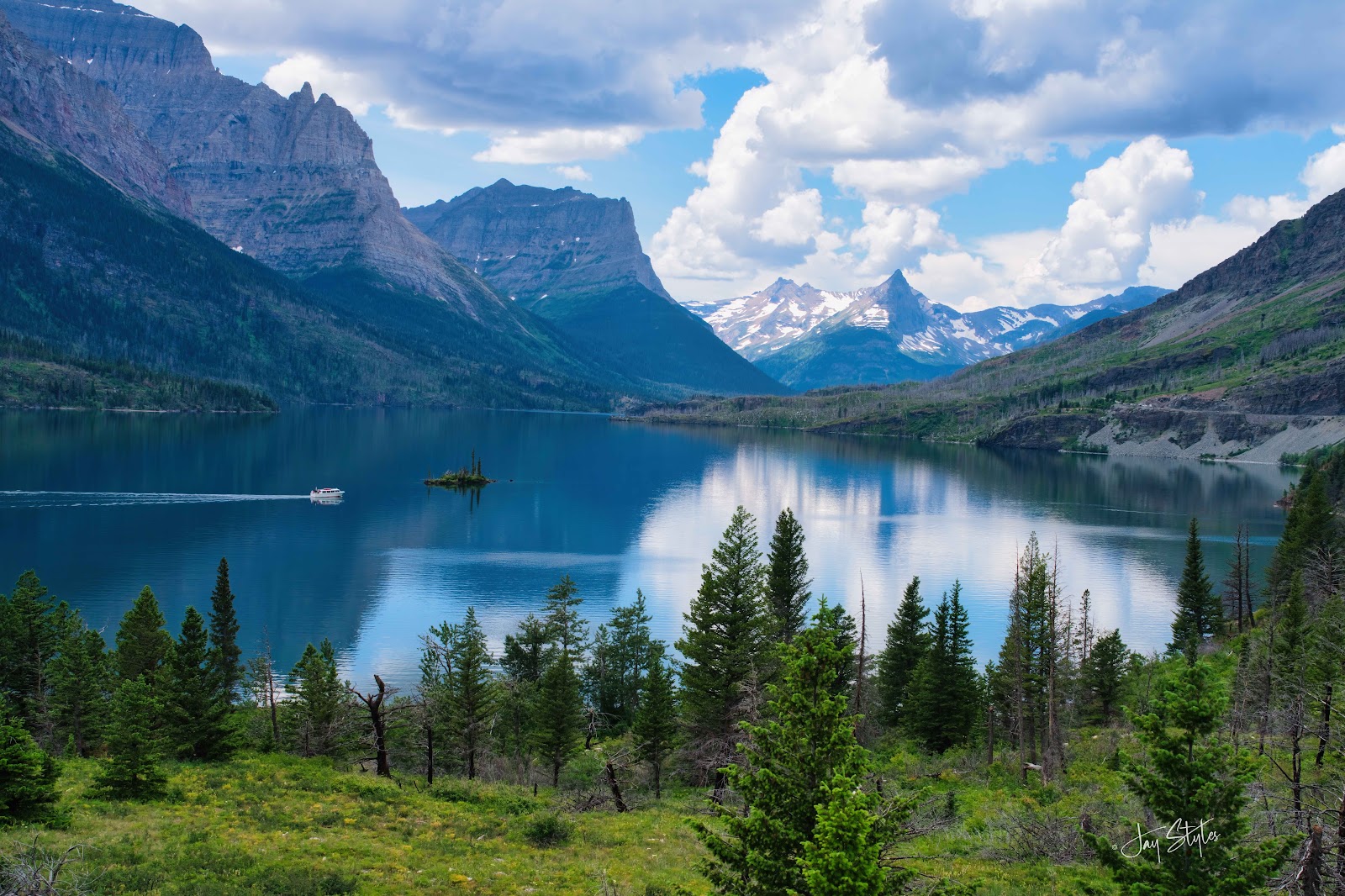
- Wild Goose Island Overlook on St. Mary Lake is the most photographed scene in Glacier — no hiking required.
- Jackson Glacier Overlook is the only place in the park where you can see an active glacier from the road.
- Hidden Lake Overlook adds 2.7 miles of hiking from Logan Pass for a view most visitors miss entirely.
- Many Glacier overlooks (Swiftcurrent Lake) are accessible without a GTSR timed-entry permit.
- Going-to-the-Sun Road is currently closed for the season; plan arrivals after late June 2026.
- Arrive before 9 AM or after 4 PM to find parking at popular GTSR overlooks.
Logan Pass — The Crown Jewel
At 6,646 feet on the Continental Divide, Logan Pass is the highest point on Going-to-the-Sun Road and the most-visited single location in Glacier National Park. Views in every direction encompass Reynolds Mountain, Clements Mountain, and dozens of unnamed peaks dropping into glacially carved valleys. On clear days you can see snowfields that have persisted since the last ice age.
The Logan Pass Visitor Center sits at the pass and is staffed from late June through mid-September. Even if you skip the hikes, the parking area itself provides 360-degree panoramic views of both the east and west slopes of the Divide. Mountain goats regularly graze the subalpine meadows within 50 feet of the lot.
Some links below are affiliate links.
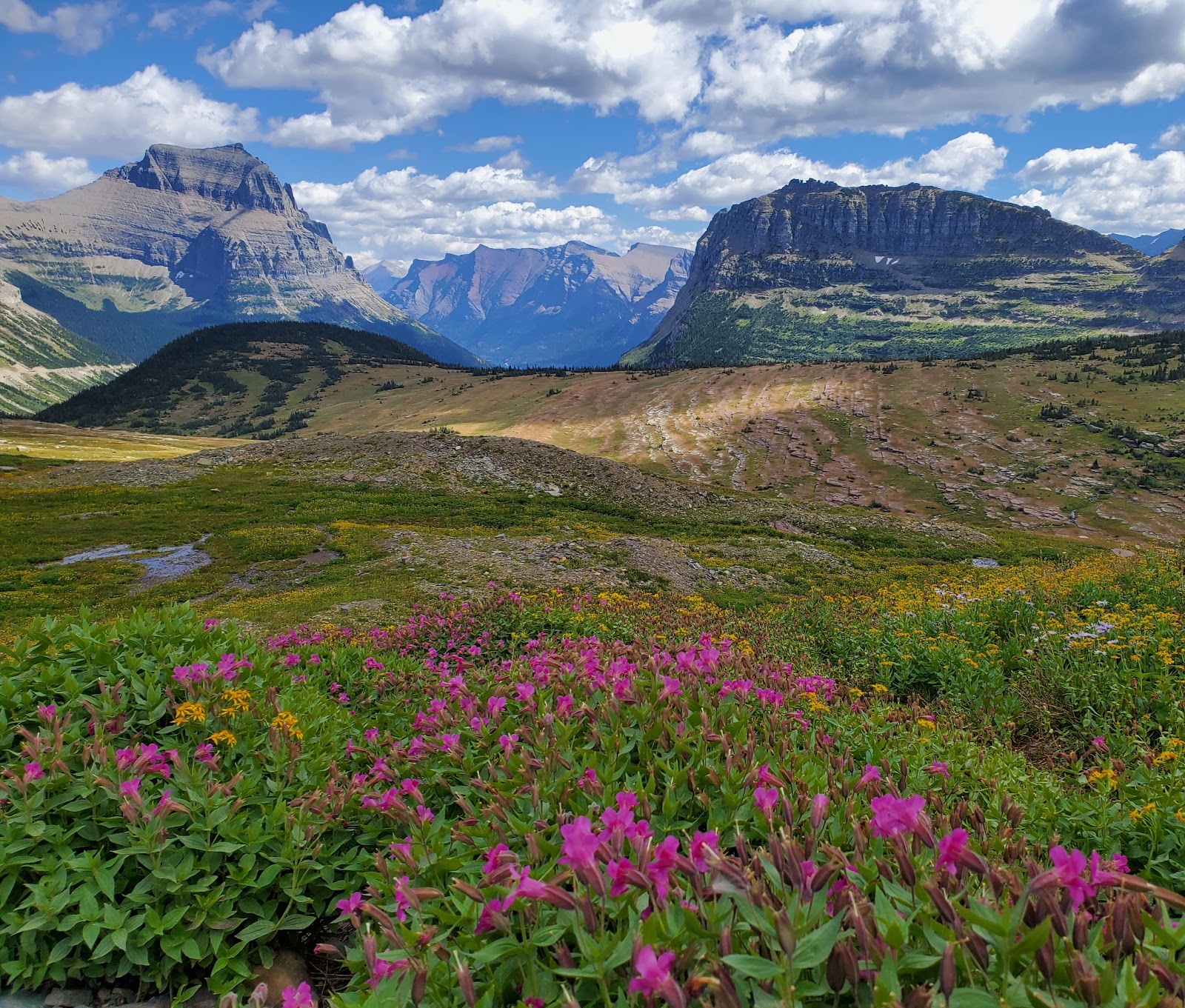

Elevation: 6,646 ft | Drive from West Glacier: ~32 miles | Parking: Limited; shuttle recommended
Wild Goose Island Overlook
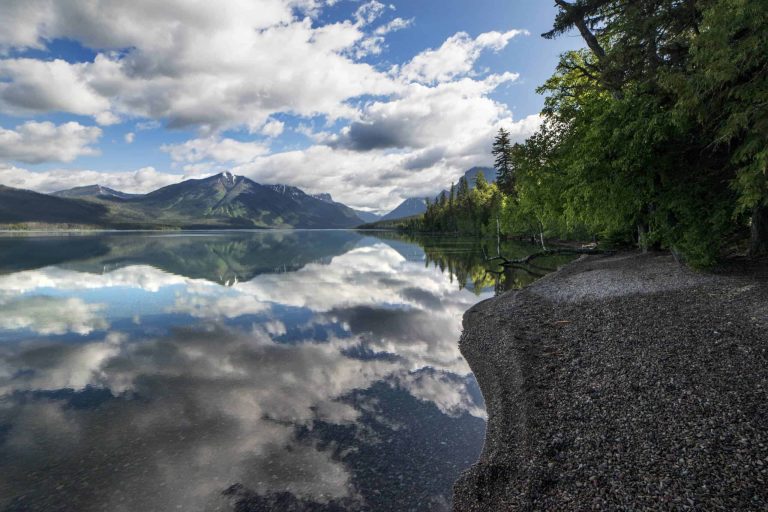
The most-photographed scene in Glacier National Park, Wild Goose Island Overlook frames tiny Wild Goose Island against the impossibly blue waters of St. Mary Lake, flanked by peaks that rise over 4,000 feet from the shoreline. Per NPS.gov, the island rises only 14 feet above the lake surface — making it one of the most dramatic foreground-to-peak contrasts anywhere in the Rockies.
This is a no-hiking-required roadside pullout on the east side of Going-to-the-Sun Road, roughly 9 miles west of the St. Mary entrance. The overlook faces west, making it ideal for late-afternoon and golden-hour photography. Sunrise shots are possible but the light falls on the peaks rather than the lake at dawn.
Best time: Late afternoon for golden light on peaks | Access: East-side GTSR; east approach does not require a timed-entry permit
Jackson Glacier Overlook
Jackson Glacier Overlook is the only pullout on Going-to-the-Sun Road where you can see an active glacier. Jackson Glacier — one of the park’s 26 remaining named glaciers — clings to the northeast face of Mount Jackson at roughly 8,100 feet. Per NPS.gov, Jackson Glacier has lost more than 50% of its area since 1966, making this overlook both a scenic highlight and a sobering climate record.
Located at mile 35.8 on Going-to-the-Sun Road, the overlook includes interpretive signs explaining the glacier’s retreat. Binoculars help pick out the ice. Early season (late June–July) shows the glacier at its snowiest; late August reveals the most exposed blue ice.
Mile marker: ~35.8 GTSR (east side) | Hike required: No | Best season: Late June–September
Hidden Lake Overlook (Short Hike)
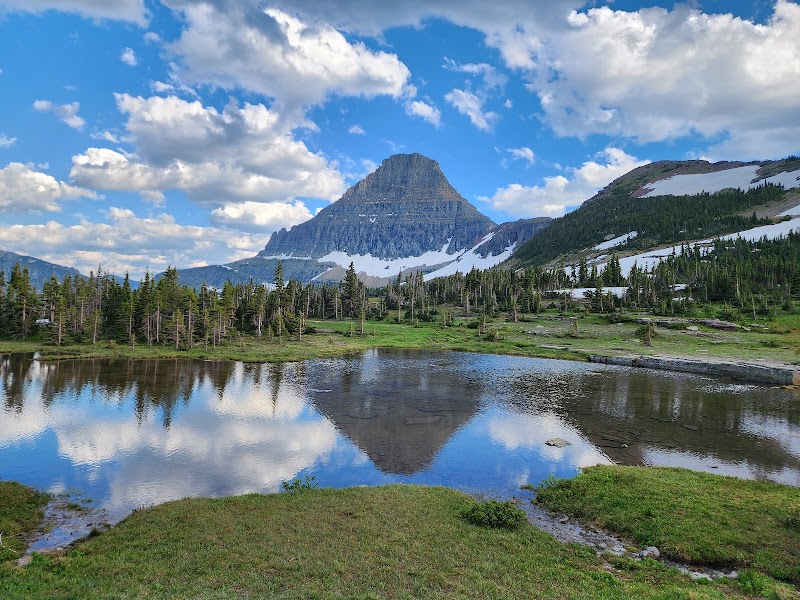
If you’re willing to add 2.7 miles round-trip and 460 feet of elevation gain from the Logan Pass parking area, Hidden Lake Overlook delivers a view that eclipses almost anything accessible by car in the park. The boardwalk-and-dirt trail traverses subalpine meadows carpeted in beargrass and Indian paintbrush before arriving at a railing-edged overlook above a vivid teal lake ringed by spires.
Per NPS.gov, the overlook sits above the lake; descending another 1.2 miles (dropping 780 feet) reaches the lakeshore itself. Mountain goats and bighorn sheep are commonly spotted near the boardwalk. Snowfields persist on the trail into July — microspikes help in early season.

Trailhead: Logan Pass Visitor Center | Distance: 2.7 mi RT to overlook | Elevation gain: 460 ft | Difficulty: Easy–Moderate
Big Bend & Oberlin Bend
Two of the best drive-by pullouts on Going-to-the-Sun Road sit within a mile of each other just west of Logan Pass. Big Bend (mile 29.1) offers a wide gravel pullout where beargrass blooms fill the foreground in July and August — one of the most photographable wildflower-and-peak combinations on the entire road. Oberlin Bend (mile 30.2) has a paved deck pointed directly at the Garden Wall and the narrow ledge section of the road chiseled into sheer cliff face.
Both pullouts are small — Big Bend holds about 8–10 cars, Oberlin about the same. Waterfall hunters should note that Weeping Wall (mile 28) is a seasonal waterfall that pours across the road itself in late June and July after snowmelt. These three stops cluster together and make a logical 20-minute pause before or after Logan Pass.
Mile markers: Big Bend 29.1, Weeping Wall 28, Oberlin 30.2 | Hike required: No | Best for: Wildflowers (July–August), road engineering photography
Many Glacier & Swiftcurrent Lake
The Many Glacier region on Glacier’s northeast side offers overlook-quality scenery without GTSR timed-entry permits. The 12-mile drive from Babb into Many Glacier parallels Lake Sherburne before delivering you to a glacially carved valley ringed by hanging valleys and waterfalls. The Swiftcurrent Lake area near Many Glacier Hotel provides immediate panoramic views the moment you step out of your car.
From the Many Glacier Hotel dock, the reflection of Grinnell Point and the Garden Wall in Swiftcurrent Lake is one of Glacier’s iconic scenes — accessible in 200 feet of walking. The Swiftcurrent Nature Trail (2.6 miles loop) connects Swiftcurrent Lake, Fishercap Lake, and Redrock Lake with continuous mountain views. Check the bear activity board at the hotel before hiking — this is prime grizzly habitat.
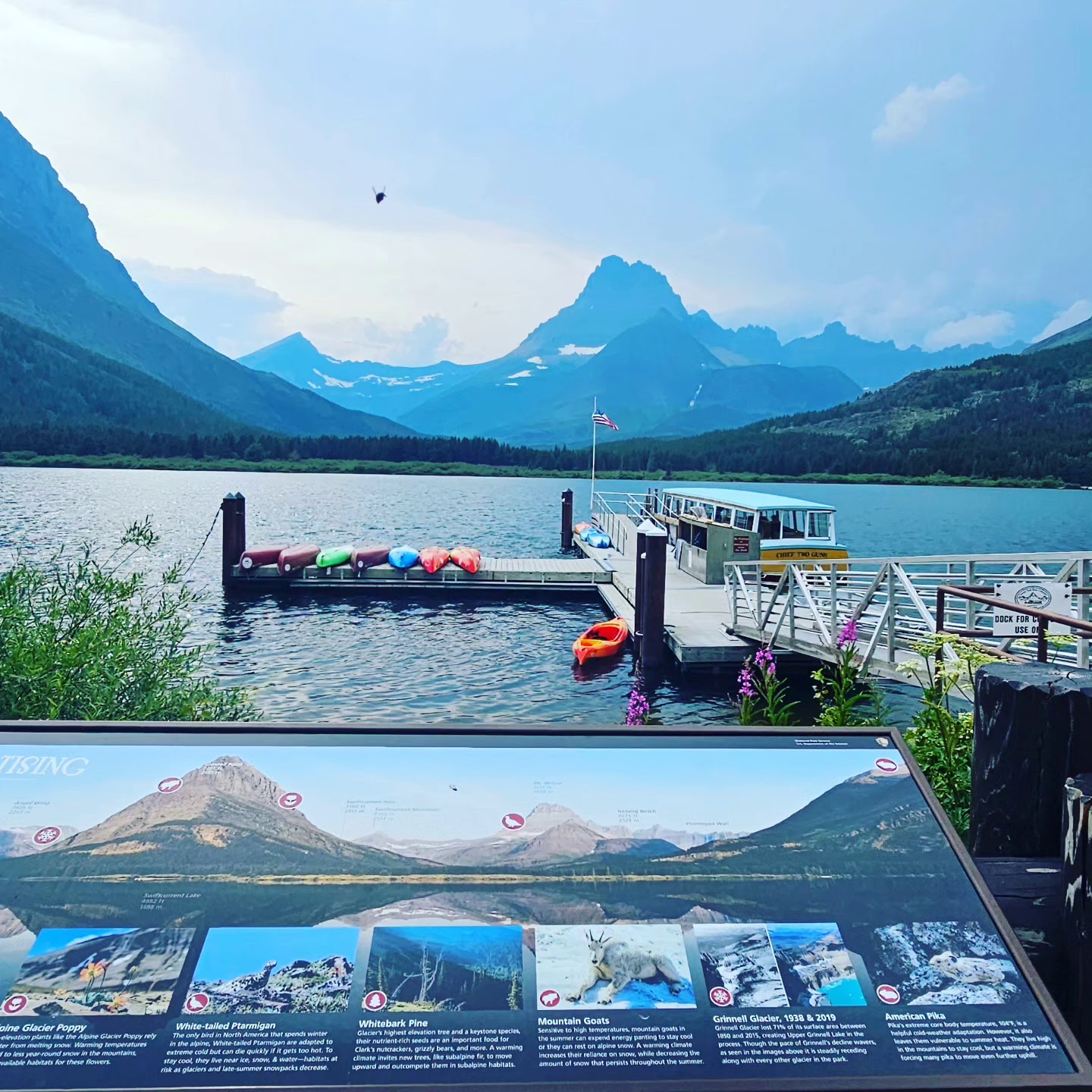
Access: East Glacier entrance via Babb, MT | Entrance fee: $35/vehicle | No GTSR permit needed
Sun Point Nature Walk
At mile 39.3 on the east side of Going-to-the-Sun Road, Sun Point Picnic Area is the trailhead for a 1.4-mile one-way nature walk along the St. Mary Lake shoreline to Sun Point itself. The walk ends on a small peninsula with 270-degree lake and mountain views — one of the park’s most rewarding short walks for scenery per mile.
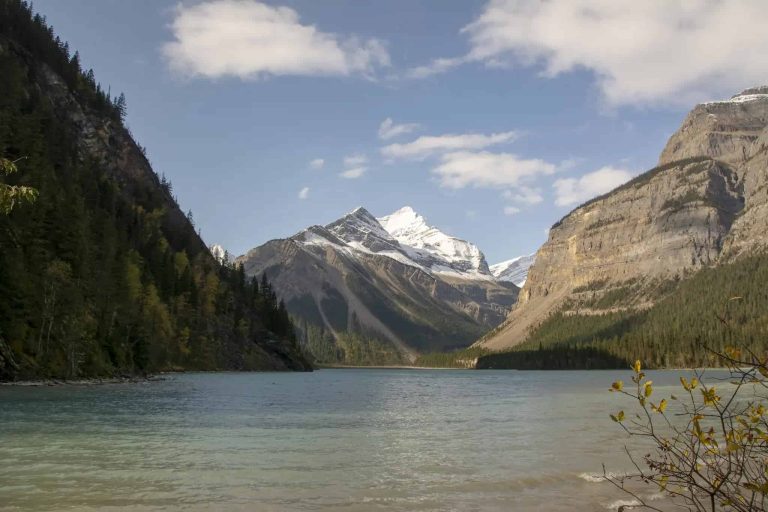
The nature trail is mostly flat, making it accessible for most visitors. Interpretive signs explain the geology and ecology of the St. Mary Valley. St. Mary Lake is the park’s second-largest lake at 10 miles long and 300 feet deep, per NPS.gov. The bright turquoise color comes from glacial flour — fine rock particles suspended in meltwater that scatter blue light.
Distance: 1.4 mi one-way | Elevation change: Minimal | Best for: Easy views, families, accessible visitors
Two Medicine: Aster Park Overlook
Two Medicine is Glacier’s least-crowded major area and one of its most scenic. The Aster Park Overlook — reached via a 3.4-mile round-trip trail from the South Shore Trailhead — climbs above Two Medicine Lake for sweeping views of the lake, surrounding peaks, and the prairie beyond the park’s eastern boundary. On clear days you can see 40+ miles into the plains of the Blackfeet Nation.
Two Medicine requires no timed-entry permit beyond the $35/vehicle entrance fee. The boat dock offers a ranger-guided boat tour that drops hikers at the far end of the lake — cutting the approach distance for upper trails significantly. If solitude is your priority, Two Medicine delivers views comparable to GTSR with a fraction of the crowds.
Distance to Aster Park Overlook: 3.4 mi RT | Elevation gain: ~700 ft | Crowds: Low | Permit: None beyond entrance fee
Quick Comparison: Best Overlooks at a Glance
| Overlook | Hike Required? | Distance / Effort | GTSR Permit? | Best For |
|---|---|---|---|---|
| Logan Pass | No | Roadside (6,646 ft) | Yes | 360° panoramas, wildlife |
| Wild Goose Island | No | Roadside pullout | No (east approach) | Photography, lake views |
| Jackson Glacier | No | Roadside pullout | No (east approach) | Glacier viewing |
| Hidden Lake Overlook | Yes | 2.7 mi RT, 460 ft gain | Yes (via Logan Pass) | Best overall view |
| Big Bend | No | Roadside pullout | Yes (GTSR west) | Wildflowers, road views |
| Swiftcurrent Lake | No | 200 ft from parking | No | Reflections, wildlife |
| Sun Point | Yes (easy) | 1.4 mi one-way, flat | No (east approach) | Families, accessibility |
| Aster Park (Two Medicine) | Yes | 3.4 mi RT, 700 ft gain | No | Solitude, prairie views |
Planning Tips: Permits, Timing, and Getting There
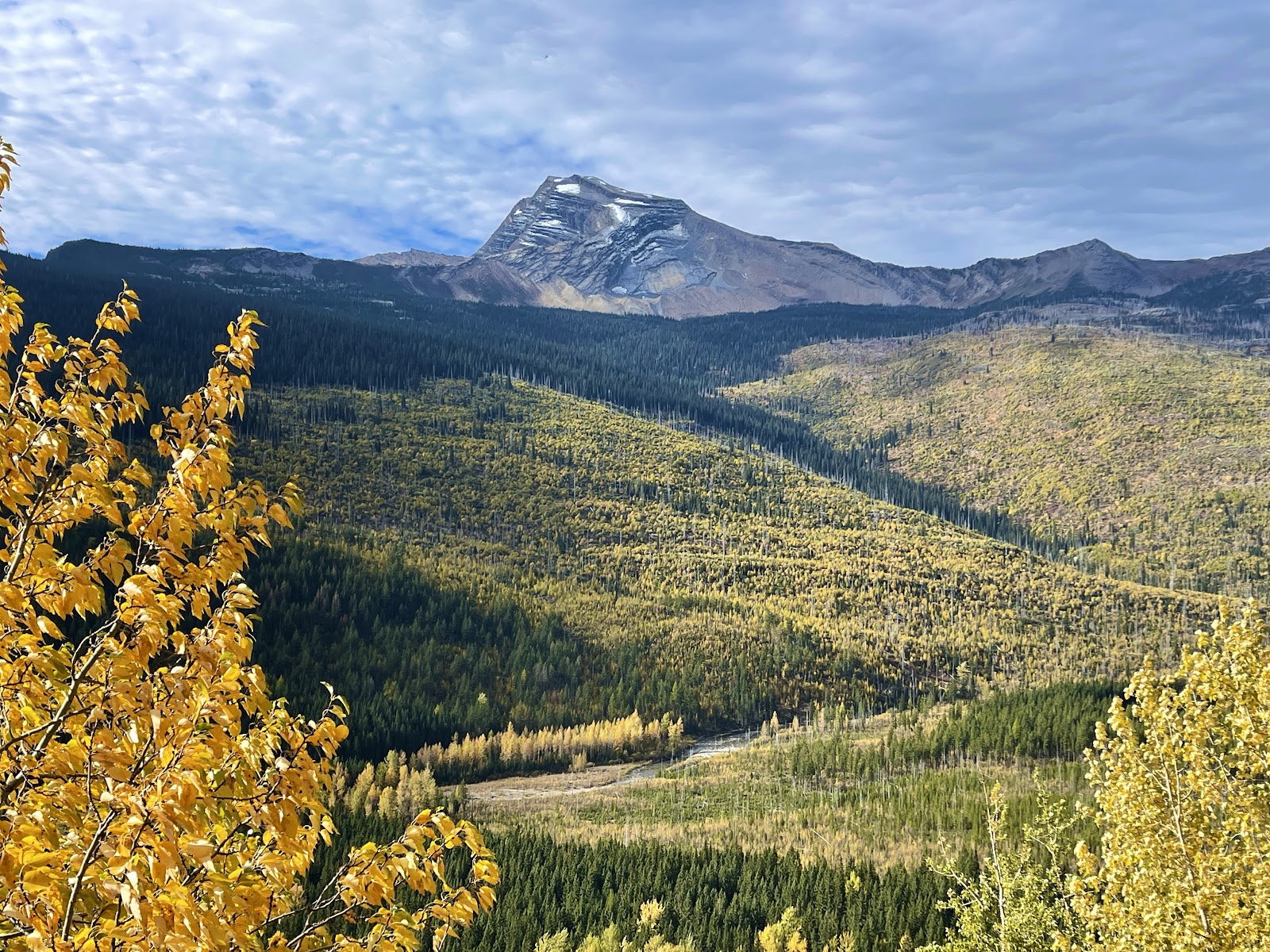
Going-to-the-Sun Road opens late June to early July each year, depending on snowpack. Per NPS.gov, the road is currently closed for the 2025–2026 winter season. Check nps.gov/glac for the latest opening date before booking accommodations.
Timed-entry permits are required for the GTSR corridor during peak season (typically July–early September). Permits go on sale 60 days in advance at Recreation.gov and sell out within hours. Alternatives when permits are sold out:
- Enter before 6 AM or after 3–4 PM (permit-free windows in most years — confirm current policy at nps.gov/glac)
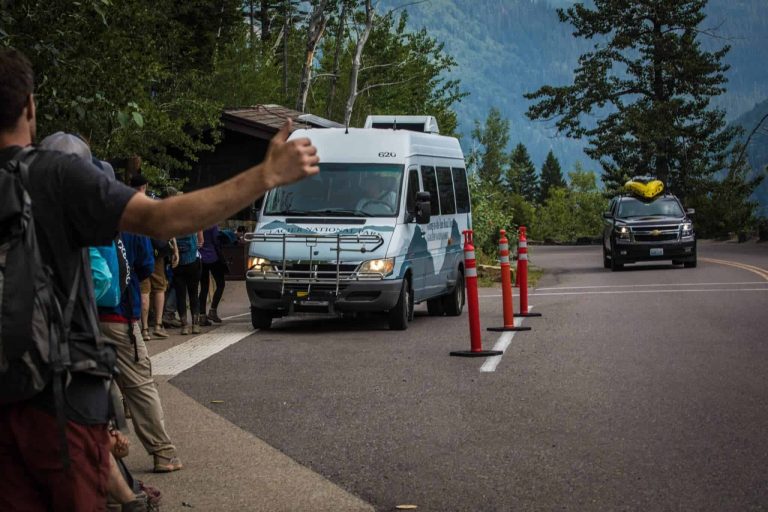
- Use the free park shuttle system from Apgar or St. Mary
- Visit Many Glacier, Two Medicine, or North Fork areas (no timed-entry required)
Frequently Asked Questions
What is the best overlook in Glacier National Park?
Logan Pass (6,646 ft) is the best drive-to overlook for sheer panoramic scale. If you’re willing to hike 2.7 miles from Logan Pass, Hidden Lake Overlook offers a view most visitors call the single best in the park — a vivid teal lake surrounded by cathedral spires. Wild Goose Island Overlook wins for photography due to its perfect foreground-to-peak composition.
Do you need a permit to visit Glacier National Park overlooks?
A $35/vehicle entrance fee is required year-round. During peak summer season (typically July–early September), a separate Going-to-the-Sun Road timed-entry permit is required to drive the GTSR corridor. This permit does NOT apply to Many Glacier, Two Medicine, or North Fork. Permits are sold at Recreation.gov 60 days in advance.
When does Going-to-the-Sun Road open in 2026?
Per NPS.gov, GTSR typically opens late June to early July. As of spring 2026, the road is under its seasonal winter closure. Opening dates are announced on the NPS website, typically 2–4 weeks in advance. The eastern section (St. Mary to Sun Point) usually opens earlier than the full road through Logan Pass.
Can you see glaciers from any Glacier National Park overlooks?
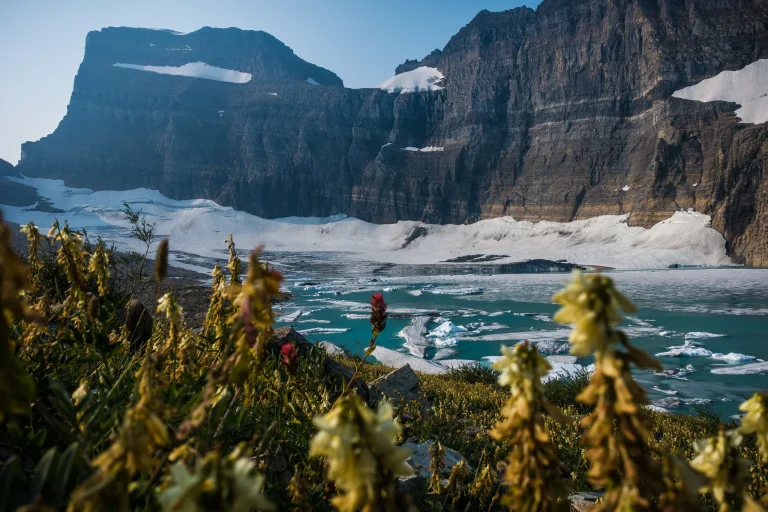
Yes — Jackson Glacier Overlook on Going-to-the-Sun Road (mile 35.8) is the only roadside pullout where you can view an active glacier without hiking. The park has 26 named glaciers remaining, down from over 150 in 1910. The Grinnell Glacier trail in Many Glacier leads to direct glacier views on a 10-mile roundtrip hike.
What is the best overlook for wildlife in Glacier National Park?
Logan Pass and the Hidden Lake Overlook trail are prime spots for mountain goats and bighorn sheep. Many Glacier’s Swiftcurrent area is one of the park’s top grizzly bear viewing zones — check the bear activity board at Many Glacier Hotel before hiking. Sunrise and late evening hours see the most wildlife movement at all overlooks.
How We Researched This Guide
- NPS.gov official Glacier National Park pages: entrance fees, GTSR road info, overlook descriptions
- NPS.gov Jackson Glacier Overlook and Wild Goose Island Overlook official entries
- NPS.gov Going-to-the-Sun Road driving guide and trip planning resources
- Recreation.gov timed-entry permit information
- AllTrails trail data for Hidden Lake Overlook and Aster Park distances and elevation
- Wikipedia: Going-to-the-Sun Road mileage and engineering history
- HikingInGlacier.com: Aster Park Overlook trailhead details
Going-to-the-Sun Road opening dates, timed-entry permit requirements, and parking availability change each season. Always verify current conditions at nps.gov/glac before your visit. Trail conditions (snow, closures) vary significantly in early season.
Planning a Glacier trip around these overlooks? The official NPS site has current road conditions, permit availability, and shuttle schedules for…