Fall Colors Photography in Glacier: Larch Trees & Reflections
Fall colors photography in Glacier National Park peaks between mid-September and mid-October — but the park actually delivers two distinct color seasons. The first arrives in mid-September when cottonwoods and aspens along lake shores turn gold. The second, and more dramatic, comes in mid-October when the western larch (Larix occidentalis) ignites the mountain slopes in brilliant yellow. Larch trees are rare among conifers: they’re deciduous, shedding their needles after turning a luminous gold. Per NPS.gov, Glacier’s entrance fee is $35 per private vehicle (2026 rate), and the park is significantly less crowded after Labor Day — making fall the best-kept secret for photographers.
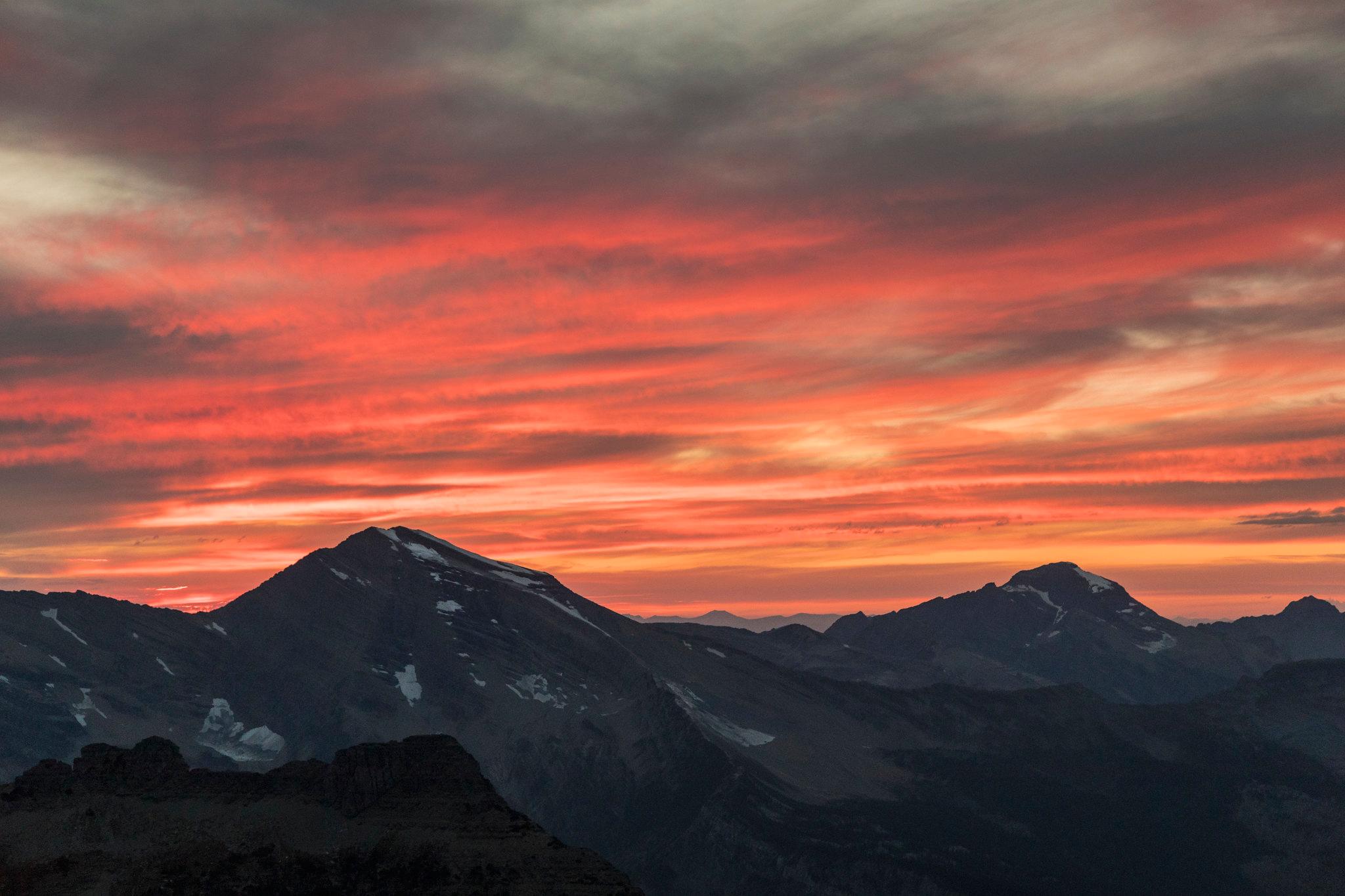
- Glacier offers two fall color windows: cottonwood/aspen mid-September, western larch mid-October.
- Larch trees turn gold mainly on the west side and south boundary — Bowman Lake, Kintla Lake, and Highway 2 are the standout spots.
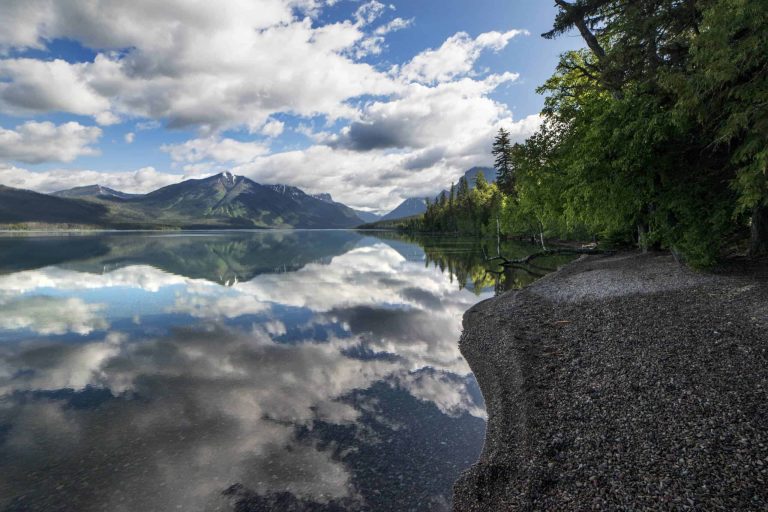
- Best reflection spots: Swiftcurrent Lake, Two Medicine Lake, Lake McDonald at sunrise for mirror-still water.
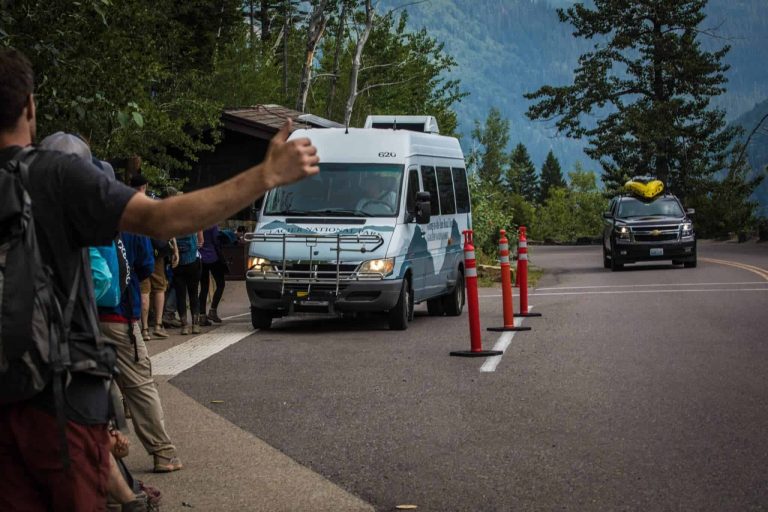
- Logan Pass parking fills by 8:30 AM in peak season — arrive before sunrise or take the free shuttle.
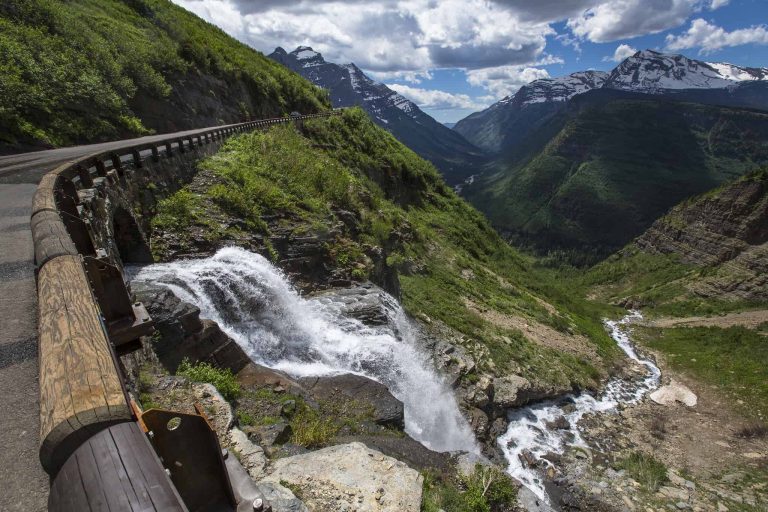
- The Going-to-the-Sun Road alpine section closes third weekend of October, per NPS.gov — plan around this hard deadline.
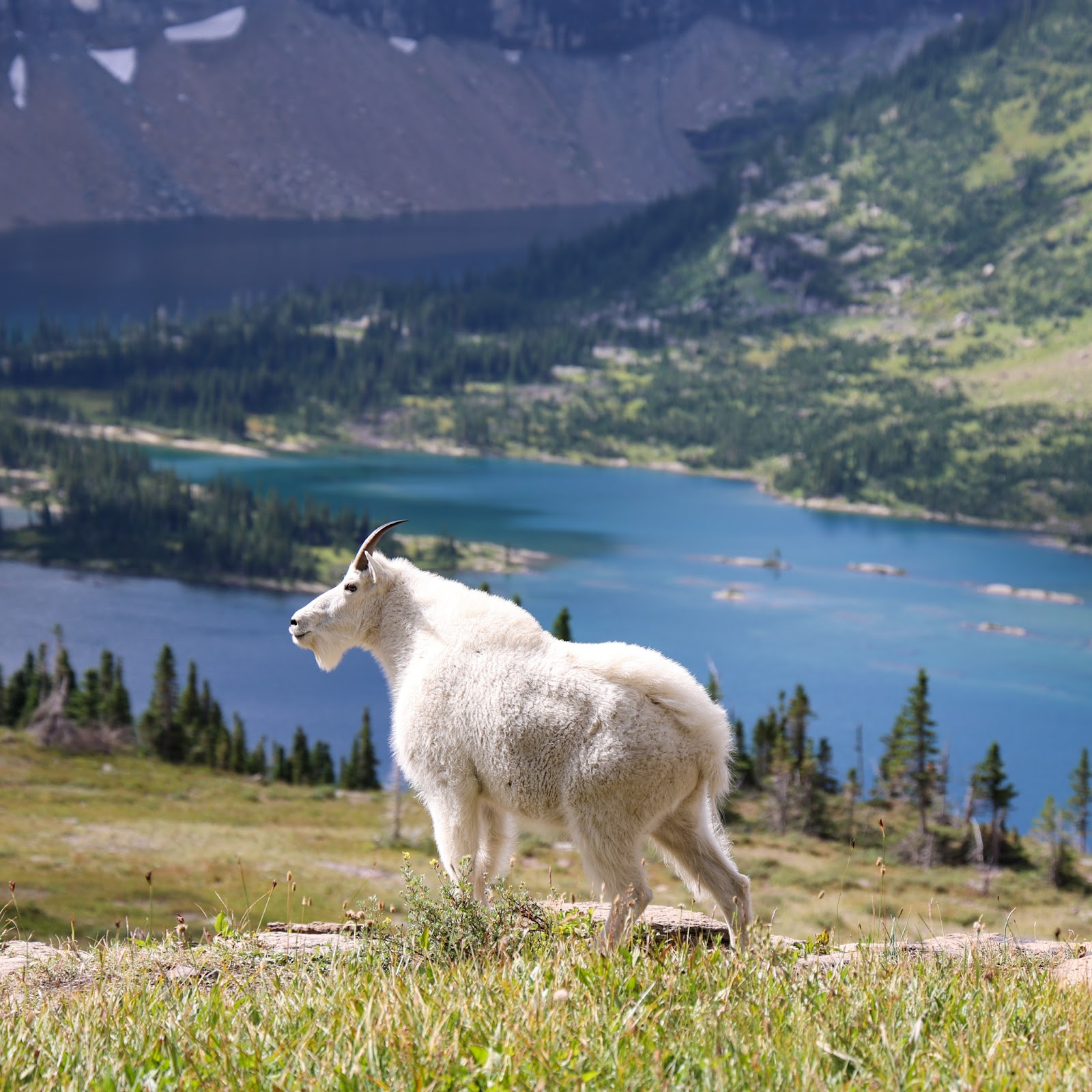
- Fall is prime wildlife photography season: bears are hyperphagia-feeding, mountain goats are approachable at Logan Pass, and hawks migrate overhead.
- Most in-park lodges close by late September — book accommodations in Whitefish or West Glacier for an October trip.
When Do Fall Colors Peak in Glacier National Park?
Glacier’s autumn unfolds in two waves, separated by roughly four weeks. Understanding both windows is essential for photographers who want to time their visit correctly.

| Color Season | Peak Timing | Species | Best Locations |
|---|---|---|---|
| First Autumn | Mid to Late September | Cottonwood, aspen, berry shrubs | Lake shores, river corridors, east side valleys |
| Second Autumn | Mid to Late October | Western larch (tamarack) | West side slopes, North Fork, south boundary (Hwy 2) |
The west side of the park sees color first — mid-September cottonwoods along the North Fork of the Flathead River glow gold against dark conifers. On the east side, the valleys around Many Glacier and Two Medicine shift around late September. Then in mid-October, the larch trees ignite: these rare deciduous conifers needle-drop after turning a saturated, electric yellow-gold that contrasts brilliantly with the dark green firs and snow-dusted peaks above. Per the Glacier National Park Conservancy, the sky also turns a “vivid electric blue” as fire season clears the air — creating ideal photography conditions.
Where Are the Best Larch Trees in Glacier National Park?
Western larch is concentrated on the west side and south boundary of the park. These are not scattered individual trees — in peak color, entire mountain slopes turn gold, visible from miles away. Here are the top spots:
Some links below are affiliate links.
North Fork: Bowman Lake and Kintla Lake
The remote northwestern corner of the park holds the most dramatic larch displays. Bowman Lake sits at the end of a 32-mile unpaved road from the GTSR and is surrounded by larch-covered slopes that reflect perfectly in the lake’s calm surface. Kintla Lake, 15 miles north of Bowman, offers similar scenery with even fewer visitors. Aim for mid-October and arrive early morning for still water. Both lakes require a high-clearance vehicle on North Fork Road.

Highway 2 South Boundary
The southern boundary of Glacier, accessible from U.S. Highway 2, offers some of the most accessible larch viewing in the park. Trails from this corridor — including Loneman Lookout (14.6 miles roundtrip, 3,600 ft elevation gain), Scalplock Mountain Lookout (8.8 miles roundtrip), and segments of the South Boundary Trail — put you directly into the larch zone. The Sperry Trailhead near Lake McDonald Lodge is another excellent launching point, reaching larch-heavy terrain within 3 to 4 miles of hiking.

Two Medicine Valley
Less crowded than the GTSR corridor, the Two Medicine Valley in the park’s southeast corner offers golden aspen in the lower valley and larch on the upper slopes. The view of Sinopah Mountain reflected in Two Medicine Lake is one of Glacier’s most underrated compositions — particularly at sunrise with no wind.
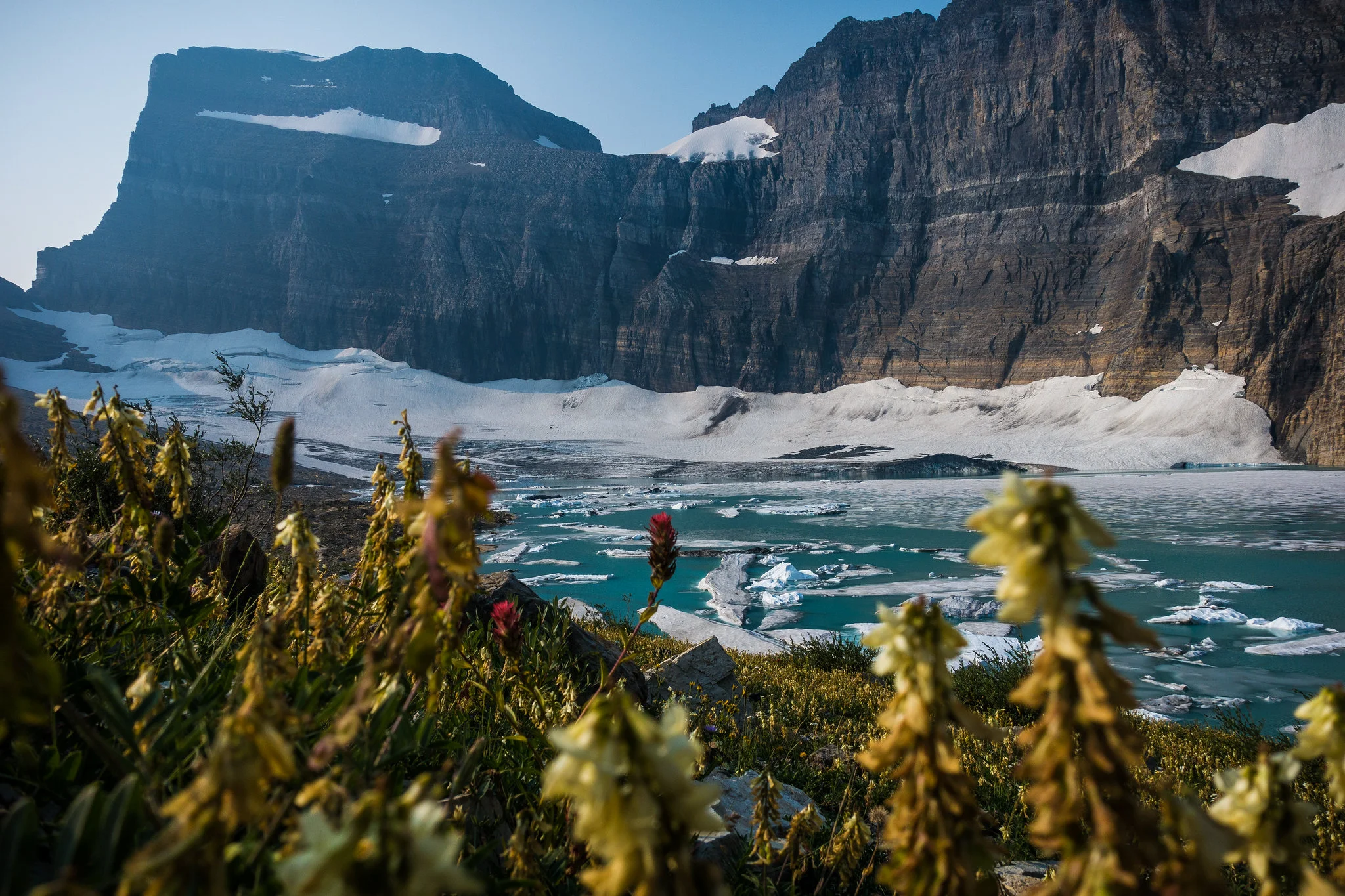
Top Lake Reflection Spots for Fall Photography
Still water and mountain color create Glacier’s most iconic fall images. These four lakes consistently deliver the clearest reflections:
Swiftcurrent Lake (Many Glacier)
The Many Glacier Valley is arguably the best single destination for fall reflection photography. Swiftcurrent Lake sits at the base of towering peaks, and on windless mornings the surface becomes a perfect mirror. The wooden dock at Many Glacier Hotel provides foreground interest. East-side color peaks late September through early October. Arrive at or before dawn — by 9 AM the wind typically picks up and destroys the reflection.

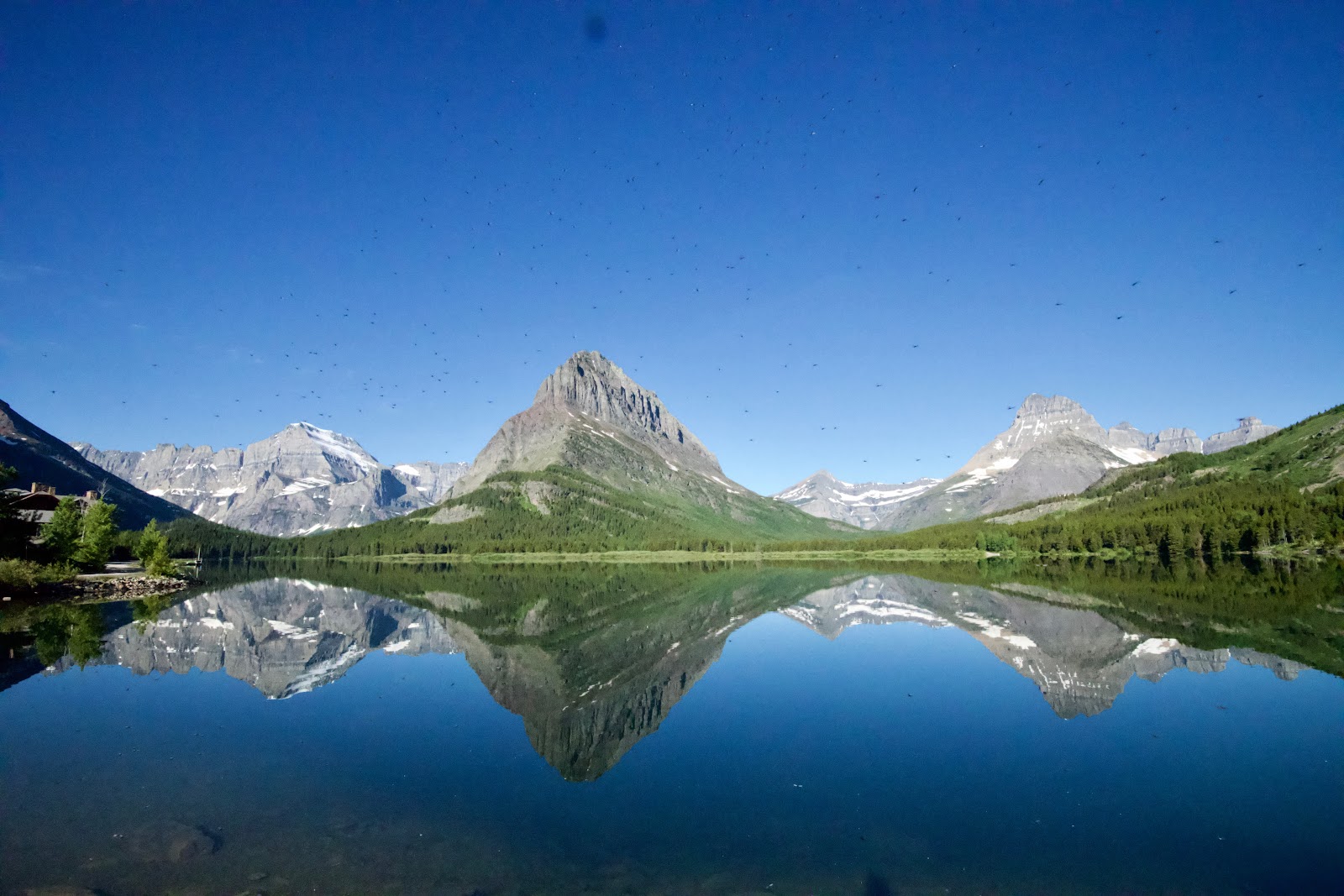
Lake McDonald at Sunrise
At 10 miles long, Lake McDonald is Glacier’s largest lake. The western shore near Apgar Village offers the widest reflection compositions with mountains in the background. Sunrise at Lake McDonald is especially productive — per National Park Photographer, “sunrise at Lake McDonald provides the best chance for still water and beautiful lighting.” The famous rainbow-colored pebbles in the shallows add a unique compositional element: wade ankle-deep for a low-angle shot with pebbles in the foreground and mountains reflected behind.
St. Mary Lake
On the east side of the Continental Divide, St. Mary Lake stretches 10 miles between dramatic cliffs. The Sun Point Nature Trail (1.4 miles roundtrip) along the north shore delivers elevated views over the lake and surrounding golden hillsides. The east side hillsides show solid gold color by late September, per the TerraGalleria Photography Guide. Overcast mornings work well here for even, shadow-free light.
Two Medicine Lake
Paradise Point, a 0.4-mile walk from the Two Medicine trailhead, puts you on a small peninsula with 270-degree views of the lake and the reflection of Sinopah Mountain. This is one of Glacier’s least-crowded reflection spots and is accessible until the road closes for winter, typically in late October.
Photography Tips: Light, Composition & Gear
Shoot at Golden Hour — Both Ends
Fall in Glacier means dramatically shorter days. Sunrise at Logan Pass in early October is around 7:15 AM; sunset around 6:45 PM. The first 45 minutes after sunrise deliver warm raking light across the mountain faces. Evening light hits the peaks of Many Glacier from the west, illuminating them with orange and red. For the GTSR corridor, drive west-to-east to access roadside pullouts on your right side, making it easier to stop for sunrise shots without crossing traffic.
Logan Pass: Arrive Before Sunrise
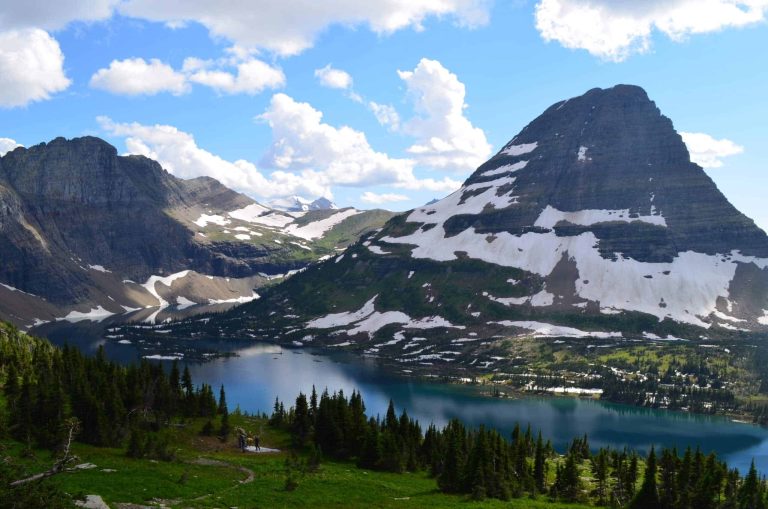
Logan Pass at 6,646 feet offers sweeping alpine views — but the parking lot fills between 8:30 AM and 4:00 PM during fall season, per the National Park Photographer’s guide. For fall photography, arrive no later than 6:45 AM or use the free park shuttle from the St. Mary Visitor Center. The Hidden Lake Overlook trail (1.5 miles roundtrip) puts you above the visitor center for unobstructed sky compositions with golden meadows in the foreground.
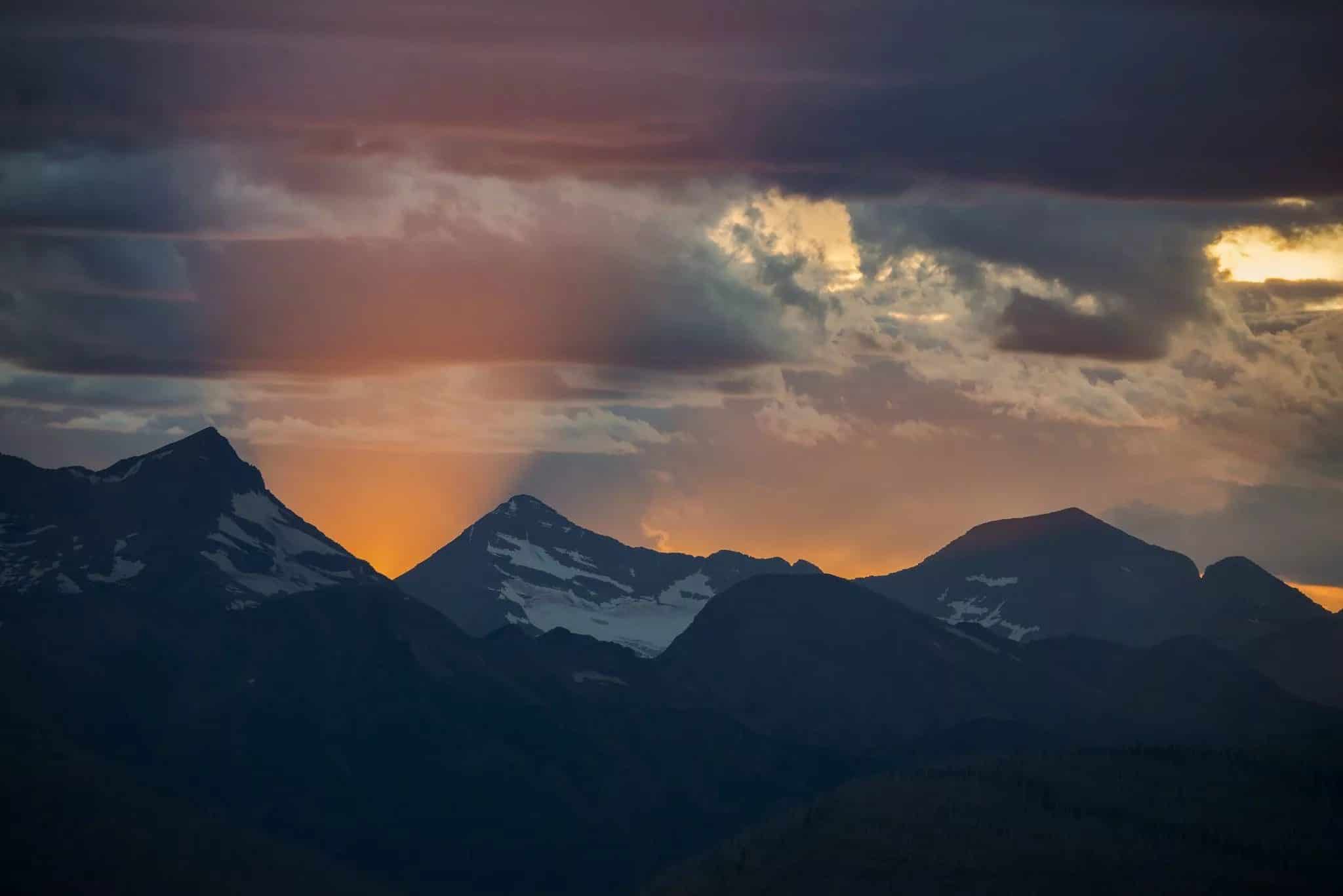
Use a Polarizing Filter for Larch Shots
A circular polarizing filter is essential for larch photography. It deepens the blue sky, reduces glare on lake surfaces, and intensifies the saturation of the golden needles against dark green conifers. Rotate the filter until the water surface goes from fully reflective to clear — or find the balance where reflections are partially retained for compositional depth.
Shoot RAW for Maximum Color Latitude
Fall color photography rewards RAW capture. Larch yellows, deep blue skies, and white-capped peaks often push the camera’s dynamic range to its limits. RAW files contain four times more color information than JPEG, per The Hole Picture Safaris, giving you the latitude to recover blown highlights in bright snowfields or open up shadow detail in dark forest floors during editing.
Fall Wildlife Photography in Glacier
Fall is Glacier’s most active wildlife season. Animals are visible and predictable — which is exactly what photographers need.
Grizzly and Black Bears
By September and October, bears are in hyperphagia — eating up to 20,000 calories daily to build fat reserves before hibernation. Huckleberry patches on open slopes above Many Glacier and along the Highline Trail are prime sighting locations. Morning light on these open hillsides is ideal for photography. Keep the legally required 100-yard distance and use a telephoto lens of at least 300mm. Per NPS.gov, carry bear spray and hike in groups of three or more.
Mountain Goats at Logan Pass
Mountain goats at Logan Pass are remarkably tolerant of photographers — but NPS regulations require at least 25 yards of distance. In fall, goats graze the open meadows around the visitor center and the Hidden Lake trail. A 200 to 400mm focal length captures compelling portraits with mountain backdrops. Low-angle shots with the mountain skyline behind the animal create powerful compositions.
Hawk and Eagle Migration
Glacier sits under a major raptor migration corridor. From late September through October, hawks and golden eagles funnel through the mountain passes heading south. The Chief Mountain area on the eastern boundary is a documented migration hotspot, with photographers setting up on ridge lookouts to capture raptors soaring against golden hillsides. Broad-winged hawks, Cooper’s hawks, and golden eagles are all possible subjects on clear, northwest-wind days.
How to Plan Your Fall Photography Trip
Road and Access Conditions
The alpine section of the Going-to-the-Sun Road closes the third weekend of October, per NPS.gov — this is a fixed deadline regardless of weather, and an active park alert confirms this seasonal closure. Plan any GTSR photography for late September or the first two weeks of October. The lower sections (West Glacier to Avalanche Creek, and St. Mary to Sun Point) typically remain open longer into the season.
The North Fork Road to Bowman Lake and Kintla Lake requires a high-clearance vehicle and can be muddy or snowy in October. Check road conditions on NPS.gov before your drive.
Entrance Fees (2026)
Per NPS.gov, current 2026 entrance fees for Glacier National Park:
| Pass Type | Fee | Duration |
|---|---|---|
| Private Vehicle | $35 | 7 days |
| Motorcycle | $30 | 7 days |
| Individual (walk-in/bike) | $20 | 7 days |
| America the Beautiful Annual Pass | $80 | All national parks, 1 year |
Where to Stay
Most in-park lodges close by mid-to-late September. For October photography trips, base yourself in gateway communities: Whitefish (30 miles west) has the most hotel options; West Glacier sits at the park’s west entrance; St. Mary on the east side is closest to Many Glacier and Two Medicine. East Glacier Park town also remains open through October and is well-positioned for the south boundary larch zones. Book early — fall photography popularity has grown significantly since 2022.

FAQ: Fall Photography in Glacier National Park
When do larch trees peak in Glacier National Park?
What are the best spots for fall reflection photography in Glacier?
Is the Going-to-the-Sun Road open during fall color season?
Do I need a permit to photograph in Glacier National Park?
Where are the best larch tree locations in Glacier National Park?
How We Researched This Guide
- NPS.gov (nps.gov/glac) — Official fees, alerts, visitor information, and road closure dates
- Glacier National Park Conservancy (glacier.org) — Fall color timing, wildlife activity, and seasonal guidance
- hikinginglacier.com — Trail-specific larch viewing locations and fall hiking guidance
- TerraGalleria Photography Blog (terragalleria.com) — Professional photography guide for fall foliage locations
- National Park Photographer (nationalparkphotographer.com) — Logan Pass parking, timing, and wildlife photography guidance
- nationalparkreservations.com — Two-autumn color season breakdown and timing data
- glaciertourbase.com — Month-by-month visitor guidance and gateway town recommendations
- The Hole Picture Safaris (theholepicturesafaris.com) — Camera settings and RAW photography guidance
Exact peak color dates vary year to year based on temperature and precipitation. The timing ranges provided reflect typical conditions — check real-time reports at glacier.org in September and October for the most current foliage status. Road closure dates are approximate; confirm with NPS.gov before your trip.
Ready to plan your fall photography trip to Glacier? Explore our full Glacier National Park guide for trail maps, campground details, and the…