Glacier National Park in January: Complete Winter Guide
January is the quietest month in Glacier National Park. Entrance fees drop to $25 per vehicle, crowds vanish entirely, and the snowbound landscape rewards visitors with some of the most spectacular scenery in the American West. The tradeoff is real — most roads close, no lodges operate inside the park, and temperatures average a bone-chilling 10–23°F — but for those who come prepared, January delivers a version of Glacier that almost no one else ever sees.
This guide covers exactly what is open, what activities are possible, and how to plan a safe, rewarding January visit to Glacier National Park.
- Entrance fee drops to $25/vehicle November through April (vs. $35 peak), per NPS.gov.
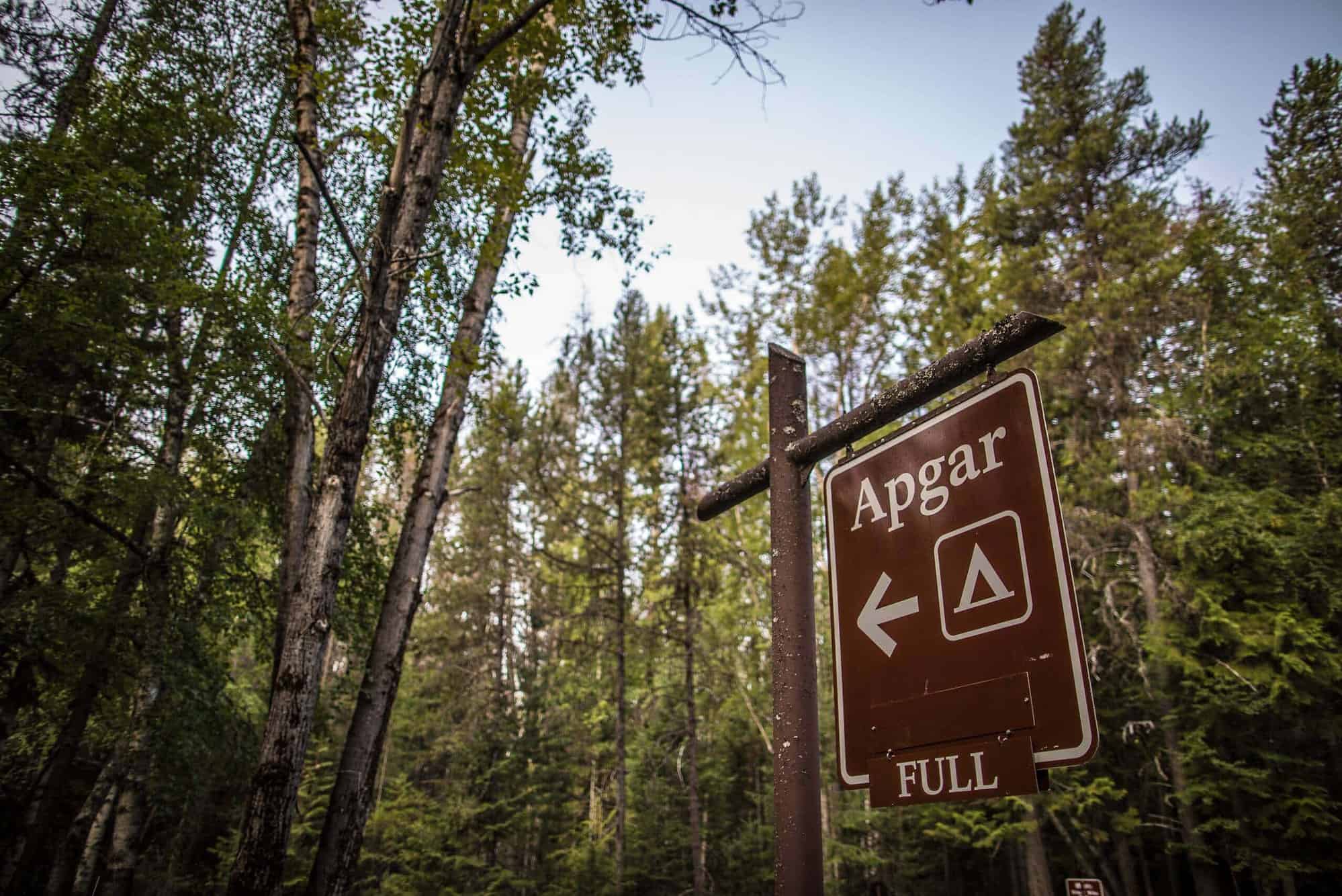
- Going-to-the-Sun Road is open approximately 11 miles on the west side (Apgar to Lake McDonald Lodge); the alpine section is closed.
- Free ranger-led snowshoe walks depart Apgar Visitor Center every Saturday and Sunday at 10:30 a.m. and 2:00 p.m.
- Average January highs are 23°F (-5°C); lows average 10°F (-12°C) — pack for colder extremes.
- No lodging is open inside the park; base in Whitefish (~25 miles away) or Kalispell (~35 miles).
- Wildlife is excellent: elk, bighorn sheep, moose, and white-tailed deer descend to lower elevations in January.
- January’s 15+ hours of nightly darkness make it prime aurora and dark-sky viewing — Glacier is a certified Dark Sky Park.
- Avalanche awareness and proper backcountry gear are required for any off-trail or steep terrain travel.
What’s Open in January
January access to Glacier is significantly more limited than summer, but the park is open year-round. Understanding exactly what’s accessible is essential for planning.
Roads
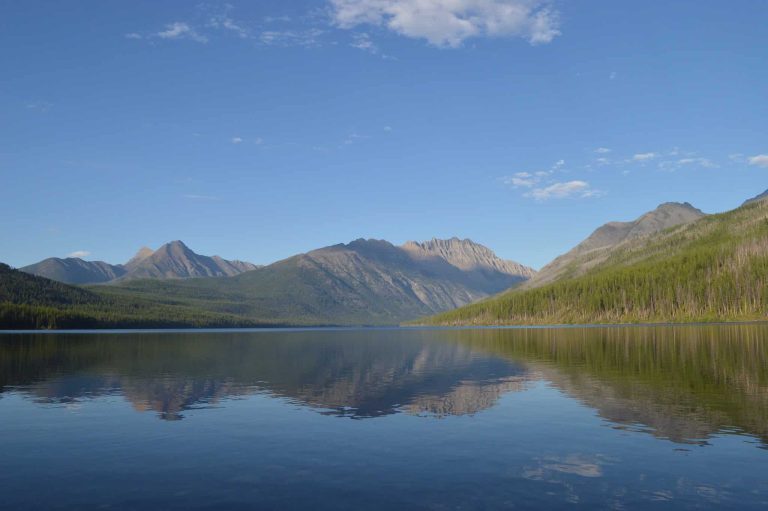
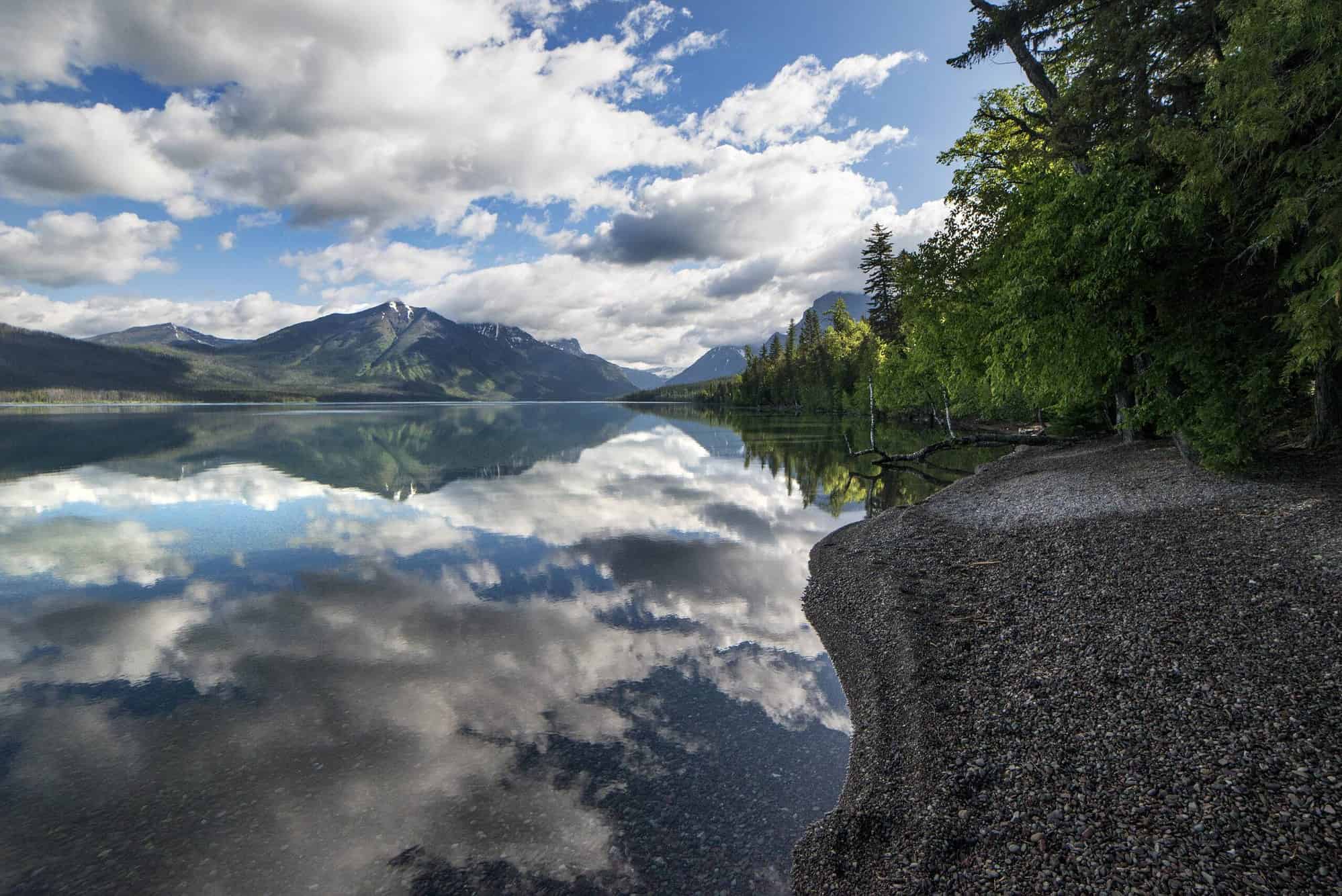
The west entrance remains open, and vehicles can drive approximately 11 miles along Going-to-the-Sun Road from Apgar to Lake McDonald Lodge, per NPS.gov. This stretch includes stunning views of Lake McDonald and access to several winter trailheads.
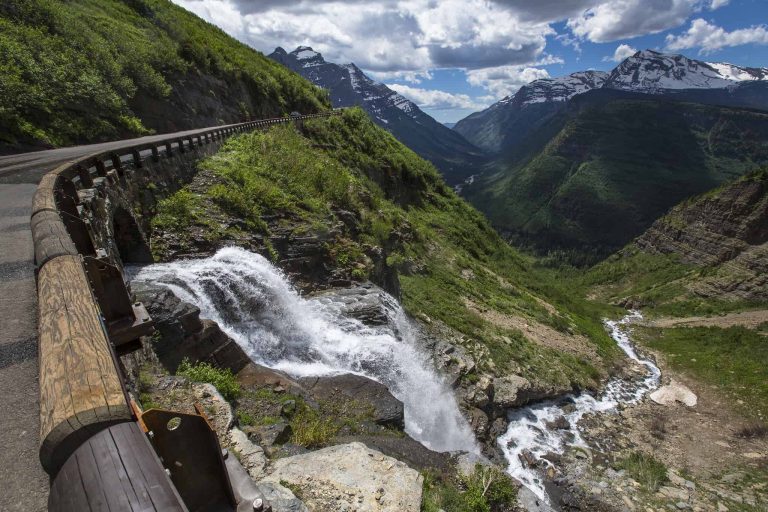
The alpine section of Going-to-the-Sun Road — from Avalanche Creek to Jackson Glacier Overlook — closes each October and remains closed through early summer. A Going-to-the-Sun Road Seasonal Closure alert is active from NPS for January 2026. On the east side, only about 1.5 miles from the St. Mary entrance are accessible to vehicles. All other park roads (North Fork, Many Glacier, Two Medicine) are gated closed.
Some links below are affiliate links.

Visitor Services
The Apgar Visitor Center opens on Saturdays and Sundays only during winter. Restrooms at Apgar are available year-round. The St. Mary Visitor Center and Logan Pass Visitor Center are both closed for the season. The park’s main phone line — (406) 888-7800 — remains active for questions, per NPS.gov.
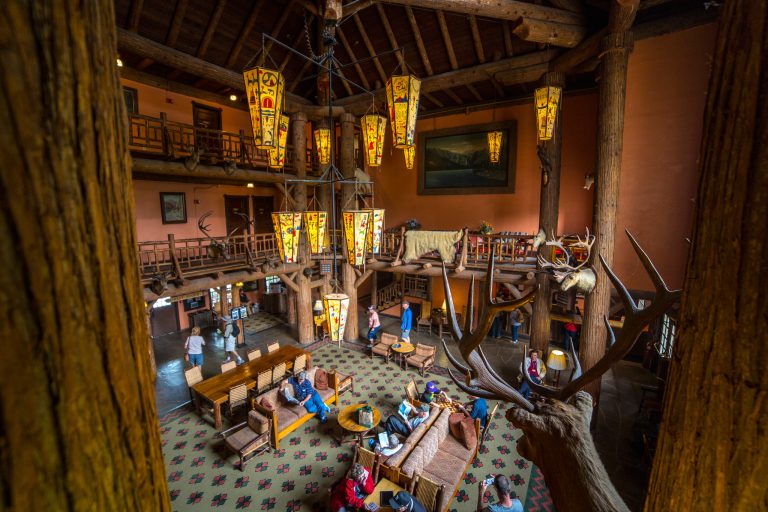
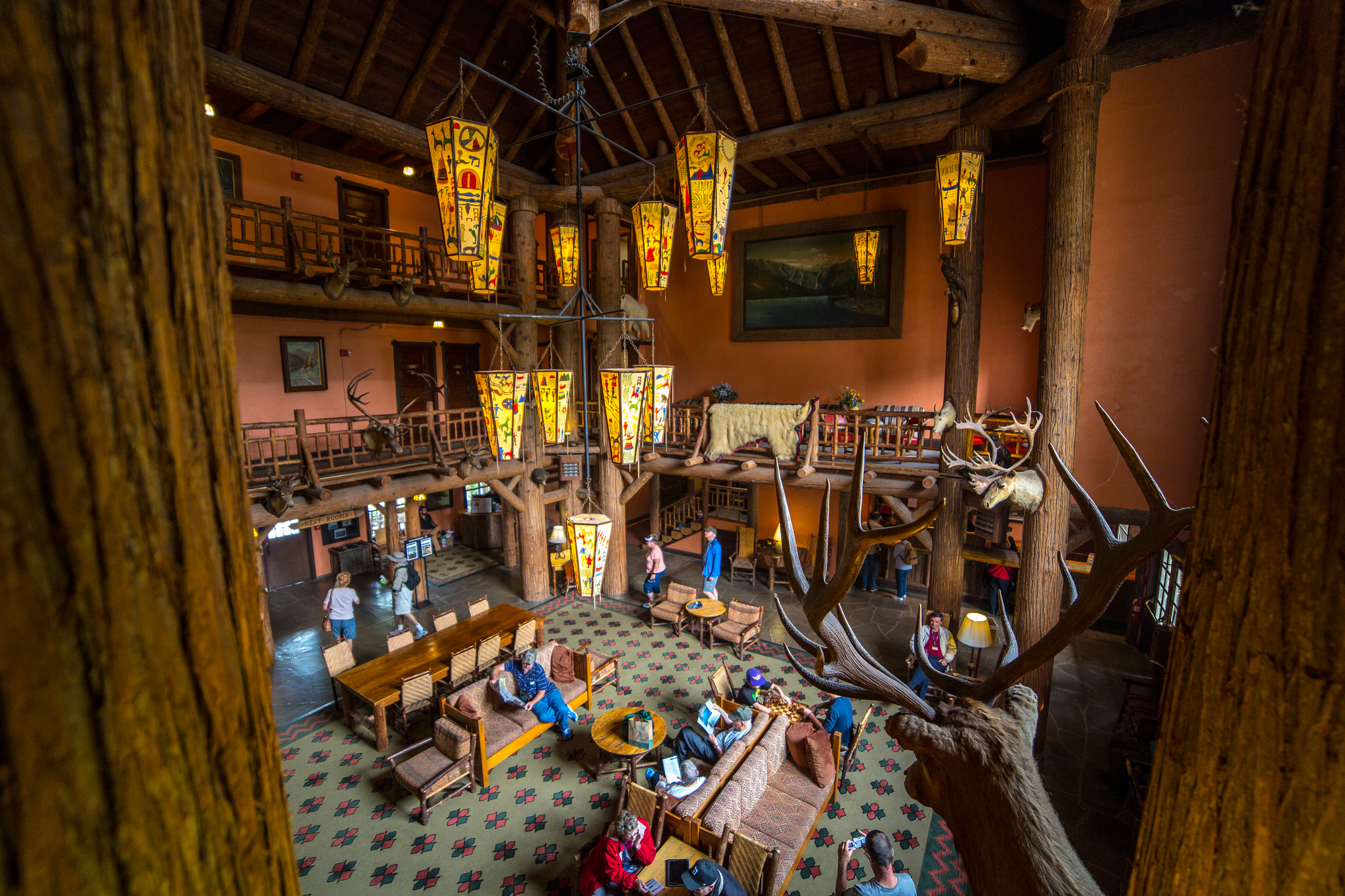
No park lodges operate in January. The historic Lake McDonald Lodge grounds are accessible for a walk, but the lodge itself is closed. Primitive camping at Apgar Campground Loop B is available first-come, first-served (vault toilets only, no running water).

January Weather at Glacier
Glacier in January is genuinely cold — and conditions vary dramatically by elevation. Lower-elevation areas near West Glacier are measurably warmer than the alpine zone, which can see near-arctic conditions even when valley floors are manageable.
| Metric | January Average (West Glacier) |
|---|---|
| Average High | 23°F (-5°C) |
| Average Low | 10°F (-12°C) |
| Extreme Cold | Down to -40°F in severe events |
| Chinook Days (warm) | Up to 50°F during wind events |
| Precipitation Days | ~32% of days see rain or snow |
| Daily Sunshine | ~5.4 hours (22% of daylight) |
| Daylight Hours | ~8.8 hours |
| Average Wind Speed | 12.3 mph |
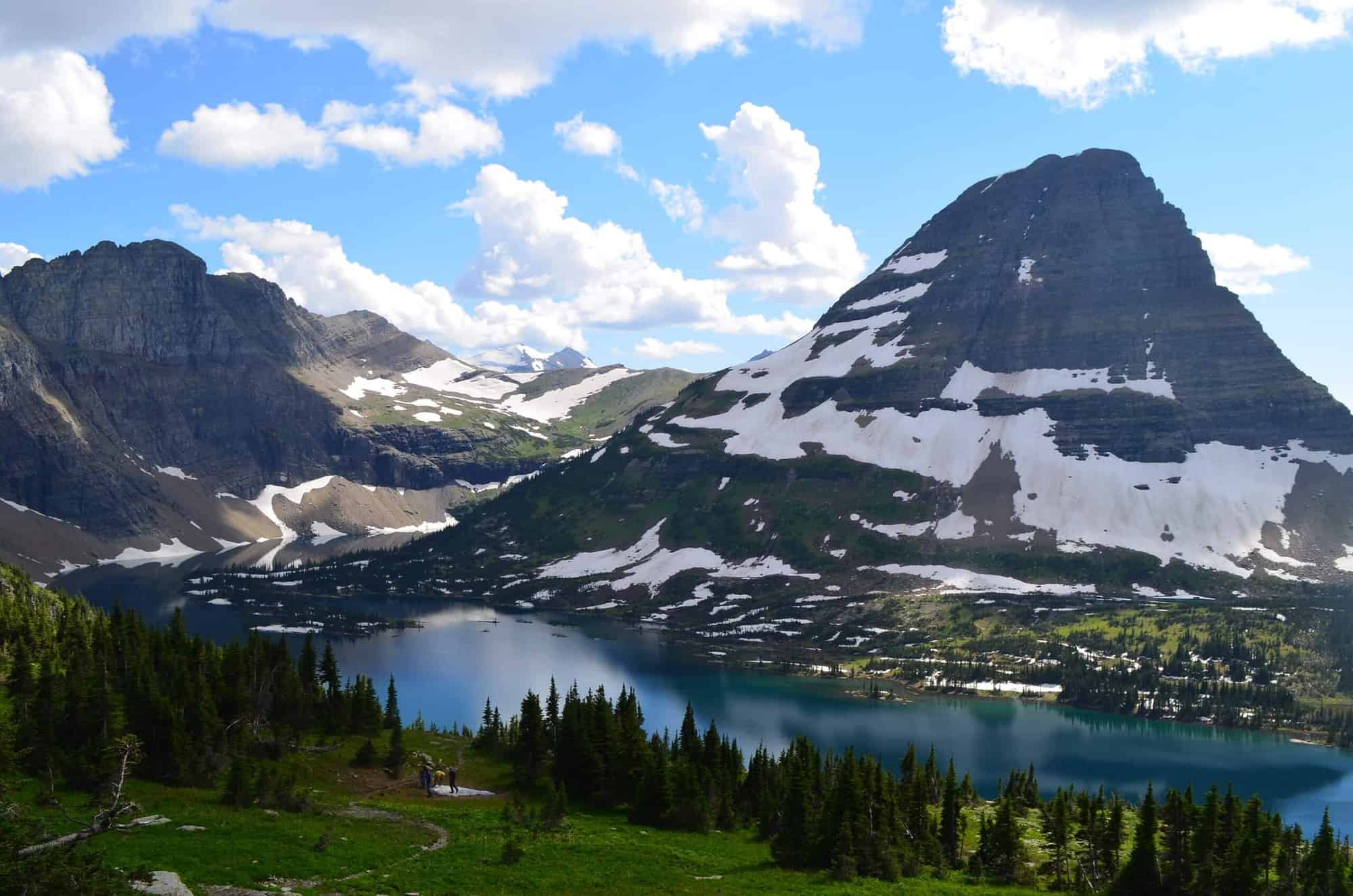
Snowpack at higher elevations is substantial — the Many Glacier area averages roughly 300 inches of annual snowfall, with peak snowpack around 90 inches, per NPS.gov. Chinook wind events can bring dramatic brief warmups that make mid-January skiing surprisingly pleasant, then temperatures can drop 40 degrees overnight.

Activities: What to Do in January
January’s activity menu is focused but rewarding. The primary draws are snowshoeing, cross-country skiing, wildlife viewing, and dark-sky observation — all available in a landscape most people never visit.
Ranger-Led Snowshoe Walks (Free)
The NPS offers free guided snowshoe walks every Saturday and Sunday from early January through late March, per NPS.gov. Walks depart Apgar Visitor Center at 10:30 a.m. and 2:00 p.m. and explore the McDonald Creek area with wildlife sign interpretation. Snowshoe rentals are available at Apgar for $2 per pair for guided tour participants. This is one of the best deals in the national park system — expert-led wilderness experience with gear for under $5.

Cross-Country Skiing and Snowshoeing
Glacier has excellent self-guided routes accessible in January. For detailed trail information, see the Glacier cross-country skiing guide and snowshoeing guide. Key January-accessible routes include:
| Trail | Distance | Difficulty | Access Point |
|---|---|---|---|
| Lower McDonald Creek | 2–3 miles | Easy | Apgar |
| Sacred Dancing Cascade | 5.3 miles | Easy | Lake McDonald area |
| Rocky Point | 6 miles | Moderate | Apgar |
| McDonald Falls (GTSR) | 4 miles | Easy | Lake McDonald Lodge area |
| McGee Meadow Loop | 11.5 miles | Moderate–Strenuous | Apgar |
| Covey Meadow Loop (Polebridge) | 3 miles | Easy | North Fork |
The unplowed section of Going-to-the-Sun Road beyond Lake McDonald Lodge functions as a natural ski corridor — flat, marked by the road grade, and accessed from the Lake McDonald Lodge parking area.
Dark Sky and Aurora Viewing
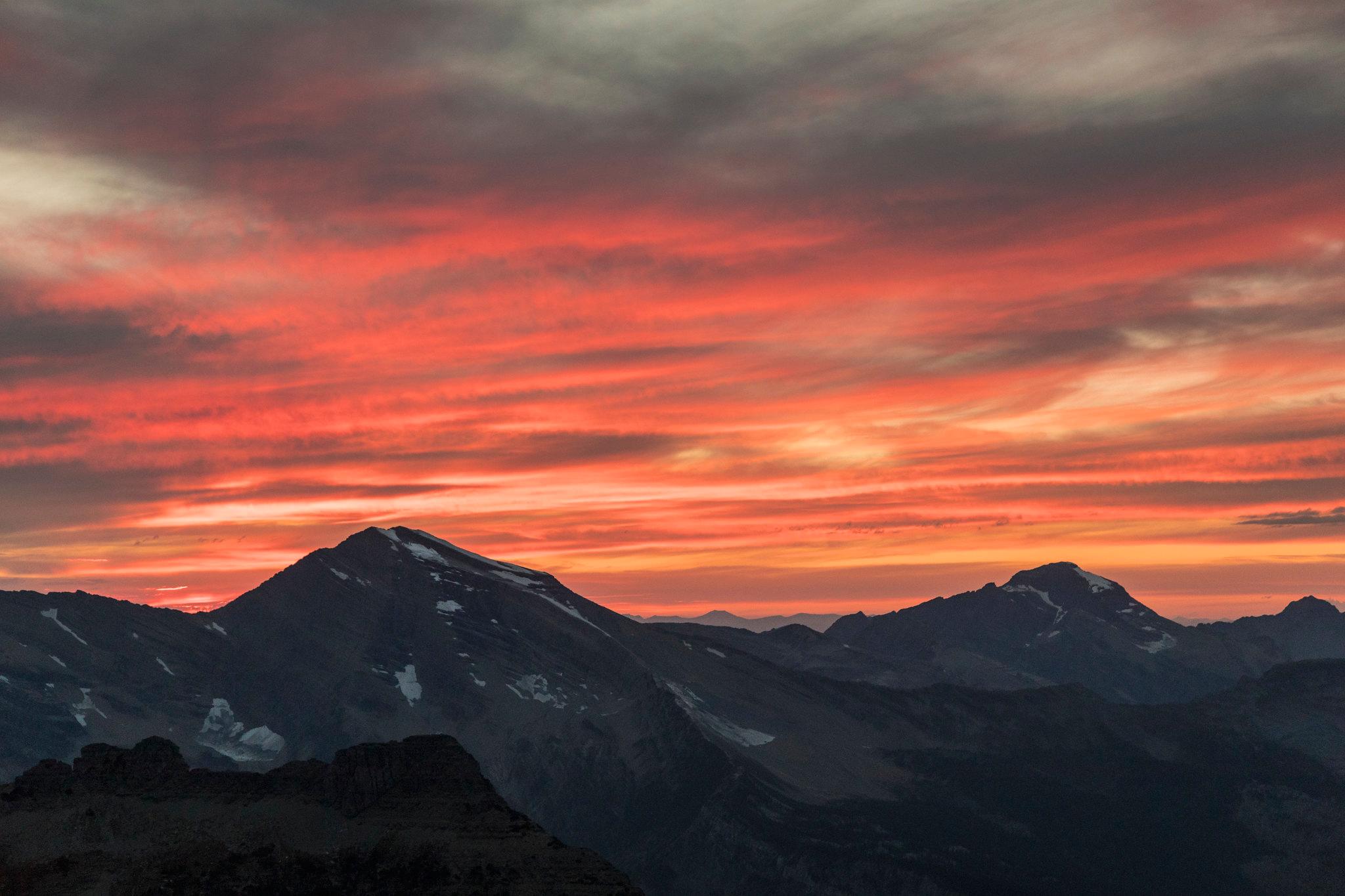
January’s 15+ hours of nightly darkness make it Glacier’s best aurora-viewing window. The park is a certified International Dark Sky Park. Lake McDonald’s frozen shoreline provides a spectacular foreground for aurora photography. Check NOAA’s space weather forecasts for Kp index alerts ahead of your trip.
Ice Fishing
Ice fishing is permitted year-round inside Glacier, and no fishing license is required within park boundaries, per NPS.gov. NPS discourages travel on frozen lakes due to variable ice thickness — verify conditions locally before venturing out.
Nearby: Whitefish Mountain Resort
Whitefish Mountain Resort (Big Mountain) — about 25 miles from the West Glacier entrance — is fully operational in January with 3,000 acres of terrain. Combining a park snowshoe day with a resort ski day is a popular January itinerary for visitors to the region.
Wildlife Viewing in January
January is one of the best months for large mammal viewing in Glacier. Deep snow pushes elk, bighorn sheep, moose, and deer from the high alpine zone down into accessible valley meadows. For year-round wildlife location maps, see the Glacier wildlife guide.
| Species | Best January Locations | Notes |
|---|---|---|
| White-Tailed Deer | Apgar area, lake shores | Most commonly sighted species; active at dusk and dawn |
| Elk | Two Dog Flats (St. Mary), Two Medicine valley | Large herds move into open meadows in winter |
| Bighorn Sheep | Many Glacier area slopes, Two Medicine | Descend from alpine cliffs when snowpack deepens |
| Moose | Many Glacier, Two Medicine, Belly River area | Browse willows and stream corridors |
| Mountain Goats | Rocky cliff faces near closed alpine roads | Active year-round on crags; not road-accessible in winter |
| Wolves | North Fork corridor | Present but elusive; best chance at dawn or dusk |
| Ravens | Throughout, especially Lake McDonald | Year-round residents; active all day |
| Waterfowl | Open water near Lake McDonald inlet | Ducks and mergansers on unfrozen sections |

Entrance Fees and Permits
January falls within Glacier’s winter fee period (November 1 – April 30), when entrance fees are reduced from peak-season rates, per NPS.gov.
| Pass Type | January (Winter) Rate | Peak Season Rate |
|---|---|---|
| Vehicle (up to 7 days) | $25 | $35 |
| Motorcycle (up to 7 days) | $20 | $30 |
| Per Person (foot or bike) | $15 | $20 |
| Children under 16 | Free | Free |
| America the Beautiful Annual | $80 | $80 |
| Senior Pass (age 62+) | $20 lifetime | $20 lifetime |
The park does not accept cash — credit and debit cards only at entrance stations. No vehicle reservations or shuttle permits are required in January; those programs are summer-only.
Backcountry Overnight Permits
Overnight backcountry camping requires an advance permit from November 1 through April 30 — no walk-up permits are issued during winter. Reserve at least 7 days ahead by emailing glac_backcountry_permits@nps.gov or calling (406) 888-7800, option 5. Maximum group size is 12 people, with a 2-night limit per location.
Where to Stay Near Glacier in January
No lodges or hotels operate inside the park in January. For a complete breakdown of options across all price points, see the Glacier lodging guide. The two primary base towns are Whitefish and Kalispell.
Whitefish (~25 miles from West Glacier)
Whitefish is the ideal January base. It’s close to the park, directly adjacent to Whitefish Mountain Resort, and has a year-round downtown with restaurants and lodging at every price point. The Lodge at Whitefish Lake offers upscale lakefront rooms; Hampton Inn and Suites provides reliable mid-range comfort; various boutique properties offer winter ski packages bundled with resort lift tickets.
Kalispell (~35 miles from West Glacier)
Montana’s largest regional city has more budget-friendly chain hotels and is home to Glacier Park International Airport (FCA), which has direct winter flights from Seattle, Salt Lake City, and Denver. Best Western Plus Kalispell and Glacier International Lodge are well-reviewed options.
Izaak Walton Inn (Essex, ~60 miles east via US-2)
The historic Izaak Walton Inn near Marias Pass is a winter standout — a 1939 railroad inn with groomed cross-country ski trails from the property, accessible by Amtrak’s Empire Builder train. Its proximity to the south park boundary makes it an unusual option for skiers who want trail-to-door access with no car needed.
January Packing List for Glacier
Cold-weather preparedness at Glacier in January is not optional — conditions can become dangerous within minutes. This list applies to day hikes, ranger snowshoe tours, and self-guided skiing.
| Category | Items |
|---|---|
| Insulation | Wool or synthetic base layers (top and bottom), insulated mid-layer, heavyweight down or synthetic parka |
| Extremities | Insulated waterproof gloves plus liners, wool balaclava or face mask, warm hat, wool socks (2+ pairs) |
| Footwear | Waterproof insulated boots rated to -20°F; traction devices (Yaktrax or microspikes) |
| Navigation and Safety | Paper topo map and compass, headlamp with fresh batteries, bear spray, emergency whistle, space blanket |
| Avalanche Gear (backcountry only) | Beacon, probe poles, avalanche shovel — carried by every member of the group, not just the leader |
| Nutrition and Hydration | Insulated water bottle (prevents freezing), high-calorie snacks (energy bars, nuts, jerky) |
| Other | UV-protective sunglasses or goggles (snow glare), hand warmers, fully charged phone, car emergency kit |

Frequently Asked Questions
Is Glacier National Park worth visiting in January?
Is Going-to-the-Sun Road open in January?
What animals can you see in Glacier in January?
Do you need a reservation to visit Glacier in January?
Where should I stay when visiting Glacier in January?
How We Researched This Guide
- NPS.gov/glac — Official park pages for winter access, fees, road status, guided activities, and backcountry permits
- Flathead Avalanche Center — Current avalanche forecasts and safety protocols for the Glacier region
- Visit Western Montana’s Glacier Country — Regional tourism and lodging data
- Glacier National Park Conservancy — Wildlife and seasonal activity context
- NPS Live Data API — Verified entrance fees, active alerts, and operating hours for March 2026
Road conditions and visitor center hours can change without notice due to weather or operational decisions. Always check the NPS road status line (text GNPROADS to 333111) and nps.gov/glac before your visit. Entrance fee structures are subject to annual change; verify current rates at nps.gov/glac/planyourvisit/fees.htm.
Planning a longer winter trip? Our complete Glacier winter guide covers activities, gear, and itineraries for all four winter months.