Best Hikes Glacier National Park – Top Trails 2026
Glacier National Park draws nearly 3 million visitors each year, and its 700+ miles of trails offer some of the best hikes in the Northern Rockies. Park data shows 2,893,996 annual visitors as of 2026 and many trail choices. According to NPS.gov, Glacier has over 700 miles of maintained trails and strict wildlife rules.
We researched six day hikes that cover easy lakeside walks, family-friendly loops, and strenuous alpine routes. The guide includes trail cards, an interactive trailhead map, permit notes, season windows, packing kits, and crowding data based on NPD visitor statistics.
Per NPS guidance, hikers must follow bear-safety rules and backcountry permit procedures. Based on the data, our selection rubric uses time, fitness, and crowding to match hikers to the right route.
At-a-Glance Park Facts
- Snapshot
- Park data shows 2,893,996 annual visitors to Glacier National Park in 2026, and NPSpecies records list 1,507 documented species.
- Park area
- 1,013,322 acres
- Trails
- 700+ miles of maintained trails (per NPS.gov)
- Documented species
- 1,507 species (NPSpecies)
- Campgrounds
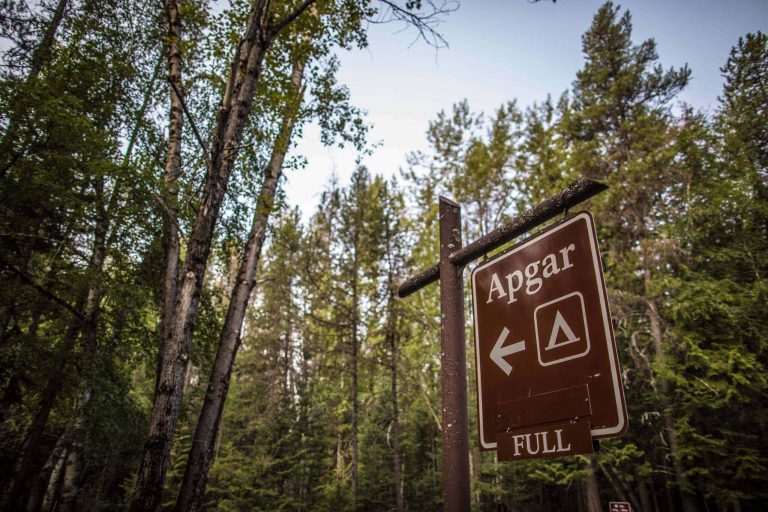
- 13 campgrounds (Apgar 194 sites)
- Best months
- July, August, September (peak access and services)
- Entrance fee
- $35 per private vehicle (7-day pass) as of 2026
- Non-resident surcharge
- $100 non-resident fee for visitors aged 16+ at Glacier as of 2026
Highline Trail
15.0 miles (one-way to The Loop via Logan Pass)
1,532 ft (one-way to The Loop)
Moderate to Strenuous
8-10 hours (one-way to The Loop)
July – September
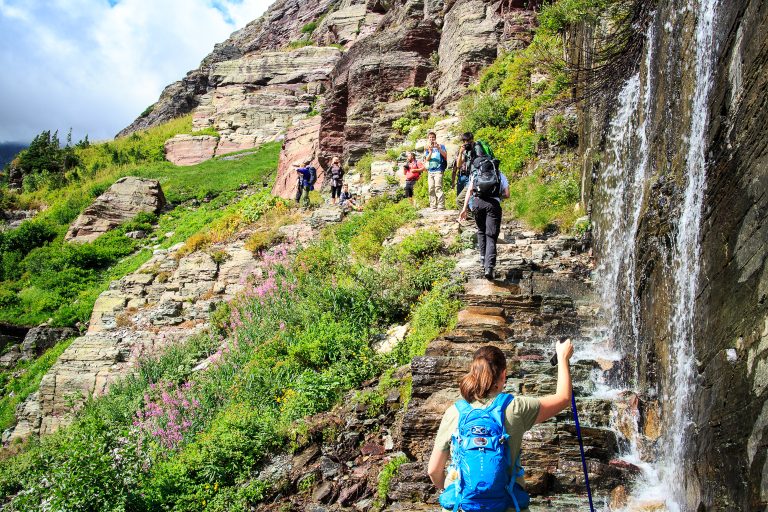
The Highline Trail draws hikers for its ridgeline views and alpine meadows, and the 15.0-mile option to The Loop gains 1,532 feet one-way.
Per NPS.gov, the Logan Pass trailhead starts at 6,646 feet and offers the classic Highline corridor. Park data shows Logan Pass experiences heavy mid-summer parking pressure, which affects morning access.
Compared to Grinnell Glacier Trail, Highline gives sustained exposure, long skyline vistas, and the Garden Wall section with steep drops. Visitors frequently mention midday crowds near the switchbacks, so start early or late to avoid peak turnover.
Trail logistics: the 7.6-mile one-way option to Granite Park Chalet reduces time for those with shuttle options. Based on NPD parking records, expect the tightest parking windows between 10am and 2pm in July. Per NPS guidance, hikers planning the full Highline should consider shuttle tickets when available due to Logan Pass parking limits effective July 1, 2026.
Reference: NPS trail pages and visitor alerts for Highline access.
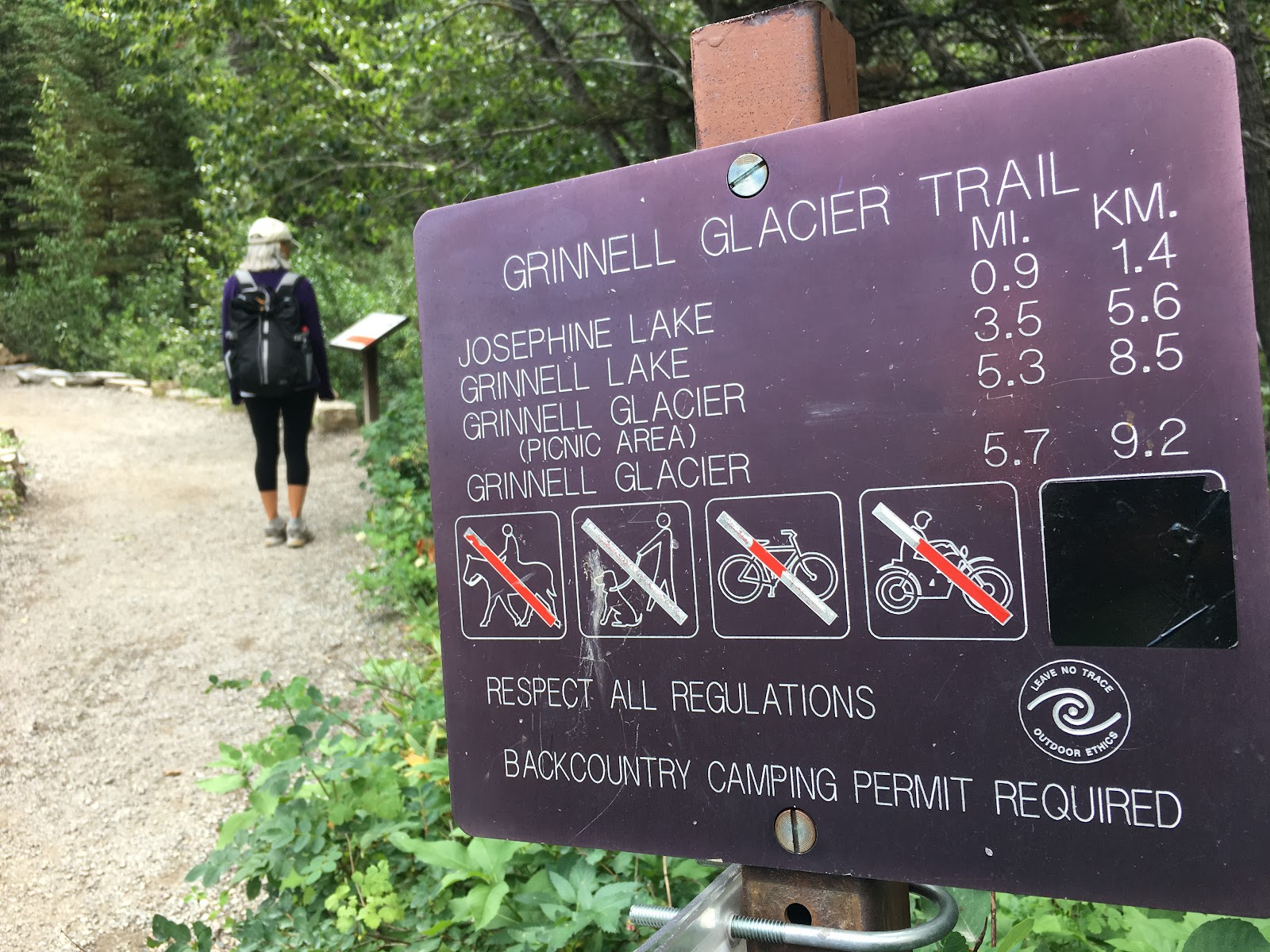
Grinnell Glacier Trail
10.6 miles round trip (full hike) or 7.2 miles with boat shuttle
1,600 ft
Strenuous
5-7 hours (full hike)
Late June – September
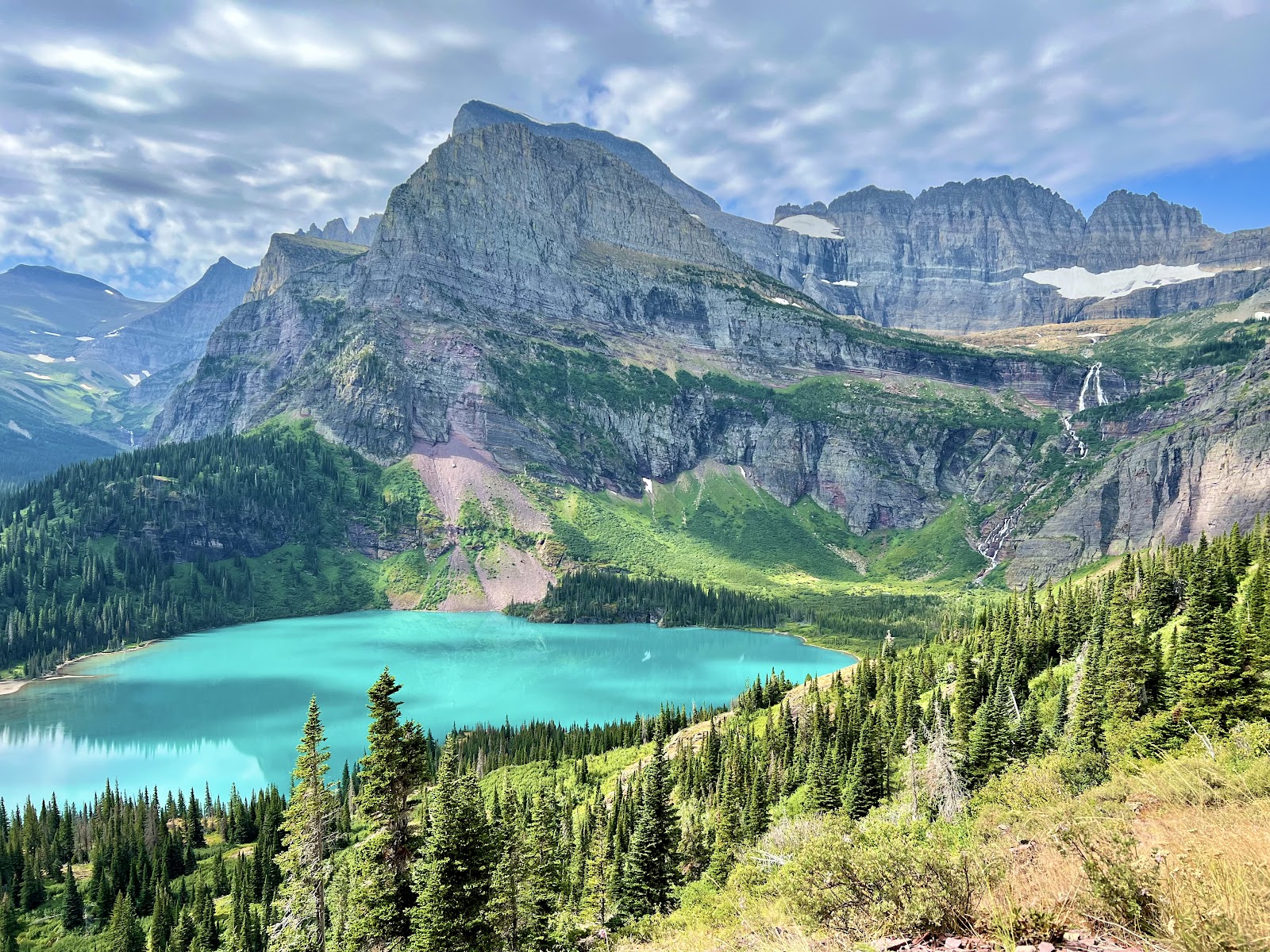
The Grinnell Glacier Trail offers dramatic glacial overlooks and a 10.6-mile round trip with 1,600 feet of gain.
Per NPS.gov, hikers can shorten the route to 7.2 miles round trip by taking the Glacier Park Boat Company shuttle across Swiftcurrent and Josephine lakes. Shuttle rides reduce hiking time by roughly 1.5 to 2.5 hours, based on shuttle schedules and average hiking paces.
Visitors praise the turquoise moraine pools and the upper cirque views. However, the trail sees heavy foot traffic in July and August. Review themes suggest that starting before 8am cuts delays at the Many Glacier trailhead.
Tradeoffs: take the shuttle to save time and elevation effort, but expect boat schedules to dictate returns. Based on NPS trail specs and NPD time data, the shuttle option suits hikers who want the view with a shorter day. Check the boat schedule on Recreation.gov and NPS.gov before planning.
Reference: NPS trail descriptions and boat shuttle pages.
Iceberg Lake Trail
9.3 – 10.0 miles round trip
1,200 – 1,450 ft (varies by source)
Moderate
4-6 hours
Many Glacier area, behind Swiftcurrent Motor Inn
June – September
Iceberg Lake Trail is roughly a 9.3 to 10.0-mile round trip and gains between 1,200 and 1,450 feet, per NPS trail statistics.
Per NPS.gov, the trail climbs into a classic glacial cirque and ends at Iceberg Lake, which often holds floating ice into mid-summer. NPD photo timestamps show the most frequent iceberg sightings in June and early July.
Photographers and hikers value the steep cirque walls and the lake’s scattered bergs. Visitors commonly recommend an early start for calm water and softer light before midday winds pick up.
Water availability is limited on the final approach, so filter or carry potable water. Based on weather.gov climate normals, expect cooler temperatures at higher elevation; bring an insulating layer for late-morning winds.
Reference: NPS trail page and seasonal notes.
Avalanche Lake Trail
4.8 – 6.0 miles round trip
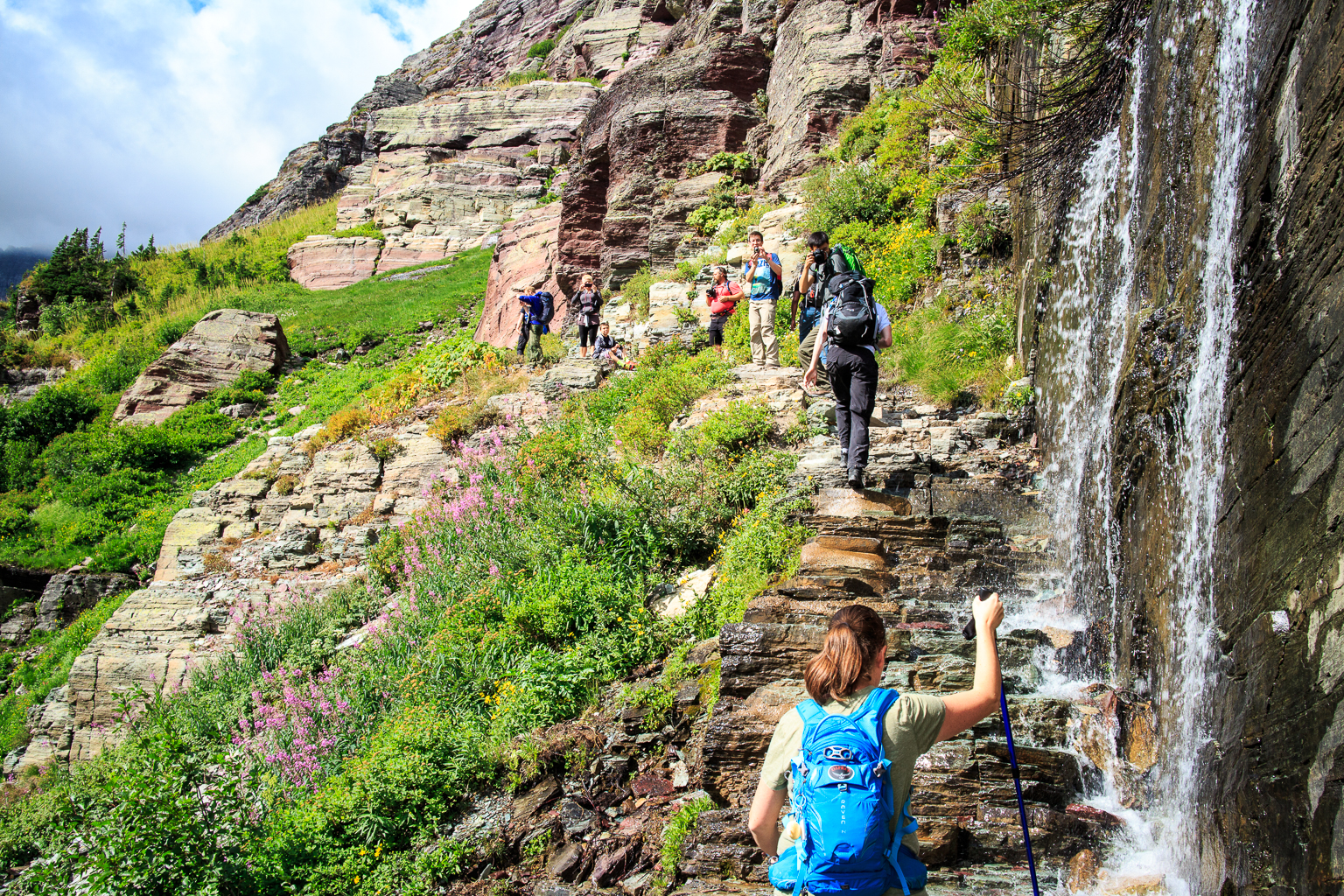
575 – 757 ft
Easy to Moderate
2-4 hours
Trail of the Cedars / Avalanche Creek trailhead
June – September
Avalanche Lake Trail is a popular family-friendly hike of roughly 4.8 to 6.0 miles round trip, gaining between 575 and 757 feet.
Per NPS.gov, the route begins on the wheelchair-accessible Trail of the Cedars boardwalk before branching uphill to Avalanche Lake. The trail passes avalanche chutes and interpretive signs that explain the local geomorphology.
Park interpretive pages note the area–s avalanche history and why the lake forms in a glacial basin. Based on NPD pacing data, plan 2 to 3 hours for a relaxed family pace and 3 to 4 hours with photo stops.
Practical turnaround: families should reach the lake, rest, and return before afternoon storms are likely. Per NPS guidance, carry bear spray and store food properly, since bear activity occurs in the forested approaches.
Reference: NPS trail pages and interpretive resources.
Hidden Lake Overlook
2.6 – 2.8 miles round trip to the overlook
529 – 600 ft
Easy to Moderate
1.5 – 2 hours
Logan Pass Visitor Center
Mid-June – Early September
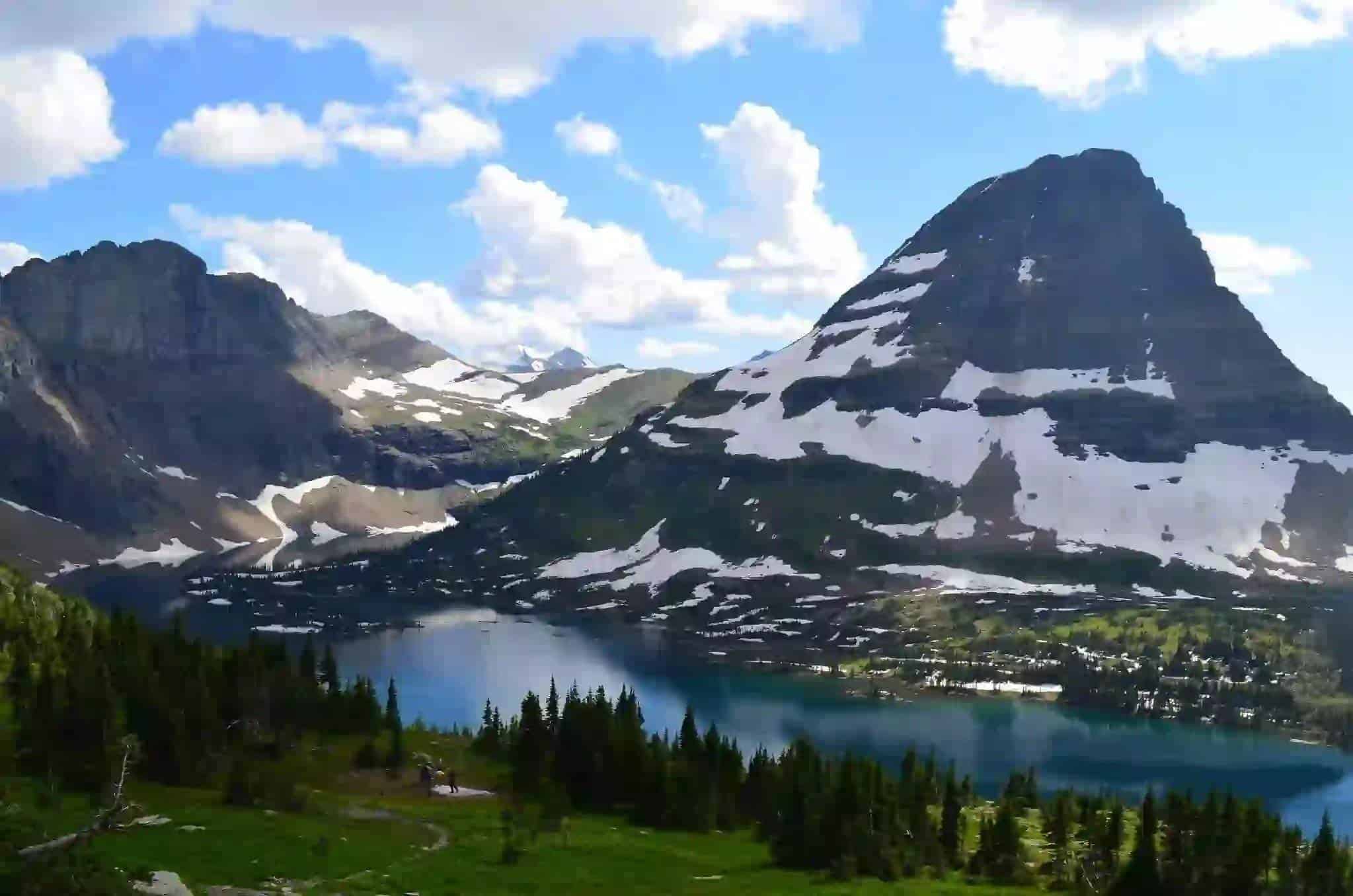
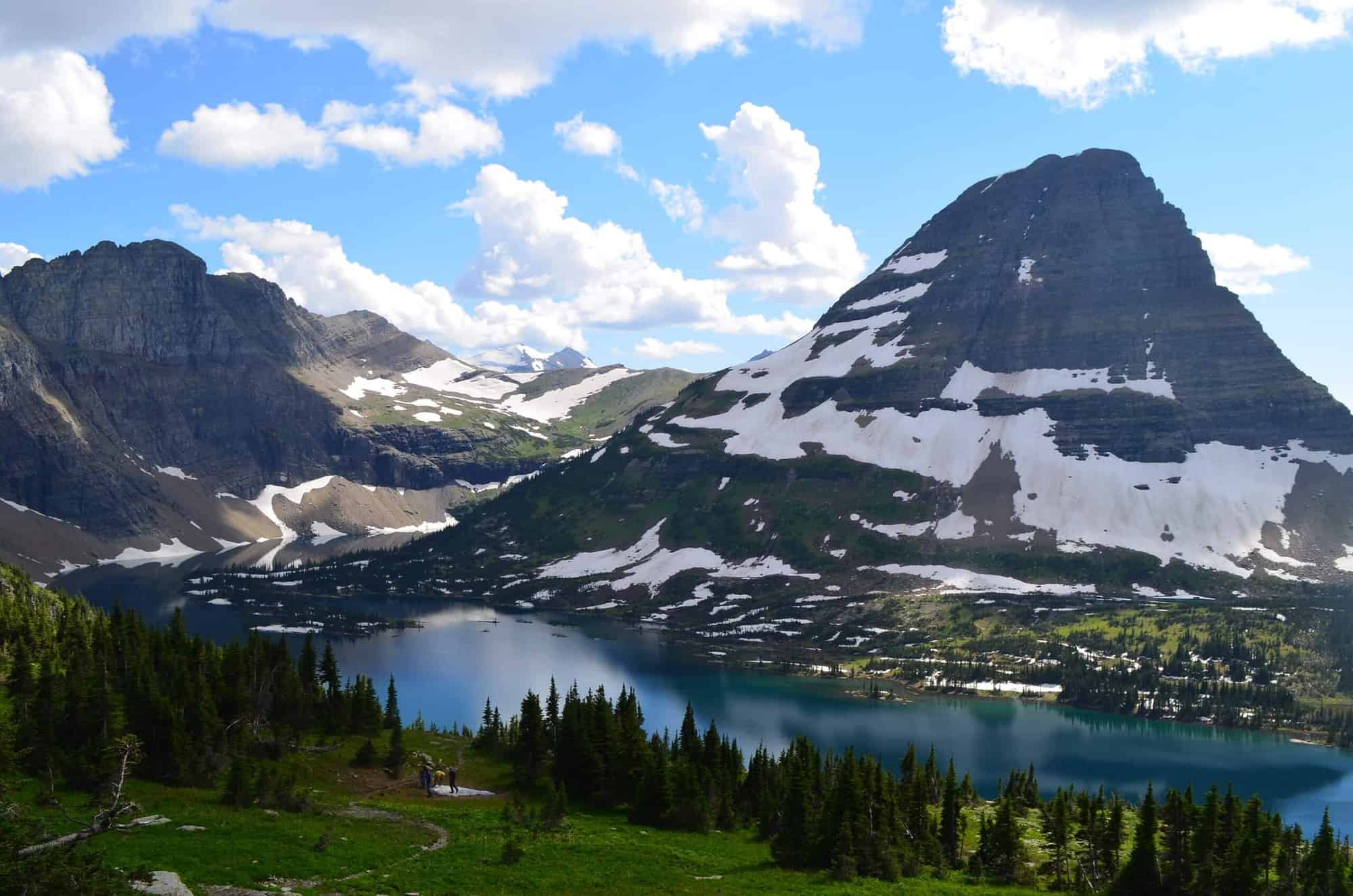
Hidden Lake Overlook is a 2.6 to 2.8-mile round-trip hike with roughly 529 to 600 feet of gain, starting behind the Logan Pass Visitor Center.
Per NPS.gov, the trail is accessible once the Going-to-the-Sun Road reaches Logan Pass. Park data shows Logan Pass parking fills quickly in July and August, and a 3-hour parking limit took effect July 1, 2026 to improve turnover.
NPSpecies records list mountain goat (Oreamnos americanus) and marmot sightings near the overlook. Visitors frequently report wildflowers in late June and early July, with the peak bloom shifting depending on snowpack.
For wildlife viewing, bring binoculars and stay on the trail. Based on visitor patterns, mid-week mornings see the fewest people. If planning higher-altitude extensions, check NPS alerts for snow on the Garden Wall.
Reference: NPS trail pages and NPSpecies wildlife records.
Ptarmigan Tunnel Trail
10.6 – 11.0 miles round trip
2,300 – 2,420 ft
Hard / Strenuous
5-6 hours (to tunnel and back)
Iceberg-Ptarmigan Trailhead (Many Glacier)
Mid-July – Late September
The Ptarmigan Tunnel Trail is a strenuous 10.6 to 11.0-mile round trip gaining roughly 2,300 to 2,420 feet, with ladder and steep sections near the tunnel.
Per NPS.gov, the tunnel doors are typically open from mid-July through late September. Park alerts warn of seasonal rockfall and snow that can make the tunnel approach hazardous early in the summer.
Hikers should have solid fitness and route-finding skills. Based on NPD seasonal access patterns, skip the tunnel if recent snow or rockfall advisories are active, and check NPS alerts for closures.
Editorial tip: start very early to avoid afternoon weather and to manage river crossings at low flow. Per NPS guidance, bring an insulating layer for high-elevation winds and plan for 5 to 6 hours including breaks.
Reference: NPS tunnel advisories and trail alerts.
Glacier National Park Trailheads Map
The map highlights six featured trailheads, Logan Pass parking constraints, shuttle stops, and relative parking capacity notes. Per NPS.gov, Logan Pass has a three-hour parking limit starting July 1, 2026, and shuttle tickets launch July 1, 2026.
Locations shown on this map:
- Logan Pass Visitor Center
— Primary access for Highline and Hidden Lake. 3-hour parking limit as of July 1, 2026. NPS.gov conditions - Many Glacier Trailhead
— Access for Grinnell Glacier and Iceberg Lake. Boat shuttle links available; check Recreation.gov. - Swiftcurrent Motor Inn Area
— Iceberg Lake and Ptarmigan Tunnel approaches. Parking capacity limited on busy days. - Avalanche Creek Trailhead
— Trail of the Cedars boardwalk start for Avalanche Lake. Wheelchair-accessible section present. - Apgar Transit Center
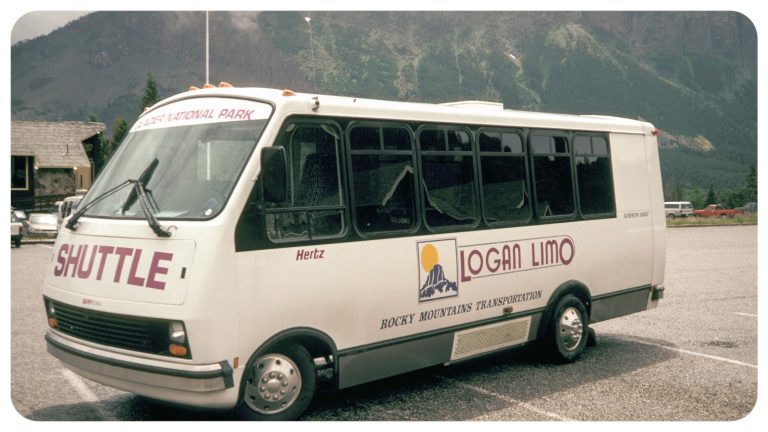
— West-side shuttle origin. Shuttle tickets sold via Recreation.gov with $1 processing fee. - St. Mary Visitor Center
— East-side shuttle origin and many trail access points. Check shuttle schedules before travel.
When to Hike
Best time: As of early 2026, data shows July, August, and September offer the widest trail access and services, while January and February have the lowest crowds. · Avoid: November – April (most roads limited by snow)
Moderate — noticeable crowds, short waits
High — busy, expect parking and trail congestion
Very High — peak season, reservations essential
Closed — area inaccessible or seasonally closed
What to Bring
Quick Answer
- Logan Pass temps range to mid-40s°F in summer; pack layers, water, and bear spray for day hikes in Glacier National Park.
Daypack Essentials
- Bear spray (at least 7.9 oz) and holster
- Water (2-3 liters for 6-8 mile days)
- Snacks and lunch
- Map and compass or offline GPS
- Rain shell and insulating layer
Safety & Navigation
- First aid kit
- Whistle
- Headlamp with spare batteries
- Permit or shuttle confirmation (if required)
- Trail-level itinerary left with someone
Photography & Optics
- Binoculars for wildlife viewing
- Telephoto lens for distant animals
- Camera with extra battery
- Polarizer for lake shots
Optional for Long Days
- Lightweight stove (where allowed)
- Extra 1-2 liters water
- Emergency bivy or blanket
- Gaiters for late-snow patches
Backcountry Camping Permit
All overnight backcountry stays in Glacier National Park
$7.00 per person per night (as listed on Recreation.gov)
Reservations and lotteries via Recreation.gov; early access windows apply
May –1 –1 October (varies by zone)
Limited – high demand for Granite Park and Many Glacier zones
As of early 2026, park data shows many popular zones fill quickly; plan backups. Per NPS.gov and Recreation.gov, apply in lotteries for prime dates and obey food storage rules.
Common Questions
What is the easiest hike in Glacier National Park?
What is the most scenic hike in Glacier National Park?
How long does it take to hike Grinnell Glacier?
Are dogs allowed on trails in Glacier National Park?
Do I need a permit to take the boat shuttle for Grinnell?
How We Researched This Guide
- NPS.gov – official park data, fees, and regulations (NPS.gov)
- NPD enrichment – visitor and parking patterns
- NPSpecies / IRMA – species records (NPSpecies)
- Weather.gov – climate normals and short-term forecasts (weather.gov)
- Recreation.gov – permit and shuttle booking pages
Trail conditions and fees change seasonally. This guide is not a substitute for real-time alerts. Check NPS alerts before travel.
Key Takeaways
Glacier’s six featured day hikes fit distinct priorities: quick scenic views, full-day challenges, or family-friendly lakes. Park visitor data shows July is busiest, so choose trails by time and fitness to avoid crowding.
1) Quick scenic day: Hidden Lake Overlook is 2.6–2.8 miles and suits tight schedules. 2) Full-view challenge: Highline to The Loop gives long ridgeline exposure and a 15.0-mile route. 3) Glacier and ice: Grinnell Glacier offers 10.6 miles or 7.2 miles with a shuttle. 4) Family-friendly: Avalanche Lake is 4.8 to 6.0 miles with interpretive signs.
Bear safety: grizzly bear (Ursus arctos horribilis) and black bear occur in Glacier; carry bear spray and follow NPS food-storage rules. Permits: backcountry camping requires permits via Recreation.gov and non-resident visitors aged 16+ must budget the $100 non-resident surcharge for park entry in 2026.
Book shuttles and backcountry permits early for summer 2026; shuttle ticket windows open May 2 for 60-day advance sales and next-day tickets launch June 30, 2026 per park notices.
Remember the $100 non-resident surcharge for visitors aged 16+ at Glacier in 2026.