Visiting Lake McDonald: Complete Glacier Guide 2026
Visiting Lake McDonald: Complete Glacier Guide 2026 explains Lake McDonald, Glacier National Park‘s largest lake at nearly 10 miles long, and places that matter while park visitation reached 2,893,996 annual visitors per NPS IRMA data as of 2026.
Expect clear water, pebble beaches, and developed services at Apgar Village and Lake McDonald Lodge. Boating, kayaking, fishing, and hiking are the main draws. This guide focuses on planning, permits, seasonal tradeoffs, and safety for 2026.
Per NPS.gov the lake sits on the park’s west side. Park data and NPD crowding models inform the timing and booking advice below.
Lake McDonald at a glance: Lake McDonald runs nearly 10 miles long and Glacier National Park hosted 2,893,996 visitors in the most recent NPS IRMA count as of 2026.
- Location
- West side of Glacier National Park, Montana
- Lake size
- Nearly 10 miles long (lake length)
- Annual visitors
- 2,893,996 (NPS IRMA, 2026)
- Entry fee (7-day vehicle)
- $35 as of 2026 per NPS.gov
- Non-resident surcharge (2026)
- $100/person (ages 16+) extra; $250 non-resident annual pass
- Campgrounds
- 13 total campgrounds in Glacier National Park (park data)
- Best months
- July, January, February (NPD optimal window)
- Hours
- Open 24 hours a day, 365 days per NPS.gov
- Sources
- According to NPS.gov and NPS IRMA visitor data; campground counts per park amenity records.
What Is There to Do?
NPS API lists 41 activities at Glacier National Park, and visitors most often pick boating, kayaking, fishing, and hiking around Lake McDonald and Apgar Village.
Boating and kayaking: Lake McDonald is Glacier’s largest lake and offers long paddle opportunities on nearly 10 miles of water. Boat launches are available at Apgar and several small ramps. Per NPS.gov, motorboats are allowed where posted and boat permits follow park regulations.
Fishing: Anglers target Westslope cutthroat trout (Oncorhynchus clarkii lewisi) and bull trout. Park regulations govern bait and seasons. Per NPSpecies records, 26 fish species occur in park waters.
Hiking and photography: Popular trails near the lake include the Trail of the Cedars and the Sperry Glacier corridor. Trail distances vary; expect everything from short boardwalks to multi-mile alpine hikes. Visitor reviews commonly praise calm sunrise photos and note crowded parking in July. Review themes suggest arriving before 8am for morning light and quieter shorelines.
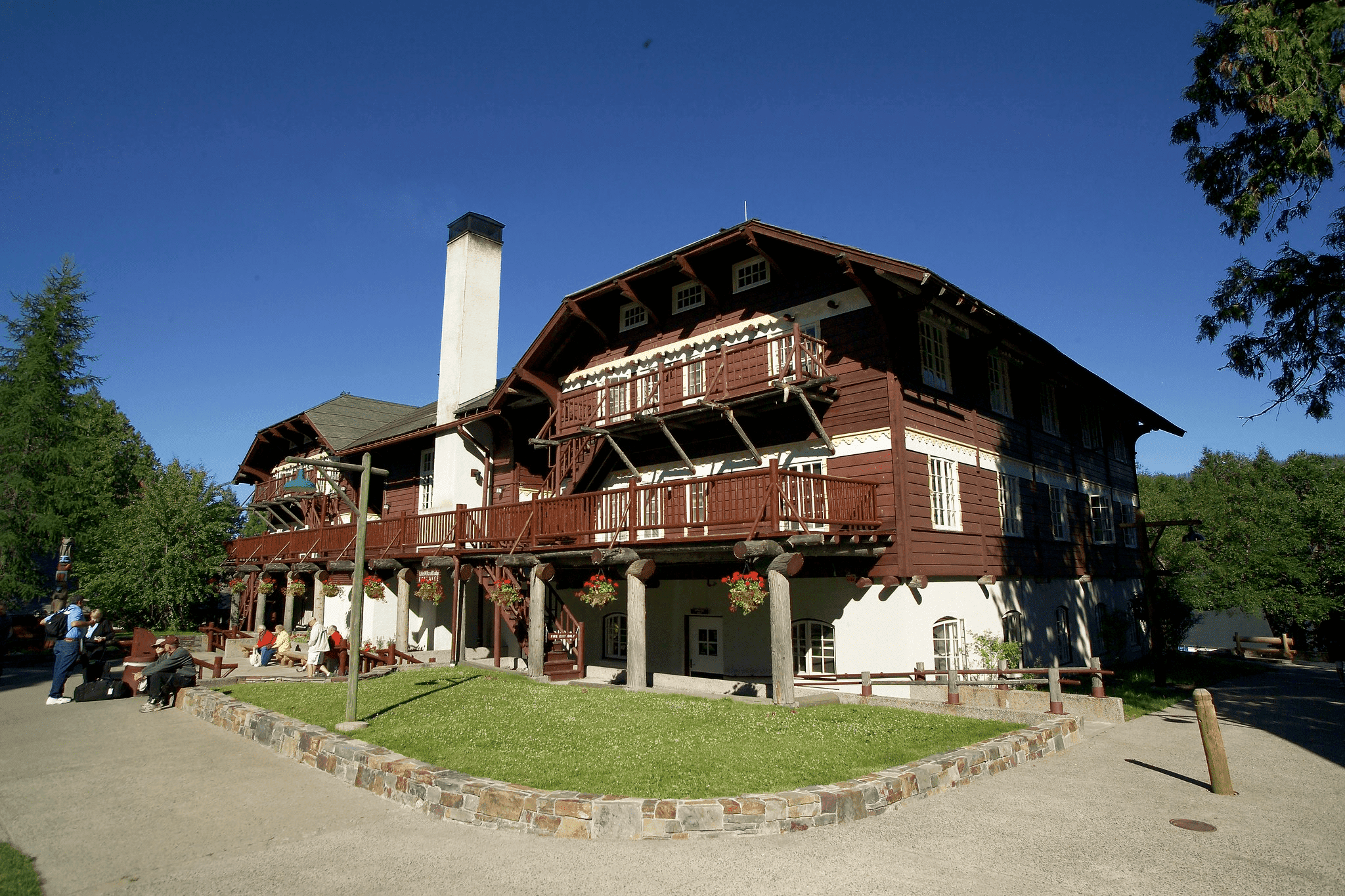
Lodging: Lake McDonald Lodge provides on-site rooms and historic dining services. Per NPS.gov and concessionaire notices, the lodge operates seasonally and accepts reservations through Glacier park concessionaire sites.
Insider tip: For calm water and better photo light, consider paddling at sunrise during late June or early September. Data shows July has peak crowds but comparable weather; pick a shoulder week to trade slightly cooler temps for 30–240% lower parking demand (NPD crowding models).
Lake McDonald Trailheads and Launches
Park data shows at least six formal trailheads and boat launches around Lake McDonald, including Apgar Village and Lake McDonald Lodge; plan for limited parking during July peak weeks.
Locations shown on this map:
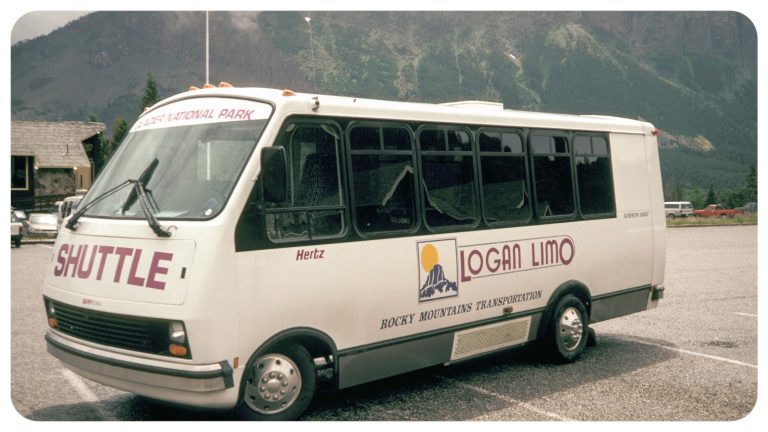
- Apgar Village — Primary visitor services, boat launch access, and shuttle boarding on west side; limited public parking near Apgar Visitor Center per park amenity records.
- Lake McDonald Lodge — Historic lodge with dock access and seasonal services. Concessionaire reservations recommended for summer.
- Trail of the Cedars Trailhead — Short accessible loop adjacent to Lake McDonald; parking fills early in peak season.
- Sperry Glacier Trailhead — Trailhead for Sperry Glacier corridor; backcountry permit required for overnight stays.
- Boat Launch (Apgar) — Public boat launch. Note: some launch sites lack potable water; bring a filter or refill at Apgar services.
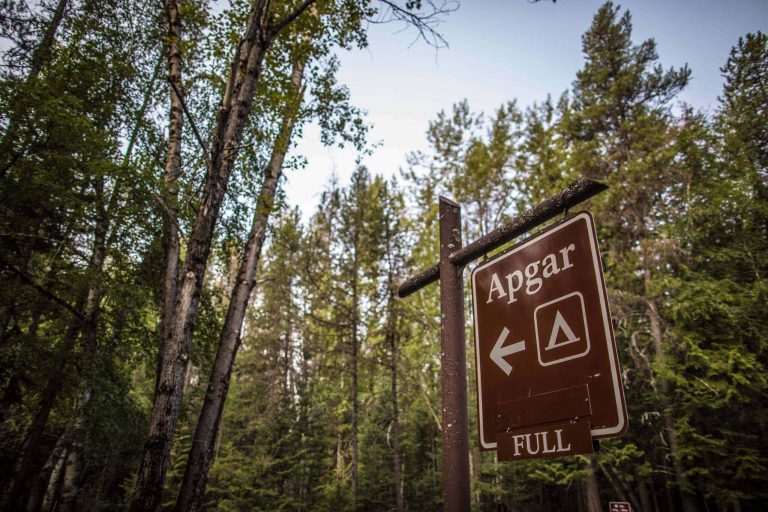
- Apgar Campground — 194 sites, $30/night, 188 reservable per campsite records.
Wilderness (Backcountry) Camping Permit
July is the park’s peak month and January a low month; the NPD crowding index rates Glacier at 2855.9 visitors per 1,000 acres, so choose timing carefully.
Best time: July, January, February · Avoid: November –204April (most roads closed)
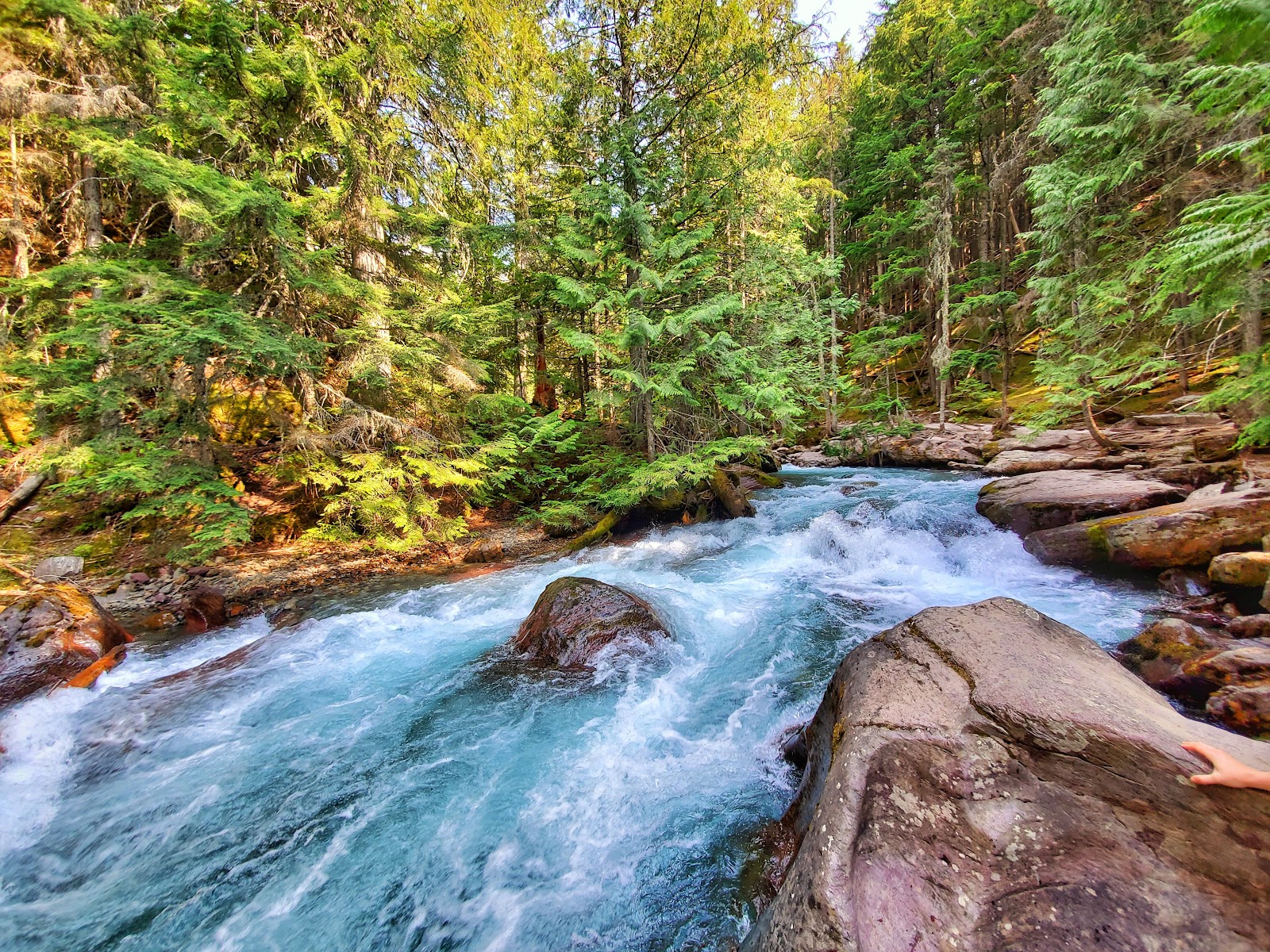
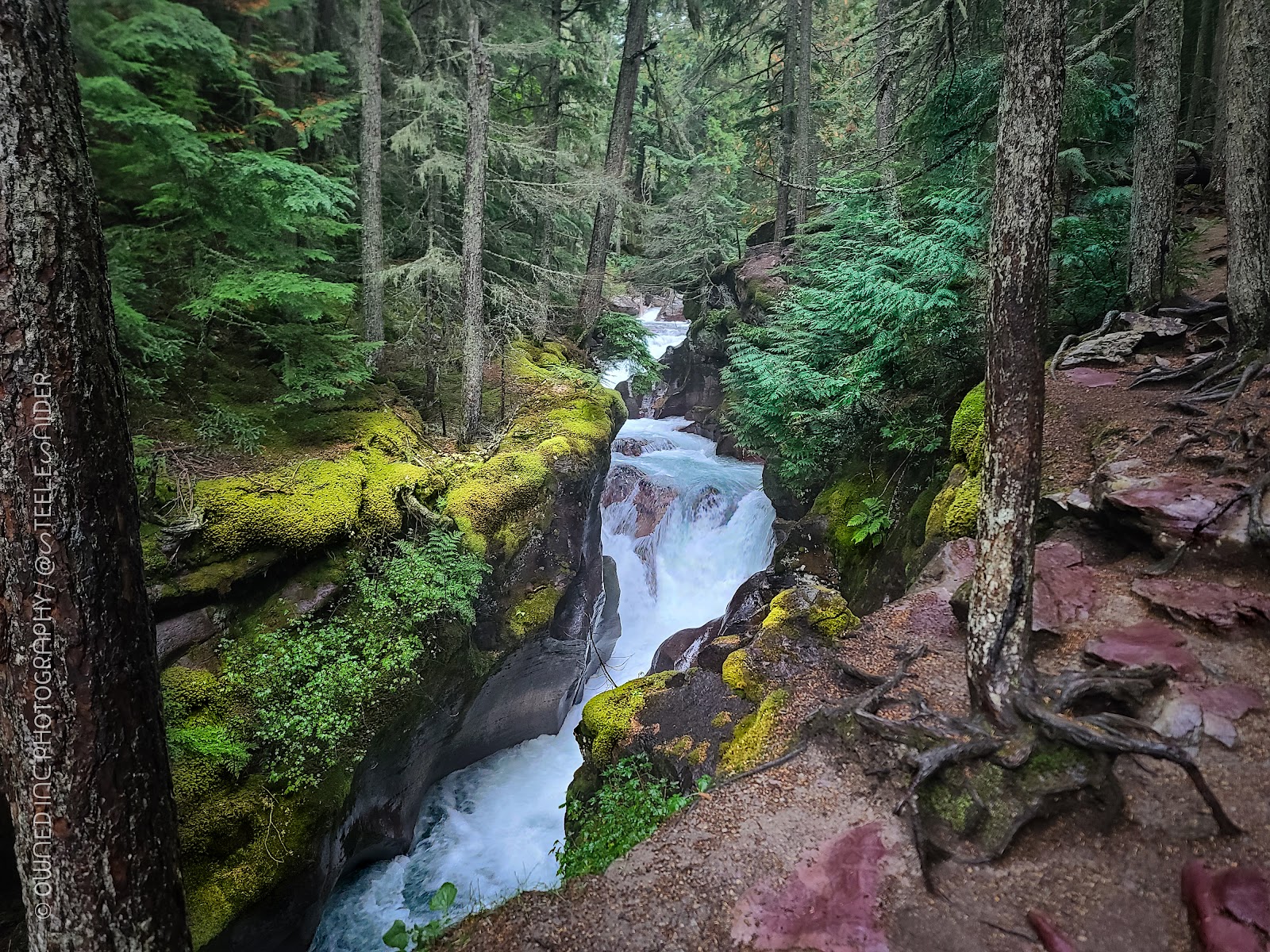
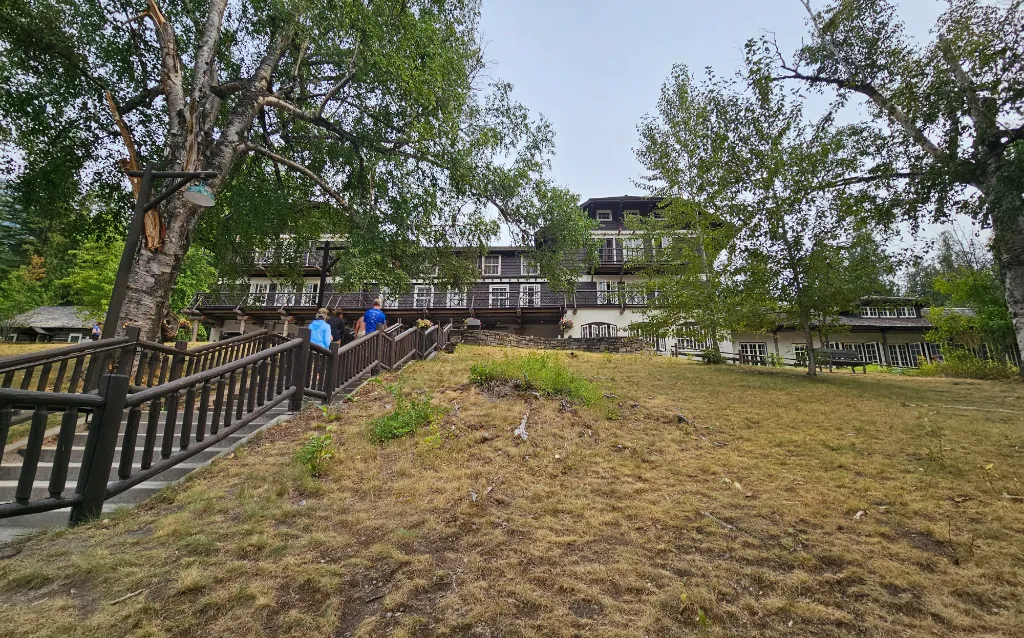
Pack for bears, sudden weather swings, and unreliable potable water at some launches; carry bear spray and a water filter for Lake McDonald trips.
Day Hikes & Safety
- Bear spray (2-3 oz, easily accessible) and training on use
- Map and compass or GPS device
- Water (2 liters minimum) and a water filter
- First-aid kit and blister care
- Headlamp with spare batteries
- Whistle and signaling mirror
Water Activities
- PFD (life jacket) for each paddler
- Dry bags for electronics
- Boat registration as required by park rules
- Portable pump or bilge sponge for small craft
- Sun protection and waterproof layers
Clothing & Weather
- Layering system: base, insulating, and waterproof outer layer
- Warm hat and gloves for mornings
- Reinforced hiking boots or water shoes
- Quick-dry clothing and spare socks
- Microspikes in shoulder seasons if ice is possible
Camping & Backcountry
- Permit printout or digital permit confirmation
- Bear-resistant food canister where required
- Stove and fuel (no open fires in many zones)
- Tent footprint and repair kit
- Trash bags to pack out all waste
Is Lake McDonald worth visiting? Yes: Lake McDonald is Glacier’s largest lake with nearly 10 miles of shoreline and year-round scenic value.
What is there to do at Lake McDonald?
Where is Lake McDonald located?
Is it worth visiting Lake McDonald?
Is fishing allowed on Lake McDonald?
Are dogs allowed at Lake McDonald?
What’s the best sunrise spot on Lake McDonald?
How We Researched This Guide
- We used NPS IRMA and park data showing 2,893,996 annual visitors as of 2026, plus NPS.gov pages for Lake McDonald and park rules.
- NPS.gov –22Glacier National Park–22 –28official park data and alerts–29
- NPS IRMA visitor statistics –282026 update–29
- NPSpecies database –28wildlife and fish species counts–29
- Open-Meteo and weather.gov historical climate data
- Recreation.gov permit and reservation pages
- NPD crowding and amenity datasets for parking and campsite availability
This guide focuses on Lake McDonald and adjacent services. It does not cover remote interior backcountry routes in exhaustive detail. Real-time road and weather conditions can change rapidly; verify live updates before travel.
Key Takeaways for Visiting Lake McDonald
July is the busiest month and the lake is nearly 10 miles long; plan around crowd data and shuttle policies for 2026.
Book permits and reserve campgrounds early. Apgar Campground lists 194 sites and many are reservable through Recreation.gov. Per NPS.gov, the 7-day vehicle pass is $35 as of 2026 and non-U.S. residents pay an additional $100 surcharge unless they hold a $250 non-resident annual pass.
Pack bear spray, a water filter, and layered clothing. Arrive early for parking and sunrise photos. Based on NPD crowding patterns, choose a June or September shoulder week to avoid peak parking by roughly 30–240% while keeping good weather.
Remember: a 7-day vehicle pass is $35 as of 2026 and a $100 non-resident surcharge applies for visitors 16+; check nps.gov for current conditions.
Book shuttle tickets and campsite reservations in advance for July peak weeks.