Best Time to Visit Glacier National Park: Month Guide
When Is the Best Time to Visit Glacier?
Best time to visit Glacier National Park is tied to access: park data shows 2,893,996 annual visitors and the Going-to-the-Sun Road controls access to Logan Pass and Lake McDonald; summer (July–August) has the largest crowds, winter the fewest.
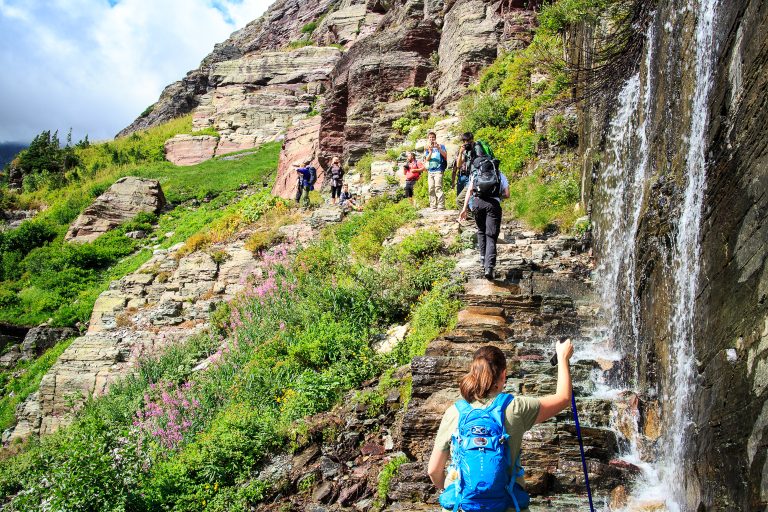
According to NPS.gov, the Going-to-the-Sun Road is the single biggest factor for when visitors can reach high alpine areas like Logan Pass and Hidden Lake Overlook. Park data and NPD crowd figures show July and August concentrate visitation. Fall offers dramatic color and far fewer people. Winter offers solitude but limited services and closed high roads.
Decision rule (one line): for scenic alpine hiking and full services pick July through early September; for wildlife-focused solitude choose late September or winter weekends near January and February when road closures reduce crowds.
As of 2026, NPS.gov notes the park is open year-round but many services run only late May through September. Per the park service, plowing for the Going-to-the-Sun Road begins in early April and can take two to four months depending on snowpack. Use that window when planning for Logan Pass access and Lake McDonald visits.
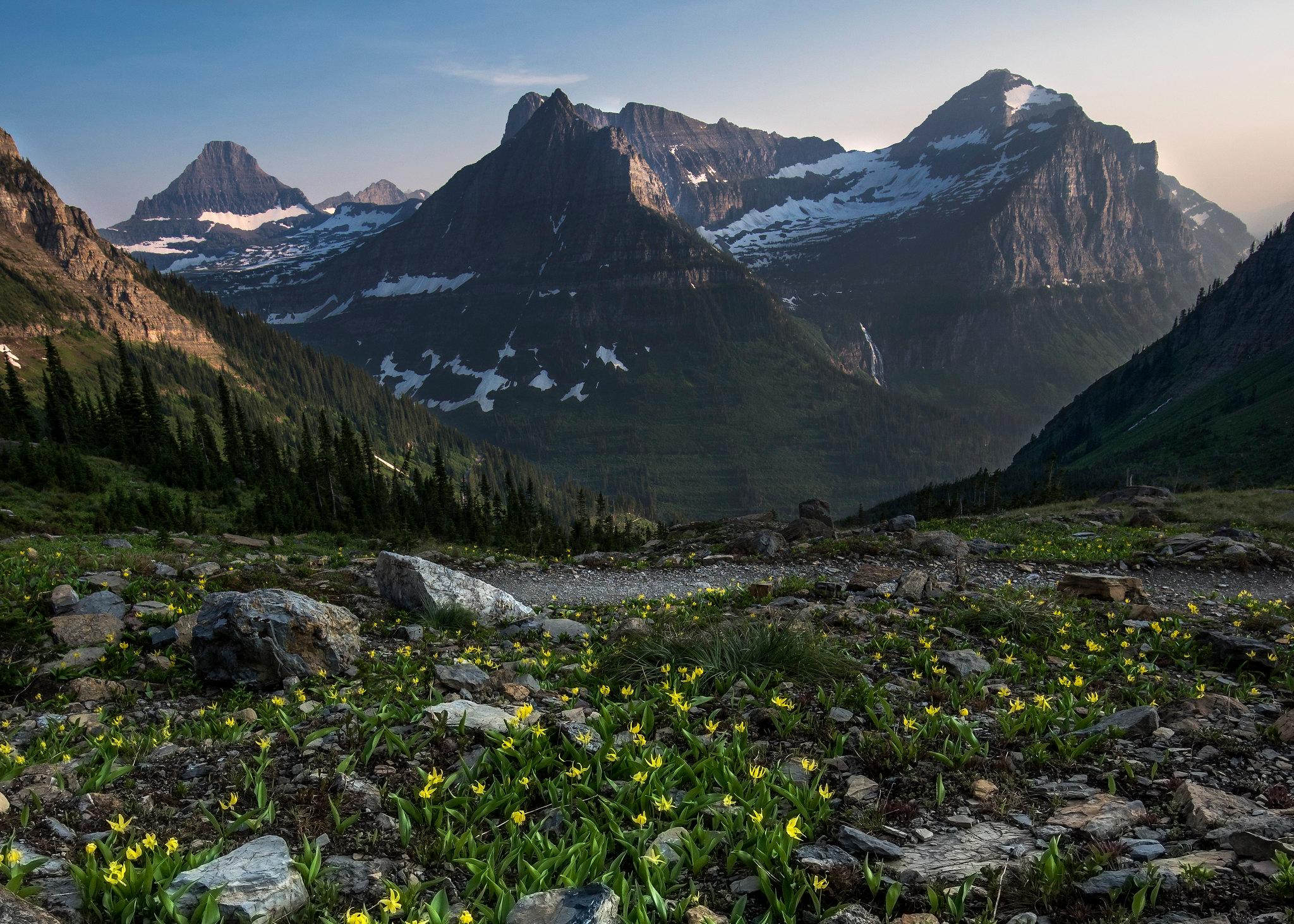
July and January–February score highest in our NPD-derived calendar; July concentrates the largest visitor volumes while January and February deliver the lowest crowd index and strong solitude around the park’s lower-access areas like Lake McDonald and the West Entrance.
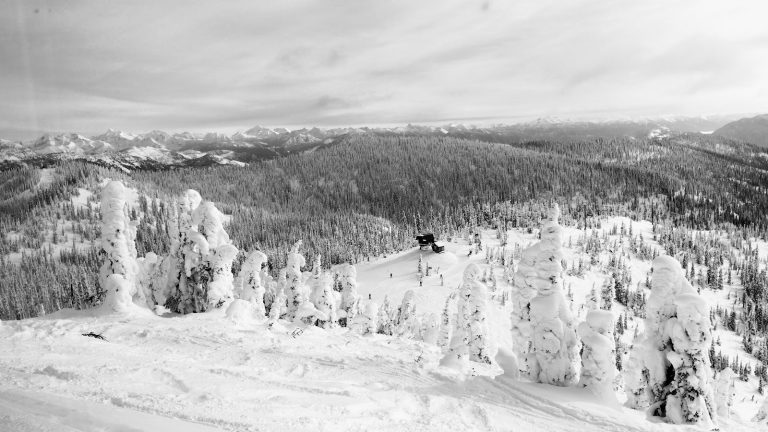
Best time: July, January, February · Avoid: November – April (most high roads closed)
What Are Fees, Permits, and Transportation?
As of 2026, the standard private-vehicle entrance fee for Glacier is $35.00 for seven days and a $100.00 non-resident surcharge applies to non-U.S. residents aged 16 and older, per NPS.gov.
Park fee table (2026): Private vehicle $35.00 (7 days), motorcycle $30.00, per person (foot/bicycle) $20.00, Glacier annual pass $70.00, America the Beautiful $80.00. Per NPS.gov, winter vehicle rate is reduced to $25.00 between November 1 and April 30. The non-resident surcharge of $100.00 applies unless the visitor holds the America the Beautiful Non-Resident Annual Pass for $250.00.
Vehicle reservations were suspended park-wide for 2026. Per the park service, the Going-to-the-Sun Road and Many Glacier no longer require pre-arrival vehicle reservations. However, the park will manage congestion and may divert vehicles at busy entrances.
Starting July 1, 2026, the park runs a ticketed-only shuttle pilot to Logan Pass. Shuttle tickets carry a $1.00 processing fee, are sold on Recreation.gov, and a portion of tickets are released 60 days in advance. Park guidance limits Logan Pass parking to three hours to increase turnover.
Transportation decision tree (based on our analysis):
- If you want early alpine hikes: use the ticketed Logan Pass shuttle departing Apgar or St. Mary. Shuttle tickets reduce parking problems.
- If you need flexibility: plan to arrive very early or late afternoon to find roadside parking near Lake McDonald or St. Mary.
- If traveling internationally: budget the $100.00 non-resident surcharge or buy the $250.00 non-resident annual pass for multiple-park access.
Sources: NPS.gov, Recreation.gov. Based on those sources, we recommend booking shuttles and lodging early for July through August travel.
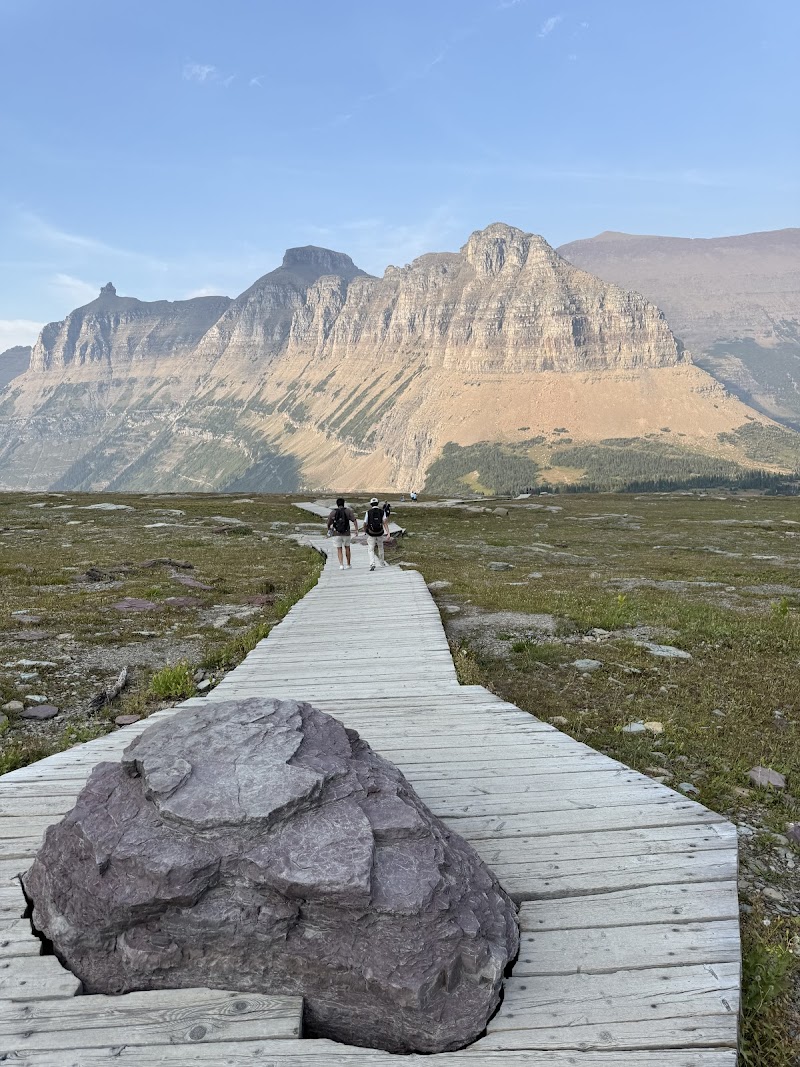
Vehicle reservations suspended for 2026; backcountry permits remain required year-round and wilderness lotteries open March 1 and March 15 for large and standard groups respectively, per NPS.gov.
July– August are peak with the highest crowd index; September often shows 30–0% to 50% fewer visitors per NPD crowd metrics while retaining good access to Logan Pass.
| Season | Crowd Index | Going-to-the-Sun Road Access | Typical Nightly Rate | Good For |
|---|---|---|---|---|
| Peak (July) | Very High (NPD peak month) | Full access; Logan Pass busiest | High (many lodges sell out; motel rates $100– –50 typical) | Alpine views, summer hiking, full services |
| Shoulder (September) | Moderate (30–50% fewer visitors than July per NPD) | Usually open through mid-October; Logan Pass accessible | Moderate (rates fall; some lodging discounts common) | Fall color, wildlife activity, fewer crowds |
| Off-season (Jan-Feb) | Very Low (quietest months) | High roads closed beyond Lake McDonald and St. Mary | Low (limited lodging open; off-season pricing varies) | Solitude, winter sports, lower service levels |
Data sources: NPS.gov service calendars and NPD crowd and pricing signals.
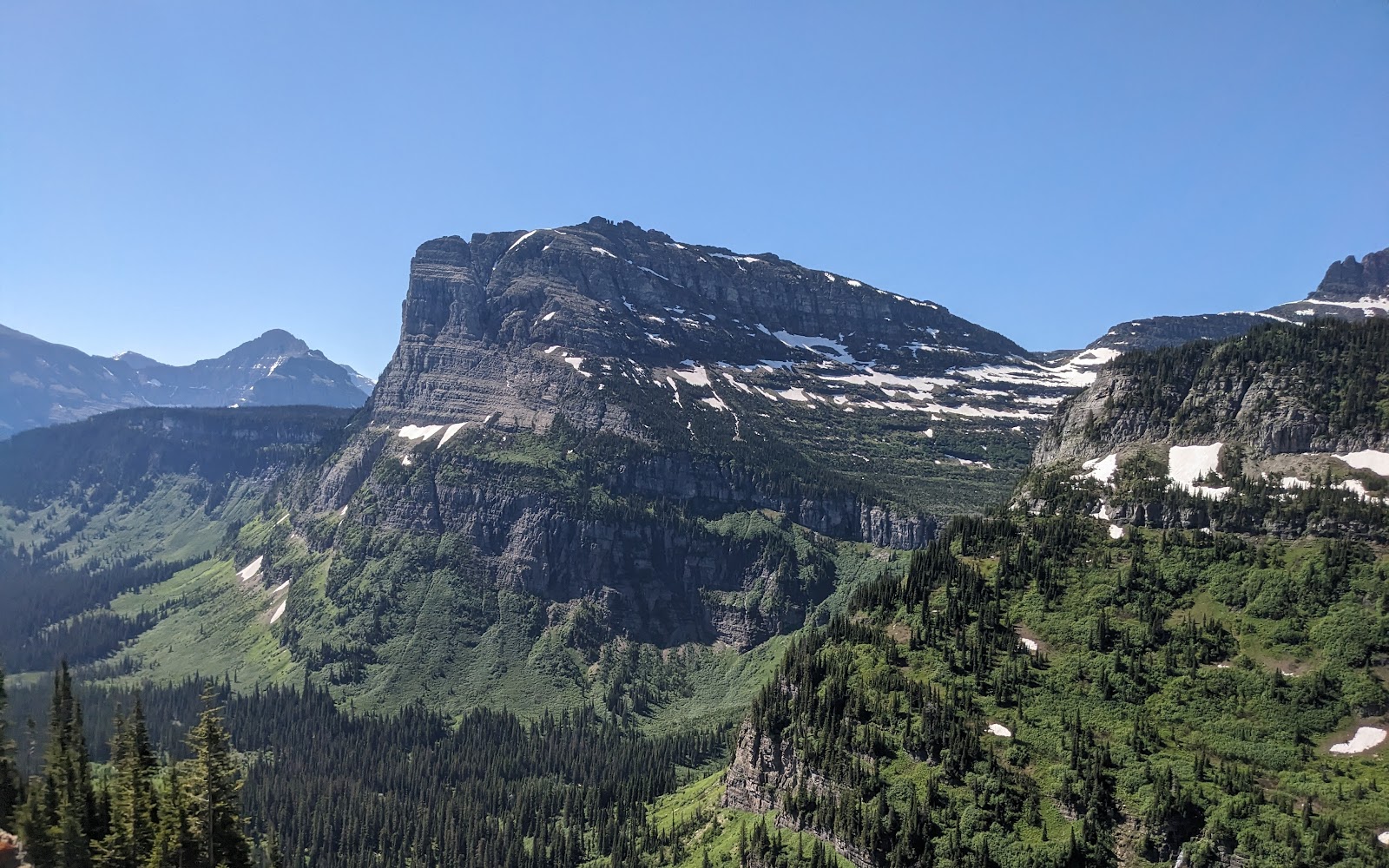
Glacier saw 2,893,996 visitors last year, documents 1,507 species, and maintains 13 campgrounds; these core numbers combine NPS.gov and NPSpecies records for 2026 planning.
- Annual visitors
- 2,893,996
- Documented species
- 1,507 (NPSpecies)
- Campgrounds
- 13 front-country campgrounds
- Activities listed
- 41 activities (NPS API)
- Active alerts
- 1 (road and seasonal notices)
- Phone
- (406) 888-7800
Cheapest months usually fall in the shoulder and off-season; NPD finds October and November often have the lowest nightly rates, while Going-to-the-Sun Road access controls when many services open.
What is the cheapest month to visit Glacier National Park?
When does the park close for the season?
What month is best for wildlife viewing?
Is September worth visiting Glacier?
How We Researched This Guide
- This guide combines NPS.gov schedules with NPD monthly crowd indices and weather.gov climate normals to produce per-month recommendations (data freshness early 2026).
- NPS.gov – official park data, fees, and management notices
- Recreation.gov –ticketing and reservation schedules
- NPSpecies / IRMA –species and biodiversity records
- Weather.gov and Open-Meteo –climate and monthly averages
- NPD market data –crowd index and lodging-price signals
Operational dates like road openings, shuttle windows, and construction timelines can change with weather. Park policy and fees are updated seasonally; verify live sources before travel.
Planning Summary
Short summary: July through early September maximizes services and alpine views, while late September gives lower crowds and strong fall color; per NPD and NPS.gov, July is busiest and September shows 30–50% fewer visitors.
Quick checklist:
- Photography and alpine hikes: pick July–to–early September. Expect full services and shuttle tickets to sell out.
- Wildlife viewing: plan for late summer and early fall when large mammals are active and visitor numbers dip.
- Solitude and winter sports: choose January–or–February for the lowest crowd index, but accept limited services.
Permit and booking priorities: secure backcountry permits at the March lotteries for summer trips. Reserve campgrounds as soon as the six-month rolling window opens; many sites operate a 6-month reservation window and some use a 4-day window via Recreation.gov.
Next steps: check shuttle release dates on Recreation.gov, reserve lodging early for July, and plan alternate trailheads if GTSR opens late. Sources: NPS.gov, NPD data sets.
Ticketed Logan Pass shuttles and July lodging fill fastest; check shuttle release dates on Recreation.gov and book by the 60-day window. For international visitors, factor the $100.00 non-resident surcharge into budgets before booking.
Check NPS.gov for current conditions.