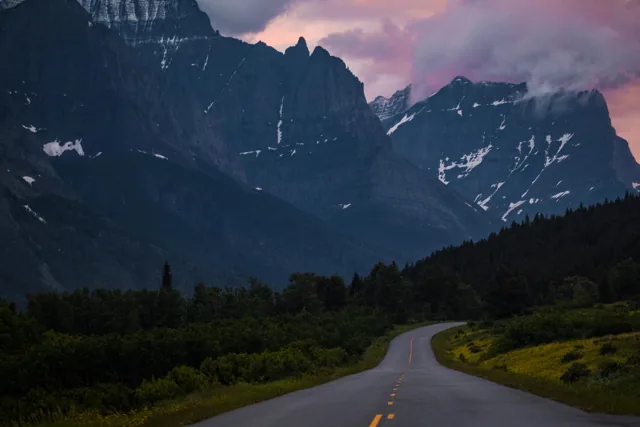
Going-to-the-Sun Road: 2026 Access, Shuttle & Parking
An idea to explore—not a must-do.
The full road crossing depends on seasonal access—even in summer.

GLACIER / MAKE ROOM FOR THE WEST SIDE
Sometimes the best part of a trip
is the part you do not rush.
Open to everything · Saved in this browser
A FEW CHOICES. A TRIP THAT FEELS LIKE YOU.
Choose what excites you. We’ll use it to filter your Glacier ideas—not rewrite the guide you came to read.
Choose as many as you like—or leave it open to see everything.
We’ll point you to the matching trip length. Season choices add access reminders; they do not confirm anything is open.
We’ll flag ideas that need a transfer from your chosen side. This is a preference, not a hotel booking.
Choices save automatically in this browser only. No account. Your answers are not sent to our servers.
Showing all Glacier experiences. Your saved places and essential access information are never filtered.
An idea to explore—not a must-do.
The full road crossing depends on seasonal access—even in summer.
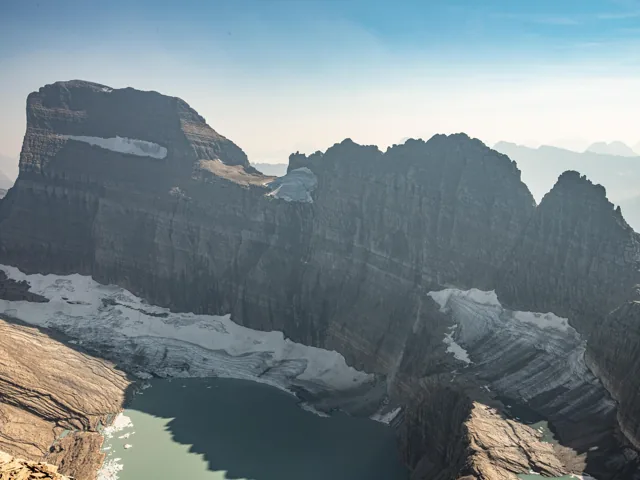
An idea to explore—not a must-do.
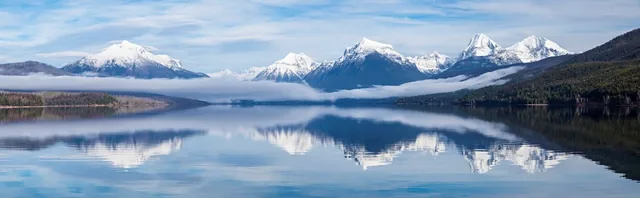
An idea to explore—not a must-do.


Existing Lake McDonald listing photography. These views are inspiration, not a promise of water, light or weather conditions.
THE REASON TO MAKE ROOM FOR IT
Look down at the colored stones, then up the lake toward the mountains. Lake McDonald brings Glacier’s small details and enormous landscape into the same view—and you don’t have to finish a mountain hike to enjoy it.
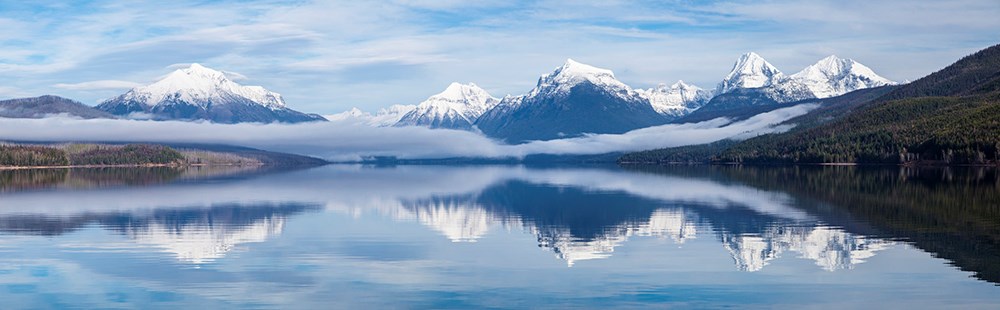
Glacier National Park’s largest lake stretches about ten miles through a broad, glacier-carved valley. NPS describes it as nearly 500 feet deep. From the foot of the lake, the view reaches toward the Continental Divide: water in front, forest along the edges and high peaks beyond.
Make it yours: choose a shoreline stop when you want that lake-and-mountain view without committing to an alpine trail.
NPS: Lake McDonald Valley ↗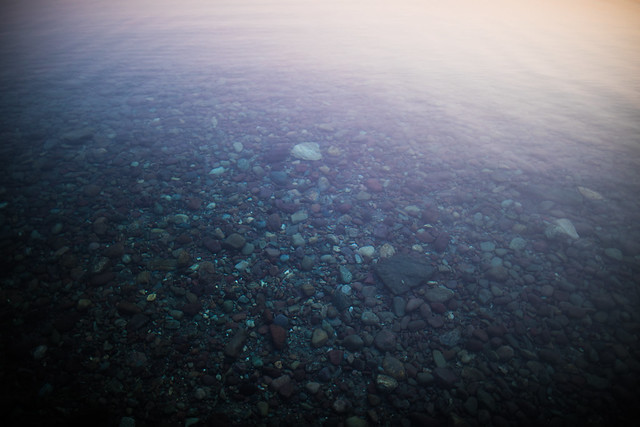
The red and green pebbles are not just a photography prop. NPS explains that these colors in Glacier’s sedimentary rocks reflect the conditions in which the rocks formed, including the presence or absence of oxygen. They connect a lakeshore detail to the park’s much larger geologic history.
Look closer: compose a photograph from a safe shore position. Light, wetness and water movement change what you see; leave the stones where they belong.
NPS: the geology behind the colors ↗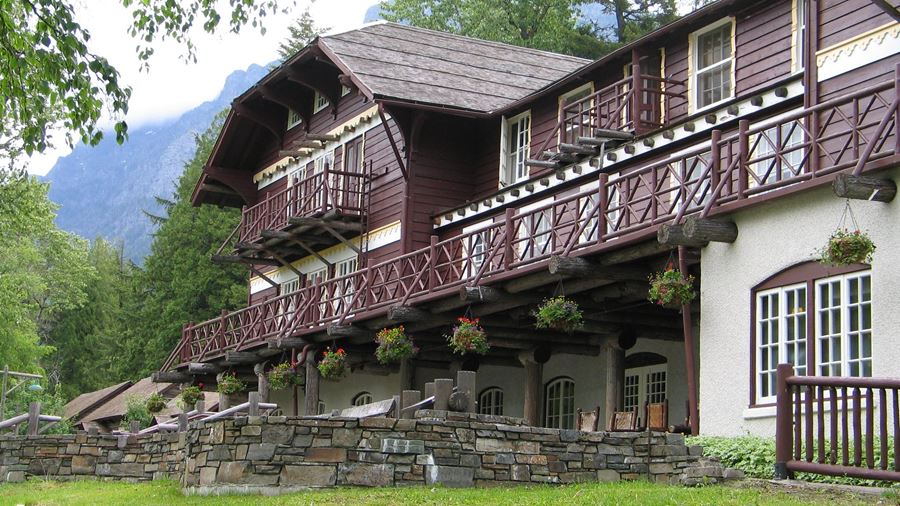
Built in 1913–1914, Lake McDonald Lodge adds Swiss-influenced architecture and a historic lakeside setting to the visit. It gives a lodge-area stop a different character from the shore at Apgar.
Look closer: explore the Lake McDonald Lodge guide if the building, dining or a dock departure is part of the appeal. Check which services are operating.
Give it more time if you want shoreline photography, a boat outing or an unhurried west-side day. Keep it shorter if your main priority is a major hike elsewhere: enjoy the lake without letting an extra rental or long meal consume the time that outing needs. A calm reflection is a possibility, not a promise.
01 / PICTURE YOURSELF HERE
You can enjoy Lake McDonald without making a major hike the price of admission. Pick the experience first, then choose the access point. These are different ways to visit—not a list to complete. Compare time options and add a visit to your day ↓
Start with everything. Choose what sounds good and this guide will focus on your visit.
Keep the lake itself at the center of your visit.
Read the cold-water guidance below before considering a swim. Shore time is an alternative, not a promise of safe swimming.
See the practical details ↓Explore under your own power.
Compare the rental options and access points; check conditions, equipment and operator requirements before committing.
See the practical details ↓You operate the rental boat.
This is different from a narrated cruise. Check the rental operator’s requirements and availability.
See the practical details ↓Let an operator handle the boat.
Use the cruise information to check the departure point, schedule and arrival allowance. A saved idea is not a ticket.
See the practical details ↓Enjoy the landscape without an on-water activity.
Compare Apgar and the lodge area, then choose a shore stop that fits your route.
See the practical details ↓Let someone else lead a west-side outing.
The guided driving tour below visits the Lake McDonald area. It is not the lake cruise; compare the actual itinerary and pickup details.
See the practical details ↓Choose activities around your children’s abilities and comfort, not just their age. Decide how much supervision an on-water activity needs, check the operator’s participation requirements, and leave room for meals, rest and a change of plans.
Glacier’s lakes are cold. Do not treat a family recommendation as confirmation that swimming or boating is safe in current conditions. Keep the water-safety and access guidance below in your plan.
NPS water and park safetyShowing the complete guide.
Optional choices stay in this browser. Nothing is booked.
Rental and cruise details: Glacier Park Boat Company. Check current operations before travel.
Take in the water, the mountains and the changing light. A shore visit can be the whole reason to come.
Choose the shore access that fits your route; swimming is not part of this suggestion.
See what it takes ↓Leave space for a lakeshore pause and a meal or wander around the access area you choose.
Check seasonal services. A lodge-area visit and Apgar are not the same stop.
See what it takes ↓A boat outing changes how you experience the lake. Plan it as a separate commitment, not a last-minute extra.
Confirm the operator, boarding or rental point, season and return arrangements.
See what it takes ↓Optional choices can be saved in this browser with JavaScript.
TAKE THE VIEW ONTO THE WATER
Yes, motorboat rentals are an option. Decide whether you want to drive the boat yourself, paddle, or join a narrated cruise—then book the right dock and experience.
Glacier Park Boat Company lists 8-horsepower motorboat rentals at the dock behind Lake McDonald Lodge.
Limited morning reservations have a two-hour minimum; later rentals depend on remaining stock. Fuel and life jackets are included. The operator prohibits beaching rental motorboats and swimming from them.
Choose this for: time on the lake with your own group, rather than a narrated group cruise.
Check motorboat rentals & current rates ↗The lodge dock also lists double kayaks, rowboats and paddleboards.
Paddleboards are first-come, first-served. Choose craft and conditions that suit everyone; a rental is not a guarantee of calm water.
The operator’s Lake McDonald cruise is a one-hour round trip from behind the lodge aboard DeSmet or Glacier Lily.
It returns to its starting dock; it is not a hiking drop-off or a one-way lake shuttle.
Operator details checked September 6, 2026. Check current dates, rates, craft rules and weather before booking. Apgar and the lodge are different pickup locations; choose the location explicitly. Bringing your own boat? Read the NPS inspection and launch requirements.
PREFER SOMEONE ELSE TO HANDLE THE DRIVING?
The Viator-listed West Side Driving Tour includes Apgar and Lake McDonald/Lake McDonald Lodge. The listing describes a 6–7-hour outing—not a quick add-on to your own full sightseeing day.
Know what you’re booking: this is a driving tour, not a motorboat rental or lake cruise. It excludes Going-to-the-Sun Road and is not guaranteed private. Confirm pickup, dates and inclusions on the booking page.
Affiliate link: we may earn a commission if you book, at no extra cost to you. Direct operator rental and cruise links above are separate options.
Compare this Lake McDonald-area tour on Viator ↗Product 299521P8 was active when checked September 6, 2026. This is not a live availability or price quote.
02 / PICK THE ACTUAL PLACE
“Lake McDonald” is not a precise meeting place. Apgar and Lake McDonald Lodge are different locations along the lake. Choose the location before asking a map for directions.
Conceptual diagram, not to scale or for navigation. Use the official park map ↗
A SHORE-AND-VILLAGE VISIT
Look at Apgar when you want a lakeshore visit connected to the village. NPS lists beach access, a boat launch, rentals, shops and food services here; individual services have their own seasons and hours.
Choose Apgar if: you want beach access with village shops and food nearby. Keep it as one shore-and-village stop; check the pickup point if adding a rental.
A LODGE-AREA LAKESHORE VISIT
Consider this access when the historic lodge setting is part of the appeal, or your confirmed outing starts here. NPS describes lodging, dining and scenic boat tours in the Lake McDonald valley; check the exact service and departure point.
Choose the lodge area if: the historic building or a lodge-dock cruise is your priority. Visiting the area does not reserve a room, table or boat seat.
03 / GIVE IT A PLACE IN YOUR DAY
How much time do you want to give the lake? Pick a starting shape, then put it into a day. You can change it later.
Editorial planning ranges, not required visit times or live route estimates. Add travel, parking, meals and your group’s pace.
30–60 minutessuggested time at the lake
Choose one shore: Apgar or the lodge area
Fits an arrival afternoon or a stop within a road day. You do not need to add a hike or get on the water.
This is time at the lake, not door-to-door travel. If parking is full, use a legal fallback rather than stopping on the road.
2–3 hourssuggested time at the lake
Apgar for shore + village; lodge area for the historic setting
Give the lake room when photography, the village or the historic lodge is the reason you came. A slower outing can be the main event.
Meals and services are seasonal. A boat rental or cruise is a separate booking and may need a larger time block.
3–5 hourssuggested time at the lake
Start at the dock named in your booking
Use a larger block when being on the water is the priority. The lodge cruise itself is one hour; parking, check-in and shore time make this a longer visit.
For the lodge cruise, the operator asks you to reach parking at least one hour before departure, with extra allowance for entrance delays. Rental times and weather may change the plan.
BUILD A DAY THAT FITS TOGETHER
Choose the pieces that fit your day—not every option below. Open a guide for details, or save a place to compare in My trip.
MAKE ROOM FOR A MEAL
Apgar has food and convenience-store options near the foot of the lake.
In the lodge area, look at Russell’s Fireside Dining Room, Jammer Joe’s Grill and Pizzeria, or Lucke’s Lounge. Check current menus and operating dates before making a meal the anchor of your day.
Planning tip: a meal near your chosen access keeps this a lake visit, rather than another drive.
WAKE UP ON THE WEST SIDE
Lake McDonald Lodge suits a trip built around its historic lakeside setting.
For camping in the valley, compare Apgar, Fish Creek and Sprague Creek. A saved place is only an idea: check the specific campground or lodging operator for reservations, seasons and availability.
Planning tip: settle the base before adding early starts or long drives to the other side of Glacier.
Sources: NPS valley · NPS lodge
SHORE TIME OR TRAIL TIME
NPS lists the mostly level Apgar Bike Path and Rocky Point near Fish Creek as valley walking options.
Trail of the Cedars and Avalanche Lake start farther up the road at Avalanche Picnic Area—not at Apgar or the lodge. Give the trailhead, parking and walk their own time.
Planning tip: an Avalanche Lake hike is a separate outing, not a short stroll around Lake McDonald.
Sources: NPS trails
Lake McDonald is on the west side of Glacier National Park in Montana. Approach from the West Entrance and choose a specific destination: Apgar Village at the foot of the lake or the Lake McDonald Lodge area farther along Going-to-the-Sun Road. They are separate stops, not interchangeable meeting points.
Compare the two starting points ↗Sources: NPS maps · NPS valley · NPS apgar
Yes—NPS describes swimming at Lake McDonald beaches. That does not mean the water is warm or safe for everyone: it stays very cold even in summer, with hypothermia and drowning risks. Follow posted restrictions, supervise children and avoid slippery rocks. Enjoying the shore without swimming is a complete visit.
Read the water and access checks ↗Sources: NPS boating · NPS safety
Yes, when conditions allow. NPS says the road from West Glacier to Lake McDonald Lodge is plowed year-round, weather permitting. That is not a promise that the lodge, rentals or restaurants are open. Check road conditions and plan food and accommodation separately; summer services do not carry over into winter.
Check current park conditions ↗Sources: NPS winter
Choose around what you want to do. For a rental, cruise or lodge meal, use that operator’s actual season and booking calendar. For shoreline scenery, you have more flexibility, subject to road access and weather. Reflection photos depend on wind and light; no month or arrival time guarantees mirror-calm water.
Choose your boat or shore experience ↗Sources: NPS winter · NPS valley
Do not plan on a quick loop around the lake. NPS lists the Lake McDonald West Shore trail as 7.4 miles one-way, with access near Fish Creek and North Lake McDonald Road. For a short stop, choose one shoreline access instead. Check the specific trail and current status before setting a hiking day.
Find a visit that fits your time ↗Sources: NPS trails
No—leave Lake McDonald’s colored rocks where you find them. Recreational rock collecting is not allowed here. Glacier also asks visitors not to build rock stacks or move stones from waterways. Photograph the colors instead of taking stones home or rearranging the shoreline.
See the story behind the colorful rocks ↗Sources: NPS collecting · NPS leave-no-trace
NPS identifies the southeastern edges of Lake McDonald as popular places to photograph multicolored pebbles. Use established shoreline access and legal parking rather than treating every roadside edge as a place to stop. Light, water level and wind change the view; photograph stones where they lie and leave them in place.
Choose a shoreline starting point ↗Sources: NPS photo-tips · NPS leave-no-trace
Context checked September 6, 2026 against the linked NPS sources. Route descriptions are not live road or trail status. Planning tips are editorial suggestions.
04 / THE DETAILS THAT CHANGE THE PLAN
Use designated parking at your chosen access point. No arrival hour guarantees a space; keep a legal fallback.
Roads & getting around ↗Glacier water can be dangerously cold even in summer. A shore visit does not require swimming. Supervise children and follow current NPS guidance.
Water & park safety ↗Accessible routes include the paved path from Apgar Visitor Center to Apgar Village and the accessible lodge-side lakeside walk with a 360-foot sidewalk/ramp beside the boat dock. Beaches and other docks or trails may not be accessible; check NPS details for your intended facility and route.
Specific accessibility details ↗Road access, lodge services, rentals and tours do not share one opening calendar. Recheck the pieces your visit depends on.
Current park conditions ↗Confirm your rental or tour's operating dates, departure dock, conditions and return time with its operator. For your own craft, NPS requires an aquatic invasive species inspection and a free launch permit. Trailered gas-powered motorboats require inspection and a 30-day quarantine before launching on Lake McDonald. Non-motorized craft and non-trailered electric craft may launch the same day after inspection and permit, with no 30-day quarantine. Personal flotation devices are required for watercraft users. Verify current craft-specific rules and inspection hours.
Read the current NPS boating rules ↗Park admission is separate from accommodation, rentals and tours. Check the applicable entrance fees and your own reservations. Trail of the Cedars and Avalanche Lake start in the Avalanche area; they are not short walks that all begin at the Apgar shore or lodge.
Planning references reviewed September 5, 2026. This is not a live conditions or availability feed. Visit suggestions are editorial judgments; no new firsthand visit is claimed.
05 / FOLLOW THE NEXT QUESTION
LET A LITTLE CURIOSITY TAKE YOU SOMEWHERE
No dates. No big commitment.
Just something to look forward to.
Saved on this browser. No account needed.
FROM SOMEDAY TO YOUR DAYS
Keep the places that excite you. Put them into days when you’re ready.
We use optional first-party analytics only with your permission. We never sell your data. Privacy and analytics details
We use analytics to improve our park guides. Choose what you allow; we never sell your data. Privacy and analytics details
Essential analytics that measure basic traffic stay on. The deeper, first-party analytics below are optional — turn on what you are comfortable with. We never sell your data. Read the notice
Site function plus basic visit counts via Google Analytics and Search Console — needed to see how many people visit. Always on.
How far you scroll, whether you finish an article, and which sections are read — so we know which guides to improve.
Clicks on links and buttons, and searches you run on the site — so we can fix confusing navigation and content gaps.