10 Tips On How to Maximize Your 5-Day Trip to Glacier National Park
Glacier National Park delivers drama per mile that few places can match, with jagged peaks, crystalline lakes, and glacier-carved valleys that leave you breathless. In our experience, you’ll want at least 5 days to taste the highlights without feeling rushed—and to let a few crowd-free moments happen along the way. We’ve found that booking accommodations early and prioritizing a mix of iconic hikes plus a couple of quieter viewpoints keeps the trip both exciting and sustainable.
We recommend anchoring your plan around two reliable bases: the Apgar area for easy lake access and short walks, and the St. Mary/Many Glacier corridor for big-horizon views. With 700 miles of trails to choose from, a well-paced 5-day itinerary lets you hit a renowned valley ascent, a scenic drive, and a lakeside sunset without getting overwhelmed. What we’ve found works best is to reserve core nights early and leave a couple of open blocks for weather variations or a spontaneous sunset over the starry backside of your day.
How Many Days Do You Need To See Glacier National Park?
If Glacier National Park is on your list, five days lets you soak in the scenery without rushing from overlook to overlook. In our experience, five days gives you a relaxed rhythm: a couple of solid hikes, a scenic drive, and time to camp or settle into park evenings.
We recommend planning a balanced mix: start with the iconic Going-to-the-Sun Road and Logan Pass, then swing north to the Many Glacier area and south toward Two Medicine for a different flavor of scenery. For hikers, the Highline Trail from Logan Pass and the Grinnell Glacier Trail from Many Glacier are our top bets—just be mindful that some of the most popular gauges require permits, which you’ll want to secure early via the NPS system.
If your time is limited to 2–3 days, our strategy is laser-focused: concentrate on the Going-to-the-Sun Road viewpoints and the best short hikes in the Two Medicine or St. Mary areas. Based on available NPS data, long drives and crowded trailheads can stretch your day, so we plan for early starts and flexible afternoons. What we’ve found: a tight, well-planned itinerary still yields dramatic vistas and memorable wildlife encounters.
How To See Glacier National Park In 5 Days
Start your Glacier adventure before sunrise and let the park reveal its epic scale before crowds converge at Logan Pass and Hidden Lake Overlook. In our experience, arriving at Logan Pass Parking Lot by 6:30–7:00 a.m. gives you a much quieter start and a chance to catch wildlife along the Garden Wall without the dash of midday traffic.
Plan your Going-to-the-Sun Road drive for late morning or late afternoon if you can, but target sunrise viewpoints along the road for the best colors. We recommend parking at the Cut Bank Overlook pullout and walking the short, easy overlook loop to beat the congestion near the loop itself. For a less crowded hike with big payoff, Avalanche Lake via the Avalanche Gorge trailhead delivers dramatic scenery in about 4.5 miles round trip.
Insider move: book shuttle rides or guided access to remote trailheads like the Swiftcurrent Lake area or the Grinnell Glacier basin in advance through the park’s official channels. We’ve found that scheduling these options for days 2–3 helps you avoid bumper-to-bumper crowds and keeps your energy focused on the scenery. If you’re camping, secure a reservation well before peak season on the Apgar or Many Glacier campground loops, and download the Glacier National Park app for up-to-the-minute trail conditions and alerts. In our experience, a well-paced plan that splits popular highlights with quieter byways makes a 5-day visit feel expansive rather than rushed.
Plan The Best Time For Your Visit
Timing can make or break a Glacier trip—get it right and the views, wildlife, and access feel almost personal. In our experience, aligning your plan with road openings and seasonal conditions pays big dividends, especially on Going-to-the-Sun Road.
Summer (June to August): This is Glacier’s busiest window. Going-to-the-Sun Road typically opens by late June, but always verify on the NPS alert page for snow delays. We recommend aiming for early starts—parking at Logan Pass before 7:30 a.m. helps you beat the crowds for Hidden Lake Overlook and the Alpine House area. Book accommodations well in advance, and consider side trips to Lake McDonald or Swiftcurrent Lake for calmer mornings.
Spring (April to May): Snow lingers at higher elevations, and some trails stay icy or muddy until late spring. In our experience, the lower-elevation Heritage Trail and Apgar area begin accessible trailsides by mid-May, with wildflowers starting to pop near Lake McDonald by late May. Check road openings daily—Beaver Creek Road and Many Glacier access can still be limited, so plan flexible day-by-day itineraries.
Fall (September to October): Fall brings vibrant reds and golds from September through early October. We’ve found that mid-September offers the best combo of color and mild temps, with daytime highs around 60–65°F and cooler nights. Crowds thin quickly after Labor Day, but note that some park roads and facilities begin closing in mid-October, so map a shorter, high-sun day and have a backup plan for evenings indoors or at West Glacier.
Winter (November to March): If you’re chasing quiet, Glacier in winter is a serene playground for cross-country skiers and snowshoers. Winter road access is limited, and many facilities close from late October through April. We recommend planning around a core Snowcoach or guided snowshoe route and checking the NPS winter status page for updated closures before you go.
Pro tip: Always verify current trail conditions, road statuses, and weather forecasts before your trip. Glacier’s weather can change rapidly, especially at higher elevations, impacting accessibility and safety.

Maximizing Your 5-Day Trip to Glacier National Park: The Early Bird Gets the Worm!

Our best mornings in Glacier National Park start before first light, when the valley fog is still lifting and the air feels freshly carved from the mountains. In our experience, Logan Pass and Hidden Lake Overlook are perfect early-morning targets—arrive by 5:30 a.m. to snag a spot and avoid the rush of tour buses as they start rolling in around sunrise.
We strongly recommend locking in shuttle reservations or guided hikes weeks ahead of your trip, especially in peak season. For hikers, the Highline Trail and Grinnell Glacier routes are magical at dawn when the wind is quiet and wildlife is often more active; you’ll thank yourself later for the extra planning.
Starting early isn’t only about dodging crowds; it’s about soaking in Glacier’s quiet, intimate moments—the alpenglow on Mt. Reynolds, the stillness along Swiftcurrent Lake, and the crisp contrast of the peaks against a pale morning sky. We’ve found these moments are best captured with soft light and minimal chatter in the background.
By coordinating your mornings with solid pre-dawn plans, you’ll maximize alpine viewpoints and wildlife encounters without the later-day interruptions. Glacier views and pristine reflections are at their most striking before the crowds arrive, letting you carry those memories all day long.
Explore Scenic Drives
There’s nothing quite like stepping into Glacier via a scenic drive and feeling the landscape unfold around every bend. In our experience, a well-planned day on the road can be the centerpiece of a five-day adventure, especially when you couple it with specific pullouts and timing.
Start with Going-to-the-Sun Road, a 50-mile corridor that opens the park’s dramatic heart to you. According to the NPS, road openings vary by year, but planning windows typically run from late June to mid-October depending on snowpack. We recommend aiming to arrive by sunrise at Logan Pass Parking Lot (lot 1) to snag a spot before the crowds and capture the alpenglow on the ridges above Hidden Lake. From there, take the short two-mile loop around Hidden Lake for quotable views and animal sightings.
In our experience, the best light for photos and wildlife viewing is between 7:00 and 9:00 a.m. or 4:00 to 6:00 p.m. when the sun sits lower on the peaks. Allow 1.5 to 2 hours just for Logan Pass and its overlooks, then budget extra time for convenient pullouts like the Weeping Wall and Gouverneur Ridge viewpoints where you can pause without feeling rushed.
We’ve found the drive rewarding but demanding: the road narrows in several sections and has switchbacks that require slow, careful maneuvers. Keep your vehicle in good shape, top off fluids, and carry a spare tire if you’re extending into Two Medicine or Hidden Lake routes. Pack snacks, water, and a camera because you’ll want to linger at pullouts with panoramic views—especially near St. Mary and St. Mary Falls if you’re squeezing in a waterfall stop.
Beyond Going-to-the-Sun, we recommend Two Medicine Road for a quieter alternative with equally stunning landscapes. The 9-mile loop from Two Medicine Campground to Lake Two Medicine offers expansive lake views and fewer crowds. For hikers seeking a dramatic alpine pocket without the traffic, the Hidden Lake Overlook spur from the Logan Pass area is a crowd-pleaser, but arrive early to park and preserve your time for the overlook itself.
Relax and explore
Glacier National Park rewards patience as much as it rewards wow moments—our team often finds the true magic happens when we slow down and breathe in the landscape. In our experience, you don’t need a full itinerary to feel refreshed here; you just need the right quiet corners and a flexible pace.
We’ve found that dedicating at least one day to leisurely exploring off-the-beaten-path areas—like the serene Swiftcurrent Lake corridor and the expansive expanse around Many Glacier—delivers a noticeably calmer vibe than the front-country highlights. Park at the Swiftcurrent Motor Inn area for easier access, then wander at your own pace, bringing a lightweight tripod for dawn or dusk photos and a compact pair of binoculars for bird-watching along the shoreline.
Don’t miss the chance to discover hidden gems such as the less-crowded trails near Piegan Pass and the more tranquil sections of Avalanche Lake. In our experience, these routes reward early risers with clearer views and fewer interruptions from crowds, making them perfect for reflective breaks or a spontaneous picnic with a mountain backdrop.
Plan a visit to a secluded waterfall or simply find a quiet overlook where the noise of the park softens into a whisper of wind and water. Small, intentional explorations—like a 20-minute detour to a roadside viewpoint or a low-key stroll along a forest edge—can uncover Glacier’s secret treasures and deepen your connection to the landscape.
Remember, the key to an enriching park experience is balancing sightseeing with peaceful exploration. Take your time, we recommend hiking your own tempo, and let Glacier’s natural serenity inspire your journey.
Visit St. Mary Falls And Virginia Falls

St. Mary Falls is one of Glacier’s most stunning quick-hits, and we always make it a must on a 5-day loop. Its close proximity to Going-to-the-Sun Road makes it a convenient stop for a short, reward-filled hike.
The trail to St. Mary Falls is just under 1 mile round-trip and begins at the St. Mary Visitor Center. In our experience, arrive before 9 a.m. or after 5 p.m. to dodge peak crowds and catch the best light for photos.
On the way, you’ll move through a shaded forest where wildflowers bloom in late spring and early summer, and you might spot deer or tiny hummingbirds near the clearing. We find the contrast of the lush greenery with the turquoise pool below the falls is especially striking at golden-hour.
Reaching the falls, you’ll witness a powerful cascade tumbling over a rugged ledge into a crystal pool—an ideal spot for a quick shot or a quiet moment by the water. It’s a compact, jewel-like feature that never fails to impress.
For planning, late June through early September is our go-to window: trails are snow-free and water flow is typically at its peak. Dress in layers, wear sturdy shoes for the rocky footing, and bring enough water for a short, sunny stretch.
Adding St. Mary Falls to your Glacier itinerary delivers a quintessential taste of the park’s beauty without a long detour. In our experience, this is the kind of stop that recharges you for the road ahead—don’t skip it during your 5-day plan!
Hike to Grinnell Glacier
Hiking to Grinnell Glacier is one of Glacier National Park’s most rewarding adventures, delivering an up-close look at a towering alpine giant. In our experience, this 7.6-mile round-trip trek with roughly 1,600 feet of elevation gain rewards steady hikers with dramatic scenery and a true sense of wilderness.
We recommend starting at the Many Glacier area, ideally at the Swiftcurrent Lake/Lake Going-to-the-Sun Road corridor, to catch cooler temps and thinner crowds. Begin around sunrise to enjoy soft light on the ice and to stretch a full day in your favor. Bring at least 2 liters of water per person and a handful of snacks to sustain the steady ascent.
Insider tip: the Grinnell Glacier Trailhead in the Many Glacier vicinity is busiest from late June through early September. If you can swing a shoulder season visit or toe the line at first light or late afternoon, you’ll experience far fewer hikers and crisper air. Along the way, you’ll cross alpine meadows, spillways, and small lakes; look for mountain goats, marmots, and the occasional pika in rock shelves.
Reaching Grinnell Glacier yields awe-inspiring views of a glacier calving into the lake below. In our experience, wind shifts near the ice can be brisk—layer up and keep a windbreaker handy. Sturdy boots with good traction are essential for the rocky, uneven sections and potential scree fields near the terminus.
If you’re planning a bigger day in the area, consider tying in Avalanche Lake as a bonus stop. In our experience, mid-July through early September provides the most reliable weather and vibrant wildflowers, making for a spectacular paired day of Glacier exploration from the Grinnell area.
Visit Avalanche Lake
If you only have one must-do hike during your Glacier visit, Avalanche Lake delivers scenery that sticks with you long after your trip ends. From the Trail of the Cedars, the 4.5-mile round-trip trail winds through old-growth forest and opens up to an alpine lake framed by rugged peaks—a classic Glacier moment.
In our experience, timing makes all the difference. Plan to start early in the morning or later in the afternoon to beat crowds and improve parking reliability, especially during peak season from July through September. On our last visit, the Trail of the Cedars lot filled quickly by mid-morning, so we recommend arriving before 8:30 am or after 5 pm if you’re flexible.
What we’ve learned about gear: bring a light layer that you can shed at the lake’s edge where breeze can pick up, plus plenty of water and a mid- to high-energy snack for the 2.2 miles out and back with elevation gain that feels gradual but persistent. If wildlife is on the radar, keep your distance and store food properly; the park service notes reliable wildlife awareness as part of day-hike safety here.
The payoff is undeniable—the ice-blue water, far-stretching mountains, and reflections that look almost surreal. Avalanche Lake rewards steady hikers and casual visitors alike, offering a quintessential Glacier National Park backdrop with broad appeal for photos and peaceful pauses alike.
By adding Avalanche Lake to our 5-day Glacier plan, you’ll gain one of the park’s most photogenic and serene destinations, a true highlight we never skip on a well-rounded itinerary.
Take A Boat Tour
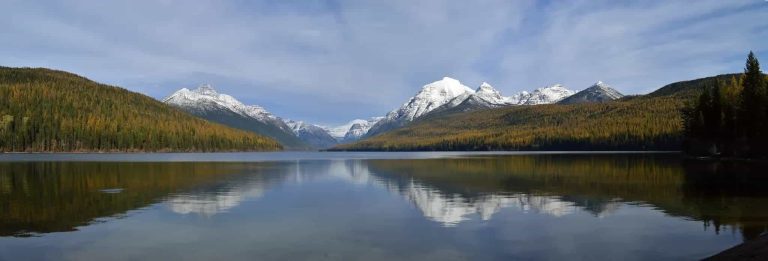
Few Glacier experiences deliver the same sense of scale as a boat tour on Lake McDonald, where the water mirrors the towering peaks above. In our experience, the quiet pace on the lake lets you notice details you might miss from the shore—lichen on cedars, slate-gray rock faces, and the way the valley carries echoes of the mountains.
We recommend booking ahead through the official Lake McDonald Boat Tour site or arriving at the dock early in the day to secure a spot during peak season. Tours typically last about an hour and include guided commentary on Glacier’s geology and history; in our trips, the guides’ local insights made the scenery come alive.
For visitors with mobility needs, the operator offers accessible options—check in advance about wheelchair-accessible vessels or alternative arrangements. Arriving early also helps you settle in and enjoy the more tranquil moments on the water before the crowds arrive.
From our perspective, dress in layers, bring sun protection, and pack a camera to capture the golden light on the water. A Lake McDonald boat tour is a quintessential Glacier experience that reveals the park’s wild beauty from a peaceful, water-borne perspective, perfect for our 5-day plan.
Plan Ahead

Glacier National Park can feel overwhelming at first glance, but a thoughtful plan is the gateway to its magic. In our experience, starting with the Going-to-the-Sun Road and its popular pullovers is easier when you lock in timed-entry or shuttle slots early, especially for peak dates. We’ve found that reservations made weeks in advance reduce the shuffle and help you focus on the scenery rather than tickets.
To make your 5 days count, map out a realistic sequence of must-see spots like Logan Pass, Two Medicine, and Hidden Lake, then secure lodging or campground reservations well ahead of time. We recommend staying inside the park when possible—the Apgar, Many Glacier, or St. Mary areas cut drive times dramatically and give you quieter mornings in the heart of the valley. For lodging or boat rentals, rely on the National Park Service reservation system to lock in your activities; these spots can fill up quickly in summer.
By planning in advance, you’ll minimize stress and maximize time for big views and memorable hikes. Based on our experience, prioritizing sunrise at Logan Pass and a boat trip on Lake McDonald keeps the day flowing smoothly, and you’ll still have energy for Hidden Lake Lookout in the afternoon. With a solid plan, you won’t miss iconic experiences like Hidden Lake or Logan Pass, and you’ll enjoy greater flexibility for weather changes and shifting crowds.
Be Prepared For Weather
Weather in Glacier National Park can surprise you faster than a thunderhead over the Many Glacier Valley. In our experience, a calm morning can flip to wind, cold rain, or hail within minutes, especially in the high country and along Going-to-the-Sun Road.
To stay warm, dry, and comfortable, pack versatile layers you can adjust on the fly: moisture-wicking base layers, a midweight fleece, and a waterproof, breathable shell. We recommend adding a pair of waterproof pants and a lightweight down sweater for chilly evenings at camp or on summit attempts. Always check the NPS weather forecast before big hikes or road trips, and adjust plans if a storm is looming.
Pro tip from our team: mountain weather is notoriously changeable at higher elevations. We keep a compact emergency rain poncho, a thin extra pair of socks, and a small heat source in our daypack on all hikes. If you’re driving over Going-to-the-Sun Road, plan for sudden gusts near ridgelines and keep the vehicle stocked with extra water and a charged power bank for weather alerts.
Don’t let a sudden squall derail your trip. Be flexible with daily plans, carry the right layers, and savor Glacier’s dramatic skies in every condition—they’re part of the park’s wild charm.
Wrapping up
Glacier National Park offers a once-in-a-lifetime chance to immerse yourself in pristine wilderness and dramatic mountain scenery. With 5 days, you can truly experience its iconic sights and hidden treasures, making every moment count.
Plan to start your mornings early—before sunrise if possible—to beat the crowds at popular spots like Logan Pass and Hidden Lake. Don’t forget to pack layers and rain gear, as weather can change suddenly in this alpine environment.
Take time to explore lesser-known areas such as the Two Medicine Valley or the Many Glacier region, which often feel like your own private paradise. Remember to stay hydrated and carry your park map or download offline maps for seamless navigation.
By balancing iconic drives, scenic hikes, and quiet moments, you’ll leave Glacier with unforgettable memories. Keep an eye out for wildlife, and don’t hesitate to ask rangers for insider tips—they’re eager to enhance your adventure.