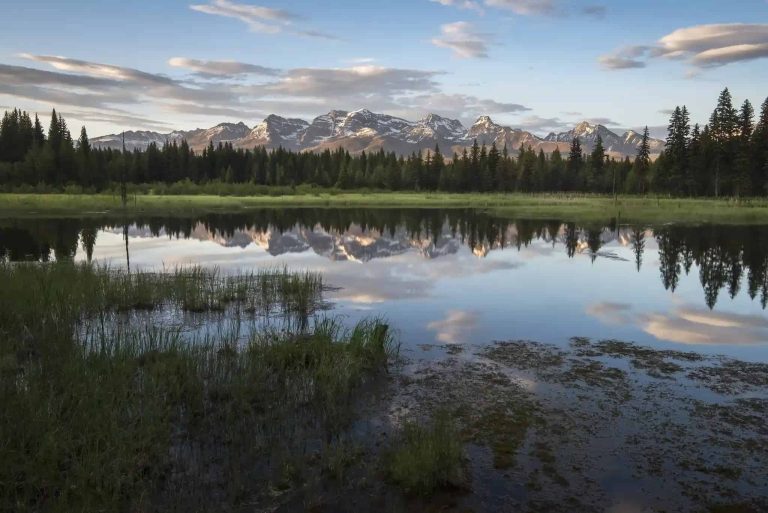
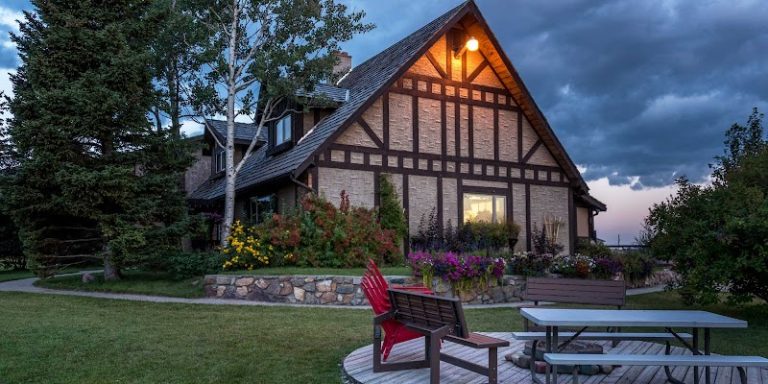
7 Essentials On Planning A Trip To Glacier National Park
Glacier National Park isn’t just a destination—it’s a frontier of towering peaks, glacial lakes, and trails that reward early risers. In our experience, the best trips start with a concrete plan: choose a core base, then carve in day trips to iconic spots like Logan Pass, Many Glacier, and Two Medicine before crowds swell.
We recommend starting at Apgar or St. Mary to get your bearings, pick up current trail data from the NPS and park rangers, and lock in lodging or campsites early. For a balanced visit, plan a two-night stay near the Lake McDonald area and a second stay near Many Glacier; this reduces driving time and unlocks quieter trailheads like Fishercap Lake or the automate-free sections around Swiftcurrent Lake. In our experience, parking at Logan Pass early (before 7:30 a.m.) dramatically improves your chances of snagging a spot for the Hidden Lake Trail.
From our perspective, having a clear daily plan matters as much as a sturdy pair of hiking boots. We’ve found that combining an easier morning hike with a more ambitious afternoon route—such as an easy stroll along the Flathead River followed by an alpine scramble near Granite Park Chalet—delivers the park’s best contrasts. We also recommend packing bear spray, a map, and layers for big temperature swings on ridgelines, and checking current conditions at the Apgar or St. Mary Visitor Centers before you go.
Choose What Areas you want to visit
Glacier National Park feels like several parks in one, and that variety is part of its magic. In our experience, the park’s landscape splits naturally into the Going-to-the-Sun Corridor, the Many Glacier area, and the flatwater-and-forests of Lake McDonald, each with its own pace and highlights. Knowing what each region offers helps you tailor a trip that hits your must-sees without chasing crowds across the map.1
From our last two visits, we’ve found that some spots shine at different times of year. The Going-to-the-Sun Road is iconic, but limited openings (often from late May into October) and occasional rockslides can reshuffle your schedule. Many Glacier rewards early starts with calmer trails and closer wildlife sightings, while Lake McDonald stays lively with lodge-accessible views and family-friendly paths even on busier days.
Practical planning tips we recommend: map your basecamp around one core hub to minimize daily driving—West Glacier for easy access to Lake McDonald, St. Mary for Many Glacier adventures, or a backcountry permit if you want timely access to summit vistas. Check current road status on the NPS site before booking, and have a backup day for Going-to-the-Sun Road if weather or construction closes portions of the route. In our experience, booking accommodations near your chosen hub and timing hikes for sunrise or late afternoon helps dodge crowds and heat. For exact area highlights, start with the Glacier placestogo guide and then tailor your route to your interests, whether alpine glaciers, tranquil lakes, or jagged peaks.
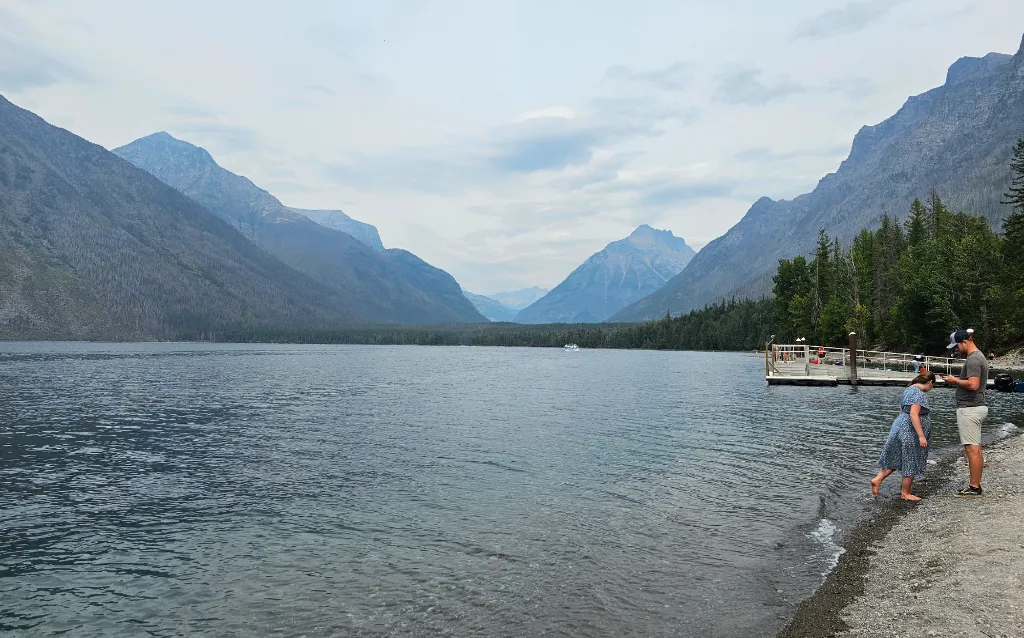
Lake MCDonald Valley
Glacier’s Lake McDonald Valley welcomes you with a postcard-perfect start to any visit—and we’ve found a few ways to make the most of it before the crowds arrive.
In our experience, park at the Lake McDonald Lodge area or the Apgar Village lot for the easiest access to Going-to-the-Sun Road. Arrive around sunrise or weekdays in late spring to beat the biggest queue at the West Glacier entrance. We recommend budgeting extra time for a quick stop at McDonald Creek for reflections, then hitting trails before parking fills up.
For hikes, Avalanche Lake via the Trail of the Cedars is a reliable morning option during shoulder seasons, while the Trail of the Cedars itself is a shorter, family-friendly warm-up. If you’ve got daylight to spare, we love the Lake McDonald Trail to Bowman Lake for a longer, quieter alpine feel—sound advisories from NPS note mountain weather can shift quickly, so start early and check road status on Going-to-the-Sun Road. In our experience, staying near Apgar or Lake McDonald Lodge gives you quicker access to ferries or shuttle options and helps you avoid long drives after a long day on trails.
St. Mary Valley
Hook: In our experience, St. Mary Valley isn’t just a gateway to Going-to-the-Sun Road — it’s a destination that deserves its own time and pace. The overlook stops draw crowds, but the valley offers intimate trails, quiet viewpoints, and wildlife moments that are easy to miss if you rush through.
What we’ve found: arrive at the St. Mary Entrance early and park at the St. Mary Visitor Center lot or the nearby pullouts along Going-to-the-Sun Road. From there, the best experiences aren’t the quick photo ops; they’re the slower climbs and shaded corners along the St. Mary Canyon and the lakeside viewpoints near Saint Mary Lake. We recommend pairing a lake-view stroll with a short, lower-traffic detour to a secondary overlook for sunset silhouettes over the water.
Safety and practicality: stay on established trails, keep a respectful distance from wildlife, and carry bear spray where required by park guidelines. Weather can shift quickly in this valley; in our experience, mornings are cooler and clearer, while afternoons can bring changing winds and clouds that obscure the peaks. The valley is a true effort-and-reward zone, not just a photo stop, so plan a half-day to explore thoughtfully.
From our experience, the best plan is to start with the St. Mary Lake overlook at sunrise, then loop into a quieter trail along the valley floor before returning for a late lunch at the St. Mary Visitor Center. We recommend checking current road status and closures on the official NPS Glacier NP page before you go, as Going-to-the-Sun Road can have seasonal closures that affect access and parking.
Many Glacier Valley
On our best visits, Many Glacier Valley has proven that the East side isn’t just iconic—it’s the park’s best-kept secret for those who want big-value hikes without the crowds. We’ve found that the charm starts with the view from Many Glacier Hotel and Swiftcurrent Lake, but the real payoff is the hiking: Grinnell Glacier Trail, Cracker Lake via the Grinnell Lake Trail, and the surrounding lakes offer some of Glacier’s most dramatic scenery.
From our experience, don’t just stroll the boardwalk by the hotel—pinpoint the Swiftcurrent Lake trailhead and plan for a longer day. Parking is limited at peak times, so we recommend arriving before 8 a.m. and using the park’s Bear Management guidelines. We’ve also learned that early starts reduce crowding and wildlife encounters can be safer when you’re moving steadily rather than waiting at overlooks.
Seasonal note: the valley can feel busier in July, but shoulder seasons (late spring or early fall) bring quieter trails and still-remarkable colors. Always check current conditions with the NPS Glacier site before you go, and consider a ranger-led program to gain local, up-to-date insights. In our experience, the best balance of scenery and solitude comes from pairing a dawn hike around Swiftcurrent Lake with a late afternoon return along the same trail to catch golden-hour reflections on the water.
We recommend keeping a flexible plan: if Grinnell Glacier Trail is crowded, pivot to Cracker Lake via the Grinnell Lake Trail or explore the many short loops around the lakes. And whatever you choose, stay alert for wildlife and follow food-storage regulations—we’ve seen bison and bears in this valley, especially in late summer. This area is every bit as spectacular as the more famous fronts, and with a little planning, it can be your Glacier highlight.
North Fork
For wildlife lovers who want a reward for a little extra driving, North Fork is our favorite hidden corner of Glacier. The dirt road to this area can be rough, but the payoff is dramatic—elk along shoreline coves, moose at dawn, and views that make the park feel remote. In our experience, the best light is just after sunrise along Kintla Lake and the meadowed slopes above the North Fork of the Flathead.
Access from the Polebridge entrance is the key to this area. Once you hit the North Fork Road, expect gravel, occasional washouts after spring thaws, and variable speeds. We’ve found that parking at the Kintla Lake trailhead and entering on foot during weekday mornings helps you beat the crowds and catch that quiet, misty shoreline mood. Remember to check current NPS road advisories before you go and bring a spare tire—conditions can shift with weather.
Two Medicine Valley
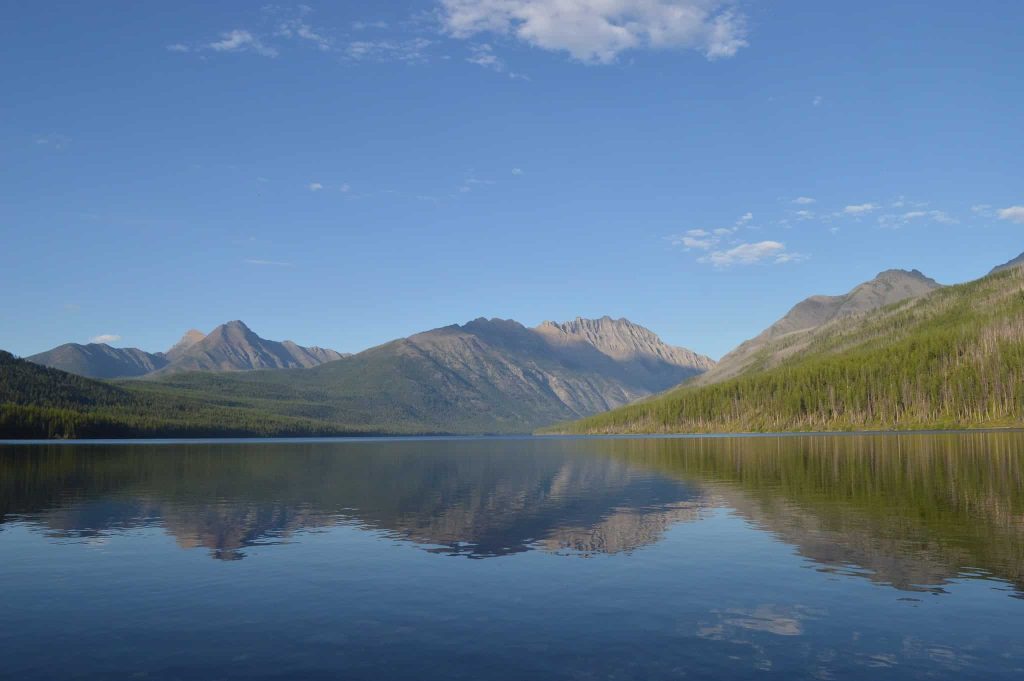
If peace is what you need, Two Medicine Valley is exactly where we unplug and reboot. In our experience, this quieter corner of Glacier National Park hosts just 6% of the park’s visitors, making it ideal for slow mornings by Two Medicine Lake and bite-sized hikes that never feel crowded. We recommend starting with a relaxed stroll along the lakeshore and planning a mornings-only boat tour to experience the valley from the water.
Pro tips from our team: arrive at the Two Medicine North Boat Dock by 7:30–8:00 am to snag parking and a spot on the first boat departure—these fill up quickly in season. Book your boat tour through Glacier National Park’s concessionaire well in advance, and bring a light layer—the lakeside breeze can be cooler than it looks. For a quick payoff on land, pair the boat with the short Running Eagle Falls trail from the Two Medicine area for a shaded, easy connector back to the lake.
Plan your Hikes
In our experience planning Glacier hikes, choosing your days around light crowds and favorable weather windows can dramatically boost the solitude and scenery you’ll enjoy. On our last visit, we kicked off Cracker Lake Trail at sunrise and watched the lake glow as the peaks caught alpenglow—worth every early alarm. Here are our top strategies for building your hike days.
We recommend mixing Glacier’s iconic routes with a flexible, day-by-day plan. Check current trail conditions and closures from the NPS and the official park app; conditions can change quickly with spring runoff or seasonal restrictions.
- Start Cracker Lake Trail by 6:30–7:00 AM in peak season to avoid crowds and improve wildlife viewing.
- Plan 4–6 hours for Cracker Lake (out-and-back is about 11.5 miles with ~1,100 ft of elevation gain); bring extra layers, snacks, and plenty of water.
- Monitor Going-to-the-Sun Road status; in late spring the road can close near Logan Pass, which may shift your day’s itinerary.
- Carry bear spray where permitted and store food properly; Glacier wildlife activity varies by month, and correct storage reduces encounters.
Cracker Lake Trail
Cracker Lake, tucked in Glacier’s Many Glacier area, is the kind of view that makes you stop mid-step and just breathe. In our experience, the lake’s electric blue glow looks even more vivid in real life than the photos—and it changes with the light, so we recommend visiting at sunrise or late afternoon for the best color. The hike feels long but is mostly steady, and the payoff at Cracker Lake is absolutely worth it.
Avalanche Lake Trail
If you’re chasing a true Glacier blockbuster, Avalanche Lake in Lake McDonald Valley delivers. We love how the hike begins along the Trail of the Cedars, where towering cedar trunks and shaded switchbacks set a calm pace before the real payoff arrives.
In our experience, give the cedar groves a thoughtful pause—the texture of the trunks, the scent of the needles, and the soft light are worth it. We recommend starting early to beat weekend crowds, and parking at the Trail of the Cedars Trailhead lot for the smoothest access. When you reach Avalanche Lake, the view—waterfall, glacial-tinted water, and dramatic peaks—almost always earns a few rounds of “wow.”
Practical tips from our trips: wear sturdy footwear for a rocky approach, and bring a lightweight jacket for the lakeshore breeze. If you’re up for a swim, check water conditions and stay within designated areas; many of us have enjoyed a quick dip on warm afternoons, but the water is icy year-round. We also keep bear-smart practices in mind during busy months and store food properly at the trailhead to minimize wildlife encounters.
St. Mary Falls
Hook: St. Mary Falls on the Virginia Falls Trail is one of those hidden-reward moments you don’t want to miss, especially on a calm morning when the spray cools the air. In our experience, the triple cascade feels almost cinematic as you cross the small bridge above the pool below, with mist kissing your cheeks and the behind-the-water roar right beside you.
We recommend starting before mid-morning to dodge the bigger crowds and to catch the light on the falls just right. The official trail data places St. Mary Falls along the Virginia Falls loop; plan roughly 0.5 miles beyond the Forks Lookout turnoff to reach the falls, with sturdy footwear and a light, fast-drying layer. For safety, stay on the bridge and viewing rock—water is powerful, and the downstream current near the edge is stronger than it looks. If you’re hungry for more, extend to Virginia Falls via the same trail when conditions permit, but always check current park advisories first.
3. Planning Your Perfect Stay in Glacier
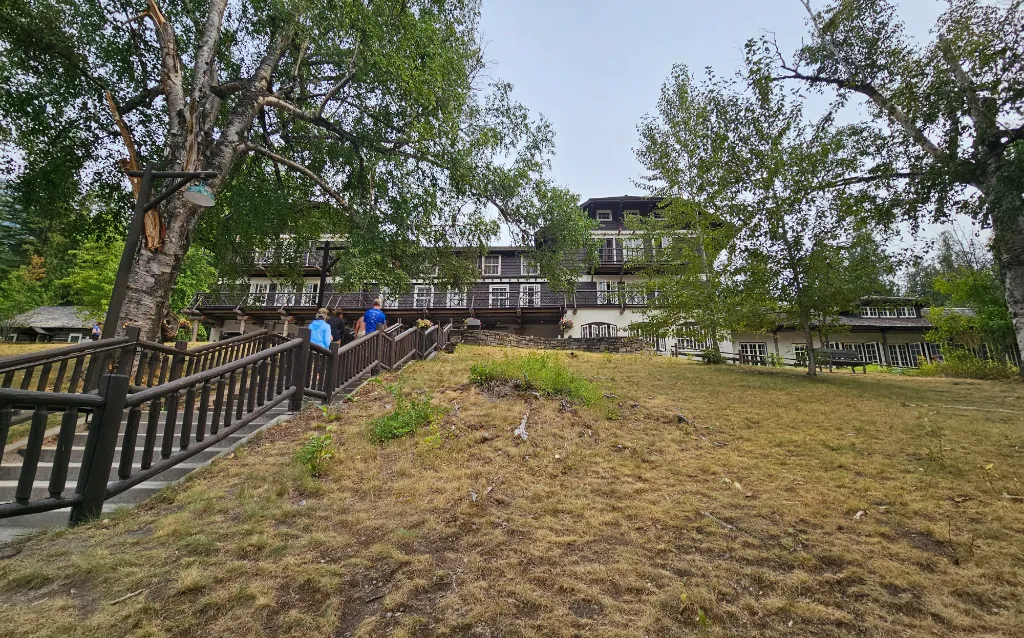
After a day of chasing Glacier’s iconic views, a stay that truly feels like home can elevate your trip. In our experience, choosing lodging inside the park—like Lake McDonald Lodge—or nearby options on the West Glacier side makes early-morning trail starts easier and evenings quieter. What we’ve found: proximity matters when you’re balancing long days on Going-to-the-Sun Road with sunset viewpoints on Lake McDonald.
We recommend weighing two things: inside-park ease and the chance for a quieter night. Inside options offer closer access to famed trails and fewer long drives, while West Glacier and Polebridge provide cheaper stays with reliable shuttle or car access when roads are clear. In our experience, book as early as possible and check seasonal road status for Going-to-the-Sun Road before you lock dates.
Inside the Park Lodging:
Staying inside Glacier National Park transforms a trip from a vacation into an immersive experience. In our experience, waking up steps from the park boundary and hearing every night-time sound is priceless. The Lake McDonald Lodge sits right on the shore of Lake McDonald, and we’ve found that requesting a lake-view room whenever possible pays off with sunrise reflections and easier access to the pier for morning wildlife watching.
The historic Many Glacier Hotel offers a different kind of magic—quiet, iconic architecture, and front-row access to some of the park’s finest trails. We recommend planning well in advance: these rooms and suites book up quickly, especially June through August. If you’re driving, expect limited parking during peak season and aim to arrive early; for dining, we’ve learned to reserve a table in advance or show up just before opening to minimize wait times. According to NPS lodging guidance, on-field options fill fast, so our strategy is to lock in dates at least 9–12 months ahead when possible and adjust plans if a modern room isn’t available.
Camping Under the Stars:
Stargazing from Glacier’s backcountry campsites is the kind of experience we chase, and camping here lets you wake to wisps of early light over the peaks. In our experience, Apgar and Two Medicine offer distinct perspectives: Apgar puts you along Lake McDonald’s edge with easy access to the shore, while Two Medicine delivers a quieter, more intimate valley setting. We’ve found both are exceptional if you secure a spot early, as these campgrounds consistently draw crowds.
For plan-ahead tips: book as far in advance as the park allows, and check the latest fire restrictions and bear-storage rules on the official Glacier National Park pages. We recommend arriving by early afternoon on arrival day to claim a preferred site—Two Medicine, in particular, tends to fill up fast on weekends, and Apgar’s lakeside loops are popular with families and photographers alike. Each campground has its own feel, so pick based on whether you want lakefront access or a quieter, forested vibe.
What we’ve found works best: prepare for variable weather, store food in bear canisters or provided bear boxes, and observe quiet hours to minimize wildlife disturbances. If accessibility is important, we lean toward Apgar for shorter approaches and smoother parking, while Two Medicine is our top pick when we’re chasing solitude under the stars. Either way, check today’s NPS alerts before you go, as conditions and closures can shift with the seasons.
Staying Outside the Park:
Staying outside Glacier National Park can put you in prime position to maximize your time on the trail without sacrificing park access. In our experience, Whitefish and Kalispell offer a great mix of dining, gas, and lodging options while keeping you a short drive from West Glacier and the park’s iconic entrances.
Tips for Your Stay:
- Book Early: As with any Glacier visit, lodging fills fast, especially for weekends in peak season. We recommend securing your stay 6–12 months out if possible, and monitoring cancellation policies closely.
- Plan for Park-Side Betterment: If your itinerary centers on Going-to-the-Sun Road or sunrise hikes, pick a base in Whitefish or West Glacier to minimize early-morning drives. If you’ll focus on the Many Glacier or Two Medicine areas, Kalispell-area stays can still work with a plan for later park-entry times.
- Be Prepared for Shuttles and Seasonal Access: The park’s shuttle services and seasonal road operations can shift year to year. In our experience, double-check current NPS updates and reserve any shuttle slots or guided tours in advance to avoid missing your preferred trailheads.
Finding the right place to call home during your Glacier visit adds an extra layer of enjoyment to your adventure. Whether it’s the rustic charm of a lodge, the quiet of a tent site outside the park, or the comfort of a nearby town, your ideal basecamp awaits—and with our tips you’ll spend less time commuting and more time hiking.
4. Navigating the Iconic Going-to-the-Sun Road
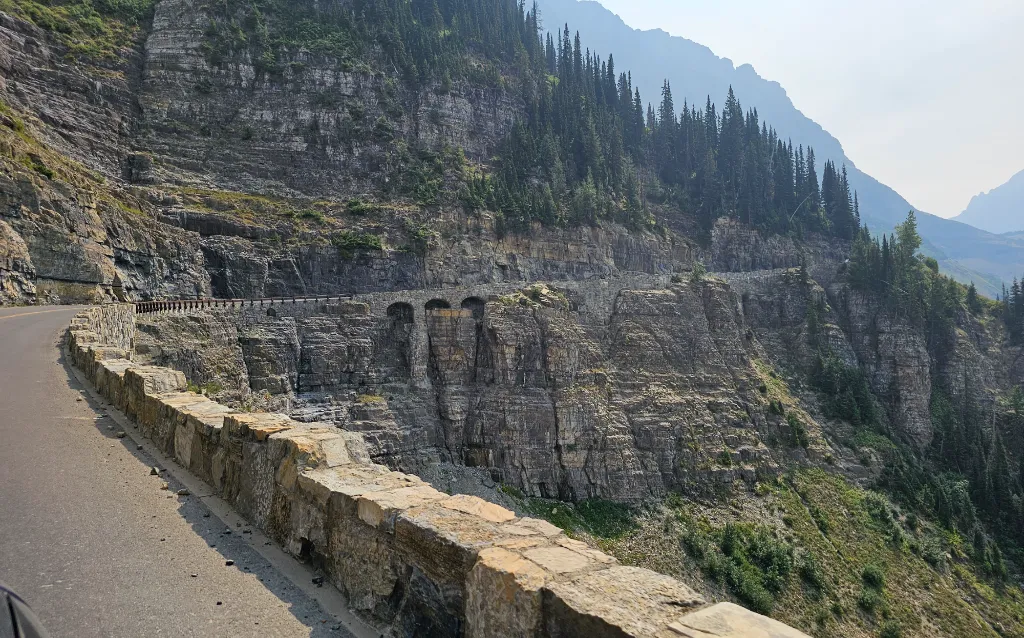
Driving the Going-to-the-Sun Road is more than a scenic drive; it’s Glacier’s heartbeat on wheels. In our experience, the 50-mile route reveals glaciers, waterfalls, and alpine meadows in a way that no other park road can. Here are our practical tips to savor every mile without the rush.
- Timing is key: We’ve found the best window is late morning to early afternoon, after most winter closures have eased but before peak crowds swell. The road typically opens from late June to mid-October, weather permitting; check the Park Service alerts for exact dates before your trip.
- Vehicle smart routing: If your rig is longer than 21 feet or wider than 8 feet, plan for the Inside North Fork or Apgar areas as entry points and drive sections in daylight to avoid glancing turns in tighter sections. Remember, several pullouts are narrow enough that wider vehicles should proceed with extra caution.
- Make the most of pullouts: Don’t rush past the overlooks. In our experience, the Logan Pass area (the road’s high point) offers a cluster of viewpoints and, in season, active wildlife viewing. Park at the first available pullout, then walk short, easy loops (Hidden Lake, if conditions allow) for a calmer experience away from bumper-to-bumper traffic.
- Fuel and supplies: There are no gas stations along the Going-to-the-Sun Road. We recommend topping off at St. Mary or West Glacier before departure and carrying a small extra water and snack kit for opportunities at pullouts where animals or hikers slow traffic.
Going-to-the-Sun Road is a journey through Glacier’s essence—peaks, valleys, and the occasional wildlife sighting frame every turn. In our experience, the slow pace, patient drivers, and thoughtful stops yield the most memorable moments. Take your time, respect the wildlife and weather, and let the road unfold your Glacier story.
5: Embrace the Trip with Can’t-Miss Activities
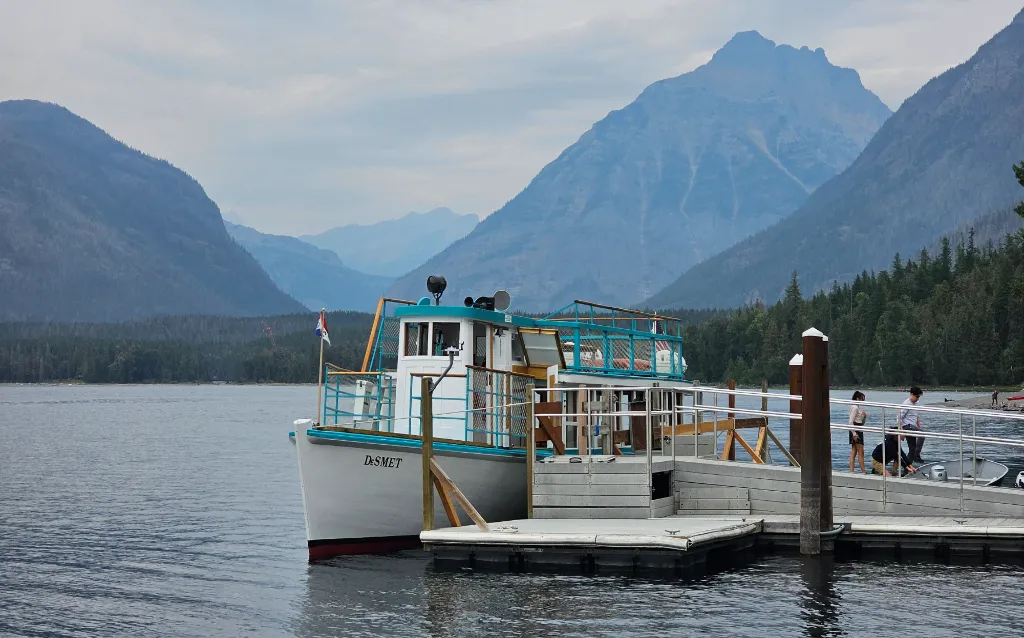
When you step into Glacier National Park, you’re not just chasing overlooks—you’re chasing moments that stay with you. In our experience, the best adventures often happen off the trail, in small, thoughtful experiences that reveal the park’s character. Here are five can’t-miss activities to weave into your itinerary.
- St. Mary Boat Tour: On our last visit, we found the St. Mary Lake tour to be the most serene way to view the bergen and peak geometry that defines the northeast quadrant. Book early (days before your planned ride) and aim for the 9:30 or 11:00 departures to dodge the midday heat and crowds. The calm water gives photographers a chance to frame Mount Siyeh with crystal reflections.
- Lake McDonald Boat Rentals: Renting a rowboat or paddleboat on Lake McDonald offers a different perspective from the shoreline trails. We recommend launching from the Boat Dock near the McDonald Lodge, where parking is usually easiest in the shoulder season. Bring a light picnic and a blanket; there are quiet coves perfect for a midday break with mountain shadows on the water.
Other Activities to Consider:
- Guided Nature Walks: Our guides appreciate the late-morning strolls that focus on montane flowers and alpine lichens. Ask the ranger for a park-specific plant list to spot species you may overlook on your own.
- Night Sky Programs: Glacier’s dry air in summer makes for exceptional star visibility. We’ve found the best views are after 10 p.m., away from boat-launch lights; check the park schedule for telescope programs or guided constellations.
Each activity adds depth to your Glacier trip, turning a sequence of sights into a layered experience. From peaceful boat reflections on Lake McDonald to the storytelling of guided walks, these moments help you connect with Glacier’s history and habitat. In our experience, these small, intentional choices are what transform a standard visit into a memorable journey.
6. Savor the Flavors: Dining Around Glacier National Park
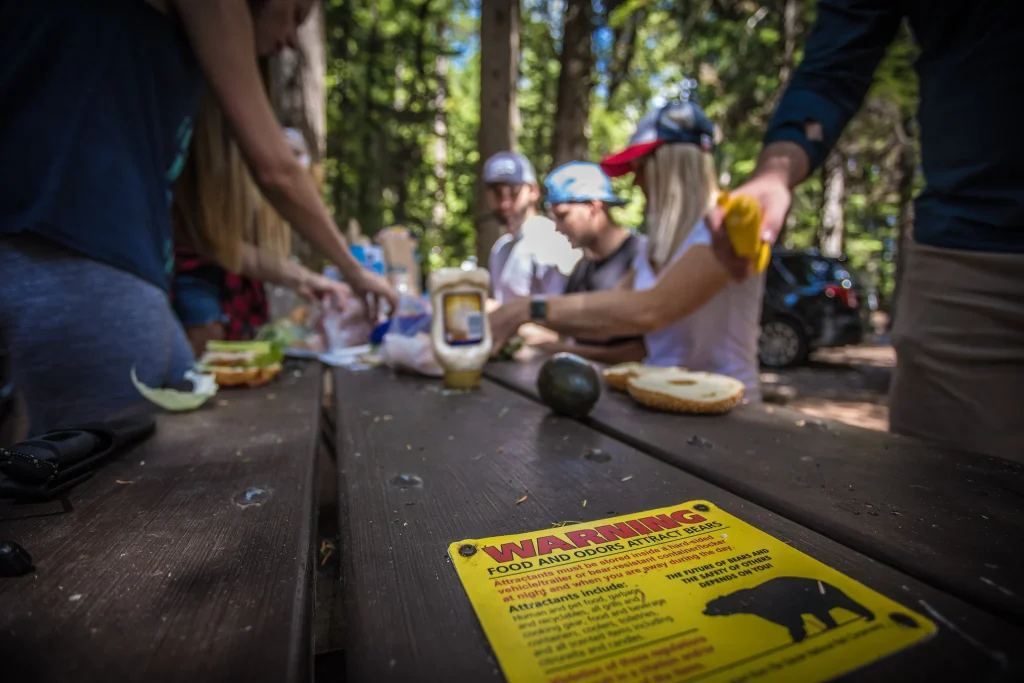
Glacier isn’t just about jaw-dropping scenery—it’s a destination for memorable Montana dining. After a day on the trails or on the lakeshore, these spots deliver meals that feel as epic as the views. In our experience, the best dining blends local ingredients, Montana history, and a touch of alpine charm.
- Belton Grill Dining Room & Tap Room: At the Belton Chalet, we’ve found the Montana cuisine stands out when you opt for the seasonal menu highlighting regional organic ingredients. Expect Montana-raised beef, fresh fish, gluten-free options, and a solid craft beer list. Reserve a table if you’re visiting peak season, and consider indoor dining with a sunset view or outdoor seating in summer.
- Josephine’s Speakeasy: This hidden gem inside a historic cabin offers craft cocktails that pair perfectly with Montana microbrews. In our experience, it’s best after a long day of exploration—arrive early to snag a seat, as it fills up quickly on weekend evenings and during Shoulder Season events.
- Russell’s Fireside Dining Room at Lake McDonald Lodge: This dining room is known for a generous buffet and waterfront ambiance. From our visits, we recommend arriving before sunset for the best lake views, and budgeting a bit more time if you’re catching live music—table service is steady but can slow down during peak times.
Pro tips from our crew: call ahead for reservations, especially for Belton Grill and Russell’s, and check seasonal hours on official park sites as before-you-visit details can shift. Parking around Lake McDonald Lodge can be tight in peak season, so plan to arrive 20–30 minutes early. We also recommend trying the Belton Chalet’s outdoor seating when weather allows—the mountain air pairs perfectly with Montana fare.
7. Picking the Perfect Time: When to Visit Glacier National Park
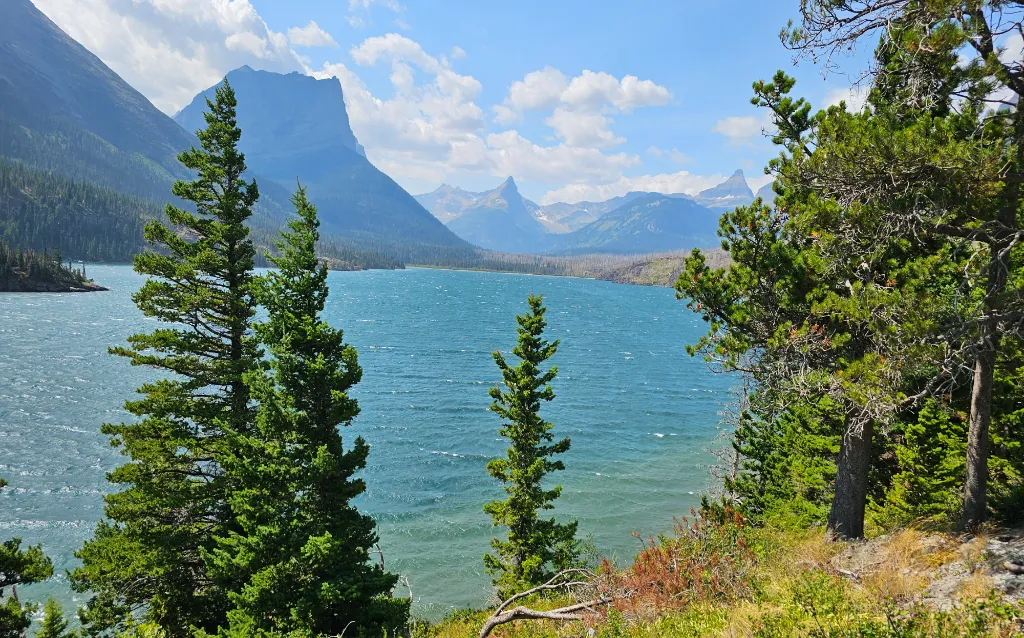
Choosing the right time to visit Glacier National Park can shape your whole trip. In our experience, timing matters as much as the scenery—each season has its hidden strengths and its trade-offs. Here’s a practical, season-by-season guide with exact tips you can use on your planning checklist.
- Summer (June to August): This is peak season. We recommend booking accommodation and Going-to-the-Sun Road passes at least 6–8 weeks in advance. Expect long hikes, wildlife sightings, and full access to most trails. Our tip: start early from Logan Pass or St. Mary to beat heat and crowds, and carve out a sunrise drive along the Going-to-the-Sun Road to avoid traffic delays.
- Fall (September to October): Fall is our favorite shoulder season for photography and solitude. The colors peak in mid-September in many valleys, but weather can swing quickly. After Labor Day, some facilities close—plan to pack a compact two-night sample itinerary and stock up in West Glacier or Polebridge before you head into the backcountry.
- Winter (November to March): Winter transforms Glacier into a quiet, snowy wonderland. We’ve found snowshoe and cross-country routes near Apgar and Polebridge to be magical with stable conditions after mid-December. Road access is limited; plan for snowmobile or snowcoach transport if you’re chasing backcountry access, and check NPS alerts for road closures on the east and west entrances.
- Spring (April to May): Spring is slow to wake. We recommend targeting lower-elevation trails first, like the McDonald Creek area, while Going-to-the-Sun Road remains closed. Be ready for mud, lingering snowbanks, and occasional road detours. If you’re chasing wildlife, late April through early May often yields elk and bear activity near lower elevations.
Tips for Visiting:
- Check the Park’s Website: Before you go, verify road statuses, trail conditions, and facility openings on the official Glacier National Park site. We’ve found last-minute changes common in shoulder seasons, so bookmarking the page helps.
- Be Flexible: Weather can flip in minutes, especially in spring and fall. Our approach is to build a core plan (must-do hikes, must-see overlooks) and a flexible backup day for weather shifts.
Selecting the best time to visit Glacier National Park comes down to what you want: wildflower blooms, quiet snowfields, or big-sky road adventures. In our experience, a mid-September visit balances color, wildlife activity, and manageable crowds, with solid accessibility to Going-to-the-Sun Road before winter closures demand full stop.
With all these tips, you’re ready to tailor a Glacier trip that fits your pace and priorities. We’ve found that a well-timed trip—whether the sun-warmed mornings of summer or the crisp, quiet days of late fall—delivers the most memorable Glacier experiences. Safe travels, and may your plans align with the weather gods for an unforgettable journey.
Written by the YourNPGuide team — outdoor enthusiasts and former park service staff dedicated to helping you plan unforgettable national park adventures.
Wrapping Up
Armed with these seven essential tips, you’re now ready to embark on your journey to Glacier National Park. From exploring its vast landscapes to savoring the local cuisine, each step of your adventure is sure to be filled with awe-inspiring moments and unforgettable experiences. Remember, Glacier is more than just a destination; it’s a gateway to discovering the natural beauty and the adventurous spirit that lies within us all. So pack your bags, lace up your boots, and set out to explore the wonders of Glacier National Park. Adventure awaits, and the stories you’ll bring back are yours to cherish forever.
Ready to make your dream trip a reality? Don’t forget to book through our links, ensuring you get the best deals while supporting our guide. Happy travels!