10 Tips On How To Plan A Road Trip For Beginners
Planning a road trip should feel exciting, not overwhelming—start with a spark, not a spreadsheet. In our experience, the best trips begin with a clear vibe: alpine meadows, coastal tides, or quiet forests, then you backfill the details to fit that mood.
Whether you’re chasing long-distance adventures or a relaxed loop through your own region, there’s a perfect road trip waiting for you. We’ve found that choosing a core theme (city-to-park, beach-to-backcountry, or scenic byways) helps you decide how many days to allocate and where to rest each night.
The first step is deciding what kind of trip you want to take. Do some targeted destination research, list must-see spots, and note the best times to visit each—crowd levels and seasonal closures can change your route completely. We recommend using a simple mapping sheet to map daily driving miles, drive-time, and preferred campgrounds or hotels.
In our experience, we especially love including a national park stop if possible, but you don’t have to; just pick a landmark you’re excited about and build around it. Once you have a rough idea of where you’ll go, start outlining the core route and nightly stops before you dive into reservations.
This includes plotting your route with realistic daily miles, identifying must-see attractions, and noting where you’ll stay—campground loops, lodge cabins, or comfy motels. We’ve found that securing critical dates early (campground permits, park reservations, or lodging) saves last-minute stress and often lowers costs.
If this feels like a lot, don’t worry—there are great resources that can help simplify the process. From our experience, a simple checklist (permits, vehicle prep, packing list, contact numbers) keeps you flowing smoothly, even if plans shift on the road. With a bit of prep, you’ll be ready for an adventure that’s uniquely yours!
What Is So Hard About Planning A Road Trip?

What makes a road trip truly memorable starts long before you pull out of the driveway. In our experience, the best trips begin with a crisp, two-page plan: a primary route, a couple of backup detours, and a realistic daily pace that leaves room for discovery.
We recommend building your route in three layers: a primary path, a handful of must-see side stops, and two backup days in case weather or road work upends your schedule. For actionable planning, pin your start and end towns, then identify fuel stops and reliable dining spots along the way. From our experience, having a warm shower and a clean campground or hotel reserved two weeks ahead keeps the trip calm and flexible.
From our gear kit to your timing, we’ve found these basics save headaches: download offline maps, pack a lightweight paper map as a fallback, and keep a small emergency kit in the car (jumper cables, flashlight, first-aid, and a tire-changing setup). We also suggest a pre-trip vehicle check—tire tread, fluids, and brakes—so you’re not surprised by a roadside repair in a remote canyon or at a high-altitude pass.
Seasonal nuances matter, too. In our experience, shoulder seasons bring thinner traffic but higher weather variability; always check park advisories and road statuses a day before you depart. According to NPS guidelines, factor in extra time for seasonal closures and wildlife hotspots near popular overlooks—adjust your expectations, not just your itinerary.
In the end, the thrill of discovery outweighs the planning fatigue. We’ve found that a flexible, well-supported plan lets you savor viewpoints, roadside pullouts, and small-town meals without feeling tied to a rigid clock. Our top pick is to reserve your key stays early, then leave one free day to chase a sunset at a single, iconic stop you’ve researched ahead of time.
Step-by-Step Instructions to planning A Road Trip For Beginners
 Glacier National Park">
Ready to hit the open road? In our experience, the most enjoyable trips start with a clear, bite-size plan rather than a giant, unattainable checklist. This guide is written to help you turn overwhelm into a simple, actionable sequence.
.kb-table-of-content-nav.kb-table-of-content-id2925_3195da-81 .kb-table-of-contents-title-wrap{padding-top:0px;padding-right:0px;padding-bottom:0px;padding-left:0px;}.kb-table-of-content-nav.kb-table-of-content-id2925_3195da-81 .kb-table-of-contents-title{font-weight:regular;font-style:normal;}.kb-table-of-content-nav.kb-table-of-content-id2925_3195da-81 .kb-table-of-content-wrap .kb-table-of-content-list{font-weight:regular;font-style:normal;margin-top:var(–global-kb-spacing-sm, 1.5rem);margin-right:0px;margin-bottom:0px;margin-left:0px;}
This is where we start: pick 2–3 anchor points (a city to begin, a national park to end, and a couple of must-see stops in between). We recommend a rough daily goal of 4–6 hours of driving, with buffer days for weather, detours, and roadside discoveries. In our experience, drafting a simple route map keeps the trip flexible and fun.
Then lock in essential logistics early—campgrounds or lodging, park pass needs, and a printable or offline map. We’ve found reserving key nights 6–8 weeks out in peak season saves you last-minute scrambling. We also keep a spare backup plan for each chosen night in case darkness falls sooner than expected or weather moves in.
1. Where Do You Want To Go?
 bowman lake How To Plan A Road Trip For Beginners">
We’ll start with a bold hook: the right destination can make or break a first road trip. In our experience, narrowing your options to two or three must-see spots lets you compare routes, costs, and seasonal realities without feeling overwhelmed.
Do some targeted research on your top picks: what attractions you don’t want to miss, typical weather for your travel window, and any seasonal closures that could affect your plans. According to NPS data and park advisories, weather and road conditions can shift quickly—so check park websites and the official NPS trip planning pages before you commit.
Once you’ve chosen a destination, we recommend mapping a realistic route and locking in accommodations through the park’s official reservation system when possible. In our experience, listing 1–2 backup lodging options and noting nearby alternatives helps you stay flexible if a campground fills up or a road is temporarily closed.
We’ve found that plans rarely survive the first day exactly as written, but that’s not a fail—it’s part of the adventure. Build buffer days into your schedule and stay ready to pivot to a nearby overlook or a shorter hike when weather or crowds surprise you.
Keeping a destination in mind gives your trip a clear spine—allowing you to gauge driving times, plan breaks at standout viewpoints, and decide which gear to bring. Our top picks usually align with a specific park, a couple of scenic byways, and a reliable campground or nearby lodging—so you’re not chasing too many moving targets at once.
2. Plan Your Road Trip Route
One of our first moves is to pin the destination and map out the likely stopping points well in advance. In our experience, this helps prevent backtracking and keeps driving time reasonable for beginners.
We’ve found that starting with the final stop, then tracing multiple return routes, reveals practical options you’d miss with a simple “detour later” plan. Use Google Maps as a baseline, then compare alternatives by travel time, fuel stops, and turn-off availability for scenic pulls.
When we settle on a route, we like to add reliable rest spots and favorite eateries into the plan. Our go-to list includes a balance of quick-service stops and quieter diners—places with easy parking and a family-friendly vibe.
Keep an eye on construction zones and typical weather delays; in our experience, seasonal road restrictions can add hours if you’re not prepared. We recommend checking local road advisories a week before departure and day-of status updates from the park’s official traffic page.
By building a route with built-in buffers, you’ll enjoy smoother days on the road and more time for surprises—without sacrificing essential viewpoints or wildlife stops.
3. Where Are You Going To Stay?

We’ve learned that where you sleep can define the pace and comfort of your entire trip. The first question to answer: hotel, campground, or a friend’s couch? In our experience, a mix often works best—a couple of nights in a hotel near the city highlights, plus a few camp nights to reset in nature.
For hotels and motels, we recommend booking refundable rates and checking exact driving times to park entrances. We’ve found that staying 15–25 minutes from the main gate often saves money and reduces morning commute stress, without adding hours to your day. Look for places with guest laundry and free breakfast if you’re on a longer loop.
Camping offers immersion without breaking the budget, but sites can vanish fast in peak season. On our last visit to Zion or Yosemite corridors, state park campgrounds filled within hours—book through Recreation.gov as soon as slots open. If a campground is full, consider nearby BLM land or established tent sites just outside the park boundary for quieter mornings.
Shortcut tip from our experience: call ahead to ask about quiet hours, campground host tips, and parking arrangements. If you’re traveling with kids or sensitive sleepers, a 2–3 person hotel room on weekdays can be a calmer alternative to busy weekends. Whichever option you choose, locking in lodging early keeps costs predictable and stress low.
Overall, we recommend reserving a base that minimizes daily driving while still letting you wake up at or near the park’s highlights. Our top pick is a balanced approach: a reliable hotel for city access and a nearby campground for nature days—giving you the best of both worlds without sacrificing spontaneity.
4. Will You Be Driving Straight Through?
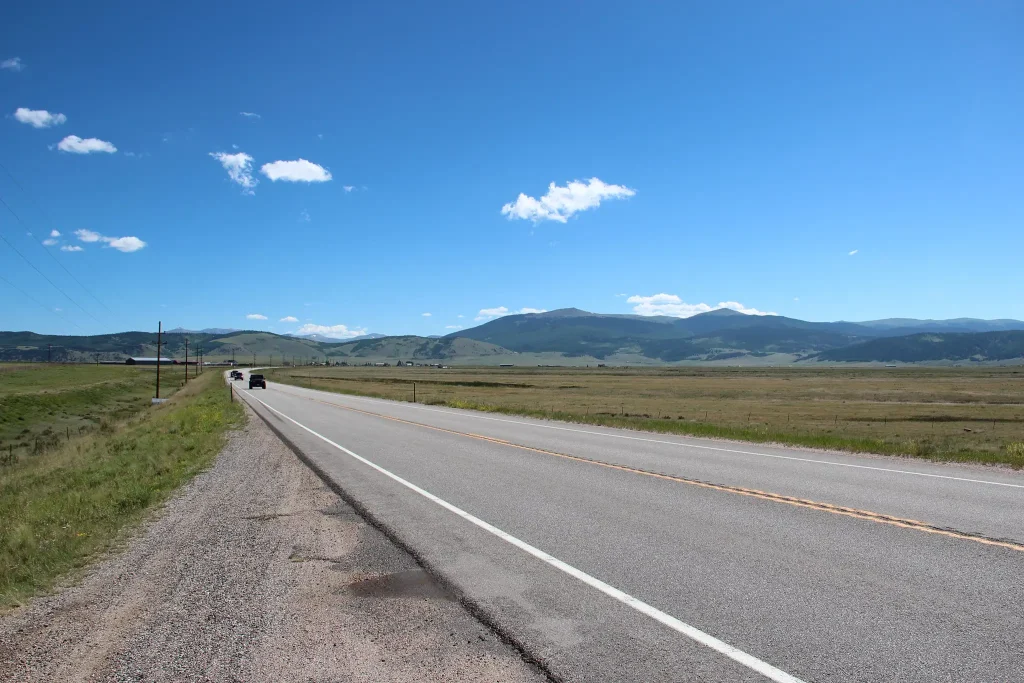
When you hit the road, the big question isn’t just the route—it’s whether to push straight through or break the trip into legs. In our experience, the choice hinges on distance, number of drivers, and how you handle fatigue after a long day of driving.
There are clear trade-offs. We’ve found that driving straight through can save on lodging and reduce total travel time, but it often increases driver fatigue and elevates risk, especially on multi-day trips. According to NHTSA guidance, taking a break every 2 hours or 100 miles helps maintain alertness and safety on long drives.
On the flip side, regular breaks for rest and overnight stops can keep everyone fresh and focused, but you’ll spend more on accommodations and meals. If you’re planning with multiple drivers, rotate behind the wheel every 2–3 hours to stay fresh—and choose overnight stops with reliable amenities and easy access from the highway. In our experience, a 2-driver setup with one stop every 2–3 hours works well for most family road trips.
Ultimately, the best approach depends on how far you’re traveling, how many adults are in the van or SUV, and your group’s sleep needs. No matter what you choose, map out your key stops in advance and build in flexibility for weather, traffic, or a standout detour. We recommend prioritizing safety first and keeping a Plan B for lodging each night.
Regardless of route, plan ahead, stay rested, and stay safe on the road.
5. Be Sure To Fill Up The Gas Tank While You Can
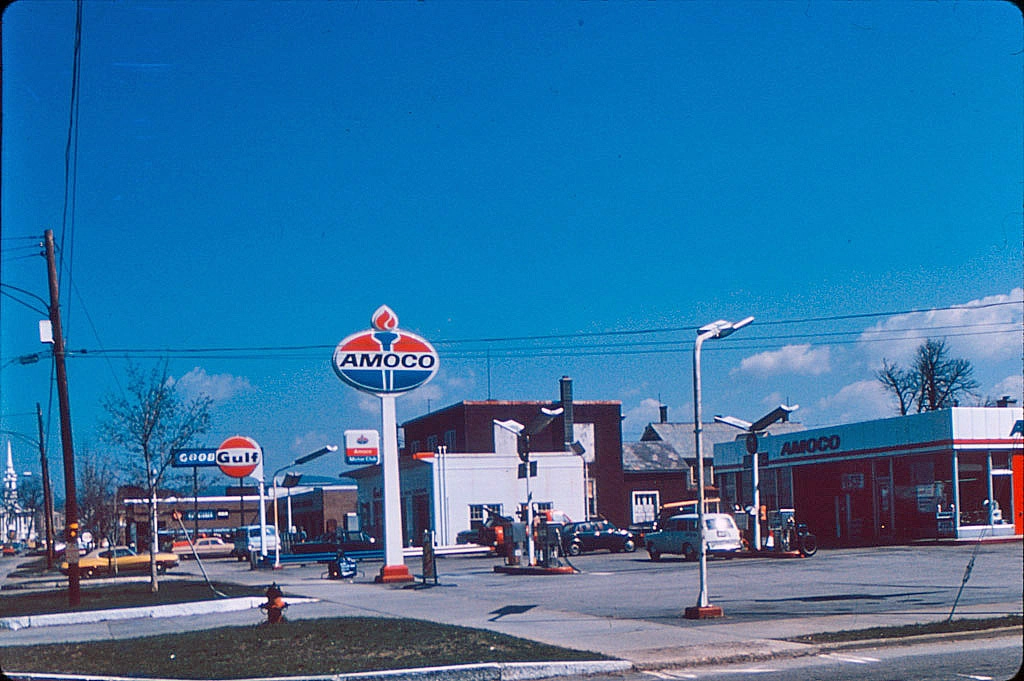
Fuel reliability can make or break a trip, especially when you’re chasing national park scenery on backcountry roads.
In our experience, some stretches exceed 100 miles between stations, and a hiccup at the pump can derail plans fast. To stay smooth, we suggest topping off in towns before entering remote corridors and keeping a reserve plan for detours to the nearest service station.
We’ve found a few practical tricks that save time and stress: log fuel stops into your route using offline maps, note the last reliable station before a park boundary, and set a low-fuel alert at ¼ tank to avoid last-minute scrambles.
In addition to avoiding roadside emergencies, filling up early can also help you snag better prices, since rural pumps sometimes post higher weekend or seasonal rates.
So on any trip, our rule of thumb is simple: top off when you have the chance, especially near park entrances or after long descents where you burn more gas than you expect. Your future self will thank you.
6. Book Lodging Directly Through The Website
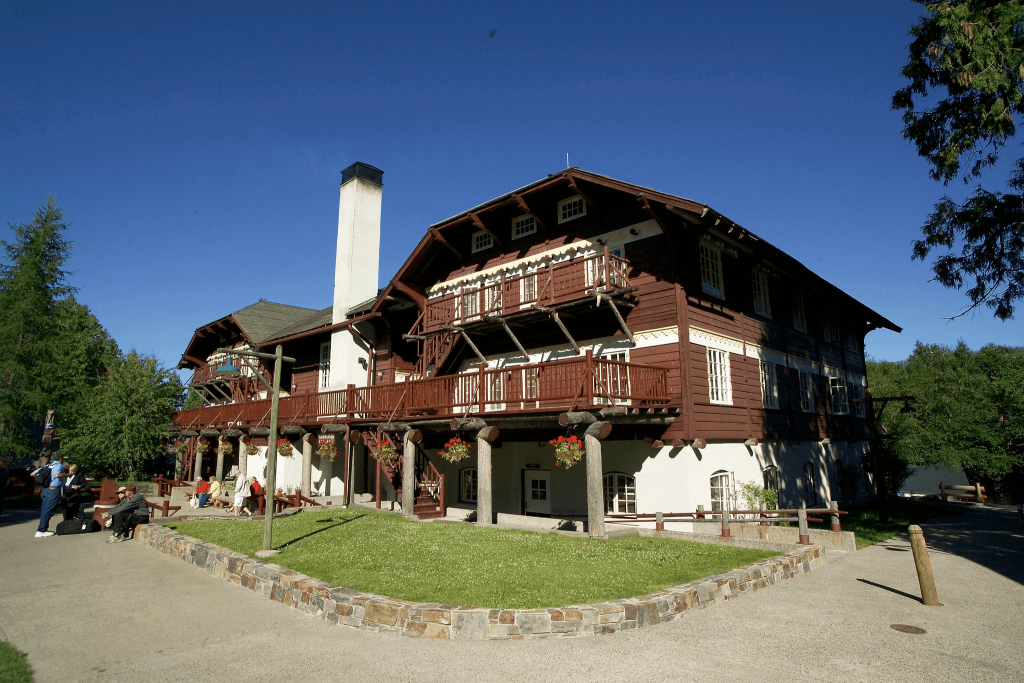 Lake McDonald Lodge In Glacier National Park How To Plan A Road Trip For Beginners">
When you’re hitting the road, where you sleep can make or break the trip. We’ve found that booking lodging directly through the property’s official site minimizes stress and guarantees you the exact room you expect.
Relying on third‑party booking sites can lead to double bookings, cancellations, or mismatched room types—things we’ve seen firsthand on popular routes. In our experience, these hiccups are far less common when you book straight with the lodge, inn, or campground operator.
What we recommend: start with the property’s own website, then call the front desk a week before arrival to confirm the reservation details. If you’re a member of AAA or a similar program, ask about any eligible discounts that aren’t always shown on aggregator sites.
Pro tips from the field: keep a saved screenshot of your confirmation, note the check‑in time, and verify any special requests (late arrival, accessibility needs, pet policies) directly with the property. In our experience, clear, direct communication saves time at check‑in and avoids surprises on busy weekends.
Yes, booking directly may take a few extra minutes, but it’s worth it for peace of mind and a smoother start to your adventure.
7. Find The Perfect Vehicle For Your Travels

We’ve found that the vehicle you choose can make or break the vibe of your trip. In our experience, a reliable, comfortable ride with enough cargo space reduces fatigue and keeps everyone happier after a long day of sightseeing.
Consider a midsize SUV or a compact crossover with at least 15 cubic feet of trunk space, plus room for two suitcases and a pair of daypacks. If you’re bringing gear, look for a model with a roof rack or hitch-mounted storage, and check that the vehicle has a comfortable six- to seven-passenger layout for longer drives. It may mean renting, but we urge verifying trunk dimensions before booking to avoid surprises on arrival.
From our last trip, we’ve learned to factor fuel economy and charging needs (if you’re using an EV) into the planning. For gas-powered trips, target 25–30 MPG for mixed highway and secondary roads, and map out a few fueling stops along your route. For EVs, we recommend plotting charging stops every 2–3 hours and downloading the station map of your preferred app before you leave the city.
Finally, be honest about road conditions and parking realities. Our team often uses a vehicle with decent ground clearance for gravel approaches to trailheads, and we avoid parking in tight, popular pullouts at peak hours. If you’ll tackle rugged backroads, we recommend a vehicle with all-wheel drive and a spare tire—and a quick check of the spare and jack before you go. Your trip—and your nerves—will thank you for the extra planning. Our top pick: a well-maintained midsize SUV with cargo space, AWD, and a reliable network of nearby charging or fueling stations depending on your route.
8. Plan For Unintended Stops
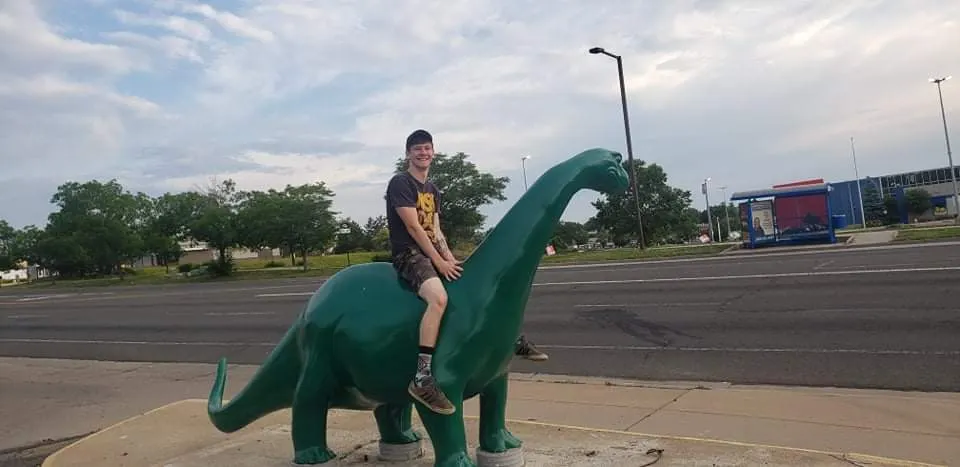
Sometimes the best memories happen because we let a route bend into the unexpected. In our experience, building slack into the day prevents stress and leaves room for genuine discovery.
When choosing where to stop, think about everyone in the car—bathroom needs, meals, and a safe stretch break. We recommend aiming for a couple of guaranteed pull-offs every 2–3 hours of driving, with at least one option that has restrooms and shade.
Look for rest stops or gas stations that offer more than fuel—seating, a clean restroom, and a quick bite can turn a tight schedule into a pleasant pause. We’ve found that small-town stops often have the most character and a chance to grab locally made snacks.
Don’t forget to note any roadside attractions along your corridor. If you’re near a national or state scenic byway, a 15–20 minute detour can yield a memorable photo or quick hike without derailing your day.
These intentional, flexible stops add sparkle to the journey and help everyone recharge for the next leg. In our experience, keeping a loose “bonus stop” buffer of 20–30 minutes can prevent fatigue and keep moods high—perfect for families and groups alike.
Our top tip: plan one standout stop within every major leg of your route—a landmark, a quirky pullout, or a beloved local cafe. That way the trip feels like an evolving adventure, not a rigid checklist.
9. Bring Entertainment If You Are A Passenger

For us, the key to a smooth cross-country drive is turning the car into a moving entertainment hub. We’ve found that a mix of offline devices and hands-on games keeps everyone engaged without constant screen fatigue.
Consider a dedicated media setup: a tablet with downloaded movies or an open-source streaming option, a lightweight Bluetooth speaker, and spare charging cables. If you’re traveling with kids, a small portable DVD player is still a reliable backup.
In our experience, younger passengers respond best to a blend of distraction and activities—coloring books for the early miles, then magnetic puzzles or travel-size board games as the road wears on. Pack a small mini-bin with crayons, stickers, and a few quiet toys to reduce peak-backseat squabbles.
Music and podcasts are timeless, but plan ahead. We recommend loading two or three long playlists or a handful of kid-friendly audiobooks before you hit the highway, plus a few offline radio stations for any dead zones. A simple backup: a list of favorite road-trip songs plus a couple of comedy bits to lift your mood when the scenery goes flat.
Finally, don’t underestimate road-trip games. We’ve found travel editions of Scrabble, Bananagrams, and Boggle to be surprisingly durable and airline-approved for the car. Quick alternatives like 20 Questions, license-plate bingo, and scavenger hunts centered on road signs or wildlife can stretch an hour into a memory.
By planning a few reliable entertainment options and rotating activities, road trips stay fun for everyone in the crew. We recommend keeping a dedicated checkbox list on departure day so nothing gets left behind.
10. Expect To Spend More Than Planned

We’ve learned the thrills of a long road run pair nicely with careful budgeting and a dash of flexibility. The moment you accept that surprises will happen is when you start enjoying the journey more than the plan itself.
In our experience, set aside a contingency fund equal to 15–20% of your projected trip costs, and keep it accessible. We推荐 using a separate backup card and a digital wallet so you can cover detours, gate fees, or a last‑minute hotel if weather closes your route.
It’s also smart to map out a few backup lodging and dining options in advance. We’ve found that picnics, local markets, or a campground with a simple grill can be just as memorable as a sit‑down dinner, while still keeping costs under control.
From our vantage point, the biggest payoff comes from planning some buffer for activities and snacks along the way. By staying flexible—while preserving a financial cushion—you’ll keep the trip fun and avoid money stress when the unexpected pops up.
Key Considerations For Successfully Planning A Road Trip

From our experience, the key to a smooth first road trip is a smart route plan that accounts for fuel stops, weather, and potential detours. Map out your primary route and then pin backups for gas stations every 150 miles and a couple of alternates in case a road is closed. This keeps you moving without scrambling at the last minute.
We recommend a pre-check playlist: your vehicle should be in top shape before departure. Check fluid levels, tire tread depth (we aim for at least 6/32 in all tires), spare tire, jack, jumper cables, and a reliable roadside emergency kit containing a compact first-aid kit, reflective triangles, flashlight, and a multipurpose tool. In our experience, a small air compressor and a tire inflator kit have saved a lot of roadside hassles.
Additionally, plan lodging or camping ahead of time. Book前 campgrounds in advance near parks or use NF/BLM dispersed camping areas where allowed. If you’re chasing national park access on a tight schedule, we’ve found that reserving at least 2–3 nights in a single base town reduces daily driving fatigue and lets you explore nearby highlights without rushing.
Finally, build in safety nets for the unexpected. Create a shareable itinerary with your expected daily stop points, download offline maps, and carry a printed copy of park regulations and emergency contacts. An emergency roadside kit with a roadside hazard light, a small fire extinguisher, and a compact tarp can be a real asset if you’re faced with weather or wildlife considerations along the way.
By keeping these considerations in mind, you’ll not only reduce stress but also maximize your time for those unforgettable views and quick side trips we’ve learned to love on the road. In our experience, a well-planned route with contingencies makes the difference between a memorable journey and a stressful scramble.
Taking It To The Next Level: How To Plan The Road Trip Of A Lifetime

Ready to turn the road into a canvas for your dream trip? In our experience, the most unforgettable journeys happen when you start with a loose destination and a rhythm of exploration rather than a rigid timetable.
Start with a flexible seed route: pick 2–3 must-see sights and leave 40–60 miles between them so you can detour for wildlife, a scenic pullout, or a local café. Pack a lightweight hike kit, a spare rain layer, and offline maps; we rely on a small seat-organizer for snacks and a printed pocket itinerary.
We recommend budgeting time for surprises: aim for 60–70% of days with open afternoons, and scout park advisories for seasonal road closures before you depart. This approach preserves the thrill of the unknown while reducing risk of backtracking.
From our experience, the best moments often come from conversations with locals and park rangers, so plan a few flexible mornings to chat at visitor centers or pull off at quieter overlooks. That extra half-hour can yield a memorable sunrise, a trail recommendation, or a hidden viewpoint.
If you’re chasing a once-in-a-lifetime road odyssey, keep a loose end date and a couple of backup routes in your notes in case a road is closed or weather shifts suddenly. Always check current park advisories and road status—we rely on official NPS alerts and park-specific updates to stay ahead of the curve.
Alternative To Road Trips
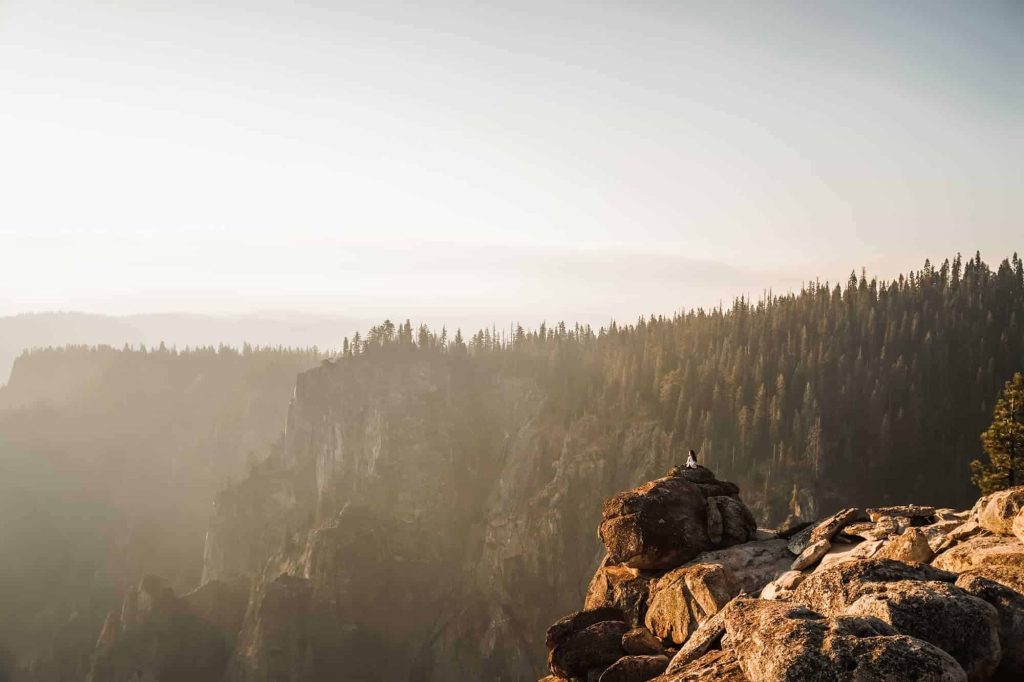
If you’re itching for summer adventures but don’t want a long road slog, a staycation can be your best-kept secret. In our experience, meaningful explorations can happen within a short drive and still feel special. We’ve found that smaller-scale trips—think a weekend in a neighboring town or a couple of days at a nearby park—deliver big rewards with less stress.
Here are our practical tips to make a local getaway feel freshly exciting: pick a home base in a town with easy access to a few nature spots, book lodging or a camp site early, and map out 2–3 short, kid- and dog-friendly outings per day. We recommend tying those outings to free or low-cost activities, like sunrise hikes, museum free days, or community events where you can sample local flavor.
From our experience, the key is balance: mix outdoor time with laid-back afternoons, and use local resources—park service calendars, library passes, and city event boards—to keep costs down. You’ll often uncover hidden gems like a quiet trailhead, a lakeside picnic area, or a parks-and-recreation site you didn’t know existed right in your own backyard.
So instead of chasing distant destinations, consider a thoughtful staycation this summer. It’s amazing how much adventure you can pack into a few nearby days when you plan with intention and a little local know-how.
Wrapping Up And My Experience With Planning Road Trips
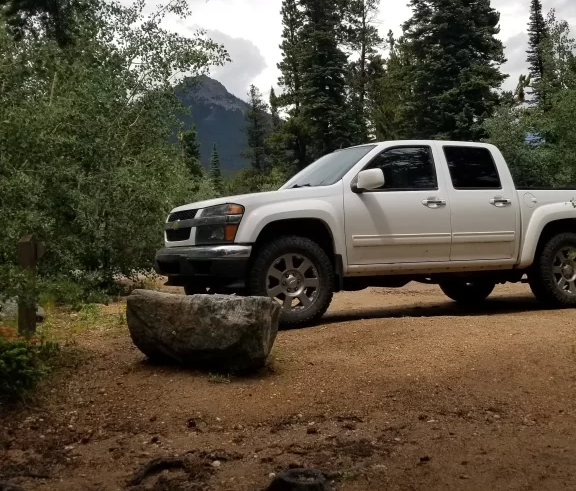
I’ve personally planned about 5 road trips in the last 5 years and for the most part everything stats the same. The destination has changed but the initial planning doesn’t.
I’ve found that having more than 1 driver is a huge help. It gives both people the chance to look around and see what they normally wouldn’t.
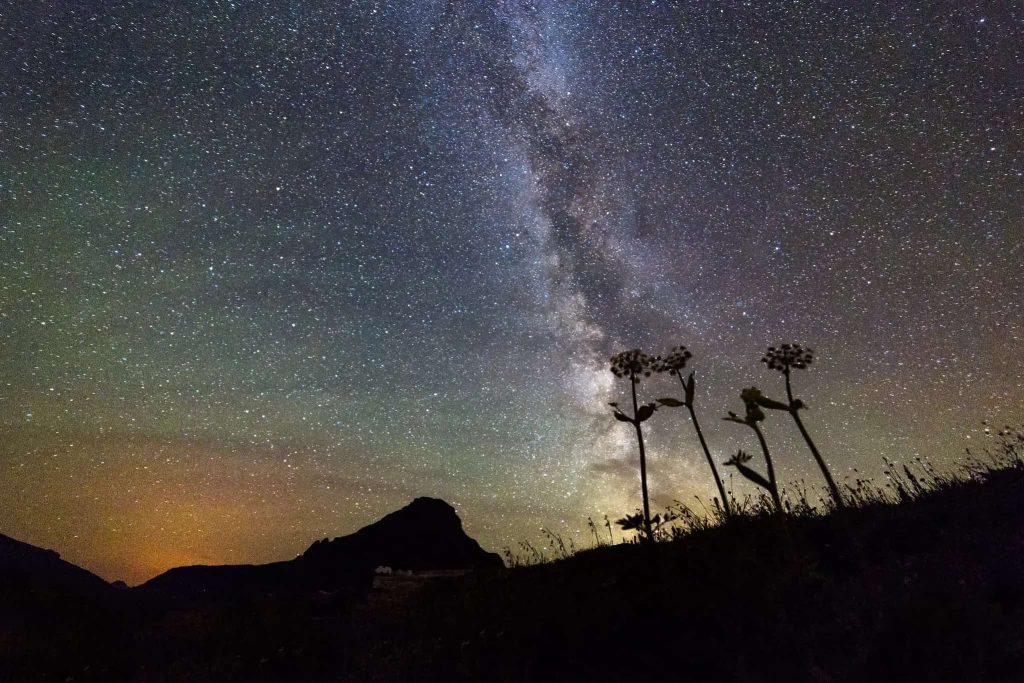
Another thing I’ve found very helpful is stopping to smell the roses. Long stretches on the road can be tiresome. Stop and enjoy a restaurant or lookout, even a rest stop. The first time I’ve ever seen the true night sky without any light pollution happened because a passenger had to use the restroom. Who would have thought a life-changing moment would have happened while stopping for a pee. Separating the journey into multiple parts helps a ton.
The best road trip I’ve ever been on was to Rocky Mountain National Park. A lot of people make the journey, but we did it without any planning. We just knew we were going to see the park and that was that. So 20 hours of driving later, the mountains were in sight and euphoria washed over me. The sight is incredible. The biggest problem was finding a place to stay but thankfully Colorado has a ton of campgrounds to choose from. We even got to stay at an amazing place called Lavern St Johnson Campground.
Weather your planning a road trip or winging it, stop and take in the scenery. Enjoy the freedoms of the open road. There is so much to see out there. Enjoy every moment!