9 Essential Facts You Must know About Clingmans Dome
Clingmans Dome is where the Smokies hit their high notes, but the view comes with crowds and wind. In our experience, the summit offers jaw‑dropping 360-degree panoramas, yet you’ll want to plan around weather and parking to truly enjoy it.
Key details to know before you go: Clingmans Dome Road is typically open year‑round but can close after heavy snow or ice. The summit parking lot near the observation tower fills early in peak season, so we recommend arriving by 7:30–9:00 a.m. in spring or fall, or at sunset in summer when temperatures drop and crowds thin slightly. The paved Summit Trail is short (0.5 miles round trip) but can feel breezy; bring a windbreaker and sturdy shoes.
For a quieter experience, combine the dome visit with a short hike. We’ve found the Forney Ridge Trail (to the Andrews Bald overlook) a great follow‑up—about 3.5 miles round trip from the Clingmans Dome access road, with a gentler descent and a reward of open meadow views on a clear day. If you’re tight on time, the 0.5‑mile paved loop is handy, but it doesn’t beat the longer exposures you’ll get on trails nearby.
Seasonal notes from our trips: wildlife can be active in the early morning, and sudden weather shifts are common at 6,000+ feet. The park service advises checking road status and weather before you go, and to keep pets leashed and away from the tower area during peak times. In our experience, a weekday early morning visit minimizes crowds and maximizes photo chances.
Our top pick: plan a sunrise visit to catch cool air and pale light at the dome, then hike the Forney Ridge Trail to Andrews Bald for a longer, more intimate alpine experience. If time is truly limited, pair the dome stop with a sunset overlook from the nearby Newfound Gap area for a less crowded, equally stunning finale.
From our perspective, Clingmans Dome remains a must‑see, but a smart schedule and a backup plan make all the difference. We recommend building your day around a precise arrival time, a secondary hike like Forney Ridge, and a backup sunset option to finish strong.
1. What Is Clingmans Dome?
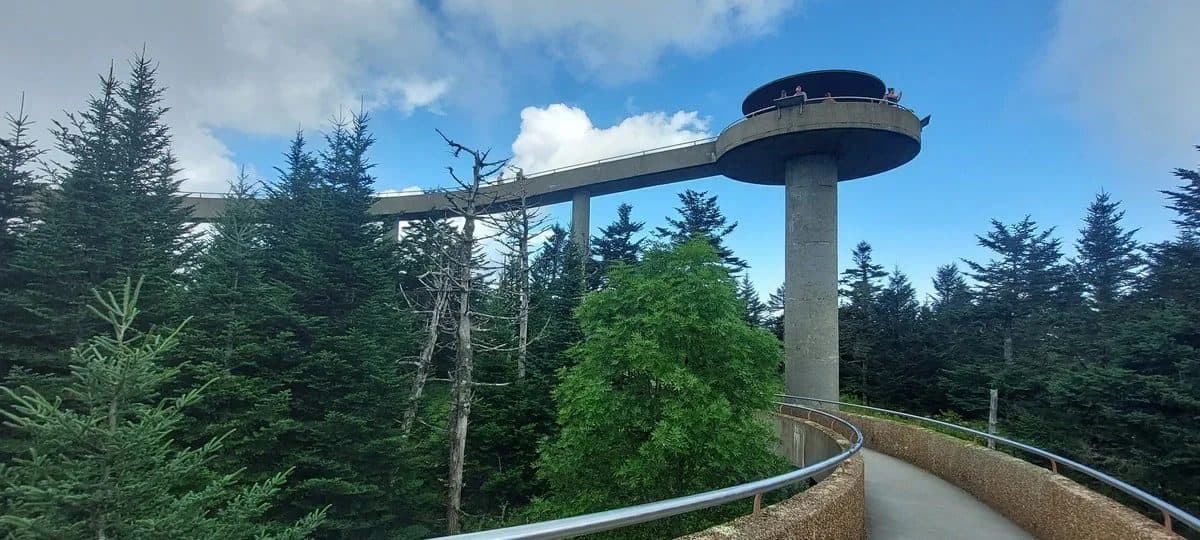
Located in Great Smoky Mountains National Park, Clingmans Dome Observation Tower sits atop the park’s highest peak, offering views that on clear days can reach up to 100 miles in every direction. In our experience, the vantage is unforgettable, but the wind can be brisk up there, so we always layer up and time visits for calmer afternoons when possible. The climb to the tower is a short, paved ramp from the parking area, and the surrounding meadow area is a great spot to watch clouds roll in over the Smokies.
From our visits, a couple practical tips help make the most of your climb: check the NPS GSMNP road status before you go, since Clingmans Dome Road closes seasonally for snow and ice. Arrive early or late in the day to beat the largest crowds, especially in peak tourist seasons. We recommend bringing a wind- and cold-weather layer even on mild-looking days, because temperatures up top can be 10–20 degrees cooler than in the valley, and visibility can shift quickly with weather changes.
2. Is There A Cost To See Clingmans Dome?
We’ll be upfront: there’s no admission fee to visit Clingmans Dome itself, but parking and crowds are real factors you’ll want to plan around. The climb to the tower is free and the payoff is the sweeping, 360-degree views when the air is clear.
In our experience, the best strategy is to arrive early or late in the day to dodge peak crowds, especially on weekends. The paved ramp to the observation tower is steep, so take your time and pace yourself if you’re not used to long inclines. According to the National Park Service, Clingmans Dome sits at 6,643 feet (2,025 meters) in elevation, and the tower remains free to visit for all guests; parking fills quickly in peak season, so plan accordingly.
We also recommend checking the NPS road status for Clingmans Dome Road, because winter weather and snow can cause temporary closures. On our last visit, we timed a late-afternoon stop right after the road reopened post-snow, and the lighting over the mountains was stunning. If you’re with kids or limited time, consider pairing this stop with a shorter hike along the nearby DFS (Donna’s Fork) trailhead for a quick, rewarding day in the Smokies.
3. Is There A Parking Lot At Clingmans Dome?
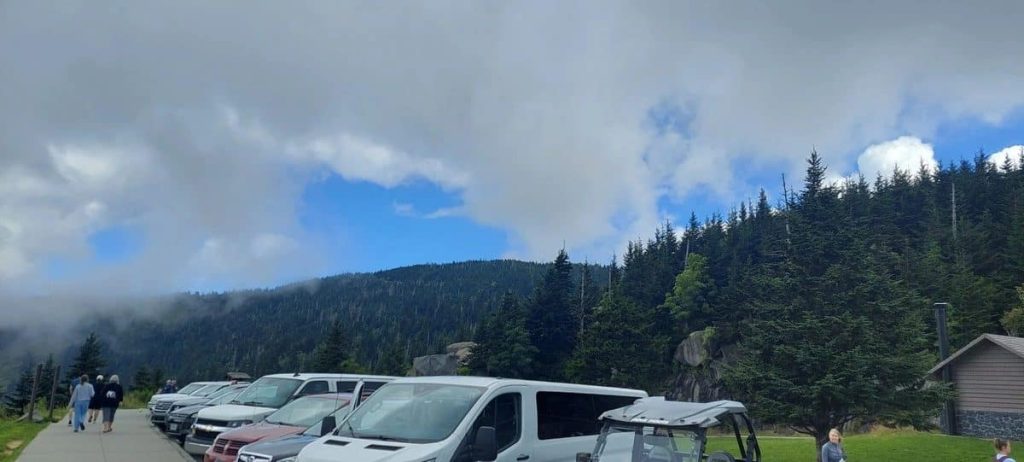
Yes! The parking lot at Clingmans Dome is actually quite large. Finding a parking spot should not be an issue on most days.
In our experience, the key is timing: arrive before 9:00 a.m. or after 3:00 p.m. to minimize crowds, especially on weekends and during fall leaf-peeping season. The NPS notes that the Clingmans Dome parking area is open year-round, but access can be affected by snow or ice, so check current conditions on the park’s alerts page before you go.
We’ve found that a quick stop at the lot can be worth it even if you’re just passing through—you can park, stretch, and then take the short walk to the observation tower, which often has the most visitors clustered near the platform. If you’re visiting in shoulder seasons, you’ll likely have closer access to closer parking and kinder crowd levels.
4. When Is Clingmans Dome Open in 2026?
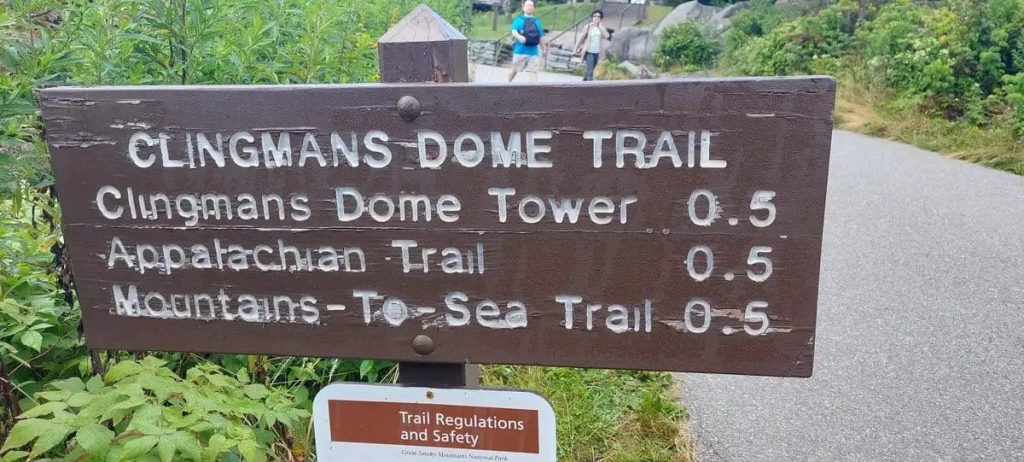
From our experience, Clingmans Dome delivers breathtaking 360-degree views when the weather cooperates, and in 2026 the gate opens 4/11 through 11/30. During this window, the summit is accessible at any time of day, but park rangers are stationed at the visitor center only during the normal operating hours listed below.
Winter visits are spectacular for quiet skies and snow-dusted ridges, but the tower can be difficult to reach due to snow and icy conditions. We’ve found that late spring and fall offer the best balance of comfortable temps and clearer views, especially on clear mornings. Remember, safety first: stay on designated paths, avoid feeding wildlife, and be mindful of rapidly changing weather at altitude.
- April – May: 10:00 a.m. – 6:00 p.m.
- June – August: 10:00 a.m. – 4:00 p.m.
- September – October: 10:00 a.m. – 6:00 p.m.
- November: 9:30 a.m. – 5:00 p.m.
Tips from our team: park at the Newfound Gap Road pullouts near the Clingmans Dome access road for quicker sunrise or golden-hour views, and check the NPS page for seasonal closures or weather advisories before you go. If you’re planning a winter visit, pack traction devices, extra layers, and a headlamp in case you’re delayed by snow or icy ramps.
What we’ve found: the tower’s elevation (6,643 feet/2,025 meters) makes wind bite and temperature swings common, so dress in layers and bring water. If crowds spike, consider arriving just after sunrise or during weekday mornings to enjoy clearer sightlines and a calmer experience.
5. What Is The Walk To Clingmans Dome Like?
.kb-image_136dfd-d7 .kb-image-has-overlay:after{opacity:0.3;}
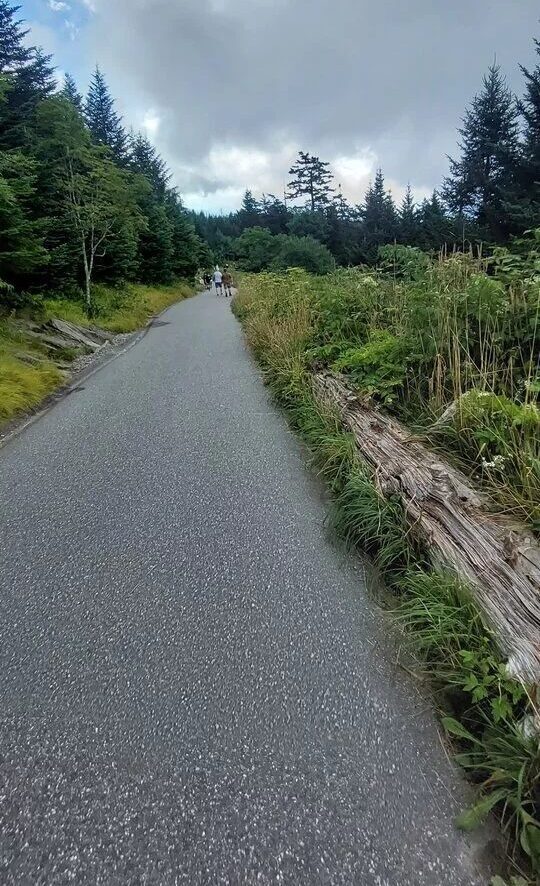
Hook: The climb to Clingmans Dome isn’t brutal, but the 1.2-mile paved ascent rewards you with one of the Smokies’ best panoramic rewards. In our experience, the key to enjoying it is pacing yourself for the steady 12% grade and planning time at the tower for the view rather than rushing the trail.
We’ve found the switchbacked, all-weather path is stroller-friendly in dry conditions, and the pavement makes footing dependable. Watch for occasional slick spots after rain or in early morning frost, and give yourself 15 minutes extra if that applies to your visit.
Safety note: altitude and exposure can affect some visitors, especially kids and those with heart or respiratory conditions. At the top, wind can be brisk—check the forecast and bring a light layer. Remember to stay on designated paths, obey signage, and never feed wildlife; bear activity can occur in the area, per NPS guidelines.
From our experience, the best approach is to rest at the base before popping up to the observation tower. Once you’re there, allow at least 10–15 minutes to absorb the 360-degree views. We recommend timing your ascent for late afternoon light for clearer sightlines over Great Smoky Mountains National Park.
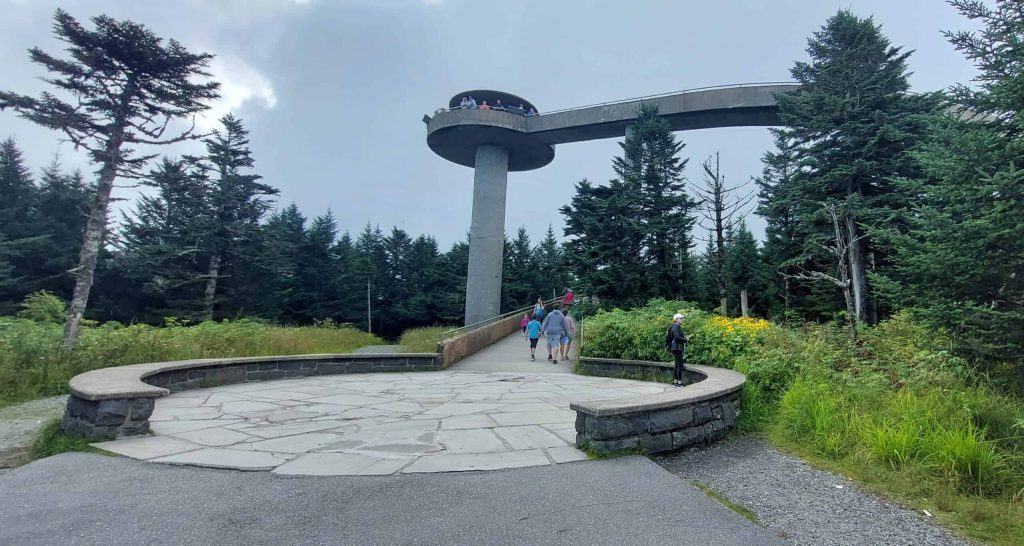
Once at the base of Clingmans Dome Observation Tower, a nice sitting area is present to rest your feet. After resting, continue up the spiral slope and bam, your at the top!
6. How Long Does The Walk To Clingmans Dome Take?
The payoff at the top is real, but the walk to the overlook is where most first-time visitors find their rhythm. From the parking lot, the paved path to the observation deck climbs steadily, and the final switchbacks can feel steeper as you near the crown of the tower. In our experience, budgeting around a 15–25 minute stroll for each direction keeps the pace comfortable, with more time if you stop to soak in the 360-degree views from the deck.
Pro tips we’ve found invaluable: arrive early to snag curbside parking and beat the mid‑morning crowd, or aim for late afternoon on weekdays when traffic eases. The parking lot fills fast on weekends, especially in peak leaf‑peeping season, so plan extra time for shuttles or walk-overs from nearby lots. Dress in layers—the summit can be windy and chilly even on sunny days—and bring water; the route is short, but exposure adds up quickly as you gain elevation.
7. Is Clingmans Dome Dog Friendly?

Dogs are not allowed to go to Clingmans Dome. However, service dogs are allowed.
The last time I was walking the trail, a lady came up to the trailhead with her dog. The Park Ranger said that dogs are not allowed unless it is a service animal. He also said he is not allowed to ask for proof that your dog is a service animal. Take and do with that information whatever you will.
8. What Is The View From Clingmans Dome Like?
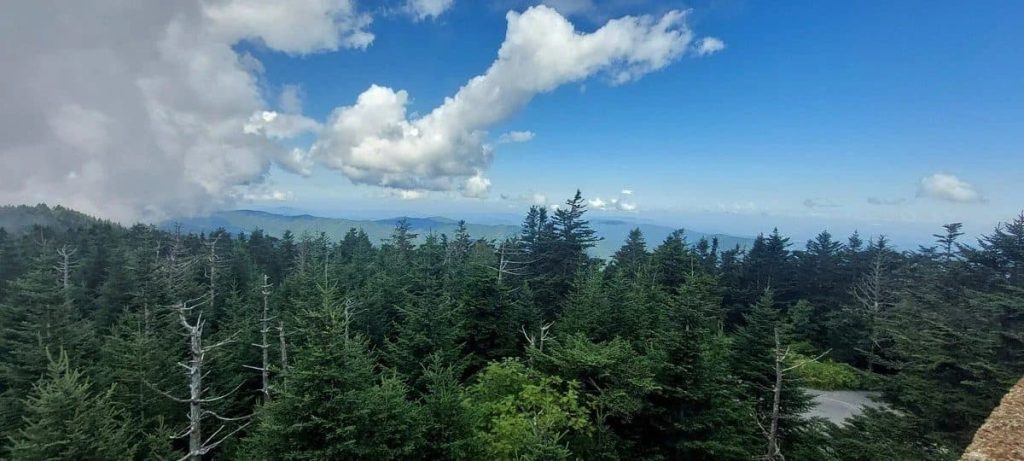
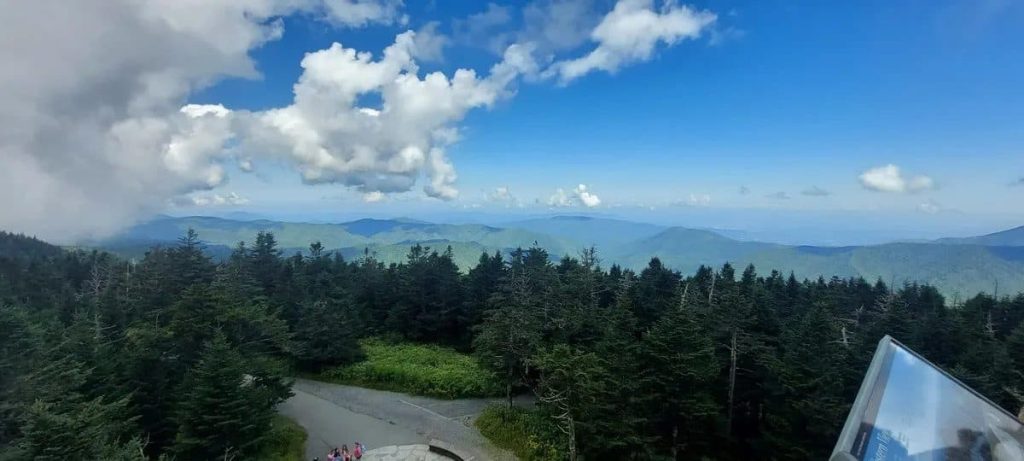
From the moment you crest the short, switchbacked trail to Clingmans Dome, the view grabs you in all directions. On clear days, visibility routinely reaches about 100 miles, letting you pick out mountain ridges, valleys, and even distant weather patterns in separate basins. In our experience, the first 5–10 minutes behind the railing are the best—look for the perpendicular lines of the Blue Ridge and Great Smoky Mountains merging into the horizon.
We’ve found that planning your visit around weather windows makes all the difference. Fog and high winds can drop visibility to near zero in minutes, so check the forecast and NPS alerts before you go. The Smokies aren’t joking about quick-changing conditions—what you see at sunrise can vanish by late morning if a front rolls in.
Pro tips from our trips: aim for midweek visits to avoid crowds, arrive early at the parking lot near the entrance, and stay for sunset if the haze cooperates. If you’re chasing color or alpenglow, prepare for chilly temps at the top and bring a wind shell—even on sunny days, the summit can feel brisk above the tree line.
According to NPS data, the tower itself provides a 360-degree panorama, so take a moment to rotate and scan every direction. In our experience, the best single sightline is toward the north-northwest, where a sweep of ridges drops into distant valleys—perfect for a quick photo sequence or a reflective moment before you descend.
9. Directions To Clingmans Dome
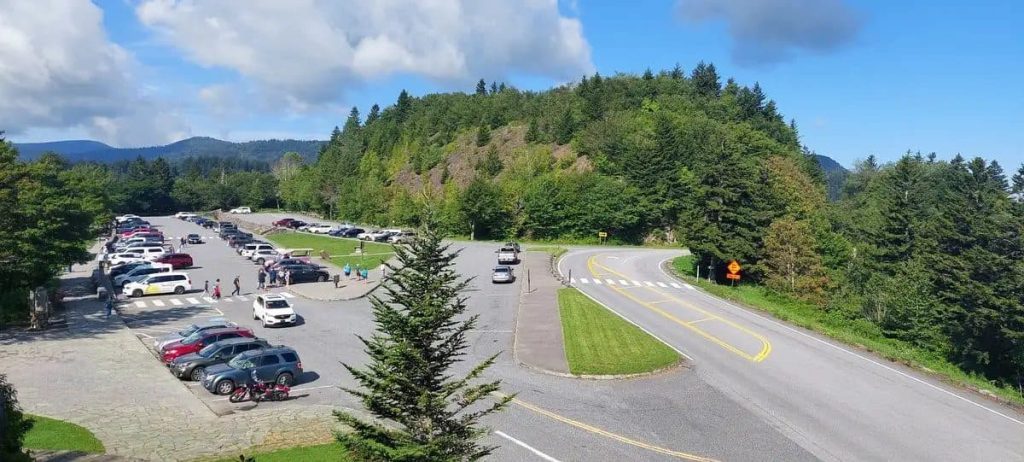
Getting to Clingmans Dome Road is straightforward, but planning ahead saves time. From Gatlinburg, take US-441 into Great Smoky Mountains National Park and follow Newfound Gap Road all the way to Newfound Gap Parking Area. Right after the lot, Clingmans Dome Road makes the first right turn to the main parking area. In our experience, arriving before 9:30 a.m. usually yields a spot in the main lot, especially in shoulder seasons.
A quick note on conditions and planning: Clingmans Dome Road can have icy patches in winter and early spring. We recommend checking the GSMNP road status before leaving (road closures and chain requirements are posted on the park’s official site). If the main Clingmans Dome parking is full, our tip is to head to the Newfound Gap overlook first and loop back later in the day, or use the one-way turnaround near the top if you encounter a full lot. We’ve found this strategy minimizes shuttle-like waits and keeps your visit enjoyable. And if you’re visiting during peak times, consider arriving around 2–3 p.m. for a quieter experience and sunset views from the overlook.”