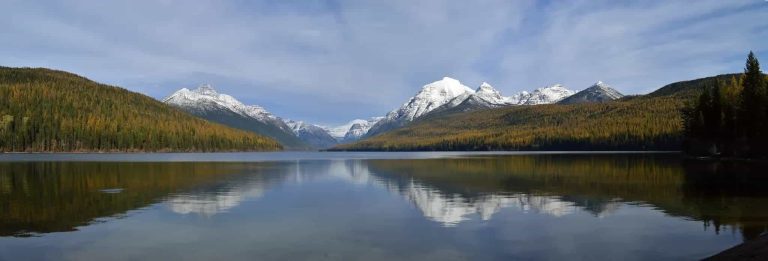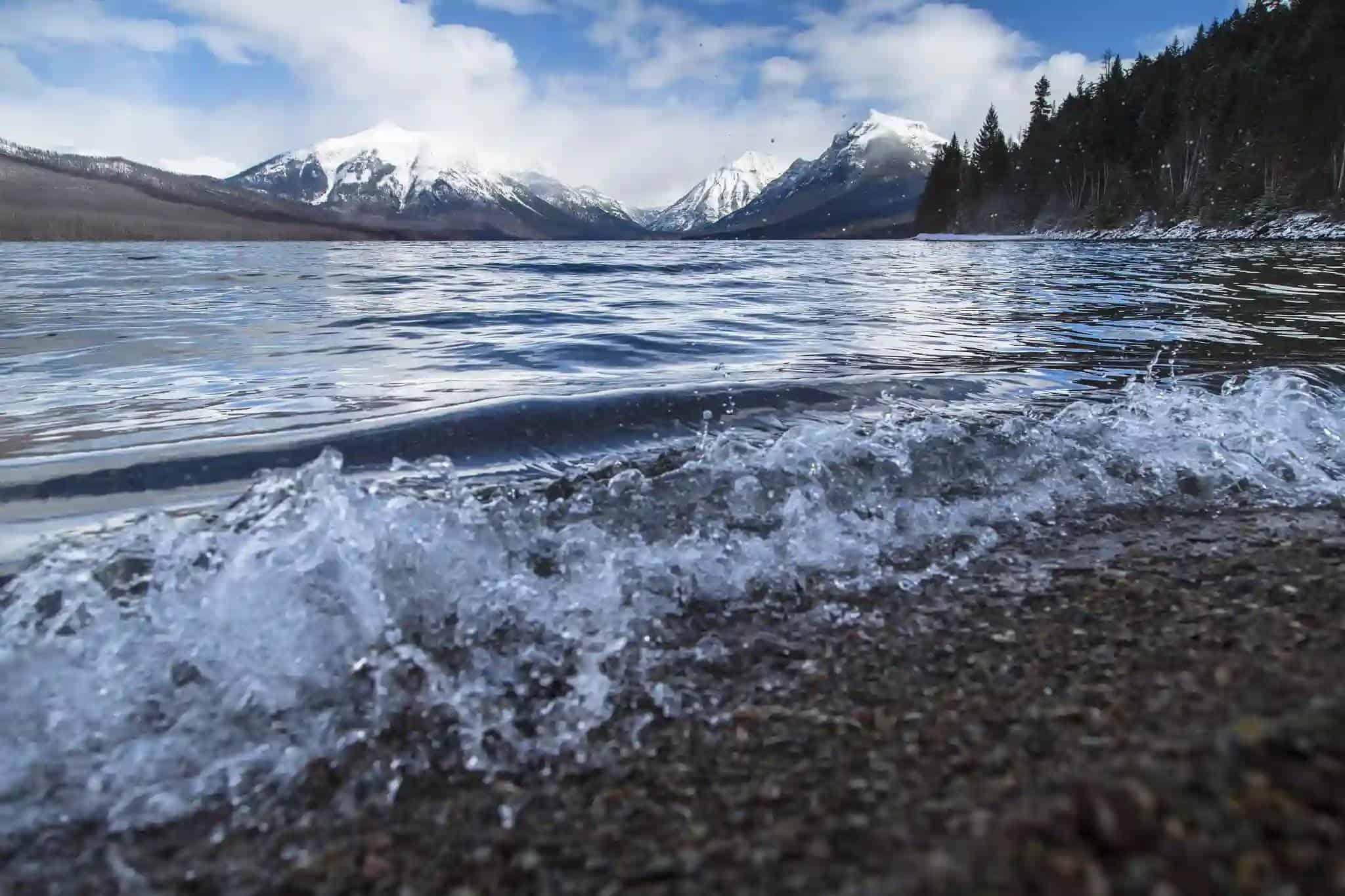
21 Breathtaking Things to do In Glacier National Park
Glacier National Park rewards early risers with light like no other place in the northern Rockies. In our experience, the best first move is a sunrise sweep of Going-to-the-Sun Road from St. Mary to Logan Pass, when the valleys glow and traffic is just a fraction of what it becomes later in the day. We recommend parking at Logan Pass for easy access to the Hidden Lake Overlook Trail, a short, crown-jewel hike that’s about 1.5 miles round trip and delivers sweeping views without a long, grueling climb.
From our experience, a few reliable, concrete outings anchor a Glacier trip: hike to Avalanche Lake (roughly 4.5 miles round trip from the Avalanche Creek area) for a crystalline lake set against jagged peaks, or lace up the Trail of the Cedars to feel the pulse of old-growth along a gentle, accessible boardwalk. If you’re chasing wildlife sightings, we’ve found morning hours along the Many Glacier region—especially near Swiftcurrent Lake and the Two Medicine area—produce the most reliable bear and moose activity, provided you stay a safe distance and follow NPS guidelines.
To keep the trip smooth, we’ve learned to plan with park regulations in mind: check current Going-to-the-Sun Road status and openings (seasonal access varies with snowpack), and consider reserving a backcountry permit if you’re venturing beyond day hikes. In our experience, staying in the Many Glacier or St. Mary/Junction areas can minimize long drives between prime trailheads, and early-alpine starts reduce the risk of afternoon storms. What we’ve found is staying flexible with daily plans—allowing a high-reward short hike one morning and a longer, more ambitious route on another—maximizes Glacier’s dramatic contrasts of color, water, and granite.
Key Takeaways
- In our experience, Glacier National Park is an adventure-seeker’s paradise with a wealth of hiking options—from easy lakeside strolls to challenging alpine scrambles—catering to every ability. We recommend pairing a mellow morning on the Hidden Lake Trail with a tougher afternoon hike above Logan Pass to stretch your legs while the light stays friendly.
- Going-to-the-Sun Road is a can’t-miss drive that delivers dramatic scenery and several must-see pullouts. We’ve found that starting early (before 7:30 a.m.) helps you beat the crowds and frees up time for shorter hikes along the way, like the take-your-breath-away overlook at Logan Pass to stretch your legs briefly.
- Embrace the raw wilderness and wildlife watching that defines this park. In our experience, dawn and dusk offer the best chances to observe marmots, deer, and even the occasional black bear from a safe distance and with proper bear awareness in place.
- Capture Glacier’s essence with photography by Polebridge Mercantile and Bowman Lake—both offer iconic, low-traffic golden-hour scenes. We recommend arriving at Bowman Lake via the Polebridge Road early in the day to snag a shady parking spot and quieter shoreline views.
- Water-based adventures like rafting and scenic floats reveal a different side of the park’s majesty. Our tip: book a guided trip on the Flathead River with a reputable outfitter and plan for a late-mummer float when wildlife activity is heightened near dawn or dusk.
- Visit the ranger-led programs and visitor centers for up-to-date information, orientation, and practical souvenirs. We’ve found that stopping at St. Mary Visitor Center before a day of activities helps confirm trail statuses and any road closures on Going-to-the-Sun Road.
- Glacier National Park offers a range of family-friendly options that still feel deeply connected to nature. In our experience, choosing shorter, flatter trails around Lake McDonald or the Redweeds area provides engaging experiences without sacrificing the park’s sense of wonder.
List of Things to Do in Glacier National Park
Things to Do: Going-to-the-Sun Road
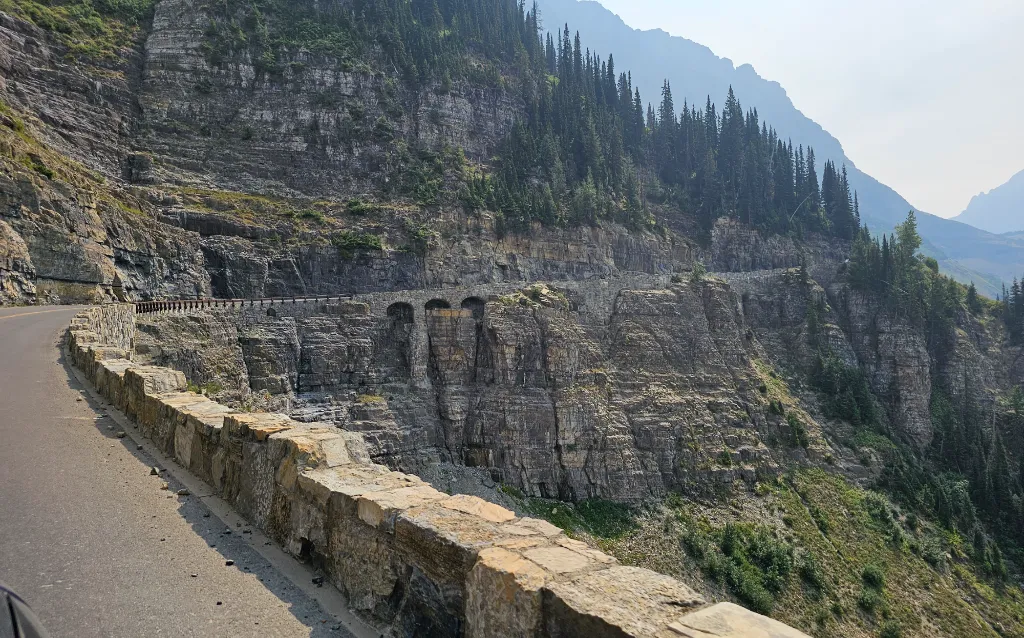
En route to the heart of Glacier National Park, the iconic Going-to-the-Sun Road unfolds as a masterwork of scenery we never tire of. In our experience, this 50-mile route rewards careful planning with the park’s most dramatic alpine vistas, from forested switchbacks to towering cliffs that seem to touch the sky. It’s not just a drive—it’s a moving gallery of Glacier’s raw, rugged beauty.
Visitor Tips
- Reserve your vehicle slot in advance during peak summer weeks. We’ve found that securing a morning or late-afternoon window helps you avoid the heaviest traffic and gives you softer light for photography.
- Check daily road status on the official NPS page before you head out. In our experience, snow, rock slides, or maintenance can shift opening times by days, so plan a flexible schedule and set a backup plan for your day.
- Expect close driving along the mountainside—tight curves and narrow lanes are part of the experience. Keep your speed low, give wide room to oncoming traffic, and pull over at designated vistas to let others pass when needed.
- Don’t miss the Weeping Wall pullout. It’s a classic Glacier moment where icy spray can kiss the windshield; we always have a dry layer handy for quick photo ops or a wipe-down break.
- Snow can linger into late summer. We’ve photographed snowfields against July wildflowers, which makes for striking contrast—be ready for chilly gusts even on warm days.
- Take advantage of the frequent pullouts for photos and short walks. Our go-to technique is to shoot from the Weeping Wall and then walk the nearby boardwalks to capture the valley below with a foreground of wildflowers or talus.
Patience pays off on Going-to-the-Sun Road. In our experience, the traffic buildup becomes part of the moment, giving you extra chances to savor the jaw-dropping vistas and the park’s dramatic geology.
Grinnell Glacier Hike
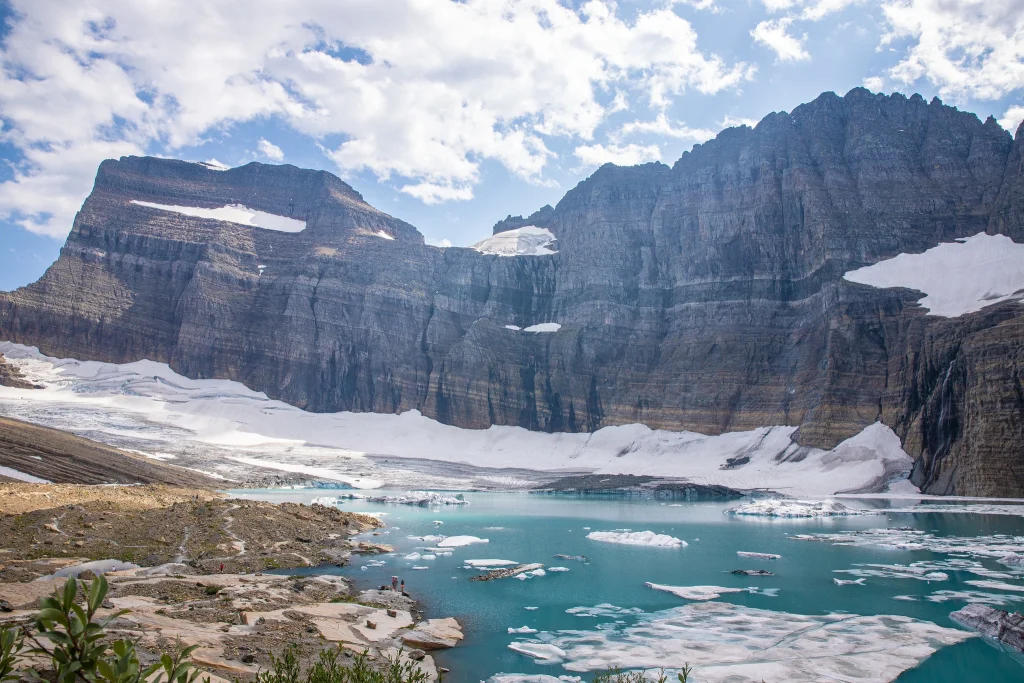
We’ve found the Grinnell Glacier Hike to be a crown jewel in Glacier National Park, delivering a front-row seat to the park’s iconic wilderness. The trail is demanding, but the payoff—glacial blue lakes, a close-up view of the Grinnell Glacier, and icebergs drifting in pristine waters—rewards every step. In our experience, this hike is one of the most memorable Glacier National Park hiking experiences when weather cooperates.
From Many Glacier to the glacier overlook, the 7-mile round-trip trek climbs steadily with some exposed sections. We recommend starting at first light to beat the crowds and afternoon heat, and consider the option to hop a boat across Swiftcurrent Lake to shorten the initial approach. Always check current conditions with the park service, as footing can be slick and weather systems move quickly on this side of the range.
What we’ve found most helpful is pairing the hike with a late-morning boat ride or a stop at the Many Glacier Hotel area for a quick snack before returning. The trail is widely used by families and seasoned hikers alike, but it remains a serious day hike—footing can be uneven and creek crossings may require careful footing after a rain. Be prepared with sturdy boots and layered clothing to adapt to changing temperatures on the glacier’s lakefront.
Visitor Tips
- Start Early: Begin your hike at dawn to enjoy the tranquility and mitigate potential afternoon congestion on the trails.
- Stay Informed: Always check trail status before your hike; temporary closures due to grizzly bear activity are not uncommon.
- Bring Bear Spray: This is bear country, and being prepared is essential. Carry bear spray and know how to use it.
- Consider a Guide: For newcomers, guided hikes provide insight and added security through the terrain’s challenges.
- Proper Footwear: Rugged, waterproof hiking boots are a must to navigate the trail’s variable and often wet conditions.
- Hydration is Key: Replenish fluids regularly. Mountain streams may be clear, but use water filtration systems to avoid contamination.
When we reach the trek’s apex, the Grinnell Glacier stands in silent grandeur, a testament to nature’s artistry and Glacier National Park’s enduring soul. In our experience, this hike stands out as a vivid highlight among Glacier National Park activities and is best enjoyed with a approach that respects the landscape and wildlife alike.
Boat Tours on Swiftcurrent Lake
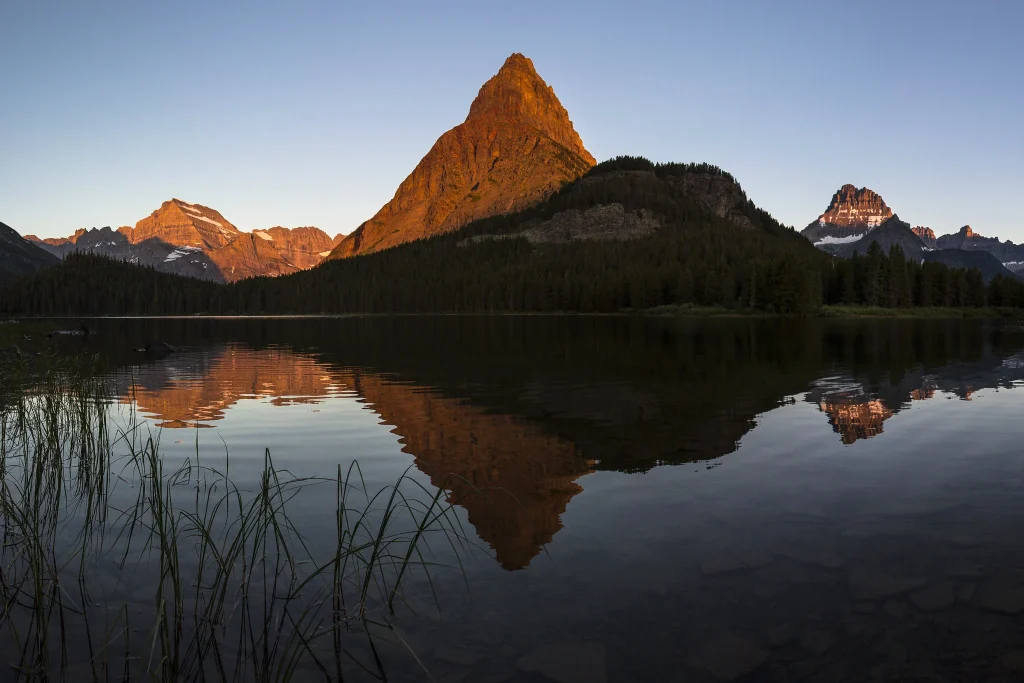
When we want a quiet, soul‑soothing moment, a Swiftcurrent Lake boat tour delivers. The still water, surrounded by the dramatic peaks of the Many Glacier region, offers a perspective you can’t get from the trail alone. In our experience, the ride feels like a gentle soundtrack to Glacier’s grandeur.
Visitor Tips
- Bask in the Beauty: Book a tour with Glacier Park Boats and view the Many Glacier Hotel from a fresh angle—from the water it feels almost cinematic.
- Plan Ahead: Reserve your spot online ahead of your visit; tours can fill up on peak days, especially weekends and midday sessions.
- Food & Treats: After the boat ride, swing by nearby lodges or markets for kid‑friendly options and a vanilla or huckleberry ice cream treat—a simple, rewarding capstone to the day.
- Time Your Visit: If possible, aim for late afternoon; the lighting on the lake and surrounding peaks is particularly memorable as the day winds down.
These boat tours not only provide a stunning vantage point of the region but also let families share a calm, shared moment on the water. In our experience, they’re a standout option among Glacier National Park family‑friendly activities, offering a memorable contrast to hiking and driving days.
Stargazing at Logan Pass
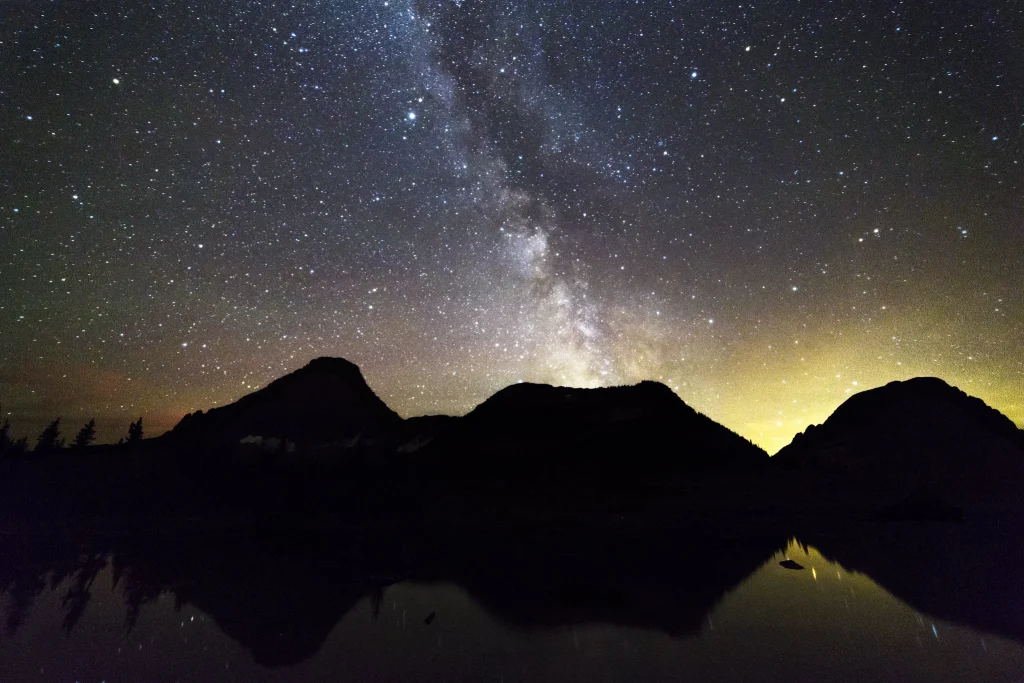
As night falls, Logan Pass reveals a celestial stage that seems almost made for the Milky Way—bright, expansive, and surprisingly intimate with the surrounding peaks. In our experience, this is one of Glacier’s most dependable stargazing spots, especially on clear, low-traffic evenings when the air feels crisp and the Milky Way stretches from horizon to horizon. The high elevation adds a cool aura to the dark sky, turning a simple skywatch into a soul-soothing alpine moment.
Visitor Tips
- Plan for the chill: Even in summer, Logan Pass nights drop quickly. We recommend packing a 3-layer system (base, insulation, and wind shell) plus a warm hat and gloves so you can stay outside longer without shivering between celestial glimpses.
- Check the schedule: Ranger-led astronomy programs pop up on occasion. We recommend checking the official Glacier NP calendar and arriving early to snag a good viewing spot near the Logan Pass Visitor Center—you’ll get context you can’t beat from the experts.
- Bring comfort: A lightweight camp chair or a snug blanket makes star gazing easier on longer sessions. We’ve found a low-profile chair keeps you comfortable without blocking the view for others nearby.
- Let your eyes adjust: Give your pupils 20–30 minutes to adapt to darkness before focusing on faint objects. We usually start with bright planets or the Moon and then sweep to the fainter star fields as our eyes settle in.
- Mind the weather: Clear skies are ideal, but even thin clouds can alter the visibility. We recommend checking the National Weather Service Glacier forecasts and the NPS alerts for road or closure notices before you go.
- Preserve night vision: Use a red flashlight to read maps and keep night vision intact. We carry a small headlamp with a red filter and switch to it only when necessary to minimize light pollution for others nearby.
From our experience, the quiet, dark skies above Glacier National Park offer more than a spectacle—they’re a pause button for the mind. Stargazing at Logan Pass isn’t just another activity; it’s a memorable, star-soaked chapter of your Montana adventure.
Wildlife Watching in Many Glacier
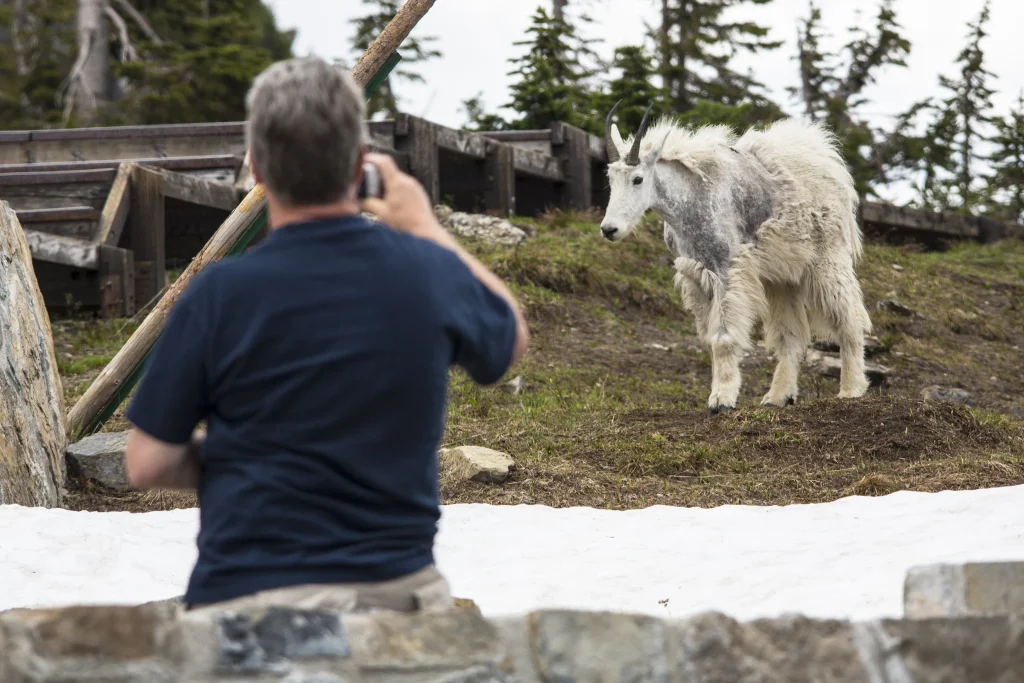
In our experience, Many Glacier is where Glacier National Park truly feels alive—grizzly grumbles near the meadows, moose along Swiftcurrent Lake, and mountain goats navigating the rockies above the trails. This area is a wildlife watcher’s dream, offering reliable chances to view big mammals throughout the growing season, and it’s one of the most enthralling activities we list for Glacier National Park wildlife watching.
We’ve found that early mornings and late evenings are prime for animal sightings, but you’ll still see activity through mid-day in shaded valleys. We recommend keeping binoculars handy and mounting a telephoto lens if you’re hoping for close-up shots without disturbing the animals. According to NPS data on Glacier’s mammals, species like grizzly bears, elk, moose, and mountain goats are regularly encountered in this sector; use that knowledge to plan your routes and timing.
Visitor Tips
- Plan dawn or dusk hikes for the best wildlife activity and cooler temperatures; try the Swiftcurrent Lake Trail or the Grinnell Glacier area for reliable views, but stay on established paths.
- Carry binoculars and a lightweight, compact zoom lens; give wildlife space—two vehicle-lengths is a good minimum distance for most mammals when you’re stopped.
- Join a ranger-led wildlife spotting program if available during your visit to get expert insights and learn where animals have been spotted recently.
- Never hike alone in bear country. We always tag along with at least one partner, carry bear spray, and know how to deploy it before we set out.
- Respect park regulations and posted signage; food storage and camp hygiene are critical in Glacier’s wildlife habitats to minimize attractants.
- For photography, be patient, keep a respectful distance, and use a longer lens to capture the scene without getting in the animals’ personal space.
Hiking the Highline Trail
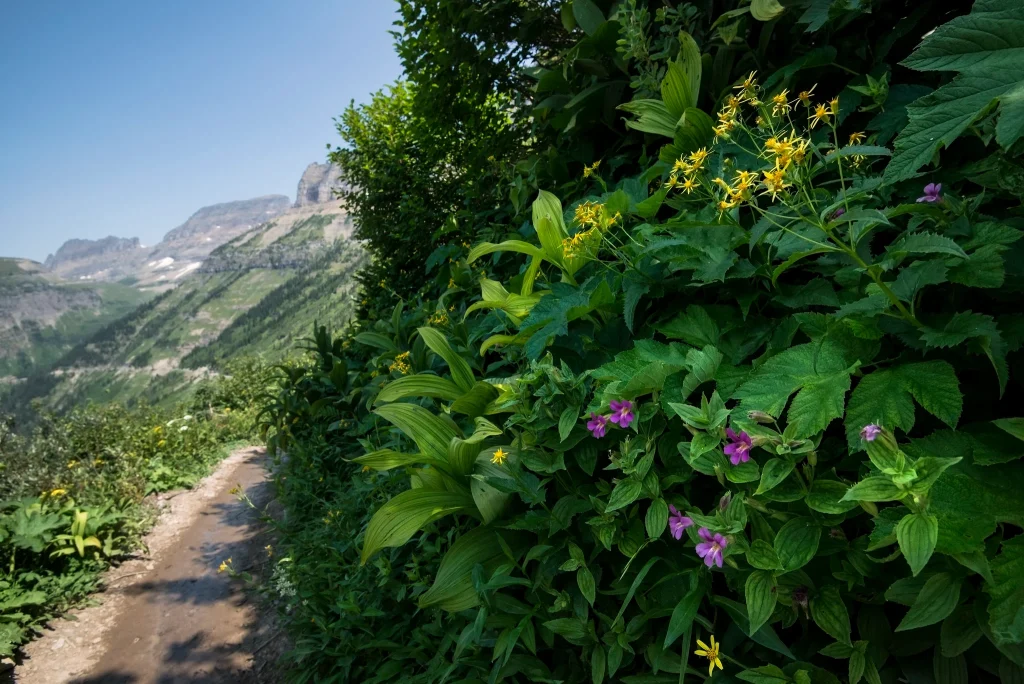
If you’re chasing a signature Glacier experience, the Highline Trail is the one that often leaves us breathless. In our experience, the true magic isn’t just the views—it’s the sense of walking a narrow ledge above wild alpine bowls, with safety cables reminding you to move with intention on the exposed sections.
We recommend starting at Logan Pass and planning a modest, all-day hike rather than rushing a long, strenuous push. The Garden Wall portion delivers dramatic vistas and constant perspective shifts; stay tethered to the cables on the most exposed ledges and savor each overlook as if you’re painting the canyon with light.
From our experience, the best payoff comes from an early start. Park at the Logan Pass Visitor Center lot before 6:30 a.m. in peak season to snag a spot and enjoy cooler, quieter trail conditions. Pack layers, a compact rain shell, and a lightweight method for filtering water from streams near the higher meadows—conditions change rapidly up there, even on calm mornings.
We’ve found that a mid-day turnaround near Granite Park Chalet or a short return to the trailhead keeps the miles doable without exhausting the legs. If you’re after solitude, consider visiting on weekdays or shoulder seasons when crowds thin and wildlife activity tends to pick up at dawn and dusk.
As always, keep your camera ready but secure it during bumps and windy alpine gusts. The Highline rewards patience with panoramic frames of Glacier’s jagged spires, wildflower-filled flats, and the Garden Wall’s dramatic silhouette—an experience we recommend to anyone chasing quintessential Glacier scenery.
What we’ve found: this is one of the best Glacier National Park hiking experiences for confident hikers who respect exposure and plan for changing weather. Our top pick among Glacier National Park hikes for those seeking a dramatic, close-to-the-edge encounter with peak scenery.
Picnicking at Lake McDonald
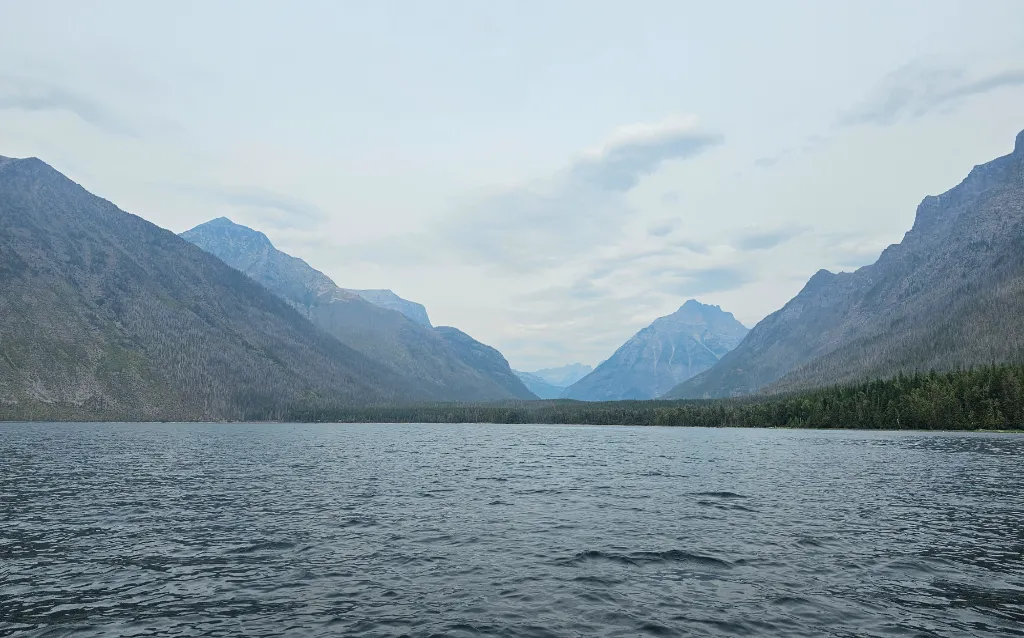
When we’re planning a Glacier National Park picnic, Lake McDonald is the kind of place that stops time—shimmering water, smooth pebbles, and shade from towering pines. In our experience, this spot makes for a worry-free afternoon with kids, a simple lunch, and a quick dip that never feels rushed.
Visitor Tips
- Arrive before 10:00 a.m. to snag a shoreline spot near the Larson Creek trailhead or in the Morning Sunbeams area—these are the most level for blankets and chairs.
- Expect water temps to stay cool even in July; bring water shoes and a quick-dry towel for a safe splash or a short swim.
- Pack a lightweight waterproof blanket or compact chairs since the beach lacks built-in seating; we like a small camp chair and a sun shade for mid-afternoon heat.
- Carry out all trash and leftover food; we’ve seen local wildlife curious about unattended snacks, so secure coolers and use the provided trash bins when available.
- Bring simple beach toys or frisbees for kids—Lake McDonald’s long shoreline offers endless occluded play zones that aren’t crowded on weekdays.
- Respect quiet hours and low-impact use guidelines in the Lakeshore Zone; follow park rules posted at the water’s edge to protect the shore’s natural habitat.
From our experience, Lake McDonald isn’t just a picnic stop—it’s a front-row seat to Glacier’s majesty. The moment you hear the water lap the pebbles as you unwind, it becomes clear why we return here year after year for relaxed family days, stone-skipping memories, and sunsets that make the mountains glow.
Iceberg Lake Trail

Hooking you from the first step, Iceberg Lake Trail delivers a dramatic payoff: the blue-green lake framed by towering granite and stray icebergs that linger well into summer. In our experience, the payoff often comes after the initial climb, when the peak silhouettes and the lake’s glassy surface come into view.
We typically start from the Swiftcurrent Lake area in the Many Glacier district, with a round trip of about 7 miles and roughly 1,400 feet of elevation gain. On our last visit, sturdy footwear and a layered system kept us comfortable as temperatures swung from cool shade to open sun along the alpine stretch.
Visitor Tips
- Plan for crowds and weather: Trailhead parking can fill by mid-morning, so aim for an earlier start or time your hike for late afternoon light. In our experience, the best photo light hits around 7:30–9:00 a.m. in peak season.
- Bear safety basics: This area is active bear country. Carry bear spray, know how to deploy it, and store food properly. NPS guidelines recommend keeping a clean camp and hiking in groups when possible.
- Trail readiness: The trail surface shifts from pine needles to rocky switchbacks. Bring a small daypack with water, snacks, a light layer, and sun protection; a lightweight fleece is handy for the summit breeze.
From our experience, Iceberg Lake isn’t just a hike—it’s a moment when ice and mountains seem to pause time. We recommend planning your visit with a buffer for wildlife viewing along the shoreline and a sunset return if you can swing it.
Fishing

Among Glacier National Park’s wide-open lakes, fishing Hidden Lakes stands out as a quietly rewarding pursuit—with alpine scenery to match every cast. In our experience, the still water and surrounding peaks deliver a rare sense of solitude that you simply don’t get in busier valleys. Glacier’s unique lakes require mindful angling to protect the park’s fragile aquatic life.
Visitor Tips
- Obtain a valid Montana fishing license before you head out, and follow Montana state regulations as well as Glacier’s park guidelines.
- We recommend checking the park’s fishing page for current rules on species, gear, and seasonal closures before your trip.
- Go light: a 4–6 weight fly rod with a 9–12 ft leader is our go-to for balance, maneuverability, and accuracy in tight spots near shorelines.
- Arrive early or late in the day for calmer waters and a more tranquil experience—peak midday can bring more boat traffic and gusty winds.
- Use barbless hooks to simplify catch-and-release and reduce handling stress on the fish.
- Avoid live bait; not only is it restricted in many Glacier locations, but it also disrupts the lake’s ecology more than necessary.
- Be prepared for sudden weather changes with layered clothing and water-resistant gear, especially in higher elevations.
- Practice Leave No Trace by packing out all waste and minimizing your footprint around shoreline habitats.
Camping Under the Stars
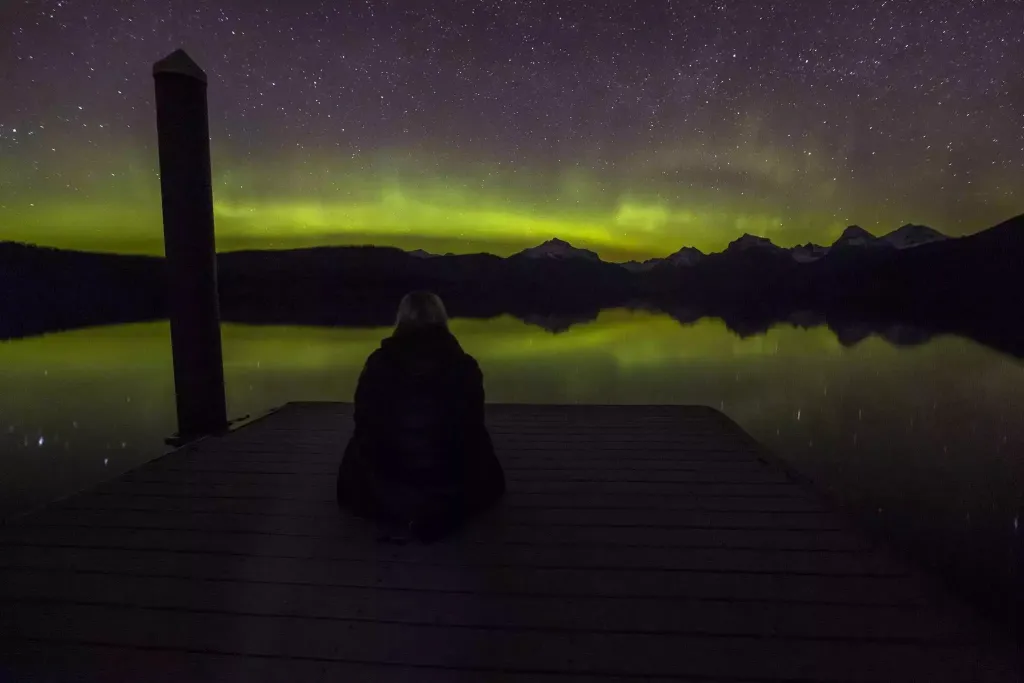
Stargazing in Glacier National Park is where the night sky feels truly endless. In our experience, the park’s campgrounds—from the forested loops near Apgar to the lakefront charm of Many Glacier—offer distinct ways to soak in the wilderness. Each site puts you closer to the stars and farther from the city lights, which is exactly what we’re chasing when we pitch a tent here.1
Visitor Tips
- Plan Ahead: Reserve your campsite well in advance, particularly if you’re visiting during the busy summer months when Glacier National Park camping options fill up quickly.
- Choose Wisely: Consider what you want from your camping experience—ease of access to trailheads (Apgar and Logan Pass are popular starting points), lakeside views, or the seclusion of a forest retreat.
- LNT Principles: Familiarize yourself with and practice Leave No Trace principles to preserve the pristine condition of the park’s campgrounds for future visitors.
- Stay Bear Aware: Keep all food items stored in bear-proof containers and maintain a clean campsite to avoid unwanted wildlife encounters. In high-traffic months, double-bag your snacks and secure cooler lids.
- Embrace the Quiet: Glacier’s peace is its charm. Be mindful of noise levels, especially during designated quiet hours, to allow all campers to enjoy the natural ambiance.
- Family Activities: Engage in family-friendly activities like campfire storytelling, stargazing, and exploring nearby trails to deepen your connection with the outdoors.
- Weather Prep: Mountain weather can change rapidly, so bring layered clothing, a warm hat, and a reliable rain shell to stay comfortable in varying conditions.
From our experience, the moment you crawl into a sleeping bag under a Montana sky is unforgettable—the crickets, the distant owl, and the Milky Way overhead remind us that Glacier is more than scenery; it’s a nightly invitation to reconnect with the wild.
Photography at Wild Goose Island Lookout
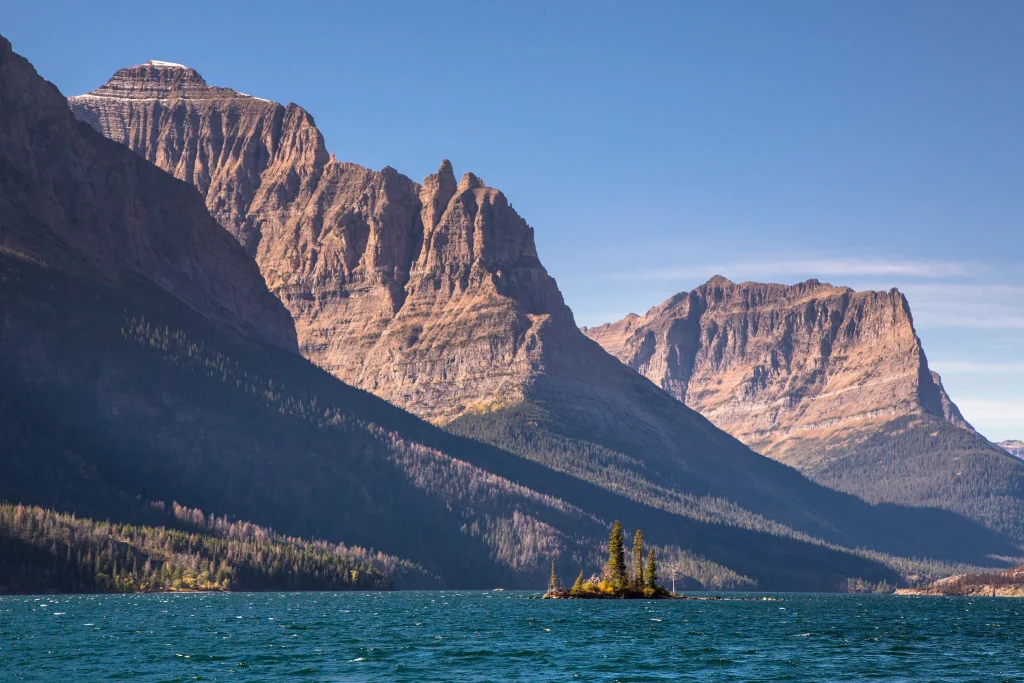
Seeing Wild Goose Island Lookout at first light is nothing short of magical, and we’ve chased that glow across countless trips. In our experience, the best vantage is from the far left edge of the St. Mary Lake overlook, where the surface mirrors the alpenglow as the peaks come alive before dawn. The payoff is real: a tranquil scene that feels almost painterly when the lake is glassy and the mountains are bathed in low-angled light.
Visitor Tips
- Arrive before sunrise to beat the crowds; in peak season, we’ve found parking at the St. Mary Lake trailhead fills by 5:30–6:00 a.m. on clear mornings.
- Camera settings: start with ISO 100–200, aperture f/8–11 for landscape sharpness, and bracketing to capture dynamic light as the sun climbs. A neutral density filter isn’t necessary here, but a polarizer helps deepen blue in the water.
- Lenses: bring a 24–70mm for sweeping lake-to-mountain frames and a 70–200mm for closer mountain details or wildlife glimpses along the shore.
- Weather and wind: dawn air can be brisk; we recommend a lightweight windbreaker and a sturdy tripod with a short center column to minimize shake on calm mornings.
- Share the space: this lookout gets busy as the light hits; give others room and rotate compositions to keep the scene feeling fresh for everyone.
- Wildlife note: keep an eye out for osprey overhead and occasional deer along the shore—great subjects if you’re patient and quiet.
From our experience, Wild Goose Island Lookout isn’t just a photo stop—it’s a ritual moment on a Glacier itinerary. The images we’ve captured here feel like snapshots of time, echoing the untamed serenity of St. Mary Lake and the surrounding peaks.
Horseback Riding Trails
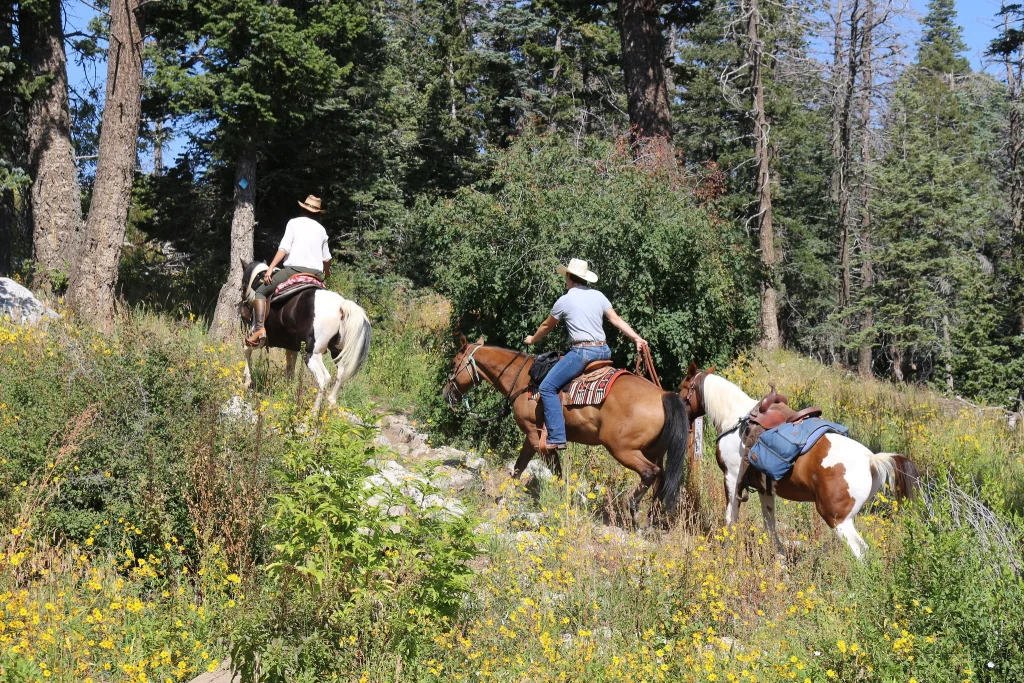
We’ve ridden Glacier’s backcountry on horseback many times, and every ride feels like slipping into a living postcard you can smell—crisp pine, cool river mist, and mountain air. Horseback experiences here aren’t just rides; they’re intimate arcs through valleys, forests, and alpine meadows that stick with you long after you dismount. For context, check the official NPS horseback rides page before you plan your day.
Visitor Tips
- For beginners or travelers without a stock of mounts, we recommend booking a guided ride—these sessions include safety briefings, wildlife awareness tips, and park history you won’t get on your own. Look for slots at Lake McDonald Stables or Two Medicine Outfitters early in the season.
- Dress for movement and weather: long pants, closed-toe boots with a heel, and a light waterproof layer. In our experience, storms can roll in fast from the Continental Divide, so bring a thin rain shell even on sunny mornings.
- Pack a compact camera with a secure strap; the Lake McDonald and Many Glacier corridors offer dramatic light that’s forgiving for handheld shots—but hold onto your hat during the trot.
- Check trail status ahead of time. Some routes close temporarily due to wildlife activity or grazing regulations. Respect trail guides’ instructions—your safety and the horses’ comfort come first.
- Safety first: verify horse handling rules with the outfitter, ride at a pace that matches your confidence, and keep a steady, calm posture to help the horse stay relaxed on busy or uneven sections.
| Trail | Difficulty | Scenery Highlights | Trail Length |
|---|---|---|---|
| Lake McDonald Trail | Easy | Lake McDonald, Cedar Forests | 3 miles |
| Many Glacier Trail | Moderate | Grinnell Glacier Viewpoint, Alpine Meadows | 8 miles |
| Two Medicine Trail | Challenging | Two Medicine Lake, Waterfalls | 10 miles |
Each ride offers a distinct window into Glacier’s wilderness. The Lake McDonald route is ideal for families or first-timers seeking a relaxed pace, while the Many Glacier trip rewards you with sweeping panoramas and closer-up glacier views. For seasoned riders looking to stretch their legs, the Two Medicine route delivers remote vibes and serene, less-traveled terrain. In our experience, the best days often start early; quiet trails and calmer horses translate to richer wildlife glimpses and a more memorable ride.
Kayaking and Canoeing on Two Medicine Lake
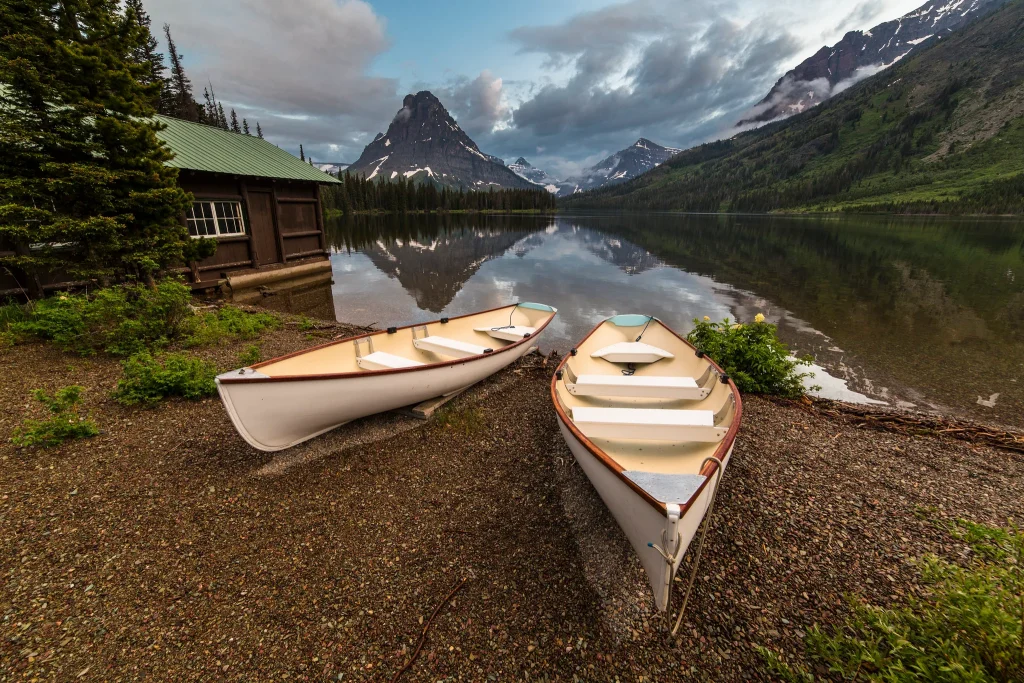
From our experience, gliding across Two Medicine Lake is a highlight of a Glacier visit—clear water, dramatic peaks, and a sense of quiet you won’t find in the busier hubs. The surroundings invite both paddlers and wildlife watchers alike, and the experience is accessible for families and first-timers as well as seasoned floaters.
Two Medicine Lake is typically quieter than the more famous sections of the park, which makes it ideal for a peaceful paddle. We recommend starting from the Two Medicine Boat Dock area to access calmer, shallow shores before venturing toward the open lake—plus you’ll find nearby rental options if you need to gear up for the day.
Visitor Tips
- Check the wind forecast before you go; light morning air often creates smoother water early in the day.
- In our experience, mornings or late afternoons offer calmer waters and fewer crowds, making for a more intimate lake experience.
- Bring PFAS-free sunscreen and wear a hat—summer sun at altitude can bite, even when the water looks cool.
- Life jackets for all participants are essential; we always load up with properly sized PDFs from the rental shop before launching.
- Pack a lightweight dry bag for snacks, camera gear, and a small windbreaker—conditions can shift quickly on the water.
- Watch for wildlife along the shore, including moose and bald eagles—keep a respectful distance and never approach animals.
- Observe Leave No Trace: pack out trash, avoid disturbing shore habitats, and stay on official launch paths to protect the shoreline.
Two Medicine Lake offers a family-friendly, scenery-rich paddle that captures the essence of Glacier’s tranquil side. In our experience, it’s a gentle, unforgettable way to experience the park’s natural beauty—often with a close encounter with the moose or an eagle overhead if you time it right.
Avalanche Lake Hike

Seeing Avalanche Lake feels like stepping into a living postcard, and on our last visit the glow of the alpine water paused us in our tracks. The trail is especially rewarding for families and casual hikers, offering a steady, well-maintained path through cedar groves and open meadows with the mountain backdrop never far away.
In our experience, the hike is approachable for many, with the payoff arriving at the lakeshore where cascades tumble into the water and the reflections of jagged peaks shimmer in the surface. It’s a great introduction to Glacier’s wilderness without the intensity of higher-altitude routes, yet still feels genuinely remote at the right times of day.
Visitor Tips
- Wear sturdy hiking shoes and watch for slick roots and damp switchbacks, especially after recent rain or in the early morning fog.
- Bring a camera and a small microfiber cloth—the lake’s glassy surface can reveal striking reflections of the surrounding peaks.
- Pack water and a light snack; even a short hike benefits from a quick energy boost before you linger by the shore.
- Arrive early to secure parking and enjoy the area before crowds build; later in the day you may find the main lot fills fast.
- Be wildlife aware; Glacier’s fauna are part of the experience, but keep a respectful distance and secure food to avoid attracting bears.
- Check current conditions before you go—the trail can be affected by weather, and water levels in the lake can rise with early-season runoff.
From our experience, Avalanche Lake is a reliable, family-friendly outing that delivers the essence of Glacier without demanding a strenuous climb—yet it never feels like you’re compromising on scenery. We recommend planning this as a morning hike to enjoy soft light on the water and quieter trails, especially in peak season.
Exploring the Trail of the Cedars
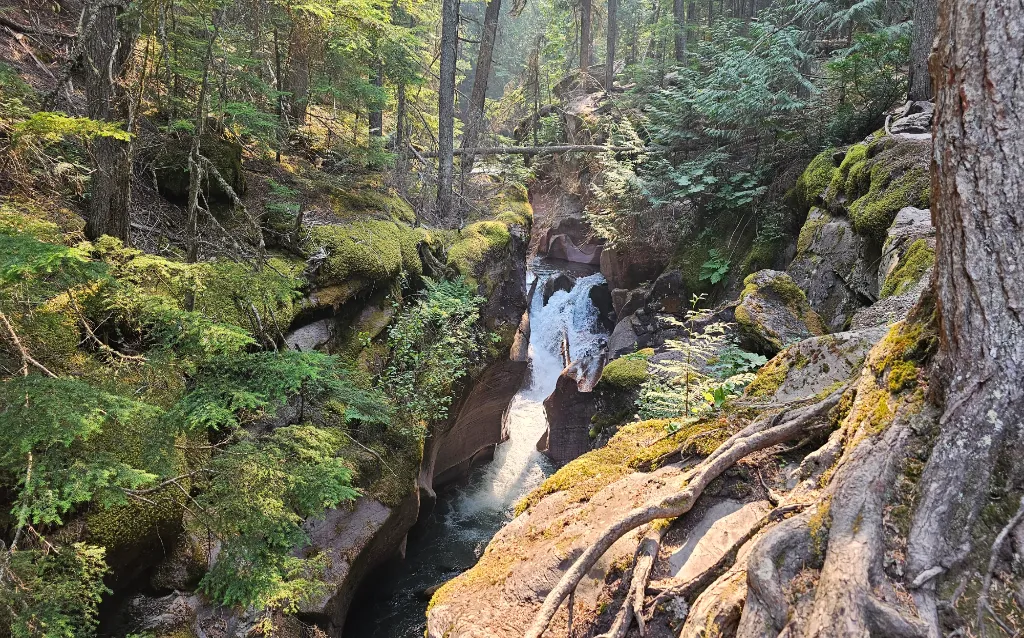
Step into an ancient forest where cedar giants rise along a sun-dappled boardwalk. In our experience, the Trail of the Cedars is a must for Glacier visitors seeking an easy, wheelchair-accessible forest stroll that still delivers timeless wonder.
Immersing myself in the enchanting ambience of the ancient forest, I set out to discover the Trail of the Cedars, a quintessential attraction for all seeking Glacier National Park family-friendly activities. With each step on the fully accessible boardwalk, I marvel at the towering cedars that have withstood countless seasons, each tree telling a story of resilience in the face of time.1
Visitor Tips
- Accessibility is a hallmark of this trail, ensuring that whether you have small children with strollers or require a wheelchair to explore, all can enjoy the splendor of this pristine environment.
- The loop, though tranquil and less demanding, is ripe with the marvels of nature—perfect for families or individuals in search of leisurely Glacier National Park activities.
- A highlight of this journey is the waterfall that greets you towards the end—offering a soothing soundtrack to your forest perambulation and a refreshing mist on a warm day.
- For those of us who carry our cameras like an extension of our being, the Trail of the Cedars does not disappoint. With the light filtering through the verdant canopy, each photograph captures a delicate dance between shadow and luminescence.
- As you trek, remain hushed and attentive; the forest is a living mosaic of ecosystems where even the subtlest sounds—from the rustling of leaves to the distant call of a bird—add an inimitable layer to the experience.
- If you find the natural beauty halting your journey with frequent stops for admiration, starting your walk earlier in the day leaves room for unhurried exploration and reflection.
This narrative journey along the Trail of the Cedars is more than a simple walk; it’s a gentle immersion into the heart of the wild, offering a soothing encounter with nature’s majesty and reaffirming its place as a cherished chapter in my ongoing exploration of Glacier National Park’s wonders.
Participate in a Ranger-Led Program
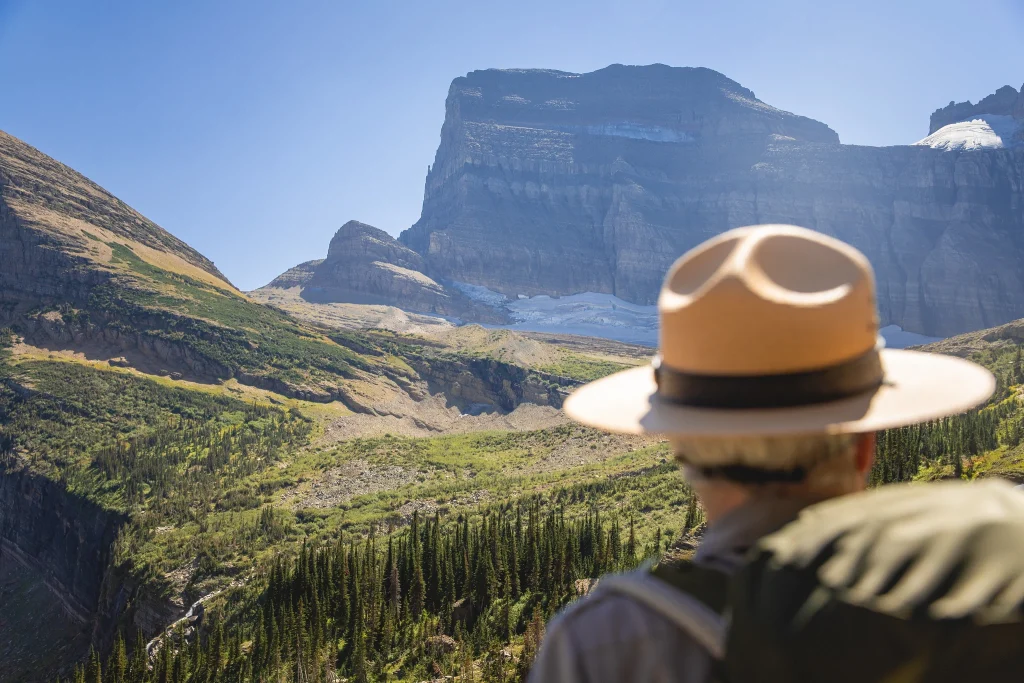
From our experience, ranger-led programs are a highlight you shouldn’t miss when visiting Glacier. They deliver more than a walk—you’ll gain firsthand insight into Glacier’s history, wildlife, and the park’s ongoing conservation challenges, guided by people who know the land deeply.1
Visitor Tips
- Check the official Glacier schedule online before you go; popular programs fill fast, especially in July and August.
- Look for topics that match your interests—animal behavior, wildflowers, night sky programs, and backcountry geology are common offerings.
- Plan to dress in breathable layers and wear sturdy shoes, since some talks involve short walks on uneven terrain.
- Bring water and a light snack for longer sessions; some programs run 90 minutes or more with limited breaks.
- If you have binoculars or a field guide, bring them—rangers often point out subtle wildlife signs you might miss otherwise.
- Engage with the ranger after the program; their stories and tips can enhance the rest of your trip.
- Reserve spots in advance when possible and note the meeting point and parking lot for the program’s start location.
Visit the Historic Many Glacier Hotel
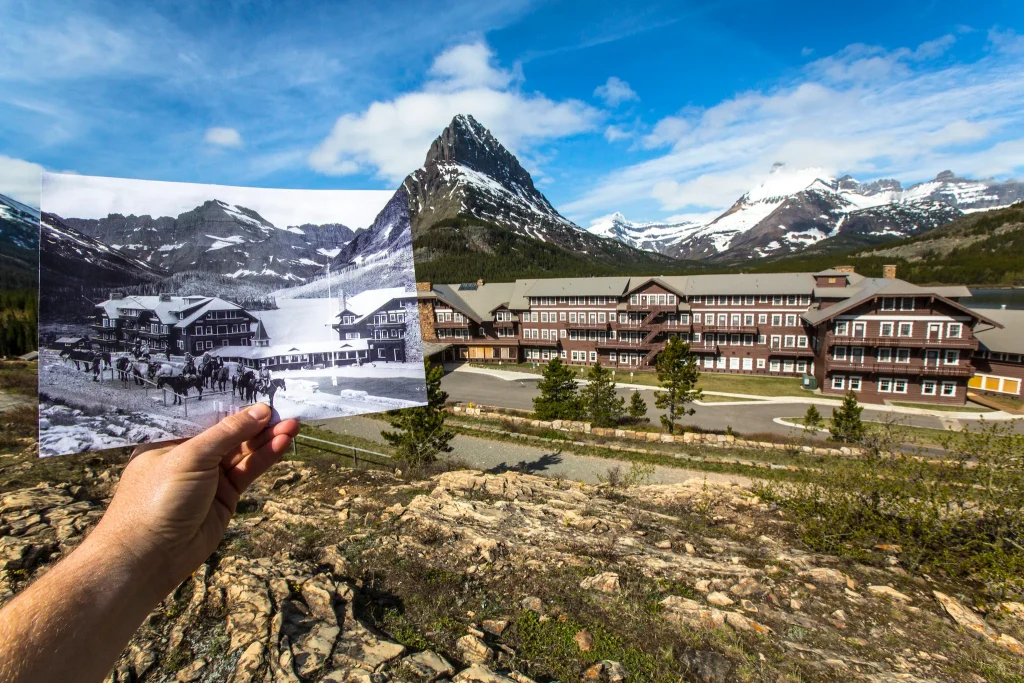
A night at the Many Glacier Hotel feels like stepping into a living postcard, with the Swiss-Chalet silhouette and Swiftcurrent Lake’s glassy surface just outside your door. In our experience, the seven-story lobby and wraparound porches make it easy to linger for sunrise reflections or a post-hike drink while keeping the park’s legendary grandeur in view.
From the hotel’s doorstep, you can quickly hop onto some of Glacier’s most-loved trails and viewpoints. We recommend planning morning outings from the hotel to beat the bustle, then returning for a hot midday meal in the dining room that serves meals with a view as good as the view itself. The setting also offers easy access to history-rich experiences inside the property, perfect for cool-weather days or when you want a quieter moment in the park’s story.
Visitor Tips
- We’ve found the hotel’s location to be ideal for both photography and sunset moments over Swiftcurrent Lake; position yourself on the lake side for best light and fewer crowds in the late afternoon.
- Book early and consider a midweek stay if possible—peak season brings a steady stream of visitors, so shoulder-season visits (late September can offer fall color with calmer trails) work well for a more relaxed pace.
- Take time to explore the hotel’s interiors and the surrounding historic rooms; the lobby and public spaces offer storytelling touches about Glacier’s past that complement the outdoor visits.
- For hikers, the hotel serves as a convenient base to start quick lake-to-viewpoint routes or take longer days on the Grinnell/Cracker Lake corridors—in our experience, morning starts here reduce afternoon crowds on popular routes.
- Photography fans should bring a wide-angle lens for the lake-and-hotel backdrops and a telephoto for wildlife or distant peaks; we’ve spotted moose and early-morning raptor flights from the grounds at certain times of year.
Backpacking in the North Fork
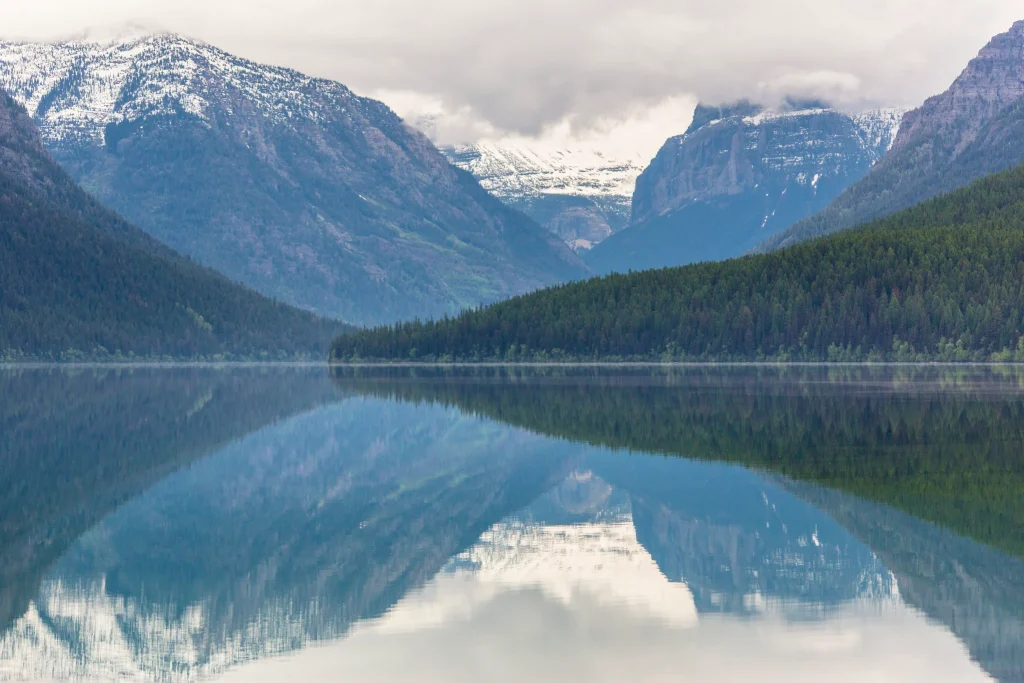
From the moment we step onto the North Fork trail system, we feel like we’re entering Glacier’s best-kept secret. This region rewards those who plan ahead and value solitude, especially in the shoulder seasons when footprints are fewer and the bears are busy with berries. In our experience, Bowman Lake is a reliable gateway—start there, then connect to the backcountry routes that thread through the cedar flats and alpine bowls.
Visitor Tips
- Expertise is Key: Since North Fork is off the beaten path with limited access and facilities, make sure you have the necessary backcountry skills to navigate and camp safely.
- Pack Wisely: The right gear matters. Bring a backpack filled with essentials, keeping it light enough for your trek, but don’t skimp on necessities like food, water filters, and safety equipment.
- Bear Country Precautions: Carrying bear spray and a bear canister for food is a non-negotiable requirement in this wilderness haven. Always maintain a safe distance from wildlife.
- Camping Permits: Look into securing the necessary Glacier National Park camping options well in advance, as permits can be limited and are often required for overnight stays. In our experience, backcountry permits for North Fork are issued in limited numbers and can be snagged during weekday draws or via the nightly lottery window online.
- Leave No Trace: Commit to leaving the pristine environments of the North Fork exactly as you found them. This means packing out all of your waste and minimizing your impact.
- Weather Awareness: Conditions can change rapidly; be prepared for any eventuality from rainstorms to sudden temperature drops. Layer your clothing and expect the unexpected.
- Route Planning: With limited trail markers in places, brushing up on your orienteering skills with a map and compass or GPS device can prevent mishaps during your adventure.
For an explorer like us, there’s a unique freedom in charting our own route through North Fork’s quiet expanse. We’ve found that true backcountry immersion here isn’t about ticking sites—it’s about the day’s pace, the water’s quiet cadence, and the practical art of campcraft. As night settles, Bowman Lake’s glassy reflection becomes a reminder that Glacier’s North Fork rewards patience, precise planning, and a willingness to slow down and listen to the wild.
Sunset Watching at Lake McDonald
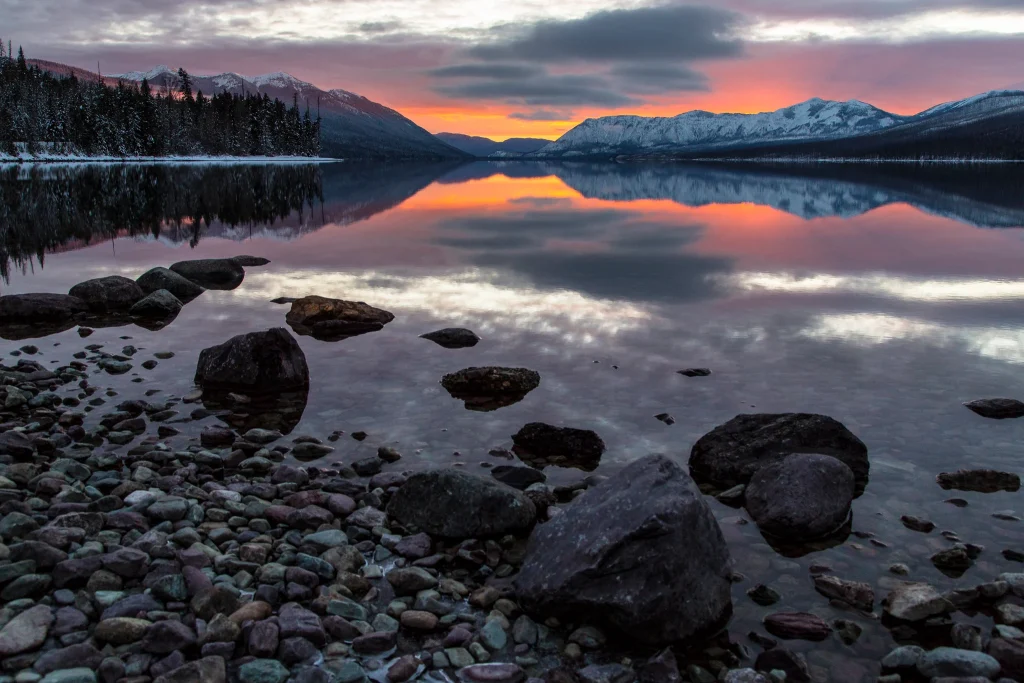
When the sun slips behind Mount Reynolds, Lake McDonald becomes a living mirror, turning the water and sky into a single electric canvas. In our experience, this is the moment that defines a Glacier National Park sunset—the kind you’ll remember long after you pack away your gear. For photographers and lovers of quiet beauty alike, this spot delivers.
Visitor Tips
- Arrive 45 minutes to an hour before sunset to secure a mellow, less crowded vantage from the shores of the Lake McDonald Lodge area or the nearby dock at Johnson’s Point. We recommend the dock if you want reflections with Mountaintop hues in the background.
- Bring a collapsible chair and a lightweight tripod;咲 the shorter exposure windows can be tricky, but the glassy lake rewards patient long-exposure shots. From our experience, a 2- to 4-second exposure at dusk captures the color wash without blowing out the highlights.
- Scout your viewpoint earlier in the day: the lake’s many angles—かわ at the Bowman Bay side or the fireboat pullout near the Lodge—offer distinct compositions for your sunset series.
- Be mindful of sudden Marion Creek winds that can ripple the lake surface; if you see wind moving across the water, switch to a higher vantage or a shorter exposure to keep the sky’s color intact.
- Dress in layers and bring a warm blanket; temperatures drop quickly after sunset, and a little warmth makes the wait more enjoyable for everyone nearby.
- Respect other visitors’ space and keep voices low; this moment is as much about the shared quiet as it is about the light show. We’ve found that a few minutes of hushed appreciation goes a long way here.
- Follow Leave No Trace principles and pack out all trash; the lake’s edge is fragile, and small gestures preserve the scene for future photographers and hikers.
The serene hush as day gives way to twilight at Lake McDonald is where Glacier’s grandeur truly settles in. From our experience, this is not just a photo opportunity but a mindful pause in the day—the moment we reach for our cameras and our calm in equal measure.
Cross-Country Skiing in Winter
 kalispell-1024x681.webp" alt="White Tail Deer ">
When the snow hush settles, cross-country skiing in Glacier reveals a side of the park that few summer visitors ever see. In our experience, the Apgar and St. Mary areas offer a welcoming mix of groomed loops and skinnier backcountry routes that suit every level, from first-timers to seasoned Nordic enthusiasts.
The quiet is contrasts beautifully with the park’s winter colors, and you’ll notice wildlife tracks and distant alpine silhouettes that feel almost magical on a clear day. According to NPS guidance, always check current trail conditions and avalanche forecasts before you go, since winter hazards can change quickly.
Visitor Tips
- Check Trail Conditions: Prior to venturing out, it’s crucial to assess the latest trail conditions and avalanche risks, ensuring a safe cross-country journey.
- Select Suitable Gear: Dressing in layers and equipping yourself with the right skiing gear can make all the difference to your adventure experience in the snowy expanse.
- Start Early: Hitting the trails early in the day allows one to capture the tranquil essence of the park’s winter wonderland at its finest.
- Respect the Silence: One of the greatest gifts of skiing across Glacier’s winter landscape is the profound silence it offers; maintaining a quiet presence allows me and fellow skiers to revel in the sound of nature’s solitude.
- Stay on Marked Trails: For the preservation of the natural habitat and personal safety, it’s essential to stick to the marked trails throughout your skiing adventure.
- Plan for Emergencies: Carry a basic first aid kit, navigation tools, and an emergency whistle; these essentials pay off quickly if weather shifts or you’re stuck in wind chills.
Rafting on the Flathead River

The Flathead River offers a clean slate of wide-open wilderness and thrilling rapids, all just outside Glacier National Park’s borders. In our experience, the river is best enjoyed with a guided outfit, but skilled groups can opt for a self-led paddle on calmer stretches. Either way, you’ll feel the park’s wild heartbeat at each bend.1
Visitor Tips
- Choosing Your Float: We recommend starting with the Upper Middle Fork for a relaxed introduction, then graduating to the Lower Middle Fork if you want more momentum and spray in your hair.
- Safety Essentials: Always wear a properly fitted PFD and listen to your guide’s briefing. Our guides insist on a quick safety drill before loading the boats, even for experienced paddlers.
- Plan Your Day: Peak-season runs fill quickly, so book at least 6–8 weeks ahead. If you’re visiting in July or August, aim for weekday trips to dodge crowds.
- Weather and Gear: Water can feel brisk in the morning; we often wear lightweight wetsuits or splash jackets during spring and fall tours. Bring a dry bag for cameras and valuables.
- Wildlife and Scenic Highlights: Look for eagles above the cottonwoods and herds of moose along riverbanks in early morning light—our best sightings happened just after sunrise.
- Leave No Trace: We follow strict pack-in, pack-out rules and minimize noise to respect wildlife and fellow floaters.
- Photography Prep: Use a wrist strap and a waterproof camera case; the river’s spray is relentless, but it makes for dramatic landscape shots.
As the river threads its way through the valley, your raft becomes a moving front-row seat to Glacier’s rugged beauty. In our experience, a Flathead float delivers not just adrenaline, but a deep sense of place—perfect for sharing around the campfire at dusk.
Conclusion
If Glacier National Park were a canvas, the opening stroke for us is stepping onto the Going-to-the-Sun Road at sunrise, when the peaks glow and the air feels electric. In our experience, the best photography starts early—capture Wild Goose Island from the Sinopah Overlook, or photograph Lake McDonald’s shoreline just as the light shifts across the water. We’ve found ranger programs near Many Glacier and the Grinnell area offer practical wildlife tips and history that enrich every shot.
The memories we cherish run as deep as the park’s valleys—the still, glassy surface of Lake McDonald at sunset, and the awe-inspiring sightlines toward Grinnell Glacier. We’ve also had the thrill of spotting a grizzly from a safe distance along the Logan Pass area, and we always keep a respectful buffer to protect both wildlife and visitors. Those moments, paired with a perfectly framed view of Wild Goose Island, stay with us long after the trip ends.
Glacier National Park is a living work of art, inviting solitude and shared adventure in equal measure. From our experience, plan for shoulder-season windows when Going-to-the-Sun Road is open and parking at popular spots like Logan Pass is less hectic—plus you’ll catch fewer crowds at sunrise and sunset. We recommend packing bear spray, carrying microspikes for early-season ice, and checking current park advisories before you go, so you can tailor your visit to the park’s ever-changing conditions.
FAQ
What activities can I do in Glacier National Park?
In our experience, Glacier National Park remains a playground of spectacular options, from dramatic road trips to quiet backcountry moments. We recommend starting with the Going-to-the-Sun Road for jaw-dropping scenery, then pairing it with hikes like Grinnell Glacier or Iceberg Lake to savor Glacier’s iconic horizons and turquoise lakes.
We’ve found that a mix of activities keeps the trip balanced: wildlife viewing in Many Glacier, a calm paddle on Swiftcurrent Lake, and starry skies above Logan Pass after sundown. Remember practical basics—mountain weather changes fast, pack bear spray where required, and check current NPS closures before you go; in our experience, a well-timed visit to Swiftcurrent Lake and a sunrise drive to Logan Pass offer some of the most rewarding moments in the park.
Do I need a reservation to drive on the Going-to-the-Sun Road?
If you’re planning the Going-to-the-Sun Road in peak season, a vehicle reservation is a must. In our experience, securing a date early is the difference between a smooth day and scrambling to find parking.
We recommend checking the Glacier National Park official website regularly as reservations open. They typically release windows several months before peak season, and those slots fill quickly. If your preferred date fills up, consider shoulder days or an early start, and use park transportation options where available to reach the Logan Pass area without stressing over parking. Always verify current road conditions before you depart, as weather can prompt partial openings or closures that affect your plan.
What are some family-friendly activities in Glacier National Park?
If you’re planning a family visit, Glacier serves up easy, unforgettable moments without demanding hikes. We’ve found that simple, hands-on experiences make the park come alive for kids and grandparents alike.
Try a relaxed boat tour on Swiftcurrent Lake to spot loons and eagles, and check the latest ranger-led programs for family-friendly talks and short strolls. In our experience, arriving early to the Many Glacier area helps you snag parking and a quieter viewing spot for wildlife along the shore.
Lake McDonald’s shore is perfect for a lazy picnic and shore-watching, while the Trail of the Cedars offers an accessible, paved loop that’s ideal for strollers. We recommend pairing the boardwalk with a short stop at the Avalanche Creek overlook for a photo with the park’s famed conifers in the background.
For water time, consider kayaking on Two Medicine Lake—it’s usually calmer than the bigger lakes and there are rental options near the trailhead. Pack a compact lunch and a thermos; the Two Medicine area has scenic picnicking spots with fewer crowds on weekdays, based on our visits.
Wildlife watching is a big draw, but follow park guidelines: keep 100 yards from bears, stay on designated paths, and store food properly. In our experience, dawn or late afternoon visits yield more wildlife sightings and cooler temps for little hikers.
Where are the best spots for wildlife viewing in the park?
For wildlife viewing, the Many Glacier valley is where we consistently spot grizzly bears, moose, and mountain goats from a safe distance. In our experience, the best vantage points are along the Swiftcurrent Lake area near the Swiftcurrent Dam overlook and along the Cracker Lake Trail corridor, where animals often graze near shoreline meadows. We recommend staying alert to park guidelines: keep at least 100 yards from bears and other wildlife, never feed them, and use a wide, respectful berth when observing from trails or overlooks.
Can I go camping in Glacier National Park?
From our experience, camping in Glacier National Park is a highlight you shouldn’t skip—whether you’re chasing alpine sunsets by Apgar Lake or waking to mountain air near Many Glacier. The park offers several established campgrounds, including Apgar, Fish Creek, St. Mary, Two Medicine, and Many Glacier, plus backcountry options for those with permits. We recommend using Recreation.gov well in advance, as front-country sites fill quickly in summer; some campgrounds offer limited walk-up or first-come spots, but plan ahead.
We’ve found the quieter spots are often along Two Medicine Road or in the Many Glacier area midweek. Each campground has its quirks—Apgar tends to be popular and can be noisy near the lake, while Fish Creek feels more secluded but fills early—so arrive early or have a backup. Always follow Leave No Trace principles, store food properly to deter bears, and check current NPS advisories for fire restrictions or road status before your trip. What we’ve learned: book early, arrive early, and stay flexible if a specific site is taken.
What are some of the best trails for hiking in Glacier National Park?
If you’re chasing a Glacier National Park hiking highlight, these trails consistently deliver after we’ve explored the park from shore to summit. The Highline Trail from Logan Pass, Grinnell Glacier, Iceberg Lake Trail, Avalanche Lake Hike, and the family-friendly Trail of the Cedars each offer distinct scenery and memorable moments in Glacier’s rugged wilderness.
In our experience, start early to beat crowds and unpredictable afternoon weather. For the best experience, we recommend parking at Logan Pass for the Highline Trail, using the Many Glacier area to access Grinnell Glacier, and beginning Iceberg Lake from the Swiftcurrent Lake area. Avalanche Lake and Trail of the Cedars offer more relaxed options—Avalanche Creek’s trailhead is a solid choice for a short, scenic hike, while Trail of the Cedars is perfect for families eager to stroll through ancient cedars without a long day in the backcountry.
Are there any beginner-friendly hikes in Glacier National Park?
If you’re just getting your feet wet in Glacier, start with our favorite beginner-friendly options that still feel Wild and memorable. The Trail of the Cedars is a wheelchair- and stroller-friendly loop with a sturdy boardwalk, making it a must-try for first-timers. We recommend starting mid-morning to enjoy the quiet and to keep the boardwalk surface comfortable as the day warms up.
In our experience, the Avalanche Lake hike is another excellent choice for beginners and families, thanks to its moderate effort and spectacular shoreline scenery. Park at the Trail of the Cedars or the nearby Logan Pass area, plan for a relaxed pace, and bring a light layer for the higher sections. We suggest timing this one for the late morning or early afternoon when wildlife activity is lower and the crowd levels are more manageable.
Where can I find the best photography spots in the park?
In our experience, Glacier’s photography magic happens early and late, with several proven spots you can count on. Wild Goose Island Lookout on St. Mary Lake delivers that classic silhouette and serene reflection when the morning light is soft and crowds are light. We also love the sweeping vistas along the Going-to-the-Sun Road near Logan Pass for dramatic mountain profiles, and the Lake McDonald shoreline at sunset for fiery alpenglow. Plan ahead: arrive with a clear plan, bring a sturdy tripod, and pack a versatile lens (23–70mm or 24–70mm) to cover wide landscapes and tighter detail shots.
Is backcountry camping allowed in Glacier National Park?
Backcountry camping is allowed in Glacier National Park, but a backcountry use permit is required for all overnight stays. In our experience, these permits are handled through Recreation.gov and can book up quickly in July and August, so we recommend planning as far in advance as possible.
The North Fork region stands out as one of the park’s most remote backpacking areas, so come prepared for long approaches, limited water sources, and bear safety duties. We’ve found that carrying a bear canister and following strict food-storage practices, along with basic NPS backcountry regulations, makes a big difference for a safer, more enjoyable trip.
What adventure experiences are available at Glacier National Park?
If you crave an adrenaline rush, Glacier National Park delivers adventure at every turn. In our experience, rafting on the Flathead River with a licensed outfitter gives you quick access to swift water and scenic views, while guided horseback rides let you explore backcountry corridors without committing to a multiday trip.
We recommend booking early for peak season and checking current river conditions and permit requirements—these details are updated by outfitters and park staff alike. For hikers, expect exposed edges and dramatic panoramas on backcountry routes, and plan for variable weather with a sturdy layers system and a solid plan for trailhead parking.
During winter, the landscape transforms into a quiet playground for cross‑country skiing and snowshoeing. In our experience, the Going-to-the-Sun Corridor becomes a serene gateway for Nordic routes, with the safest options found on groomed trails near the Apgar area and inside the McDonald Creek zone—always follow park winter safety guidelines and avalanche advisories before you head out.
Are ranger-led programs available to visitors?
Ranger-led programs offer Glacier’s stories in vivid, on-the-ground detail. In our experience, you can catch wildlife talks, geology walks, and park-history lectures most evenings at venues like Logan Pass Visitor Center and the Apgar Amphitheater. Check the official NPS schedule, reserve when possible, and arrive 15 minutes early to snag a seat, since many programs run 60–90 minutes and may include a short walk.
Can I go fishing in Glacier National Park?
We’ve found that fishing in Glacier National Park’s high-mountain waters—like Hidden Lake near Logan Pass—can be a wonderfully serene moment in the day. In our experience, you’ll need a valid Montana fishing license and must follow the park’s fishing regulations in addition to state rules; these details help ensure the resource stays healthy for future trips. Plan for weather and footing: the lake is chilly, winds can whip up quickly, and access near the shore often requires careful footing, so bring a sturdy rod, polarized sunglasses, and consider a wading staff if you’ll cast from streams. Always check the current conditions and any access advisories on the official NPS Glacier National Park page before fishing to avoid surprises.
What options exist for boating in the park?
Glacier National Park’s waterways offer a refreshing way to see the scenery from a different angle. In our experience, a guided boat tour on Swiftcurrent Lake is a great intro to the park’s valley views and distant peaks, especially during early-morning light.
We’ve also found that kayaking or canoeing on Two Medicine Lake gives you a quieter, more intimate shoreline experience, with shoreline campsites and boat ramps accessible from the Two Medicine Campground area. For a relaxed float, the Flathead River offers scenic sections that are perfect for families or beginner paddlers, with rental and guided options available nearby. Remember to check current park regulations (PFDs required by NPS, noise restrictions in certain corridors) and dress for wind and variable weather in Glacier’s high country. From our experience, arrive early to secure equipment rentals, and always verify the day’s water level and wind forecasts with the concession operators before you head out.
Is there accessible accommodation within Glacier National Park?
Yes. In our experience, Glacier National Park offers several accessible in-park lodgings, anchored by the historic Many Glacier Hotel and Lake McDonald Lodge. These options provide on-site meals, comfortable rooms, and quick trail access to nearby favorites like Swiftcurrent Lake and the trailheads along Going-to-the-Sun Road.
Reservations are essential, especially during the peak June–September window. We recommend booking at least 6–9 months in advance for summer stays, and looking for midweek dates to dodge heavier crowds. If you’re driving, staying near Lake McDonald can cut drive times to popular trailheads; if you prefer quieter mornings, aim for sunrise access from Many Glacier before buses and crowds arrive.
What should I know before visiting Glacier National Park for the first time?
First-time visitors should be aware of the need for certain reservations, be prepared for varying weather conditions, plan activities according to personal and family abilities, follow safety regulations around wildlife, and ensure they are equipped with the appropriate gear for chosen activities.