
Yellowstone Itinerary: 1, 3, 5 & 7 Days, In Order
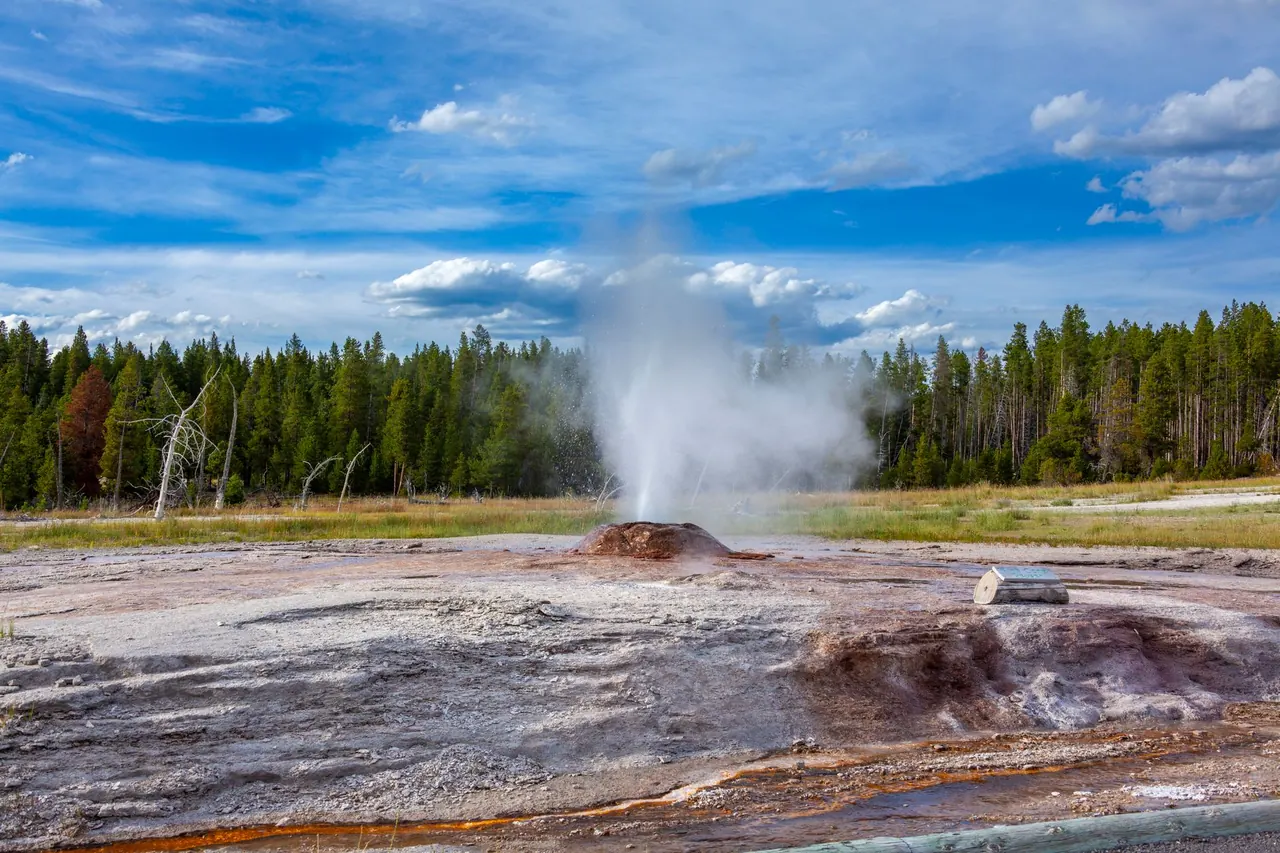
Yellowstone National Park
Pick your days. The park is built in order.
The Grand Loop is a 140-mile figure eight, and about 50 road miles separate Old Faithful from Canyon at a 45 mph limit. Day 1 is the one-day plan: pick a side and work it well. Every extra day adds the next area in order, so a 3-day trip is days 1 to 3, a 5-day trip is days 1 to 5, and a week is all seven.
How many days do you have?
Showing all 7 days. Pick a length to see only the days that fit.
Last updated September 4, 2026 How we research
Named pins show available locations. Lines are schematic, not driving directions; this map may not include every stop.
Every good Yellowstone plan starts with the same uncomfortable number: the Grand Loop is a 140-mile figure eight, and about 50 road miles separate Old Faithful from Canyon at a 45 mph limit with routine wildlife jams. "We'll just swing by" is how trips die here. So the order below covers one area per day, sequenced so dawn goes to the wildlife valleys and midday goes to the geyser boardwalks. Day 1 is the west-side geyser day, because that's the trip most first-timers actually came for. Day 2 flips to Hayden Valley at dawn and the canyon at midday. Day 3 goes north to Mammoth and Lamar, the wolf-watching valley.
Five days adds the lake district at West Thumb and Mount Washburn, the itinerary's one real summit, both with hard calendar edges — Dunraven Pass closes October 12, 2026, and most park roads close October 31, 2026. A week adds a second, quieter geyser basin at Norris, an evening in West Yellowstone, and a second dawn in whichever valley delivered less than you hoped the first time. Every stop below links to its own page on this site with photos, hours, and directions.
Day 1 West side: Old Faithful and the Firehole corridor
One day in Yellowstone: the geyser side, done right
Pick a side of the park and work it well. The full loop is not a one-day trip.

- 150+geothermal features within a mile of Old Faithful
- ~102 minmedian gap between Old Faithful eruptions
- ~30 minWest Entrance to Madison Junction
Enter from West Yellowstone, the park's largest gateway town, and let the geysers set the pace: West Entrance to Madison Junction runs about 30 minutes, and everything on this day sits along that one stretch of road. Check the Old Faithful prediction the moment you arrive at the visitor center — eruptions run about 102 minutes apart on average — then build the basin walk around it instead of watching one eruption and leaving.
Old Faithful is the appetizer. More than 150 geothermal features sit within a square mile of it, including five geysers on the prediction board, so treat the whole Upper Geyser Basin as the destination: chain Castle, Grand, Daisy, and Riverside, and walk out to Morning Glory Pool at the far end. Stay on the boardwalks everywhere in the thermal areas — the crust off-trail is exactly as fragile as the signs say.
Late morning, drive to the Fairy Falls Trailhead and walk out to the Grand Prismatic Overlook. This elevated view is the one where the spring's full color ring actually shows, and it sidesteps the parking scrum at the boardwalk-level lot below, which fills for hours in the middle of the day.
Fill the rest of the afternoon with the Firehole-corridor basins between Madison and Old Faithful, then sleep close. Old Faithful to Grant is about 40 minutes, so a south-side room works too, but staying at the Old Faithful Inn means the basin is empty when you walk out in the morning, before the day-trip wave arrives from the gateway towns.
With kids: The Upper Geyser Basin boardwalks are stroller-flat and short enough for young kids; save the Grand Prismatic overlook walk for legs that can do a real trail.
Where to sleep after day 1
The Old Faithful Inn is the marquee first night — waking up a boardwalk-walk from the basin means you see it empty before the crowds arrive. It sells out far ahead, so book early.
Day 2 Hayden Valley and the Grand Canyon of the Yellowstone
Day 2: Hayden Valley at dawn, then the Canyon
The valleys belong to dawn. The canyon belongs to before the tour buses.

- ~50 miOld Faithful to Canyon, at a 45 mph limit
- 308 ftLower Falls, from Artist Point
- 100 ydsminimum distance from bears and wolves
Day two inverts day one: wildlife first, scenery second. Be in Hayden Valley at first light. The valley sits between Canyon and Fishing Bridge, holds the park's central bison herd in July and August, and is prime grizzly habitat — dawn is the reliable window. Keep 100 yards from any bear, and remember that in Hayden the animals set the schedule, not you. Mud Volcano is a short stop on the same stretch of road.
When the light flattens and the pullouts fill, drive north the few minutes to the Grand Canyon of the Yellowstone and go straight to Artist Point on the south rim for the classic head-on view of the 308-foot Lower Falls. Arriving before the tour buses is the whole trick — the viewpoint doesn't get less famous by late morning, just less pleasant. Work the rim trails from there while the parking still cooperates.
Swing through Norris Geyser Basin on the way back if you're looping west, or skip it and settle in early at Canyon — sleeping here tonight puts tomorrow's northern loop in easy reach and spares you re-crossing the park in the morning. If the dawn run in Hayden comes up empty, the valley has a second window at dusk, and it's minutes from a Canyon-area bed.
With kids: Artist Point is a short paved overlook that works for any age. Save the rim trails past it for kids who hike.
Where to sleep after day 2
Canyon Campground sits inside the day's loop, so tomorrow's drive north to Mammoth and Lamar starts without backtracking.
Day 3 Mammoth Hot Springs and Lamar Valley
Day 3: Mammoth Hot Springs, then Lamar for the wolves
Dawn Lamar is the best free wildlife show in the park. Mid-morning Lamar is just a pretty valley with bison.

- 25 ydsminimum distance from bison and elk
- 100 ydsminimum distance from wolves and bears
- year-roundthe Gardiner-Cooke City road stays open
Route north out of yesterday's canyon loop to Mammoth Hot Springs — the travertine terraces, the Fort Yellowstone historic district, and the elk that treat the townsite lawns as their own. The whole area is accessible year-round, which also makes this day the park's winter fallback.
Then continue out the Gardiner-Cooke City road, the only park road that stays open all year, toward Lamar Valley. Lamar is the headline: world-class wolf watching, best at dawn. Mid-morning Lamar is still a pretty valley with bison, but the wolves are a dawn animal. The spotting-scope crowds at the pullouts are a feature, not a bug — park near them and they'll usually point you at the animals. Keep 100 yards from wolves and bears, 25 yards from the bison and elk sharing the valley floor; this is a pullout-and-binoculars day, not a walk-toward-the-animals day.
If wolves are the real priority, flip the day: sleep in Gardiner the night before and run Lamar at dawn instead of mid-morning. Trout Lake, farther up the valley, is the detour for anyone who wants a quiet stop off the main pullouts.
With kids: The Mammoth terraces are a flat boardwalk loop and the elk on the townsite lawn are close-up entertainment. Save Lamar's dawn watch for kids who can handle an early start.
Where to sleep after day 3
Mammoth Campground keeps the terraces and the Lamar road both close. For a dawn-first plan, base in Gardiner instead.
Day 4 Yellowstone Lake and West Thumb
Day 4: Yellowstone Lake and West Thumb
West Thumb is the one place in the park where the geysers and the lake share a frame.

- ~40 minOld Faithful to Grant Village
- largesthigh-elevation lake in North America
- 7,000+ ftelevation across most of the park
Five days is when the lake district earns its own day. Yellowstone Lake is the largest high-elevation lake in North America, and West Thumb is where geysers steam directly on its shoreline — the one place in the park where the thermal features and the water share a frame. Walk the West Thumb boardwalks, then the overlook trail above them for the wider view.
Fishing Bridge, on the lake's north shore, is the other stop worth the time; the visitor center there and the one at Grant, on the south end, both cover the lake district. Old Faithful to Grant runs about 40 minutes, which is why a south-side bed also works for this leg of the trip. If you'd rather be on the water than beside it, guided half-day kayak tours run on the lake — paddling past shoreline hot springs is a different angle on the park than any boardwalk gives you.
With kids: The West Thumb boardwalk is flat and short, the easiest geyser basin in the park for small kids. Save the kayak tour for families who swim.
Where to sleep after day 4
Grant Village puts you right at West Thumb for an early boardwalk walk before the lake-district crowds arrive.
Day 5 Mount Washburn and Tower
Day 5: Mount Washburn, the itinerary's one summit
Washburn has a hard calendar edge: climb it before Dunraven Pass closes, not after.

- Oct 12, 2026Dunraven Pass closes for the season
- 1 summitthe itinerary's only real climb
- 6 monthsrolling window campground reservations open
Day five is a choose-one: the Mount Washburn hike from the Dunraven Pass trailhead, or a second dawn in whichever valley delivered less than you hoped in Hayden or Lamar. Washburn is the itinerary's only real summit, and it has a hard calendar edge — Dunraven Pass closes October 12, 2026, so a trip that lands near that date does this hike first, not last.
Tower Fall sits at the base of the same stretch of road and is the easy stop for anyone skipping the climb. If you've already had your fill of climbing, a repeat dawn in Lamar or Hayden is never a wasted morning — wildlife days are lottery tickets, and this is where an extra day buys a second one.
Campground reservations for nights like this one open on a rolling six-month window, which means a July trip is booked in January, not in June. Build this day around whichever campground you actually secured.
With kids: Tower Fall is the stop for families skipping the summit — a short walk to a real waterfall. Save Washburn for a hiking family with full water bottles.
Where to sleep after day 5
Tower Fall Campground sits at the trailhead, so the Washburn hike — or the drive back down to Hayden for a second dawn — starts without a commute.
Day 6 Norris Geyser Basin, the Madison corridor, and West Yellowstone
Day 6: Norris Geyser Basin, then West Yellowstone
West Yellowstone is the biggest gateway town, and the easiest one to just stop moving in for an evening.

- 30 minWest Yellowstone to the loop road
- $35per-vehicle fee, valid for 7 days
- 9 lodgesoperate inside the park and sell out far ahead
Six days in, take a second geothermal basin at a slower pace. Walk the Norris back basin boardwalks; the museum there covers what's currently active better than a guidebook can, since this basin shifts year to year more than the others.
Head south through the Gibbon and Madison corridor — Gibbon Falls on the roadside, the Madison River slow and wide below it — into West Yellowstone, the park's largest gateway town, about 30 minutes from the loop road. Stop moving for the evening: the Museum of the Yellowstone and the Grizzly & Wolf Discovery Center both cover ground the park itself doesn't, and the town has the widest choice of beds and restaurants of any gateway.
Whatever length trip you've built, remember the fee covers the whole thing: $35 per vehicle is good for seven days, and there's no timed entry to plan around in 2026. The nine lodges inside the park sell out far ahead of any of these dates, so this is also the night to lock in the rest of the trip if you haven't already.
With kids: The Grizzly & Wolf Discovery Center is the guaranteed wildlife sighting for a day when the park itself didn't cooperate.
Where to sleep after day 6
Madison Campground is the central west-side base — for a bed instead of a tent, West Yellowstone is a short drive with the widest choice in the region.
Day 7 A second dawn, and the north country on foot
Day 7: one more dawn, then Mammoth on foot
The road calendar catches up on the last day: a late-season week ends here, not later.

- 140 mithe Grand Loop figure eight, now covered
- Oct 31, 2026most park roads close for the season
- dawnthe wildlife window, one last time
Spend the last dawn wherever the trip's wildlife luck was thinnest — Lamar and Hayden are both lottery tickets, and a week buys you several draws. Slough Creek and the Specimen Ridge road are the quieter alternatives to the main Lamar pullouts if you want fewer spotting scopes around you.
Spend what's left of the legs on foot near Mammoth: Beaver Ponds is the loop off the townsite, Bunsen Peak the bigger climb for anyone who skipped Washburn. By this point in the trip you've covered the whole 140-mile Grand Loop figure eight that the first day only glimpsed.
Check the calendar before you build a late-season version of this week: most park roads close October 31, 2026, and Dunraven Pass closes earlier, on October 12, 2026. A South Entrance exit connects directly to Grand Teton, which turns a finished Yellowstone week into the start of a second park rather than a straight drive home.
With kids: Beaver Ponds is the family-length loop near Mammoth. Save Specimen Ridge and Bunsen Peak for hiking kids.
Where to sleep after day 7
Slough Creek Campground puts you closest to dawn in Lamar, which is the point of ending the trip here.
The 2026 rules that change your days
Dates and rules below are drawn from the official sources listed at the end of the page.
Questions people ask before a Yellowstone trip
How many days do you need for Yellowstone?
Three days is the centerpiece here — it covers the park's three personalities: geysers, the canyon, and the wildlife valleys. One day is an honest edit of that (pick a side, not the whole loop). Five days adds the lake district and Mount Washburn; a week adds a second geothermal basin, a gateway-town night, and a second dawn in the valleys.
Is one day enough to see Yellowstone?
One day covers one side of the park well — for most first-timers that's the west-side geyser day: Old Faithful, the Upper Geyser Basin, and the Grand Prismatic overlook. What it can't do is add the canyon or a wildlife valley on top; drive-by versions of both mostly deliver parking lots.
Do you need a reservation to enter Yellowstone in 2026?
No. There's no timed entry or vehicle reservation in 2026. The fee is $35 per vehicle, valid for seven days — the road calendar matters more than any permit.
When do Yellowstone's roads open and close?
Most park roads open in stages between April 17 and May 22, 2026, and close October 31, 2026. Dunraven Pass, the Canyon-to-Tower stretch with the Mount Washburn trailhead, closes earlier, on October 12, 2026. Only the Gardiner-Cooke City road through the north stays open year-round.
Where should you base yourself for a Yellowstone road trip?
Move your lodging with the plan instead of commuting from one fixed point: the Old Faithful area for the geyser day, Canyon for the wildlife-and-canyon days, Mammoth or Gardiner for the north. West Yellowstone, the biggest gateway town, is about 30 minutes from the loop and suits geyser-heavy plans; Gardiner suits wolf-heavy ones.
What's the best time of day to see wildlife in Yellowstone?
Dawn and dusk, in Hayden or Lamar Valley. Midday belongs to the geyser boardwalks instead — geysers erupt on their own clock all day, while wolves and grizzlies work the cool hours. Keep 100 yards from bears and wolves, 25 yards from bison and elk.
This plan is built from Yellowstone's published entrance rules, road-opening dates, and the site's existing Yellowstone guide, not from a visit — the site owner has not yet written up a Yellowstone trip.
