
The Garden Wall
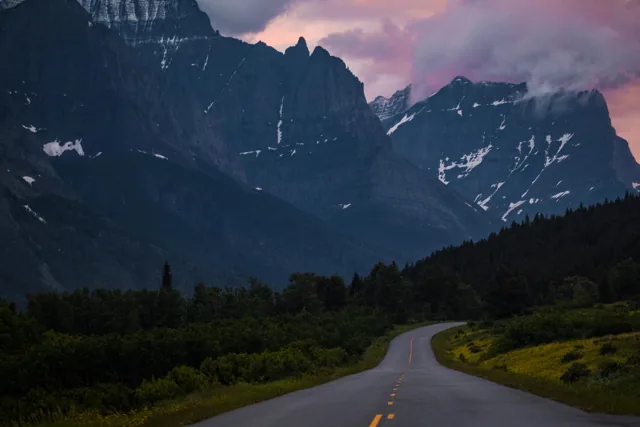
The knife-edge arête above the road — carved from both sides by glaciers, blooming wildflowers through July. Glimpsed from the climb; owned by the Highline Trail.
Open to everything · Saved in this browser
A FEW CHOICES. A TRIP THAT FEELS LIKE YOU.
What could your Glacier trip look like?
Choose what excites you. We’ll use it to filter your Glacier ideas—not rewrite the guide you came to read.
What draws you here?
Choose as many as you like—or leave it open to see everything.
When might you go—and for how long?
We’ll point you to the matching trip length. Season choices add access reminders; they do not confirm anything is open.
Have you chosen a side to stay on?
We’ll flag ideas that need a transfer from your chosen side. This is a preference, not a hotel booking.
Choices save automatically in this browser only. No account. Your answers are not sent to our servers.
Ideas for your Glacier trip
Showing all Glacier experiences. Your saved places and essential access information are never filtered.
An idea to explore—not a must-do.
The full road crossing depends on seasonal access—even in summer.
An idea to explore—not a must-do.
An idea to explore—not a must-do.
Natural Attraction
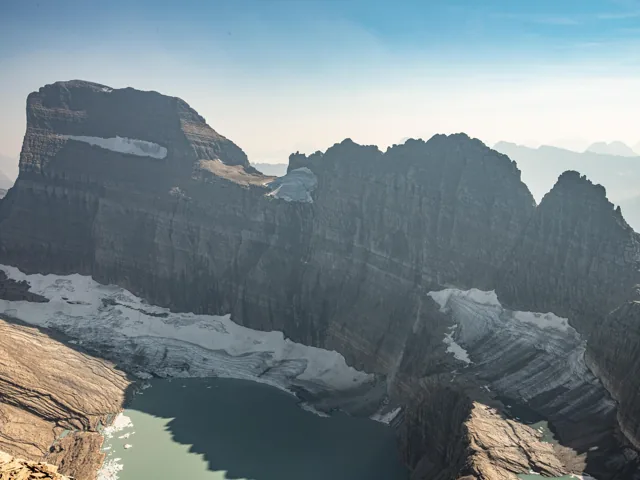
The Garden Wall is the knife-edge ridge the whole west-side climb happens under — a wall of rock so thin in places that light seems to come through it, running along the Continental Divide above Going-to-the-Sun Road. Two glaciers carved it, one grinding each side, until only the blade between them remained; geologists call the shape an arête, and this is the textbook example most of them learned from. The name is about the flowers: through July its ledges and meadows bloom so heavily the wall looks planted. From the road you get glimpses on the climb between the Weeping Wall and Logan Pass — but the full experience is the Highline Trail, which traverses beneath the wall for miles.
MAKE ROOM FOR A MEMORABLE STOP
Is this stop worth your time?
Why go
- What Youll See
- A wall of rock running the skyline above the climb, thin as a blade at its narrowest - the classic arete, carved by glaciers grinding both sides. Through July its ledges bloom so densely the rock looks gardened. Mountain goats work the face; the Highline Trail is the thin line traversing beneath it.
- Unique Characteristics
- The textbook arete - two glaciers, one blade of rock left between them, straddling the Continental Divide. Rain falling on its two faces ends up in two different oceans.
When to go
- Best Visit Times
- Mid-July through early August for the bloom; evening light any time for the rock.
- Seasonal Access
- Visible whenever the alpine section is open - typically late June through mid-October. Wildflower bloom on the wall peaks mid-July to early August.
Getting there and doing it
- How To Get There
- The Garden Wall runs along the Continental Divide above the west-side climb of Going-to-the-Sun Road, roughly miles 28-31. Road views come in stretches between the Weeping Wall and Logan Pass, with standing views from the Big Bend and Oberlin Bend pullouts. The Highline Trail from Logan Pass traverses directly beneath it.
- Parking Availability
- Viewed from existing pullouts - Big Bend has the big lot, Oberlin Bend the small one. No dedicated parking; the wall is scenery, not a stop.
Getting there & parking
- Road Type
- Seen from the paved alpine section of Going-to-the-Sun Road; experienced on foot via the Highline Trail.
- GPS Coordinates
- 48.727609, -113.726153
When to go
- Best Time To Visit
- Mid-July through early August for the wildflower bloom that gives the wall its name. The rock itself is dramatic any time the road is open — evening light sharpens the edge.
- Road Opening Dates
- Alpine section typically opens late June (June 22 in 2026) and closes in mid-October, varying with snowpack.
- Snow Lingering
- Snowfields on the wall feed the Weeping Wall springs below - they hold into midsummer and their melt schedule sets the waterfall season on the climb.
- Weather Patterns
- The wall makes its own drama - clouds pour over the Divide here, and afternoon storms build fast on the west face in summer.
What you will experience
- Attraction Type
- Knife-edge arete on the Divide
- Main Features
- Glacier-carved arete along the Continental Divide, July wildflower bloom, Highline Trail traverse beneath the face, Grinnell Glacier on the east side, source of the Weeping Wall springs
- Photo Opportunities
- Evening from Big Bend, when low light rakes the wall's face and edges it in gold. Wildflower foregrounds from the Highline Trail in July. The thin sections read best in side light.
- Geological Formation Type
- Arete - a knife-edge ridge left between two glacial valleys, carrying the Continental Divide
Facilities, fees & access
- Entry Fees
- $35 per private vehicle (7-day summer pass) for park entrance. No additional fee.
- Permits Required
- No
- Restrooms Available
- No
- Picnic Areas
- No
- Accessibility
- Visible from multiple paved pullouts along the alpine climb — no walking required for the road views.
- Nearby Services
- Vault toilets at Big Bend; full services at Logan Pass Visitor Center.
- Nearby Facilities
- Pullout facilities along the climb: vault toilets at Big Bend, full services at Logan Pass Visitor Center.
- Family Friendly Notes
- From pullouts, it's a view — zero risk, big payoff with the flower bloom. The Highline Trail under the wall has ledge sections; save it for older kids.
Safety
Nearby
- Nearby Attractions
- The Weeping Wall and Big Bend directly below. Oberlin Bend and Logan Pass at its south end. Grinnell Glacier against its east face, seen from the Grinnell Glacier Overlook spur off the Highline Trail.
- Trailheads Here
- The Highline Trail from Logan Pass traverses beneath the wall - even the first mile delivers the under-the-wall experience. The Grinnell Glacier Overlook spur climbs to a notch peering over it.
Planning advice
- Insider Tips
- Sunset from Big Bend lights the wall's face — the edge goes gold while the valley drops into shadow.
- Even a short stretch of the Highline gives you the under-the-wall experience without committing to the full traverse.
- The thin spots are real: in a few places the ridge is only a few dozen feet thick with thousands of feet of air on both sides.
- Tips Advice
- From a car, the wall reveals itself in stretches between the Weeping Wall and Logan Pass — the Big Bend and Oberlin Bend pullouts give the standing views.
- To actually experience it, hike the Highline Trail from Logan Pass: the path traverses under the wall for miles, flowers at your feet, goats above.
- The Weeping Wall's water is Garden Wall snowmelt — the ridge feeds the springs that soak the road below.
- Grinnell Glacier hides on the far side; the Grinnell Glacier Overlook spur off the Highline peeks over the wall at it.
Continue the drive
Location
Frequently asked questions
What exactly is the Garden Wall?
A glacier-carved arête — a knife-edge ridge left when ice sheets ground away both sides of a mountain wall. It runs along the Continental Divide above the west side of Going-to-the-Sun Road.
Why is it called the Garden Wall?
Its ledges bloom heavily with wildflowers through midsummer — from the road the rock face looks planted. Mid-July to early August is peak.
Can I see it without hiking?
Yes — the climb between the Weeping Wall and Logan Pass runs beneath it, with standing views from the Big Bend and Oberlin Bend pullouts. But the road only shows you pieces.
What's the best way to experience it fully?
The Highline Trail from Logan Pass traverses directly beneath the wall for miles — the most famous stretch of trail in the park exists because of this ridge.
What's on the other side?
The Many Glacier valley — including Grinnell Glacier, tucked against the wall's east face. The Grinnell Glacier Overlook spur off the Highline looks down on it.
More at Glacier National Park

Pyramid Peak
Peak sharpened by glacial ice above Mokowanis Lake; an off-trail scramble deep in the Belly River backcountry.

Grace Lake
Grace Lake: glacial cirque lake at 3,966 ft, reached via the Logging Lake Trail.

Rising Sun Picnic Area
A practical east-side pause where Glacier’s mountains meet the prairies.

Two Medicine Picnic Area
Two Medicine’s lake and peaks reward a future picnic; road access is closed as of September 8, 2026.

Monument Falls
A partly hidden waterfall above Avalanche Lake, distinct from the taller headwall cascades. Plan for lake-and-basin views, not a waterfall-base visit.

Lake McDonald
A west-side lakeshore pause: choose Apgar or Lake McDonald Lodge, then leave room for a separate walk or boat outing.
Sources
- YourNPGuide Editorial
Editorial review: YourNPGuide Editorial Team. Information is compiled from official sources, verified traveler reviews, and editorial research; no firsthand visit is implied unless explicitly documented. Learn how YourNPGuide works.
Last updated August 2026. Report an issue.