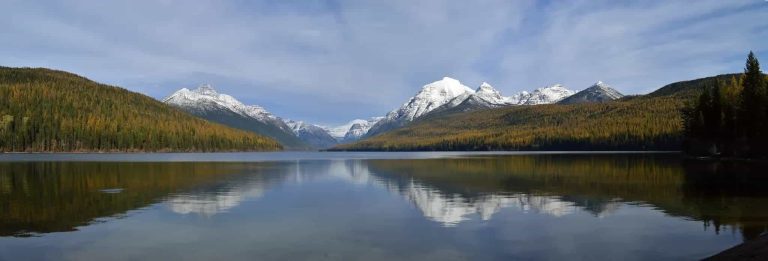
5 Facts To Know About Weeping Wall Glacier National Park
From our experience, Glacier National Park continues to astonish us, but the Weeping Wall is a standout. If you’re planning a visit, head to the Weeping Wall along Going-to-the-Sun Road—it’s one of the park’s most dramatic sights. The curtain of meltwater pouring over the rock face is mesmerizing, and we always pull out our cameras to capture the spray and occasional rainbows. Tip: visit in late spring or early summer when snowmelt is highest, and bring a compact rain shell for mist and spray.
.kb-table-of-content-nav.kb-table-of-content-id2201_9f68e4-45 .kb-table-of-content-wrap{padding-top:var(–global-kb-spacing-sm, 1.5rem);padding-right:var(–global-kb-spacing-sm, 1.5rem);padding-bottom:var(–global-kb-spacing-sm, 1.5rem);padding-left:var(–global-kb-spacing-sm, 1.5rem);}.kb-table-of-content-nav.kb-table-of-content-id2201_9f68e4-45 .kb-table-of-contents-title-wrap{padding-top:0px;padding-right:0px;padding-bottom:0px;padding-left:0px;}.kb-table-of-content-nav.kb-table-of-content-id2201_9f68e4-45 .kb-table-of-contents-title{font-weight:regular;font-style:normal;}.kb-table-of-content-nav.kb-table-of-content-id2201_9f68e4-45 .kb-table-of-content-wrap .kb-table-of-content-list{font-weight:regular;font-style:normal;margin-top:var(–global-kb-spacing-sm, 1.5rem);margin-right:0px;margin-bottom:0px;margin-left:0px;}
1. What is Weeping Wall Glacier National Park?
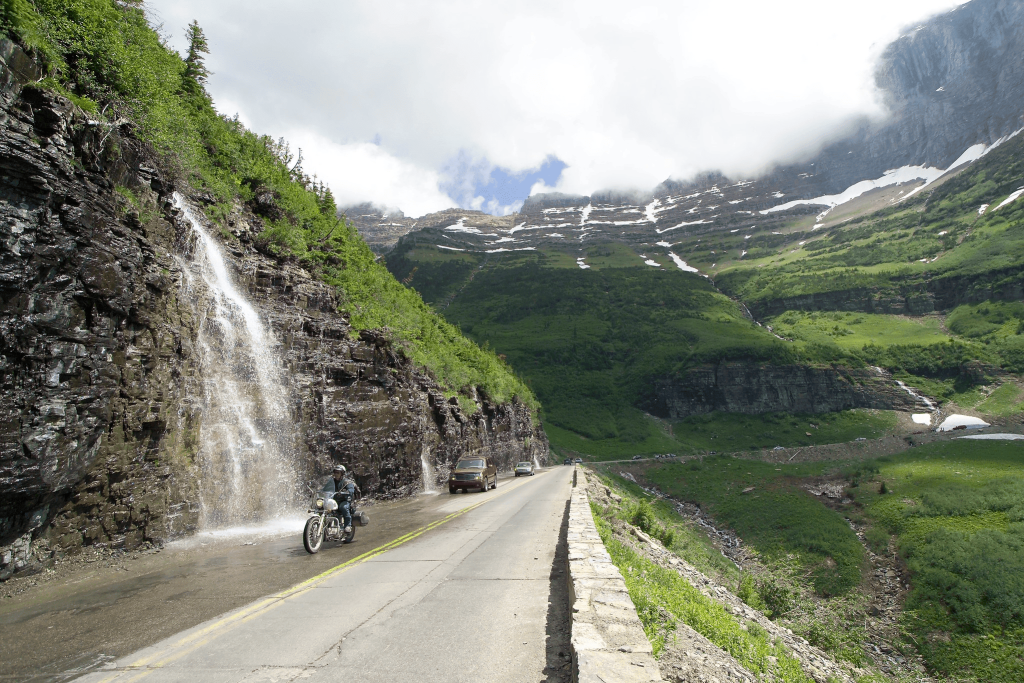
Weeping Wall is Glacier National Park’s dramatic 100-foot waterfall stretch along Going-to-the-Sun Road, where spray beads on the pavement and the wall seems to cry with every thaw. In our experience, you don’t have to hike to see it—the best views are from the roadside pullouts near the Weeping Wall overlook, just west of Logan Pass.
Tip: check road conditions with the NPS and park alerts before you go, because conditions change with seasonal run-off. We recommend visiting in late spring or early summer on weekdays to avoid the busiest traffic, and parking at the Logan Pass Visitor Center lot if it’s open—otherwise use the pullouts along Going-to-the-Sun Road for a quick, safe view. We’ve found that the easiest, most reliable vantage is from the westbound pullout where the spray creates a rainbow on sunny days.
2. Why Is Weeping Wall Glacier National Park Famous?
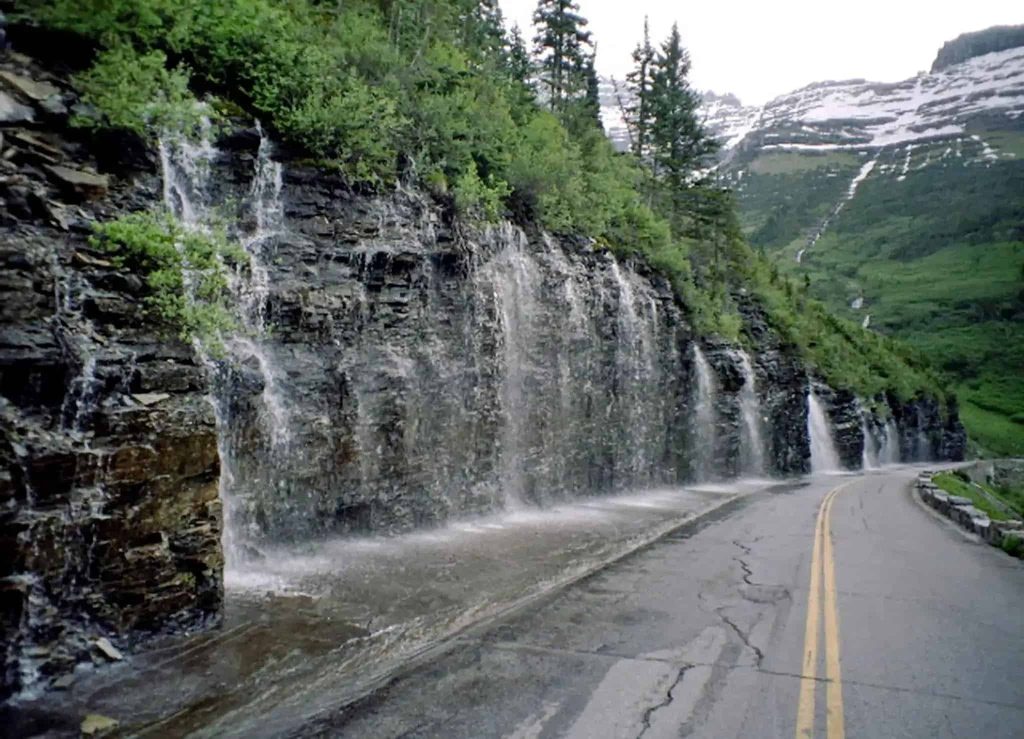
Weeping Wall draws visitors for a few reasons, and in our experience the show evolves with the season, light, and meltwater. The sight is dramatic enough to feel cinematic, yet it’s grounded in real geology and hydrology that park rangers love to explain on briefing boards near the highway pullouts.
In our experience, the best times to view are early in the day or later in the afternoon when the light hits the cascade just right and crowds are lighter. Spring runoff can flood the wall and create a thunderous curtain, while late summer often brings a steadier veil. Remember that water volume changes quickly with temperature and sun, so plan a quick stop rather than a long linger if you’re on a tight itinerary.
- Weeping Wall is located along Going-to-the-Sun Road, the scenic artery that connects Grant and St. Mary entrances. Keep an eye on weather and road status—NPS updates are the best source for closures or partial openings.
- The rock wall can look like it’s crying as water streams down the mineral-streaked face. The effect is strongest in spring and early summer when meltwater is high; the color contrast is striking in morning light.
- Viewing is done from designated pullouts and safe viewpoints along the road. Do not attempt to drive under the falls; stay within the posted viewing areas and watch footing on wet rock. To avoid slips, wear sturdy shoes and keep a respectful distance from observers and wildlife.
3. How Does Weeping Wall Glacier National Park Work?
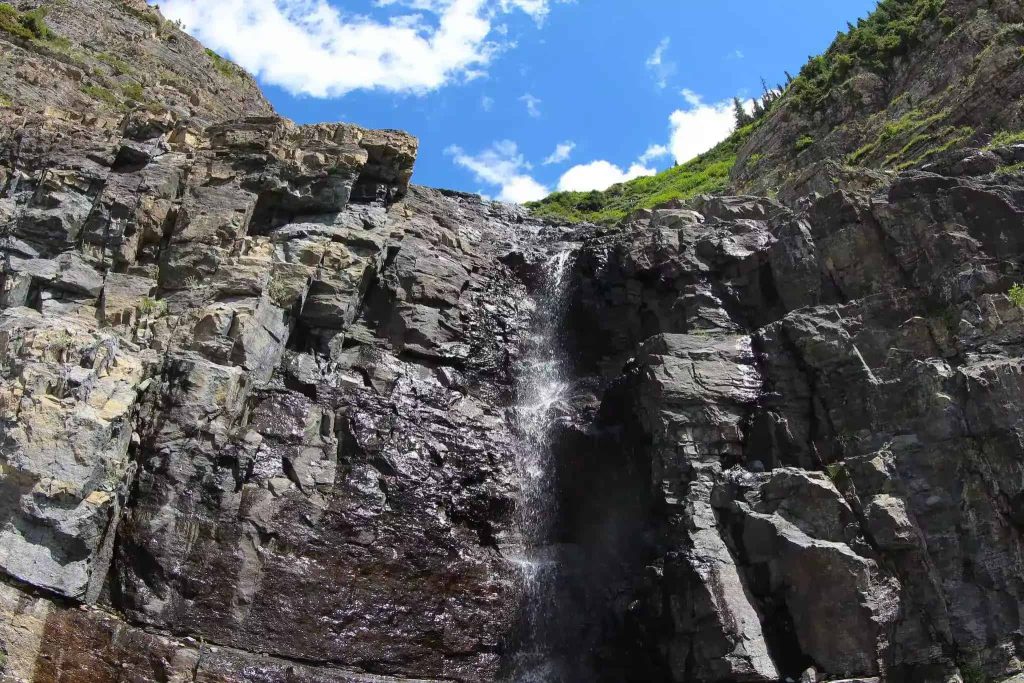
Hook: imagine snowmelt from the peaks driving a curtain of water down the cliff that kisses the road below—this is the story behind Weeping Wall.
In our experience, this phenomenon formed when Going-to-the-Sun Road was blasted into the mountainside, creating a vertical outlet for meltwater that otherwise would have flowed downslope. Snowmelt timing matters: peak flows typically run from late May through July, with the strongest drench events after warm spells and afternoon thaws. According to our park notes, that pattern repeats each season with varying volume.
What we’ve found on the ground: use the eastbound/West Glacier pullouts just east of the wall for best views, and plan for slick pavement and visiting crowds in peak season. We recommend arriving early or late in the day to avoid the heaviest traffic; mornings are the quietest on our last visits. The spectacle is manmade, but it remains genuinely impressive and worth a stop for a quick photo or a longer riverside pause if you’re timing a GTTS drive.
4. Where Is Weeping Wall In Glacier National Park?
.kb-image2201_241233-86 .kb-image-has-overlay:after{opacity:0.3;}
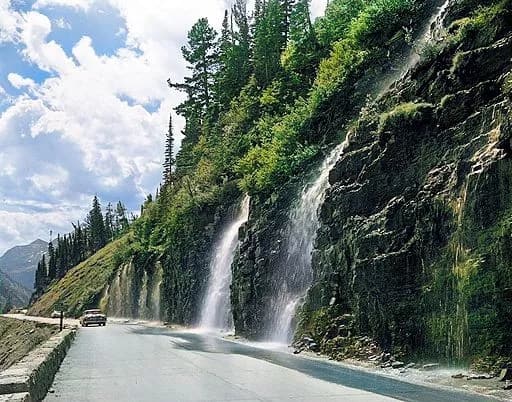
Weeping Wall is located on Going-to-the-Sun Road. From West Glacier, it is a 27.5 mile trip. From East Glacier, along Going-to-the-Sun Road the travel distance is 21 miles.
A better reference point might be Logan Pass. Weeping Wall is just a mere 3 miles from Logan Pass towards West Glacier.
Hook for planning: in our experience, the best water display happens after a warm night or during late July into August, when spring runoff is tapering but still dramatic. We recommend aiming for early morning light and a clear, dry day for photography.
Parking and access tips: The closest official parking is at Logan Pass. In peak season (roughly late June through early September), the Logan Pass lot can fill by 8:30–9:30 am on weekends; weekdays see slightly lighter crowds. If you arrive and the lot is full, consider looping back through the Saint Mary side and checking alternative pullouts just past the Weeping Wall corridor, or plan a late afternoon visit after 4 pm when spaces commonly free up. We do not rely on a dedicated shuttle for this stretch unless the park announces service changes—always verify current shuttle operations on the NPS Glacier National Park page before you go.
What to bring: traction footwear for damp rock, a lightweight rain shell, and trekking poles if you want stability on slick surfaces. A compact zoom lens or a sturdy phone clip helps capture both the wall and surrounding scenery without needing a bulky setup. We’ve found a small hydration pack keeps you comfortable during the short parking-to-wall walk.
Weeping Wall is a reliable stop near Logan Pass—but crowds can surge on sunny weekends. In our experience, plan for 20–40 minutes at the display, plus extra time for photography and safety pauses around wet rock.
From our experience, the most reliable viewing is in the first light of day or just after late-afternoon showers. We recommend heading up early or staying late to minimize crowding and maximize chances for clear, vibrant photos.
5. When Is The Best Time To See Weeping Wall?
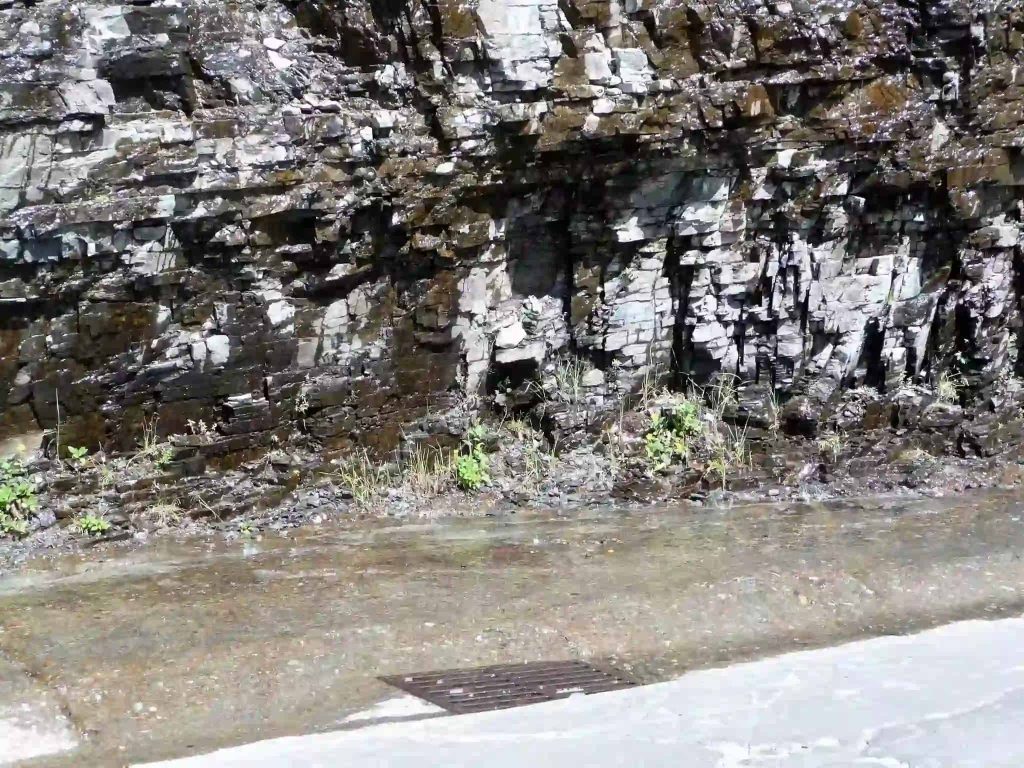
If you’re planning Glacier National Park stops along Going-to-the-Sun Road, the Weeping Wall overlook near Logan Pass is a must-see, especially when the road first opens for the season. In our experience, peak flow typically coincides with snowmelt, so late June to early July often delivers the most dramatic cascades. According to NPS seasonal data, this is when the wall looks its most dramatic, so plan accordingly.
In our experience, the best photography window is right after sunrise and before the crowds arrive. By mid-August, the water flow can be noticeably lower, but you can still catch the wall “weeping” on a high-mlow day after a late thunderstorm. We recommend checking the Going-to-the-Sun Road status page for opening dates and parking tips; arrive early and consider parking at the Logan Pass Wildlife Viewing Area lot to reduce walking time from the car.
From our perspective, combine a stop at the Weeping Wall with a short detour to nearby viewpoints—Glowstone Picnic Area or the Hidden Lake Trailhead for added scenery—and bring a light rain jacket; spray from the wall can be gusty on windy days. Our top tip: dress in layers, tripod-ready water-resistant gear, and use a wide-angle lens for the full cascade in a single frame.
Conclusion:
Don’t miss this crazy sight. Weeping Wall is a landmark worth checking out for anyone driving Going-to-the-Sun Road.