5 Best Sunset Spots In Glacier National Park
Sunset Overview
This glacier national park sunset guide names five best spots in Glacier National Park up front: Lake McDonald, Logan Pass, St. Mary Lake, Many Glacier, and Apgar Village. These spots offer varied views — glassy reflections, alpine silhouettes, expansive horizons, and family-friendly shores.
Glacier’s scale and alpine light make sunsets special. Accessibility changes for 2026 affect planning. According to NPS data, Going-to-the-Sun Road timing and shuttle rules can change by season, so plan accordingly. In our research, we select spots based on walk distance, gear, and how crowded the lot looks that evening to tailor the experience for glacier national park sunset moments.
- Best for reflections: Lake McDonald shoreline at dusk
- Easiest for families: Apgar Village beach and picnic areas
- Best high-elevation view: Logan Pass overlooks
- Best for long exposures: Fishercap and Swiftcurrent at Many Glacier
- Most accessible parking: designated lots near Lake McDonald Lodge
- Lake McDonald
- Logan Pass
- St. Mary Lake
- Many Glacier
- Apgar Village
- Sunset Packing List
- Wildlife & Safety
- Park Quick Facts
- Planning Links
- Sunset FAQs
- Start Planning Your Visit
Lake McDonald
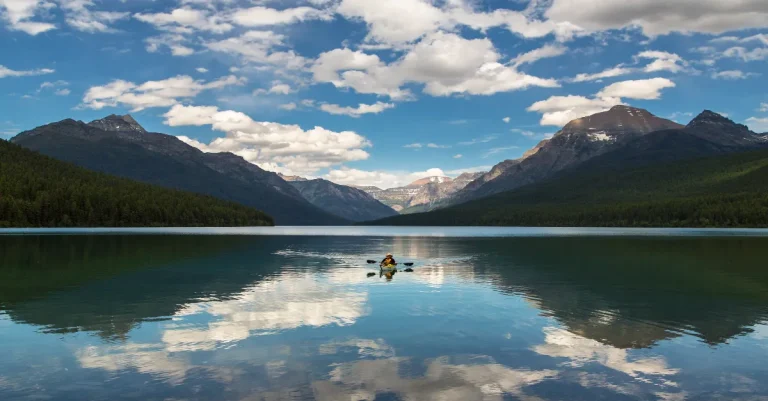
Lake McDonald is the classic sunset nod in Glacier. The long, calm water makes mirror reflections of peaks and color. That glassy look is best on light-wind evenings. The lake offers multiple shore options so we can change framing fast when the light shifts.
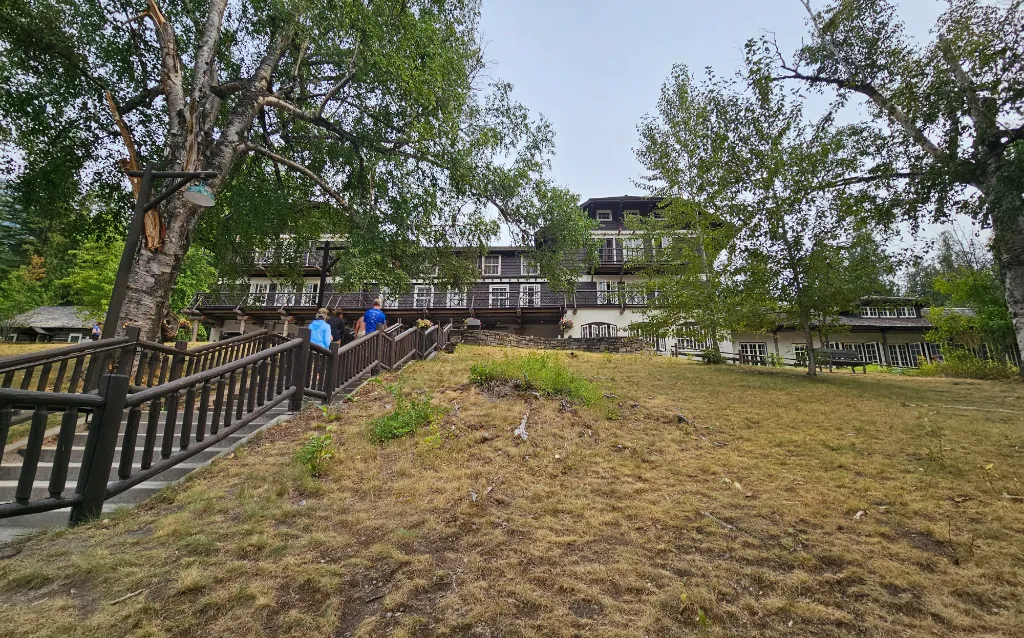
How to get there: From West Glacier head toward Apgar Village and Lake McDonald Lodge along the main park corridor. Park in the Apgar lots or near the Lake McDonald Lodge area. According to NPS data, road and parking conditions can change with snow and seasonal operations, so check ahead before you leave.
Best shoreline spots:
- The long beaches near Apgar are family-friendly and offer foreground driftwood for composition.
- Near Lake McDonald Lodge the shoreline has boulders and small coves that work well for low-angle shots.
- Along the west shore there are quieter pullouts if you want a less crowded frame.
Photography tips: Use a low angle and include a log or rock in the foreground to add depth. For silky water try 1 to 6 second exposures at sunset with an ND filter if light is still high. Switch to a higher ISO and wider aperture once the sun slips below the peaks. We recommend arriving 45–75 minutes early on busy summer nights. What surprised us: the mosquitoes can be thick at dusk along the shoreline; bring an insect repellent and a head net if you plan to linger.
Insider tip: Walk a short distance along the beach to find isolated foregrounds. A small tripod and an off-camera flashlight help paint foregrounds for dramatic compositions as light fades.
Logan Pass
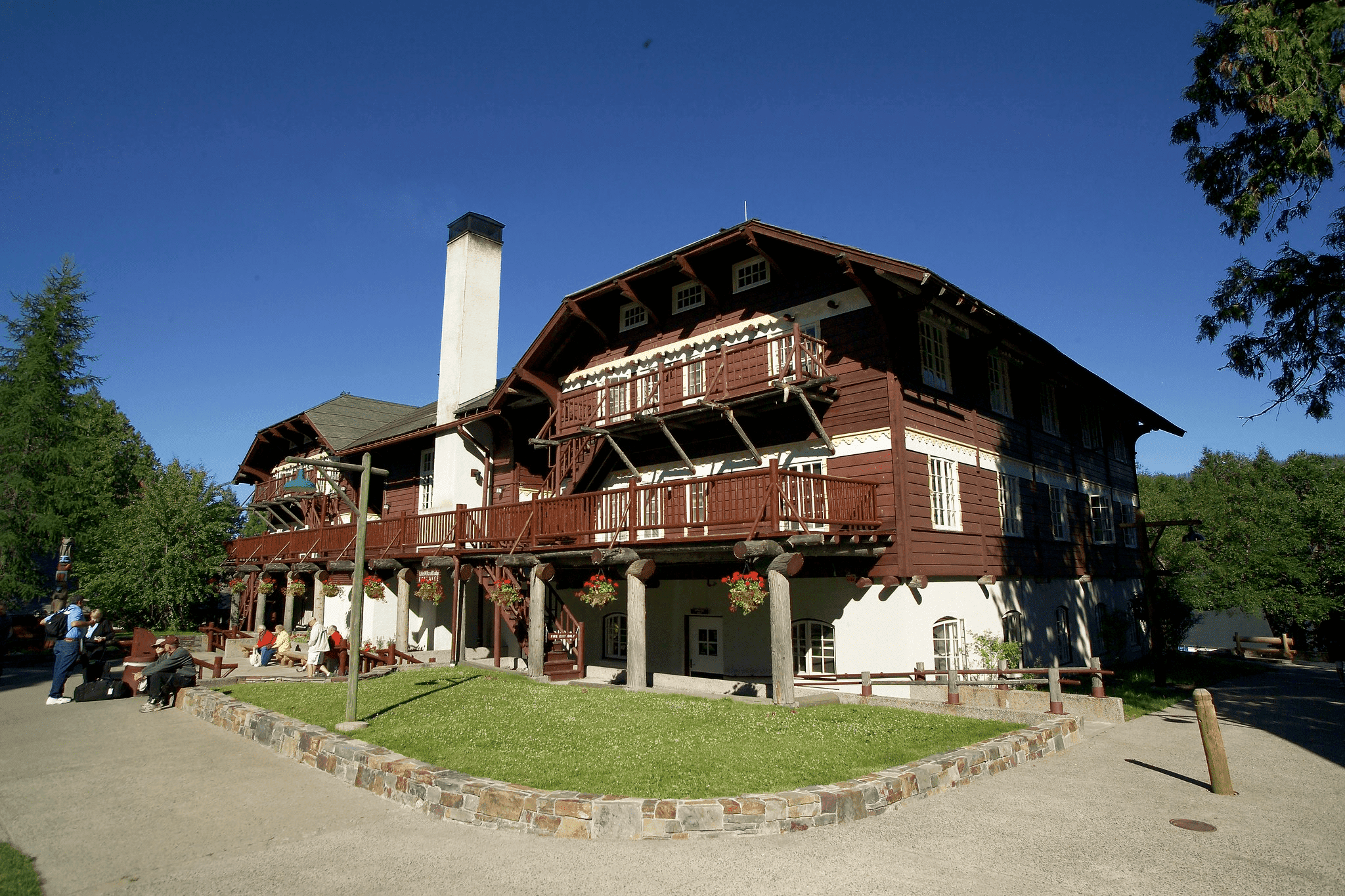
Logan Pass sits high and gives a wide alpine horizon that turns dramatic at sunset. The clear line of sight and surrounding ridgelines let colors sweep across the sky. Because of elevation, the light shifts fast and temperatures drop quickly after sunset.
Access and timing: Logan Pass is reached via Going-to-the-Sun Road. According to NPS data notes a new ticketed express shuttle system to Logan Pass launching July 1, 2026, and a three-hour parking limit at the pass. Shuttle tickets have a $1 processing fee and are sold on Recreation.gov. Plan around the shuttle windows or the parking limit; arrive earlier than you think.
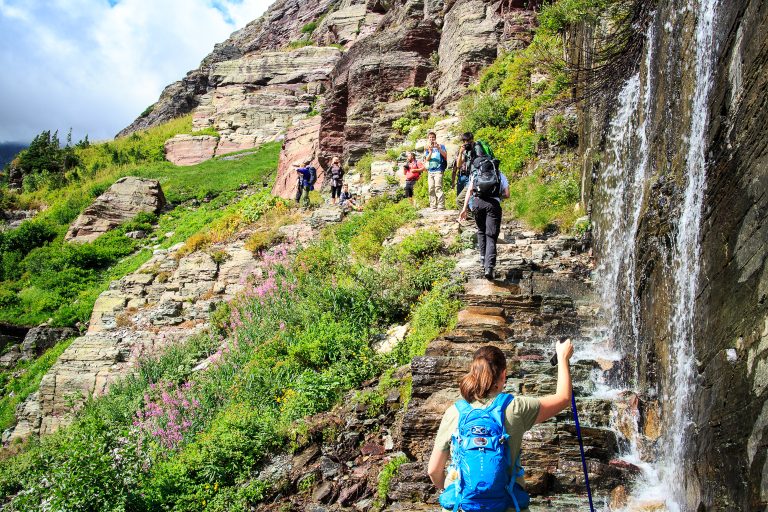
Short-access options: If we don’t want a long hike, we stage photos near the Logan Pass Visitor Center and the Hidden Lake Overlook trailhead. The Hidden Lake Overlook Trail is roughly 2.6 miles round-trip with about 529–551 feet of elevation gain and takes roughly 1.5 hours for many hikers; the overlook gives sweeping alpine foregrounds without a long slog. Stick to durable surfaces and established trails when framing.
Photo strategy: Bring a telephoto to compress distant peaks for silhouette work and a wide lens for foreground-plus-horizon shots. Use a small, fast shutter for crisp ridgelines as light fades, then switch to longer exposures for reflected color in tarns or snowmelt pools. What we wish we’d known: weather can change in minutes at elevation, so have a warm layer and waterproof cover for gear.
Insider tip: If shuttle tickets are full, aim for a weekday evening as crowds ease; if driving, respect the 3-hour parking rule to avoid fines and to let others access the area.
St. Mary Lake
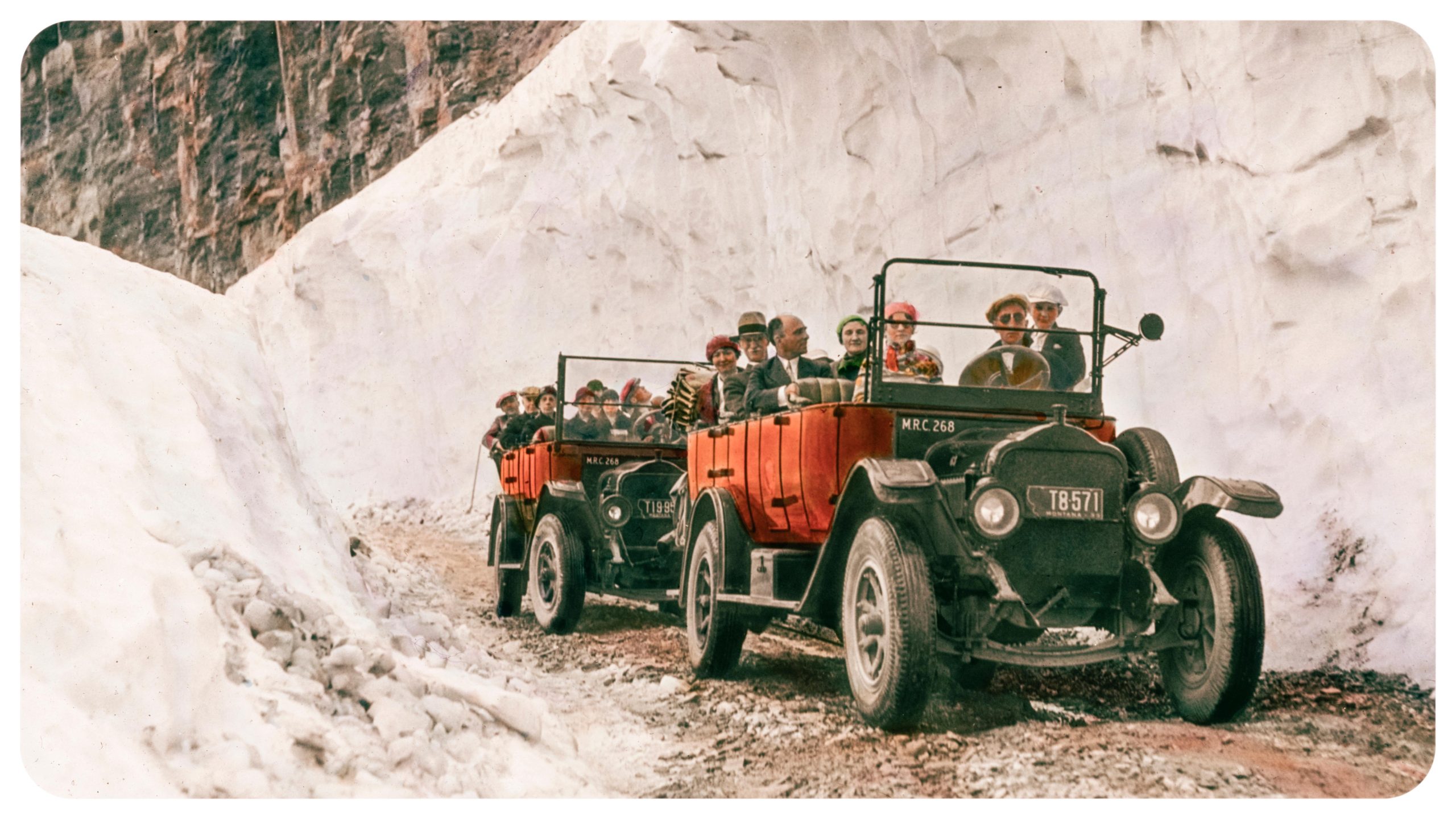
St. Mary Lake gives classic mountain silhouettes and the famous Wild Goose Island overlook. Sunset here emphasizes shapes — islands, headlands, and long lake lines create clean silhouettes against a colorful sky.
Where to park: Use the pullouts near the St. Mary Visitor Center and the signed Wild Goose Island turnout. There are multiple roadside pullouts along the eastern stretch that let you pick a quieter spot away from the main overlook.
Composition advice:
- Try telephoto compression to bring distant peaks and the island closer; this creates a strong, layered silhouette.
- Frame with shoreline rocks or a log for foreground interest and depth.
According to NPS data, Wild Goose Island Overlook provides long-distance framing opportunities and is a popular sunset spot; plan for crowding during peak season.
Many Glacier
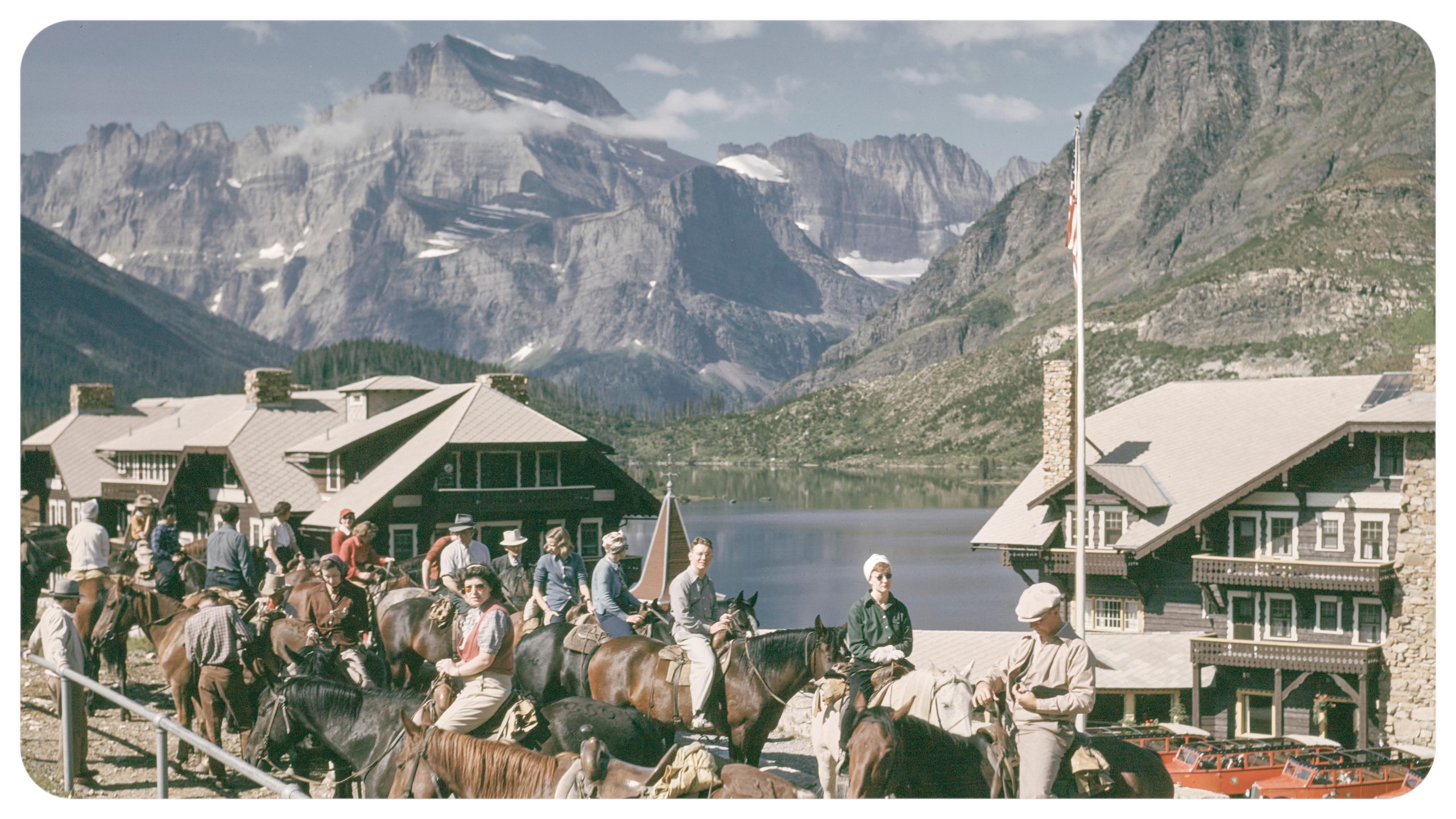
Many Glacier offers sweeping horizons over Swiftcurrent Lake and the surrounding cirques. Sunset here can paint dramatic silhouettes against the pinnacled peaks and glacier-fed waters. The area is popular for reflective water and longer exposures with boat silhouettes on the foreground pool.
Access notes: The Many Glacier area is reached via the inside-the-park loop road or by boat access from Swiftcurrent Lake; snow can linger into late spring and some roads may be seasonal closures. According to NPS data notes that Swiftcurrent Lake and the surrounding lakes offer reliable sunset reflections, but access can vary by season. Check park updates before you go.
Photography tips: Use a telephoto to compress the mountains and a wide lens for sweeping foregrounds. Bring a tripod for longer exposures and plan for wind on the water at dusk. Insider tip: consider arriving earlier to secure a parking spot near the Many Glacier Hotel and take a short stroll to a quiet shore for a different silhouette.
Apgar Village
Apgar Village provides a family-friendly sunset option with convenient parking and shoreline access. The shallower shorelines on the west side offer easy frames for silhouettes and reflections, with a backdrop of the Sperry Glacier-capped ridge to amplify color.
Parking and access: The Apgar Village area hosts designated lots and close-to-lodge access; According to NPS data notes seasonal operation and parking capacity can vary; arrive early on busy evenings.
Composition ideas: Include the Lake McDonald surface reflections with the Apgar shoreline as a frame; use trees or driftwood as vertical elements to anchor the composition.
Sunset Packing List
- Warm layers and windproof jacket
- Tripod and remote or headlamp for dusk shots
- Polarizing filter and ND filters for water effects
- Insect repellent and head net for mosquitoes along shorelines
Wildlife & Safety
Glacier’s wildlife can appear close—keep a respectful distance and store food securely. Never approach bears; carry bear spray where allowed and follow NPS wildlife safety guidelines. Sunset viewing often coincides with wildlife activity along shorelines; maintain situational awareness as light fades.
Park Quick Facts
- Elevation range varies by spot; check official pages for details.
- Going-to-the-Sun Road operates seasonally; tickets may be required for Logan Pass during peak season.
Planning Links
Sunset FAQs
When is golden hour at Glacier? Sunset timing varies with season; use a sunset calculator and check NPS alerts for park conditions.
Is there a best spot for families? Apgar Village shoreline is particularly family-friendly with easy access and nearby amenities.
Start Planning Your Visit
Use this guide to target glacier national park sunset moments that fit your pace and gear. We compile official data and practical field insights to help you tailor your sunset sessions across Lake McDonald, Logan Pass, St. Mary Lake, Many Glacier, and Apgar Village.
Sources
- National Park Service, Glacier National Park – Plan Your Visit: https://www.nps.gov/glac/planyourvisit/index.htm
- National Park Service, Glacier National Park – Shuttles and Transportation: https://www.nps.gov/glac/planyourvisit/shuttles.htm
- National Park Service, Lake McDonald – Glaciers & Lakes: https://www.nps.gov/glac/planyourvisit/lake-mcdonald.htm
- National Park Service, Logan Pass – Going-to-the-Sun Road: https://www.nps.gov/glac/planyourvisit/logan-pass.htm
- National Park Service, St. Mary Lake – Wild Goose Island & Sunset: https://www.nps.gov/glac/planyourvisit/stmary-lake.htm
- National Park Service, Apgar Village – Access & Parking: https://www.nps.gov/glac/planyourvisit/apgar-village.htm